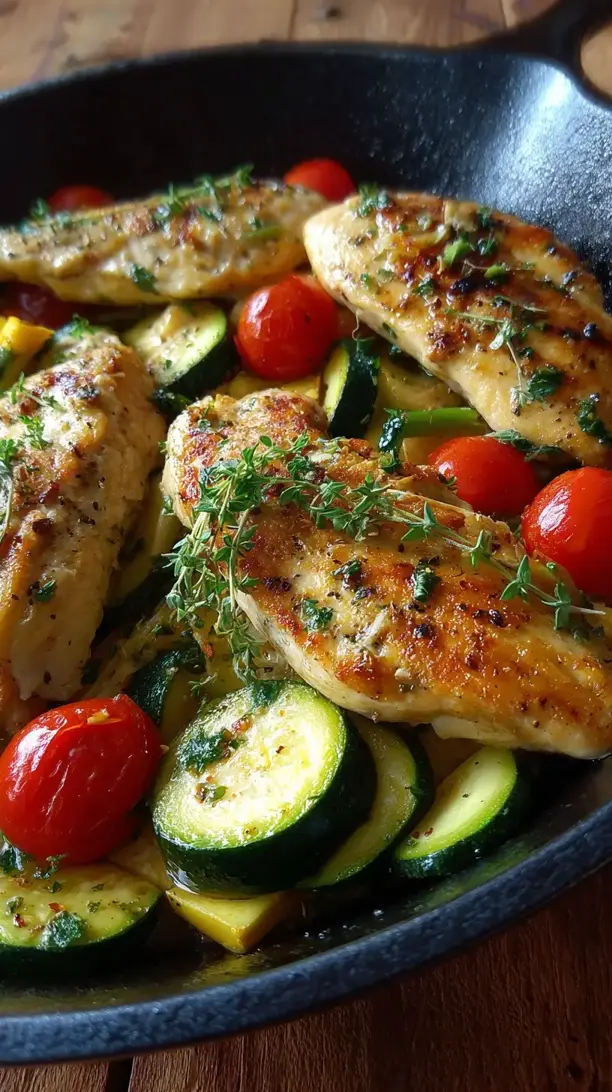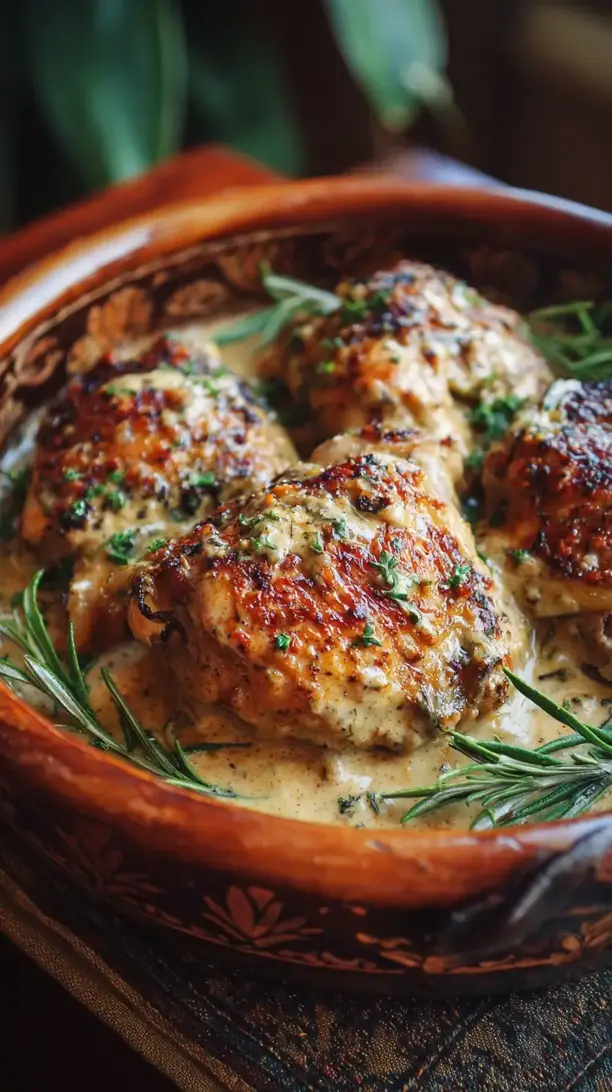
This Apricot Chicken Breast recipe delivers a perfect sweet-savory balance in under 30 minutes. Juicy pan-seared chicken simmers in a sticky apricot glaze for a comforting, crowd-pleasing meal. It’s an easy weeknight dinner that feels special.
Looking for Apricot Chicken Breast inspiration? You'll love what we have! Explore more Chicken Breast Recipes recipes or discover our Breakfast & Brunch favorites.


Why You’ll Love This Apricot Chicken Breast
- Sweet-savory balance: Fruity apricot preserves are perfectly tempered by soy sauce and garlic.
- Quick & easy: Ready in about 30 minutes with mostly hands-off simmering.
- Crowd-pleasing: Friendly for picky eaters and adjustable to your taste.
- Better leftovers: Flavors meld overnight for fantastic next-day meals.
Ingredients & Tools
- 4 boneless, skinless chicken breasts (about 1.5 lbs / 680 g)
- 1 tbsp olive oil
- 1 small yellow onion, finely chopped
- 2 cloves garlic, minced
- 1 cup apricot preserves or jam
- 1/4 cup low-sodium soy sauce
- 2 tbsp apple cider vinegar
- 1 tsp Dijon mustard
- 1/2 tsp smoked paprika
- 1/4 tsp black pepper
- 1/4 cup chicken broth or water
- 2 tbsp fresh chopped parsley or chives for garnish (optional)
Tools: A large skillet with a lid (or foil to cover), measuring spoons/cups, tongs, and a small whisk or fork for stirring the glaze.
Notes: Don’t stress if you don’t have every ingredient exactly—the apricot preserves are the star, but the supporting cast can be flexible. The key is balancing the sweet, salty, and acidic elements.
Nutrition (per serving)
| Calories: | 320 kcal |
| Protein: | 35 g |
| Fat: | 6 g |
| Carbs: | 28 g |
| Fiber: | 1 g |
Serves: 4 | Prep Time: 10 minutes | Cook Time: 20 minutes | Total Time: 30 minutes
Before You Start: Tips & Ingredient Notes
- Chicken breast thickness matters. If your chicken breasts are very thick or uneven, pound them to an even ¾-inch thickness. This ensures they cook through evenly and stay juicy, without the thinner parts drying out.
- What if I don’t have apricot preserves? Peach or mango preserves work wonderfully as a substitute. You could even use orange marmalade for a slightly bitter, citrusy twist—just taste and adjust the other seasonings accordingly.
- Low-sodium soy sauce is key. Since the preserves already contain sugar and we’re reducing the glaze, regular soy sauce can make the final dish too salty. If you only have regular, you can dilute it with a bit of water.
- Don’t skip the vinegar or mustard. These ingredients aren’t just for flavor—they help cut the sweetness of the apricot and emulsify the glaze, giving it a beautiful, clingy texture that coats the chicken perfectly.
How to Make Apricot Chicken Breast
Step 1: Start by prepping your chicken. Pat the chicken breasts completely dry with paper towels—this is crucial for getting a good sear instead of steaming. Season both sides generously with black pepper (hold the salt if using regular soy sauce later). If they’re uneven, place them between two pieces of plastic wrap and gently pound the thicker ends to an even thickness. You’ll notice this makes a huge difference in cooking time.
Step 2: Heat the olive oil in a large skillet over medium-high heat. Once the oil shimmers, carefully add the chicken breasts. You should hear a gentle sizzle. Sear for about 4–5 minutes on the first side, until you get a lovely golden-brown crust. Don’t move them around too much—let the Maillard reaction work its magic. Flip them and cook for another 2–3 minutes on the other side; they won’t be fully cooked through yet, and that’s exactly what we want. Remove the chicken to a plate and set aside.
Step 3: Reduce the heat to medium and add the chopped onion to the same skillet. Sauté for about 3–4 minutes, scraping up any browned bits from the chicken—that’s pure flavor! Once the onion is softened and translucent, add the minced garlic and cook for just 30 seconds until fragrant. Be careful not to burn the garlic, or it’ll turn bitter.
Step 4: In a small bowl, whisk together the apricot preserves, soy sauce, apple cider vinegar, Dijon mustard, and smoked paprika until well combined. Pour this mixture into the skillet with the onions and garlic, and add the chicken broth. Stir everything together, letting it bubble gently for a minute. You’ll notice the sauce will start to thicken slightly and become glossy.
Step 5: Return the chicken breasts and any accumulated juices back to the skillet, nestling them into the glaze. Spoon some of the sauce over the top of each piece. Reduce the heat to low, cover the skillet with a lid (or tightly with foil), and let it simmer for 10–12 minutes. The chicken should be cooked through (165°F / 74°C internally) and the glaze will have thickened and caramelized around the edges.
Step 6: Uncover the skillet. If the sauce seems a bit thin, you can let it bubble uncovered for another 1–2 minutes to reduce further. The finished glaze should coat the back of a spoon nicely. Give it a final taste—you might want a tiny splash more vinegar for brightness. Turn off the heat and let the chicken rest in the skillet for a couple of minutes; this allows the juices to redistribute.
Step 7: To serve, place a chicken breast on each plate and spoon the abundant glaze from the pan over the top. Garnish with fresh chopped parsley or chives if you like—the green pop of color makes it look restaurant-worthy. The chicken should be incredibly tender, and the glaze sticky-sweet with a savory backbone. Dive in while it’s hot!
Storage & Freshness Guide
- Fridge: Store in an airtight container for up to 3 days.
- Freezer: Freeze cooked and cooled chicken for up to 2 months.
- Reviving: Reheat gently in a covered skillet with a splash of water to loosen glaze.
Serving Suggestions
Complementary Dishes
- Fluffy jasmine rice or couscous — The neutral base is perfect for soaking up every last drop of that glorious apricot glaze. The light fragrance of jasmine rice especially complements the fruity notes.
- Simple steamed green beans or broccoli — Their slight crunch and mild bitterness provide a fresh contrast to the rich, sweet sauce, balancing the plate beautifully.
- A crisp, refreshing slaw — A vinegar-based slaw with cabbage and carrots cuts through the sweetness and adds a wonderful textural variety that keeps each bite interesting.
Drinks
- A slightly off-dry Riesling — The wine’s natural stone fruit flavors and crisp acidity mirror the apricot in the dish and cleanse the palate between bites of the savory chicken.
- Sparkling water with a lemon twist — For a non-alcoholic option, the bubbles and citrus help reset your taste buds, making each mouthful of the flavorful chicken just as exciting as the first.
- A light, hoppy pale ale — The beer’s bitterness contrasts the sweet glaze wonderfully, while its carbonation lifts the richness of the dish off your palate.
Something Sweet
- Lemon sorbet — Its bright, clean, and tart finish is the perfect palate-cleanser after the sweet and savory main course, leaving you feeling refreshed and satisfied.
- Almond biscotti — The nutty, crunchy cookies are fantastic for dipping into a cup of coffee or tea, offering a simple, not-too-sweet ending to the meal.
- Fresh berries with a dollop of Greek yogurt — The tanginess of the yogurt and the natural sweetness of the berries provide a light, healthy finale that doesn’t overwhelm after a flavorful main.
Top Mistakes to Avoid
- Mistake: Adding salt too early. Since soy sauce is quite salty, seasoning the chicken with additional salt before searing can lead to an overly salty final dish. It’s better to season at the end if needed.
- Mistake: Crowding the pan when searing. If the chicken pieces are too close together, they’ll steam instead of developing that beautiful, flavorful brown crust. Cook in batches if your skillet is small.
- Mistake: Boiling the glaze too aggressively. A gentle simmer is all you need once the chicken goes back in. A rolling boil can cause the sugars in the preserves to burn, giving the sauce a bitter taste.
- Mistake: Overcooking the chicken. Chicken breasts can go from juicy to dry surprisingly fast. Using a meat thermometer to check for 165°F (74°C) is the most reliable way to ensure perfect doneness every time.
Expert Tips
- Tip: Use a microplane for the garlic. Instead of mincing, grating the garlic cloves creates a fine paste that melts seamlessly into the glaze, distributing flavor more evenly without any sharp, raw garlic bites.
- Tip: Let the chicken come to room temperature. Taking the chicken out of the fridge 15-20 minutes before cooking helps it sear more evenly and prevents the center from being undercooked when the outside is perfectly browned.
- Tip: Add a pinch of red pepper flakes. For a subtle kick of heat that complements the sweet apricot, a pinch of red pepper flakes added with the glaze ingredients works wonders. It’s a small addition with a big impact.
- Tip: Deglaze with a splash of white wine. After sautéing the onions and garlic, a splash of dry white wine (like Sauvignon Blanc) added to the pan before the glaze will lift all the browned bits and add a lovely layer of acidity.
FAQs
Can I make this Apricot Chicken Breast in the oven instead?
Absolutely! You can sear the chicken in an oven-safe skillet as directed, then prepare the glaze in the same pan. Once you add the chicken back and spoon the glaze over it, transfer the entire skillet to a preheated 375°F (190°C) oven. Bake uncovered for 15-20 minutes, or until the chicken is cooked through. The dry heat of the oven gives the glaze a slightly more caramelized finish, which is really delicious.
What’s the best way to store and reheat leftovers?
Store any leftover chicken and glaze in an airtight container in the refrigerator for up to 3 days. The best way to reheat is gently, either in a covered skillet over low heat with a tiny splash of water or broth to loosen the glaze, or in the microwave at 50% power. Avoid high heat, which can make the chicken rubbery and cause the sugary glaze to burn.
Can I use chicken thighs instead of breasts?
Yes, bone-in or boneless chicken thighs work wonderfully here. They’re more forgiving and stay incredibly juicy. Just note that they may require a slightly longer cooking time (about 5-10 extra minutes) to become tender and for the fat to render. The richer flavor of thighs pairs beautifully with the sweet apricot glaze.
My glaze is too thin. How can I thicken it?
If your glaze hasn’t thickened to a sticky consistency by the end of cooking, simply remove the cooked chicken to a plate and let the sauce bubble over medium-high heat for a few more minutes until it reduces to your liking. You can also create a quick slurry by mixing 1 teaspoon of cornstarch with 1 tablespoon of cold water and stirring it into the simmering sauce until it thickens.
Is this recipe freezer-friendly?
You can freeze the cooked and cooled Apricot Chicken Breast for up to 2 months. Thaw it overnight in the refrigerator before reheating. Be aware that the texture of the sauce might change slightly upon thawing (it can become a bit more liquid), but a quick re-simmer in a pan will bring it right back to a glossy, thickened state.

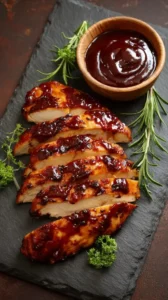

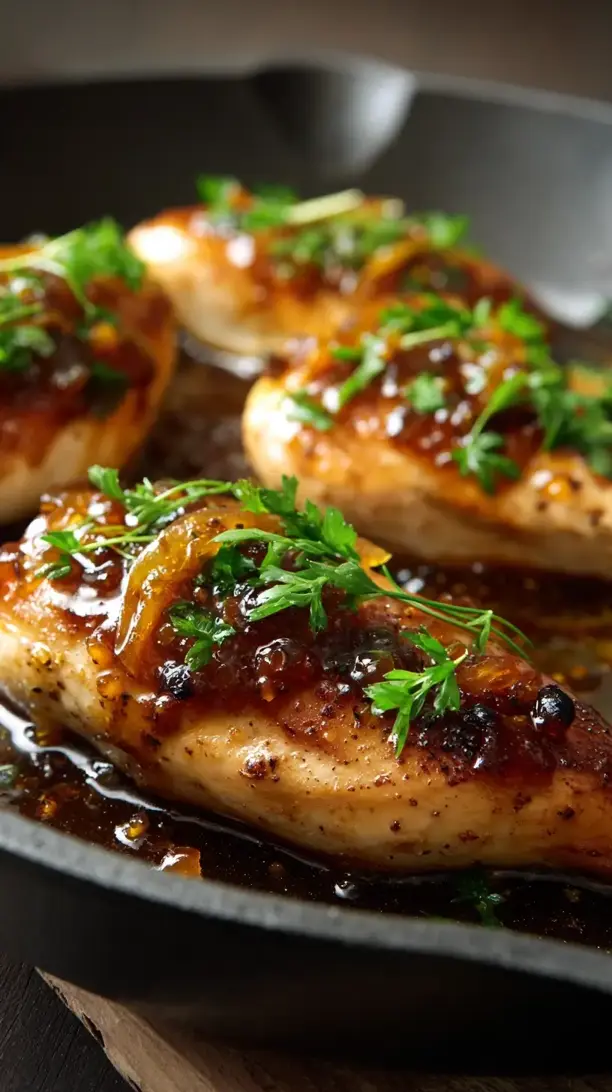
Apricot Chicken Breast
Make juicy Apricot Chicken Breast in 30 minutes with a sweet-savory glaze. Perfect for an easy weeknight dinner. Get the simple recipe now!
Ingredients
For the Ingredients
-
4 boneless, skinless chicken breasts (about 1.5 lbs / 680 g)
-
1 tbsp olive oil
-
1 small yellow onion (finely chopped)
-
2 cloves garlic (minced)
-
1 cup apricot preserves or jam
-
1/4 cup low-sodium soy sauce
-
2 tbsp apple cider vinegar
-
1 tsp Dijon mustard
-
1/2 tsp smoked paprika
-
1/4 tsp black pepper
-
1/4 cup chicken broth or water
-
2 tbsp fresh chopped parsley or chives (for garnish (optional))
Instructions
-
Start by prepping your chicken. Pat the chicken breasts completely dry with paper towels—this is crucial for getting a good sear instead of steaming. Season both sides generously with black pepper (hold the salt if using regular soy sauce later). If they’re uneven, place them between two pieces of plastic wrap and gently pound the thicker ends to an even thickness. You’ll notice this makes a huge difference in cooking time.01
-
Heat the olive oil in a large skillet over medium-high heat. Once the oil shimmers, carefully add the chicken breasts. You should hear a gentle sizzle. Sear for about 4–5 minutes on the first side, until you get a lovely golden-brown crust. Don’t move them around too much—let the Maillard reaction work its magic. Flip them and cook for another 2–3 minutes on the other side; they won’t be fully cooked through yet, and that’s exactly what we want. Remove the chicken to a plate and set aside.02
-
Reduce the heat to medium and add the chopped onion to the same skillet. Sauté for about 3–4 minutes, scraping up any browned bits from the chicken—that’s pure flavor! Once the onion is softened and translucent, add the minced garlic and cook for just 30 seconds until fragrant. Be careful not to burn the garlic, or it’ll turn bitter.03
-
In a small bowl, whisk together the apricot preserves, soy sauce, apple cider vinegar, Dijon mustard, and smoked paprika until well combined. Pour this mixture into the skillet with the onions and garlic, and add the chicken broth. Stir everything together, letting it bubble gently for a minute. You’ll notice the sauce will start to thicken slightly and become glossy.04
-
Return the chicken breasts and any accumulated juices back to the skillet, nestling them into the glaze. Spoon some of the sauce over the top of each piece. Reduce the heat to low, cover the skillet with a lid (or tightly with foil), and let it simmer for 10–12 minutes. The chicken should be cooked through (165°F / 74°C internally) and the glaze will have thickened and caramelized around the edges.05
-
Uncover the skillet. If the sauce seems a bit thin, you can let it bubble uncovered for another 1–2 minutes to reduce further. The finished glaze should coat the back of a spoon nicely. Give it a final taste—you might want a tiny splash more vinegar for brightness. Turn off the heat and let the chicken rest in the skillet for a couple of minutes; this allows the juices to redistribute.06
-
To serve, place a chicken breast on each plate and spoon the abundant glaze from the pan over the top. Garnish with fresh chopped parsley or chives if you like—the green pop of color makes it look restaurant-worthy. The chicken should be incredibly tender, and the glaze sticky-sweet with a savory backbone. Dive in while it’s hot!07
Not what you're looking for?