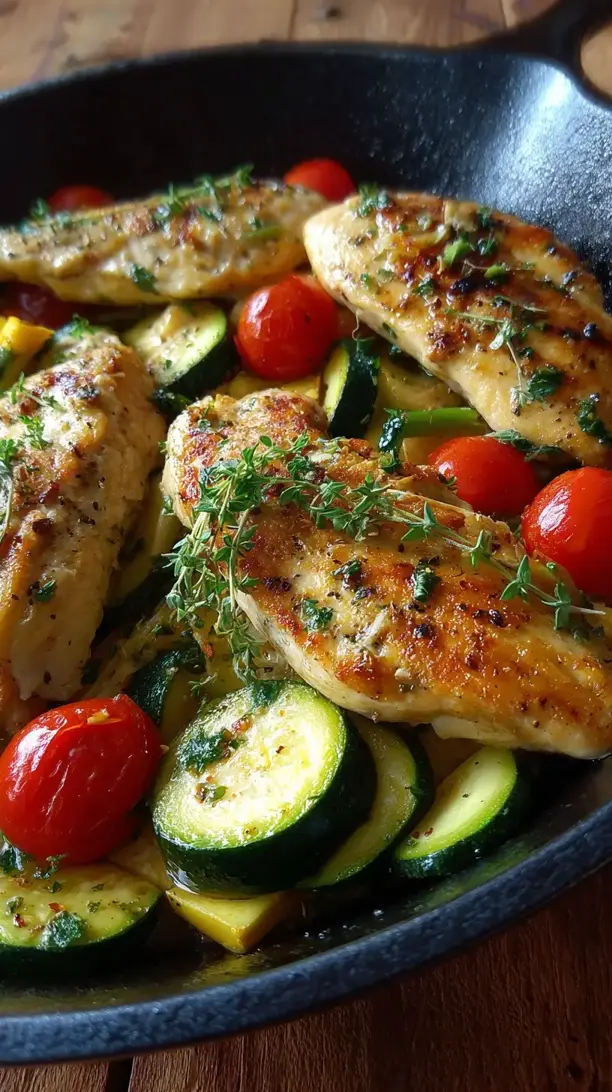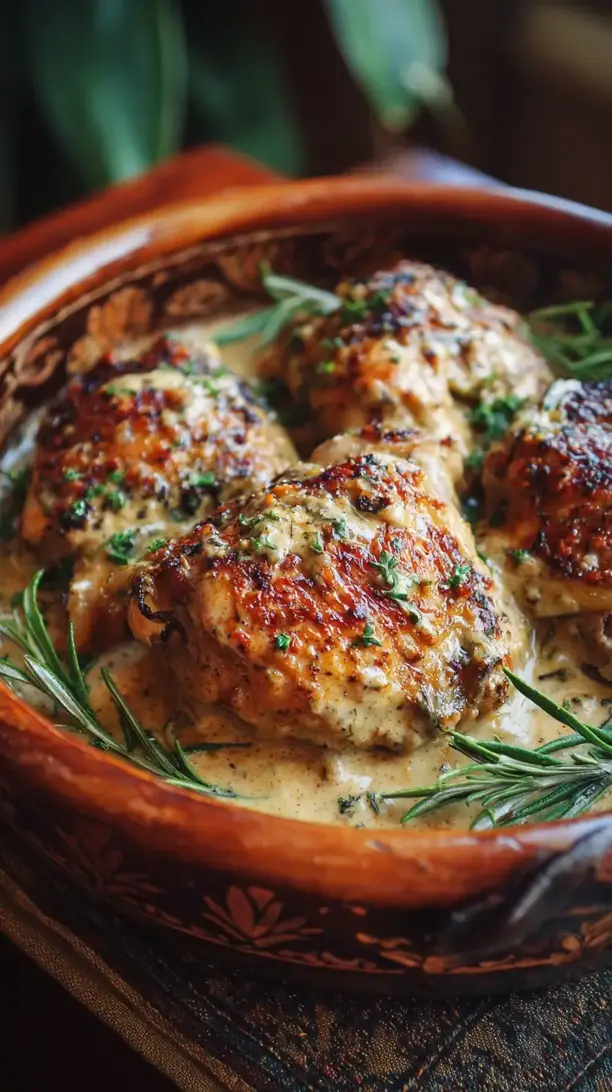
This Glazed Chicken Breast recipe delivers juicy, tender meat with a glossy, sweet-savory glaze. It’s simple enough for weeknights but impressive for guests. The sticky coating caramelizes beautifully, locking in moisture for perfect results every time.
Looking for Glazed Chicken Breast inspiration? You'll love what we have! Explore more Chicken Breast Recipes recipes or discover our Chicken Thigh Recipes favorites.


Why You’ll Love This Glazed Chicken Breast
- Never dry: The glaze seals in moisture for incredibly juicy chicken.
- Complex flavor, simple method: Sweet, salty, and savory notes from pantry staples.
- Fast & easy cleanup: One pan, under 30 minutes, perfect for busy nights.
- Versatile pairing: Works with rice, roasted veggies, salads, and more.
Ingredients & Tools
- 2 boneless, skinless chicken breasts (about 150–180 g each)
- 2 tbsp olive oil
- 3 tbsp honey
- 2 tbsp soy sauce (or tamari for gluten-free)
- 1 tbsp balsamic vinegar
- 2 garlic cloves, minced
- 1 tsp Dijon mustard
- ½ tsp smoked paprika
- ¼ tsp black pepper
- Pinch of red pepper flakes (optional, for a little heat)
- Fresh parsley or chives, chopped, for garnish
Tools: A large oven-safe skillet, measuring spoons, small bowl, whisk, instant-read thermometer, tongs
Notes: Use good-quality honey and soy sauce for the best flavor. Dijon mustard helps emulsify the glaze.
Nutrition (per serving)
| Calories: | 320 kcal |
| Protein: | 35 g |
| Fat: | 10 g |
| Carbs: | 18 g |
| Fiber: | 0.5 g |
Serves: 2 | Prep Time: 10 minutes | Cook Time: 15 minutes | Total Time: 25 minutes
Before You Start: Tips & Ingredient Notes
- Bring your chicken to room temperature. Taking the chill off the meat for about 15-20 minutes before cooking helps it cook more evenly, preventing a cold center and overcooked edges.
- Pound thicker breasts to an even thickness. If your chicken breasts are plump, place them between plastic wrap and gently pound the thicker end until they’re uniformly about 2 cm thick. This is the secret to avoiding undercooked spots.
- Don’t substitute the balsamic vinegar. Its acidity balances the sweetness of the honey and adds a lovely depth. If you must, a good red wine vinegar can work in a pinch, but the flavor profile will be slightly different.
- Use an instant-read thermometer. This is your best friend for perfect chicken. It takes the guesswork out and ensures you hit the ideal 74°C internal temperature for juicy, safe-to-eat chicken every time.
How to Make Glazed Chicken Breast
Step 1: Start by prepping your chicken. Pat the breasts completely dry with paper towels—this is crucial for getting a good sear and helping the glaze stick. If they’re uneven, pound them as mentioned. Season both sides generously with the black pepper and smoked paprika. You’ll notice we’re not adding salt here because the soy sauce in the glaze is plenty salty.
Step 2: Whisk the glaze. In a small bowl, combine the honey, soy sauce, balsamic vinegar, minced garlic, Dijon mustard, and red pepper flakes (if using). Whisk it until it’s smooth and well-combined. You should see it thicken slightly as the mustard works its emulsifying magic. Set this aside near your stove.
Step 3: Sear the chicken. Heat the olive oil in your large skillet over medium-high heat. Once the oil is shimmering, carefully add the chicken breasts. They should sizzle the moment they hit the pan. Cook for 5-7 minutes without moving them, until you have a beautiful golden-brown crust on the first side. You’ll know it’s ready to flip when the edges look opaque.
Step 4: Flip and reduce the heat. Use tongs to turn the chicken over. Reduce the heat to medium. Now, pour about two-thirds of your prepared glaze over the chicken, reserving the rest for later. It will bubble and sizzle excitedly—that’s exactly what you want. Let it cook for another 5-6 minutes, occasionally spooning the bubbling glaze over the top.
Step 5: Check for doneness. Insert an instant-read thermometer into the thickest part of a breast. You’re aiming for 74°C. If you’re not there yet, you can lower the heat a touch and continue cooking for another minute or two, but be careful not to let the glaze burn.
Step 6: Rest and glaze. Once the chicken is cooked through, transfer it to a clean cutting board. Let it rest for at least 5 minutes—this is non-negotiable for juicy chicken! While it rests, you can pour the remaining fresh glaze over the top. It will gleam and soak in, adding an extra layer of flavor. Slice against the grain, garnish with fresh herbs, and serve immediately.
Storage & Freshness Guide
- Fridge: Store in an airtight container for up to 3 days.
- Freezer: Freeze in a sealed bag for up to 2 months.
- Reviving: Reheat gently in a skillet with a splash of water, covered, to retain moisture.
Serving Suggestions
Complementary Dishes
- Garlic Mashed Potatoes — The creamy, savory potatoes are the perfect canvas for that rich, sticky glaze to soak into.
- Simple Roasted Asparagus — The slight char and earthy flavor of the asparagus cuts through the sweetness of the glaze beautifully.
- Herb-Buttered Rice Pilaf — The fluffy, aromatic rice helps to stretch the delicious pan sauce and makes the meal feel complete.
Drinks
- A Crisp Pinot Grigio — Its bright acidity and citrus notes cleanse the palate and balance the sweet-and-savory profile of the dish.
- Sparkling Water with Lemon — The bubbles and citrus are a simple, refreshing way to reset your taste buds between bites.
- A Light Pale Ale — The slight bitterness of the beer contrasts wonderfully with the honey glaze, making each element pop.
Something Sweet
- Lemon Sorbet — Its sharp, clean citrus flavor is a palate-cleansing finish that feels light and refreshing after the rich chicken.
- Dark Chocolate Truffles — Just one or two pieces of intense, bittersweet chocolate provide a sophisticated, not-too-sweet ending.
- Vanilla Panna Cotta — The silky, cool creaminess is a lovely, simple contrast to the warm, sticky main course.
Top Mistakes to Avoid
- Overcrowding the pan. If you try to cook too many breasts at once, they’ll steam instead of sear, and you’ll end up with pale, rubbery chicken instead of a beautiful crust. Cook in batches if necessary.
- Adding the glaze too early. If you pour all the glaze on at the beginning, the sugars in the honey can burn before the chicken is cooked through, leading to a bitter taste. Adding it in stages is the trick.
- Skipping the rest time. I know it’s tempting to cut right in, but if you slice the chicken immediately, all those precious juices will run out onto the cutting board, leaving you with a drier result. Patience pays off!
- Constantly moving the chicken. Let it sit undisturbed for the first few minutes to develop that essential golden-brown sear. Fiddling with it too much prevents proper browning.
Expert Tips
- Tip: For a super-glossy, restaurant-quality finish, add a tiny knob of cold butter to the pan after you’ve taken the chicken out. Swirl it into the residual glaze and drippings to create a quick, luxurious pan sauce to drizzle over everything.
- Tip: If your glaze is reducing too quickly and threatening to burn, don’t be afraid to add a tablespoon or two of water or chicken broth to the pan. This will loosen it up and give the chicken more time to cook through without the sugars scorching.
- Tip: To infuse even more flavor, you can marinate the chicken in half of the glaze mixture for up to 30 minutes before cooking. Just be sure to discard the used marinade and make a fresh batch for cooking and finishing.
- Tip: For perfectly even slicing, use a sharp chef’s knife and pay attention to the grain of the meat—those long muscle fibers. Slicing perpendicularly (against the grain) shortens those fibers, making each piece incredibly tender to eat.
FAQs
Can I make this with chicken thighs?
Absolutely! Bone-in, skin-on thighs work wonderfully. You’ll want to render the skin until it’s crispy first, then proceed with glazing. The cook time will be a bit longer—closer to 25-30 minutes—and you’re aiming for an internal temperature of 82°C. The higher fat content in thighs makes them very forgiving and extra juicy.
How do I store and reheat leftovers?
Store any leftover chicken in an airtight container in the fridge for up to 3 days. To reheat, avoid the microwave if you can, as it can make the meat rubbery. Instead, place it in a skillet over low heat with a splash of water, covered, until warmed through. This gently steams it back to life.
My glaze burned! What did I do wrong?
This usually happens if the heat is too high. The sugars in honey caramelize quickly and can burn. Next time, try reducing the heat to medium after you add the glaze. If it’s still bubbling aggressively, don’t hesitate to pull the pan off the heat for a moment to let it calm down.
Can I prepare the glaze ahead of time?
You sure can. The glaze can be whisked together and stored in a jar in the refrigerator for up to 5 days. Just give it a good shake or stir before using. This is a great time-saver for meal prep!
Is there a way to make this less sweet?
Of course! You can reduce the honey to 2 tablespoons and increase the soy sauce by half a tablespoon. A squeeze of fresh lemon juice at the end can also brighten everything up and counterbalance the remaining sweetness beautifully.

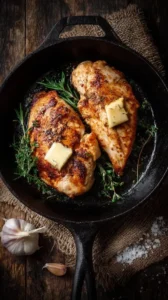

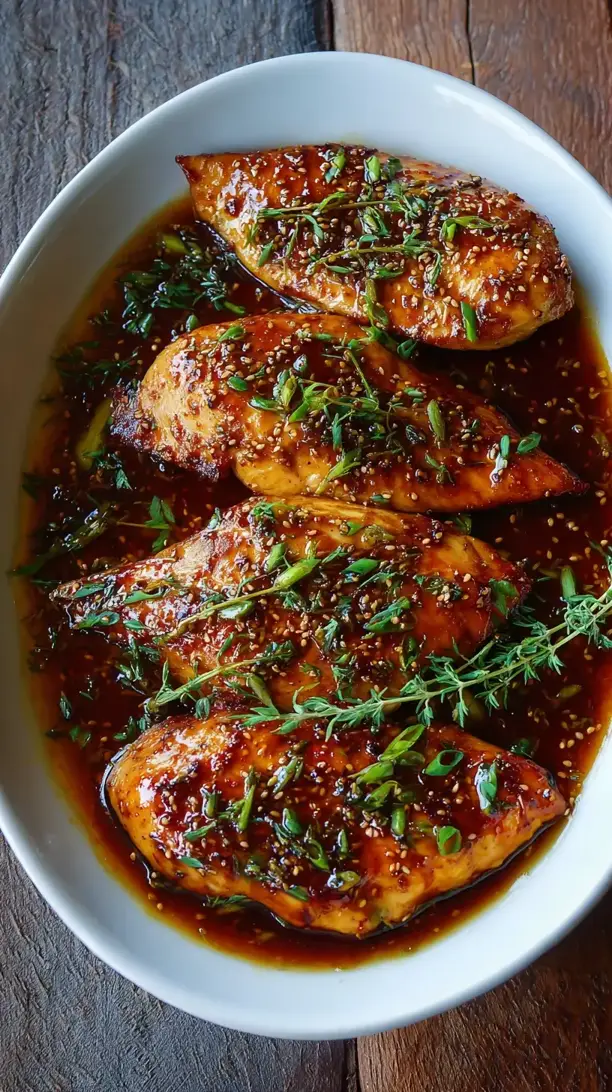
Glazed Chicken Breast
Make juicy, flavorful Glazed Chicken Breast in under 30 minutes. This easy one-pan recipe is perfect for a quick, impressive dinner. Get the recipe now!
Ingredients
For the Ingredients
-
2 boneless, skinless chicken breasts (about 150–180 g each)
-
2 tbsp olive oil
-
3 tbsp honey
-
2 tbsp soy sauce (or tamari for gluten-free)
-
1 tbsp balsamic vinegar
-
2 garlic cloves (minced)
-
1 tsp Dijon mustard
-
0.5 tsp smoked paprika
-
0.25 tsp black pepper
-
Pinch red pepper flakes (optional, for a little heat)
-
Fresh parsley or chives (chopped, for garnish)
Instructions
-
Start by prepping your chicken. Pat the breasts completely dry with paper towels—this is crucial for getting a good sear and helping the glaze stick. If they’re uneven, pound them as mentioned. Season both sides generously with the black pepper and smoked paprika. You’ll notice we’re not adding salt here because the soy sauce in the glaze is plenty salty.01
-
Whisk the glaze. In a small bowl, combine the honey, soy sauce, balsamic vinegar, minced garlic, Dijon mustard, and red pepper flakes (if using). Whisk it until it’s smooth and well-combined. You should see it thicken slightly as the mustard works its emulsifying magic. Set this aside near your stove.02
-
Sear the chicken. Heat the olive oil in your large skillet over medium-high heat. Once the oil is shimmering, carefully add the chicken breasts. They should sizzle the moment they hit the pan. Cook for 5-7 minutes without moving them, until you have a beautiful golden-brown crust on the first side. You’ll know it’s ready to flip when the edges look opaque.03
-
Flip and reduce the heat. Use tongs to turn the chicken over. Reduce the heat to medium. Now, pour about two-thirds of your prepared glaze over the chicken, reserving the rest for later. It will bubble and sizzle excitedly—that’s exactly what you want. Let it cook for another 5-6 minutes, occasionally spooning the bubbling glaze over the top.04
-
Check for doneness. Insert an instant-read thermometer into the thickest part of a breast. You’re aiming for 74°C. If you’re not there yet, you can lower the heat a touch and continue cooking for another minute or two, but be careful not to let the glaze burn.05
-
Rest and glaze. Once the chicken is cooked through, transfer it to a clean cutting board. Let it rest for at least 5 minutes—this is non-negotiable for juicy chicken! While it rests, you can pour the remaining fresh glaze over the top. It will gleam and soak in, adding an extra layer of flavor. Slice against the grain, garnish with fresh herbs, and serve immediately.06
Not what you're looking for?