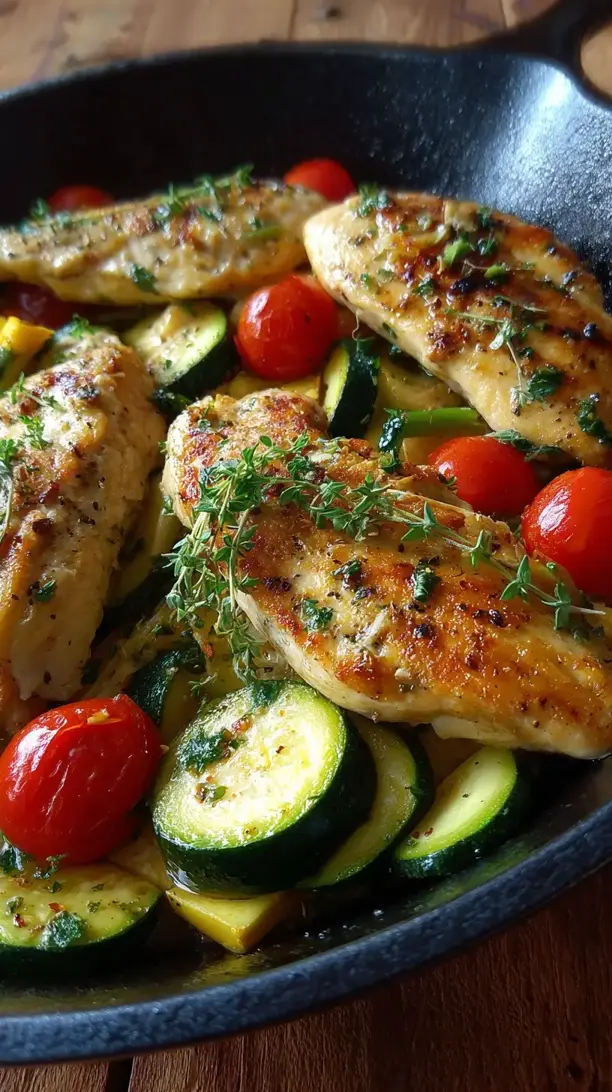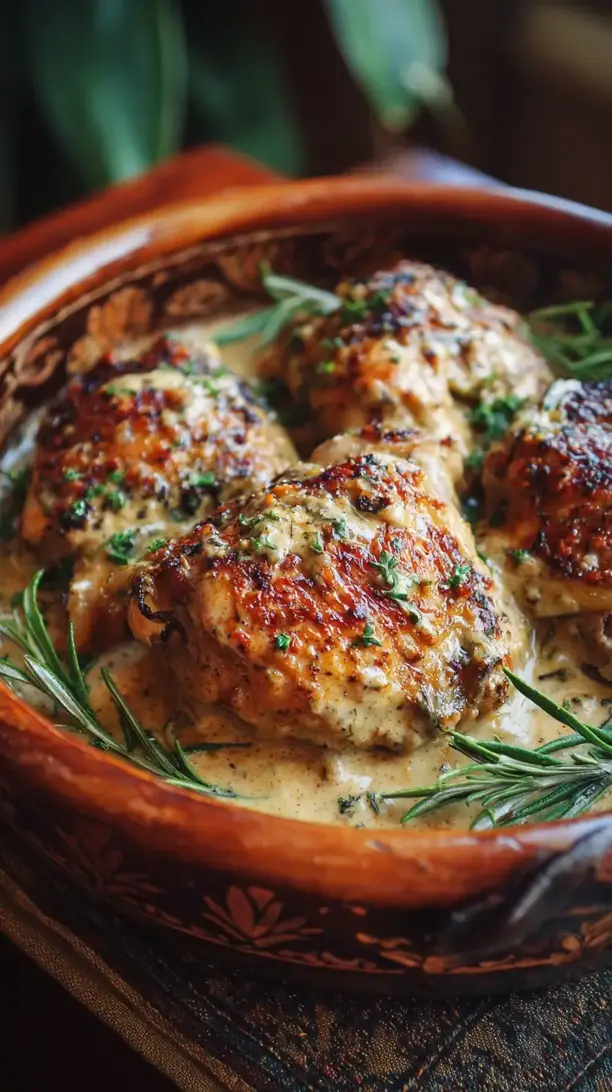
This skillet chicken breast recipe delivers juicy, golden-brown chicken with minimal cleanup. The simple spice rub and pan-searing method lock in moisture while creating a crispy exterior. Perfect for busy weeknights, this skillet chicken breast is both comforting and elegant.
Craving a delicious Skillet Chicken Breast? You've come to the right spot! From Chicken Breast Recipes favorites to amazing Dessert Recipes recipes, there's something here for everyone.



Why You’ll Love This Skillet Chicken Breast
- Juicy & never dry: Two-step cooking ensures moist, tender chicken every time.
- One-pan wonder: Everything cooks in a single skillet for easy cleanup.
- Versatile flavor: Customize the simple spice rub with your favorite herbs.
- Under 30 minutes: A quick, satisfying meal for busy nights.
Ingredients & Tools
- 2 boneless, skinless chicken breasts (about 1 lb or 450 g total)
- 1 tbsp olive oil
- 1 tsp smoked paprika
- 1 tsp garlic powder
- ½ tsp dried oregano
- ½ tsp onion powder
- ¼ tsp black pepper
- ½ tsp salt (or to taste)
- 2 cloves garlic, minced
- 2 tbsp unsalted butter
- ¼ cup chicken broth or white wine (optional, for deglazing)
- 1 tbsp fresh parsley, chopped (for garnish)
Tools: A large (10–12 inch) oven-safe skillet, tongs, instant-read thermometer, small bowl for mixing spices
Notes: Using quality chicken and fresh spices really makes a difference here—the better your ingredients, the more vibrant the final flavor. And don’t skip the butter; it adds a lovely richness to the pan sauce.
Nutrition (per serving)
| Calories: | 280 kcal |
| Protein: | 35 g |
| Fat: | 14 g |
| Carbs: | 2 g |
| Fiber: | 1 g |
Serves: 2 | Prep Time: 10 minutes | Cook Time: 15 minutes | Total Time: 25 minutes
Before You Start: Tips & Ingredient Notes
- Bring the chicken to room temperature. Letting it sit out for 15–20 minutes before cooking helps it cook more evenly, so you avoid a cold center and overcooked edges.
- Pound the thicker parts. If your chicken breasts are uneven, place them between plastic wrap and gently pound the thicker ends to an even ¾-inch thickness. This ensures they cook at the same rate.
- Use an instant-read thermometer. This is the most reliable way to check for doneness without cutting into the chicken and losing precious juices. You’re aiming for 165°F (74°C) at the thickest part.
- Don’t overcrowd the pan. If your skillet is too small, cook the chicken in batches. Crowding lowers the pan temperature and steams the chicken instead of searing it.
How to Make Skillet Chicken Breast
Step 1: Start by preparing the chicken. If your chicken breasts are uneven, place them between two sheets of plastic wrap and gently pound the thicker ends with a rolling pin or meat mallet until they’re an even thickness—about ¾ inch. Pat them completely dry with paper towels; this is crucial for getting a good sear. In a small bowl, mix together the smoked paprika, garlic powder, oregano, onion powder, salt, and black pepper. Rub this spice blend evenly over both sides of the chicken breasts, pressing gently so it adheres.
Step 2: Heat the olive oil in a large, oven-safe skillet over medium-high heat. You’ll know the pan is ready when the oil shimmers—if it smokes, it’s too hot. Carefully place the chicken breasts in the skillet, laying them away from you to avoid oil splatters. You should hear a nice sizzle right away. Sear the chicken without moving it for 5–7 minutes, until the bottom is golden-brown and releases easily from the pan. The edges will start to look opaque, and you’ll notice a rich, savory aroma filling your kitchen.
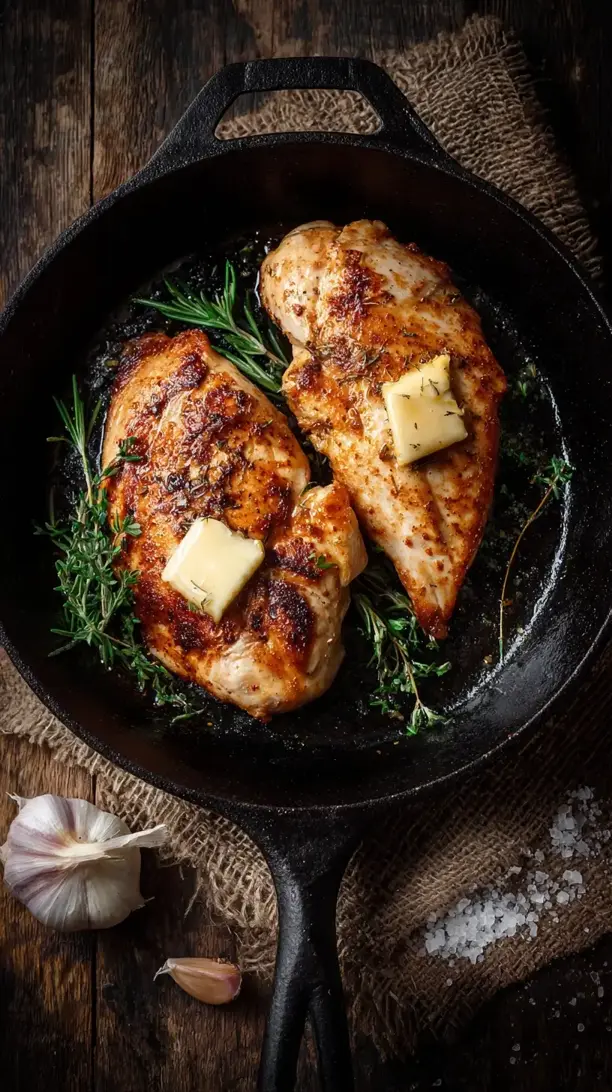
Step 3: Flip the chicken using tongs. It should have a beautiful crust—if it sticks, give it another minute. Reduce the heat to medium and add the butter and minced garlic to the skillet. As the butter melts, tilt the pan and spoon the garlic-infused butter over the chicken continuously for another 5–7 minutes. This basting technique adds incredible flavor and helps cook the top evenly. If you’re using wine or broth, pour it in now—it’ll sizzle and steam, lifting any browned bits from the pan and creating a simple pan sauce.
Step 4: Check for doneness with an instant-read thermometer inserted into the thickest part of the chicken—it should read 165°F (74°C). If you don’t have a thermometer, make a small cut; the juices should run clear, and the meat should be white throughout with no pink. Remove the chicken from the skillet and transfer it to a cutting board. Let it rest for at least 5 minutes—this allows the juices to redistribute, so each bite is succulent. While it rests, you can reduce the pan sauce slightly if desired.
Step 5: After resting, slice the chicken against the grain into ½-inch thick pieces. This makes it more tender and easier to eat. Arrange the slices on a serving platter, drizzle with any remaining pan sauce, and garnish with fresh parsley. Serve immediately while it’s warm and juicy. The chicken should be firm yet tender, with a well-seasoned crust and a moist interior—honestly, it’s a little piece of weeknight heaven.
Storage & Freshness Guide
- Fridge: Store cooled chicken in an airtight container for up to 3 days.
- Freezer: Freeze in a sealed bag for up to 3 months; thaw in fridge before reheating.
- Reviving: Reheat gently in a skillet with a splash of broth to retain moisture.
Serving Suggestions
Complementary Dishes
- Garlic mashed potatoes — The creamy, buttery potatoes soak up the pan sauce beautifully and add a comforting, hearty element to your plate.
- Roasted asparagus — Its slight crunch and earthy flavor balance the richness of the chicken, and it cooks in about the same time.
- Simple arugula salad — A light salad with lemon vinaigrette cuts through the dish’s richness and adds a fresh, peppery note.
Drinks
- Crisp Sauvignon Blanc — Its bright acidity and citrus notes complement the garlic and herbs without overpowering the chicken’s delicate flavor.
- Sparkling water with lemon — A non-alcoholic option that cleanses the palate between bites and keeps the meal feeling light and refreshing.
Something Sweet
- Lemon sorbet — The zesty, clean finish of sorbet is a lovely way to end the meal without feeling too heavy or overly sweet.
Top Mistakes to Avoid
- Mistake: Not drying the chicken before seasoning. Any moisture on the surface will create steam, preventing that golden-brown crust from forming. Always pat it dry thoroughly.
- Mistake: Moving the chicken too soon. Let it sear undisturbed for the first 5–7 minutes—this builds a flavorful crust and helps it release naturally from the pan.
- Mistake: Skipping the rest time. Cutting into the chicken immediately causes the juices to run out, leaving you with drier meat. Patience pays off here.
- Mistake: Overcooking the chicken. Chicken breasts cook quickly and can go from juicy to dry in just a minute or two. Use a thermometer to avoid guesswork.
Expert Tips
- Tip: Brine the chicken for extra juiciness. Soak the chicken in a saltwater solution (1 tbsp salt per cup of water) for 30 minutes before cooking. This helps the meat retain moisture, resulting in a more tender bite.
- Tip: Finish with a squeeze of lemon. A bit of fresh lemon juice added at the end brightens all the flavors and cuts through the richness of the butter—it’s a game-changer.
- Tip: Use the pan drippings for a quick sauce. After removing the chicken, add a splash of broth or cream to the skillet, scrape up the browned bits, and simmer until slightly thickened. Drizzle over the chicken before serving.
- Tip: Let the spice rub sit. If you have time, season the chicken 15–30 minutes ahead. This allows the salt to penetrate deeper, enhancing the overall flavor from the inside out.
FAQs
Can I use chicken thighs instead of breasts?
Absolutely! Chicken thighs are more forgiving and stay juicy even if slightly overcooked. Adjust the cooking time—thighs may need a few extra minutes since they’re often thicker and have more connective tissue. Just make sure they reach an internal temperature of 165°F. The richer flavor of thighs pairs wonderfully with the spice rub, though you might want to reduce the butter slightly as thighs render their own fat.
How do I store and reheat leftovers?
Store cooled chicken in an airtight container in the fridge for up to 3 days. To reheat, place it in a skillet over low heat with a splash of broth or water, covered, until warmed through. Avoid microwaving, which can make the chicken rubbery. You can also slice it cold and add to salads or wraps for a quick lunch—it’s really versatile.
What if I don’t have an oven-safe skillet?
No problem! After searing the first side, flip the chicken, reduce the heat to low, cover the skillet with a lid, and cook until done. The lid traps steam, so the top cooks through. It might not get as golden, but it’ll still be delicious. Just keep an eye on the temperature to avoid overcooking.
Can I make this recipe ahead?
You can mix the spice rub and prep the chicken (dry and season) up to a day in advance, keeping it covered in the fridge. Let it come to room temperature before cooking. I don’t recommend fully cooking it ahead, as reheating can dry it out. The beauty of this recipe is how quickly it comes together fresh.
Why is my chicken sticking to the pan?
It’s likely one of two things: the pan wasn’t hot enough when you added the chicken, or you tried to move it too early. Make sure the oil is shimmering before adding the chicken, and let it sear undisturbed until it releases naturally. A well-seasoned cast-iron or non-stick skillet also helps—and don’t forget to pat the chicken dry first!


Skillet Chicken Breast
Learn how to make juicy, golden-brown Skillet Chicken Breast in under 30 minutes. Perfect for a quick, delicious weeknight meal. Get the easy recipe now!
Ingredients
For the Ingredients
-
2 boneless, skinless chicken breasts (about 1 lb or 450 g total)
-
1 tbsp olive oil
-
1 tsp smoked paprika
-
1 tsp garlic powder
-
½ tsp dried oregano
-
½ tsp onion powder
-
¼ tsp black pepper
-
½ tsp salt (or to taste)
-
2 cloves garlic (minced)
-
2 tbsp unsalted butter
-
¼ cup chicken broth or white wine (optional, for deglazing)
-
1 tbsp fresh parsley (chopped, for garnish)
Instructions
-
Start by preparing the chicken. If your chicken breasts are uneven, place them between two sheets of plastic wrap and gently pound the thicker ends with a rolling pin or meat mallet until they’re an even thickness—about ¾ inch. Pat them completely dry with paper towels; this is crucial for getting a good sear. In a small bowl, mix together the smoked paprika, garlic powder, oregano, onion powder, salt, and black pepper. Rub this spice blend evenly over both sides of the chicken breasts, pressing gently so it adheres.01
-
Heat the olive oil in a large, oven-safe skillet over medium-high heat. You’ll know the pan is ready when the oil shimmers—if it smokes, it’s too hot. Carefully place the chicken breasts in the skillet, laying them away from you to avoid oil splatters. You should hear a nice sizzle right away. Sear the chicken without moving it for 5–7 minutes, until the bottom is golden-brown and releases easily from the pan. The edges will start to look opaque, and you’ll notice a rich, savory aroma filling your kitchen.02
-
Flip the chicken using tongs. It should have a beautiful crust—if it sticks, give it another minute. Reduce the heat to medium and add the butter and minced garlic to the skillet. As the butter melts, tilt the pan and spoon the garlic-infused butter over the chicken continuously for another 5–7 minutes. This basting technique adds incredible flavor and helps cook the top evenly. If you’re using wine or broth, pour it in now—it’ll sizzle and steam, lifting any browned bits from the pan and creating a simple pan sauce.03
-
Check for doneness with an instant-read thermometer inserted into the thickest part of the chicken—it should read 165°F (74°C). If you don’t have a thermometer, make a small cut; the juices should run clear, and the meat should be white throughout with no pink. Remove the chicken from the skillet and transfer it to a cutting board. Let it rest for at least 5 minutes—this allows the juices to redistribute, so each bite is succulent. While it rests, you can reduce the pan sauce slightly if desired.04
-
After resting, slice the chicken against the grain into ½-inch thick pieces. This makes it more tender and easier to eat. Arrange the slices on a serving platter, drizzle with any remaining pan sauce, and garnish with fresh parsley. Serve immediately while it’s warm and juicy. The chicken should be firm yet tender, with a well-seasoned crust and a moist interior—honestly, it’s a little piece of weeknight heaven.05
Not what you're looking for?