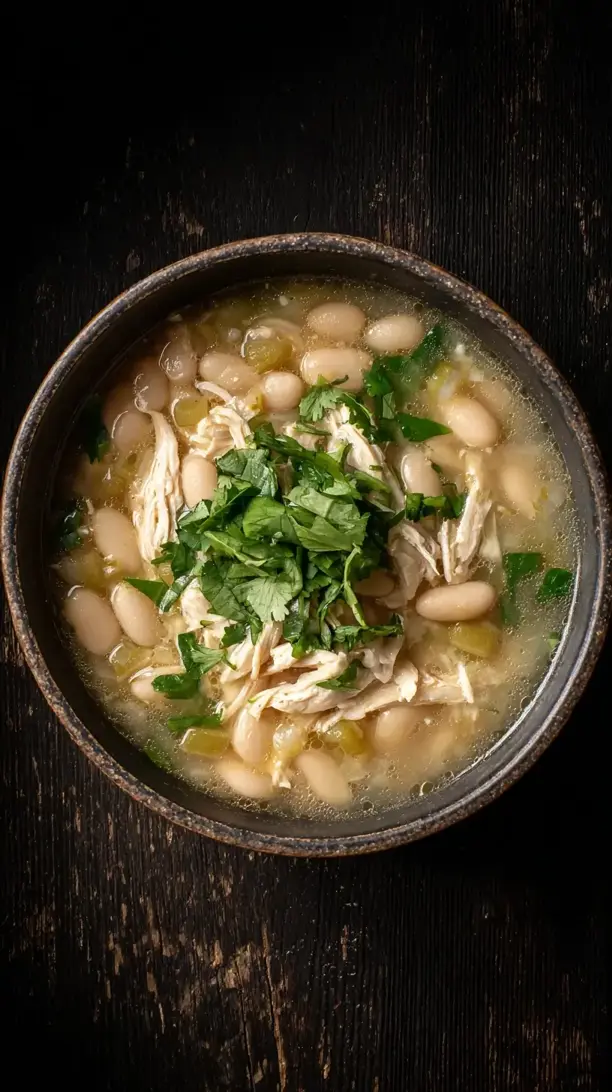
This Caesar Chicken transforms the classic salad into a satisfying main course. Juicy chicken breasts are marinated in creamy, garlicky Caesar flavors, then seared and roasted to perfection. It’s a simple yet impressive meal that delivers restaurant-quality taste at home.
Nothing beats a great Caesar Chicken. Whether you're a fan of Chicken Recipes or want to try something from our Burgers selection, keep scrolling!
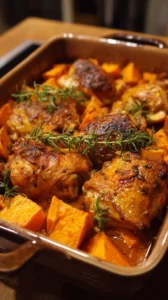

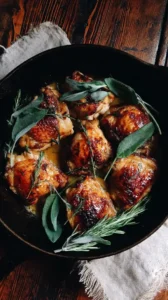
Why You’ll Love This Caesar Chicken
- Flavor bomb: Every bite is packed with savory, garlicky, umami notes.
- Simple to master: Just marinate, sear, and finish in the oven.
- Perfect texture: Juicy inside with a crispy, golden crust.
- Versatile serving: Great on salads, with potatoes, or in sandwiches.
Ingredients & Tools
- 4 boneless, skinless chicken breasts (about 150-180g each)
- 60 ml extra virgin olive oil
- 60 ml mayonnaise (full-fat for best flavor)
- 1 large egg yolk
- 4-5 anchovy fillets, finely minced
- 2 cloves garlic, finely grated or minced
- 1 tbsp Dijon mustard
- 1 tbsp Worcestershire sauce
- Juice of 1/2 lemon
- 50 g freshly grated Parmesan cheese, plus more for serving
- 1 tsp freshly cracked black pepper
- 1/2 tsp kosher salt
Tools: A large bowl for marinating, a sturdy oven-safe skillet (cast iron is perfect), tongs, a microplane or fine grater for the garlic and Parmesan, and an instant-read thermometer.
Notes: Don’t skip the anchovies—they add deep umami flavor. Grate your own Parmesan for best melting and texture.
Nutrition (per serving)
| Calories: | 415 kcal |
| Protein: | 38 g |
| Fat: | 27 g |
| Carbs: | 3 g |
| Fiber: | 0.5 g |
Serves: 4 | Prep Time: 15 minutes (plus 30 minutes marinating) | Cook Time: 20 minutes | Total Time: 35 minutes (active)
Before You Start: Tips & Ingredient Notes
- Pound your chicken breasts. This is a non-negotiable step for even cooking. Place the breasts between two pieces of plastic wrap and gently pound them to an even 2 cm thickness. This prevents the thin ends from drying out while the thick center cooks through.
- Embrace the anchovy. I know, I know. But hear me out. You won’t taste “fish.” Instead, the anchovies dissolve into the marinade, providing a profound, salty, umami depth that is the very soul of a true Caesar flavor. It’s what makes this dish taste restaurant-quality.
- Freshly grated is best. This applies to both the garlic and the Parmesan. Pre-minced garlic in jars can have a harsh, bitter flavor, and pre-grated cheese contains anti-caking agents that prevent it from melting smoothly into your marinade. A little extra effort here makes a world of difference.
- Don’t rush the marinade. Even 30 minutes will impart significant flavor, but if you have the time, letting the chicken marinate for up to 4 hours in the fridge will make it even more tender and flavorful. Just don’t go much longer, as the acid in the lemon juice can start to toughen the protein.
How to Make Caesar Chicken
Step 1: Create the Flavor-Packed Marinade. In a medium-sized bowl, whisk together the olive oil, mayonnaise, egg yolk, minced anchovies, grated garlic, Dijon mustard, Worcestershire sauce, and lemon juice. Keep whisking until the mixture is smooth and emulsified—you’ll notice it thicken slightly and become homogenous. Then, stir in the freshly grated Parmesan cheese and the black pepper. The salt is added separately to the chicken to ensure even distribution and to prevent over-salting the marinade.
Step 2: Prep and Marinate the Chicken. Take your chicken breasts and pat them completely dry with paper towels. This is crucial for getting a good sear later. Season both sides of each breast evenly with the kosher salt. Now, place the chicken in a large resealable bag or a shallow dish and pour about two-thirds of the marinade over them. Reserve the remaining third for serving later. Massage the bag or turn the chicken in the dish to ensure every inch is coated. Seal the bag or cover the dish and refrigerate for at least 30 minutes, or up to 4 hours.
Step 3: Sear to Perfection. Preheat your oven to 200°C (400°F). Take your oven-safe skillet and place it over medium-high heat. You want it to get properly hot. Add a tablespoon of olive oil to the pan. Once the oil is shimmering, carefully add the chicken breasts, shaking off any excess marinade. You should hear a satisfying sizzle. Sear them for about 4-5 minutes, without moving them, until a beautiful golden-brown crust forms on the bottom. The edges will start to look opaque.
Step 4: Finish in the Oven. Using tongs, flip each chicken breast. Immediately transfer the entire skillet to the preheated oven. This method ensures the chicken cooks through gently and evenly without burning the exterior. Roast for 10-15 minutes, or until the internal temperature at the thickest part reaches 74°C (165°F) on an instant-read thermometer. The chicken should feel firm to the touch, and the juices should run clear.
Step 5: Rest and Serve. Remove the skillet from the oven—remember, the handle is extremely hot! Transfer the chicken to a clean cutting board and let it rest for at least 5 minutes. This is a critical step that allows the juices to redistribute throughout the meat, guaranteeing a moist result. While it rests, you can gently warm the reserved marinade (if desired) to serve as a sauce, or use it as is. Slice the chicken against the grain and serve immediately with that extra sauce drizzled over the top and an extra sprinkle of Parmesan.
Storage & Freshness Guide
- Fridge: Store leftovers in an airtight container for 3–4 days.
- Freezer: Freeze cooked chicken in a sealed bag for up to 3 months.
- Reviving: Reheat gently in a 350°F oven until warmed through.
Serving Suggestions
Complementary Dishes
- A classic Caesar salad — It’s the most obvious pairing for a reason. The cool, crisp romaine lettuce provides a refreshing contrast to the warm, savory chicken. Toss it with a sharp, tangy dressing and plenty of homemade croutons.
- Garlic herb roasted potatoes — The crispy, fluffy potatoes are a fantastic vehicle for soaking up any extra sauce from the chicken. Their earthy flavor complements the robust Caesar profile beautifully.
- Simple roasted asparagus — A bright, green vegetable side helps balance the richness of the dish. Toss the asparagus in a little olive oil, salt, and pepper and roast it alongside the chicken during the last 10-12 minutes of cooking.
Drinks
- A crisp, chilled Chardonnay — A white wine with a bit of body and a hint of oak can stand up to the bold, garlicky, and creamy flavors of the chicken without being overwhelmed.
- A classic Gin & Tonic — The botanical notes from the gin and the refreshing bitterness of the tonic water provide a clean, palate-cleansing counterpoint to the dish’s richness.
- Sparkling water with lemon — For a non-alcoholic option, the bubbles and citrus cut through the richness perfectly, leaving your palate feeling refreshed and ready for the next bite.
Something Sweet
- Lemon sorbet — The ultimate palate cleanser. Its bright, sharp citrus flavor is the perfect, light finish after a savory and umami-rich meal like this one.
- Dark chocolate espresso beans — Just a few of these provide a bitter, sophisticated, and not-too-sweet ending. The coffee notes are a wonderful companion to the deep flavors of the chicken.
- Almond biscotti — A crunchy, not-too-sweet cookie that you can dip into a small glass of Vin Santo or dessert wine for a truly classic Italian finish.
Top Mistakes to Avoid
- Mistake: Skipping the pounding step. Uneven chicken leads to a frustrating result where some parts are perfectly cooked while others are dry and overcooked. Taking one minute to pound them ensures a professional, juicy outcome every single time.
- Mistake: Moving the chicken too soon in the pan. That initial sear is what creates the flavorful crust. If you try to move or flip the chicken before it’s ready, it will stick to the pan and tear, and you’ll lose that beautiful browning. Wait for the crust to form naturally.
- Mistake: Skipping the rest time. I’ve messed this up before too, in a hurry to get food on the table. Slicing into the chicken immediately after it comes out of the oven will cause all the precious juices to spill out onto the cutting board, leaving you with a drier result. Patience is a virtue here.
- Mistake: Overcooking the chicken. This is the cardinal sin of cooking chicken breasts. Rely on your thermometer, not a timer. Once it hits 74°C (165°F), it’s done. The residual heat will carry it over a few more degrees as it rests.
Expert Tips
- Tip: Use the marinade as a finishing sauce. By reserving a portion of the marinade that hasn’t touched the raw chicken, you create a fantastic, no-cook sauce to drizzle over the finished dish. It amplifies the Caesar flavor and adds a lovely creamy element.
- Tip: Get your pan screaming hot. To achieve a professional-level sear, make sure your skillet is properly preheated. A good test is to flick a few drops of water into the pan—if they sizzle and evaporate instantly, you’re good to go. This prevents the chicken from steaming and ensures a crisp exterior.
- Tip: Let the chicken come to room temperature. Take the marinated chicken out of the fridge about 20 minutes before you plan to cook it. This helps it cook more evenly, so the outside isn’t overdone by the time the cold center cooks through.
- Tip: Add a splash of pasta water if needed. If your reserved sauce seems a little too thick when you go to serve it, whisk in a teaspoon of warm water at a time until it reaches a lovely, drizzling consistency. It’s a simple pro-hack for perfect saucing.
FAQs
Can I make this Caesar Chicken without anchovies?
You can, but you’ll be missing that deep, savory, umami backbone that defines a true Caesar flavor. If you absolutely must, you can try substituting with an extra teaspoon of Worcestershire sauce and maybe a tiny dash of soy sauce for saltiness, but it won’t be quite the same. I really encourage you to try it with the anchovies at least once—you might be pleasantly surprised!
How long can I store the leftovers?
Leftover cooked Caesar Chicken will keep in an airtight container in the refrigerator for up to 3-4 days. It reheats beautifully! The best way is to warm it gently in a 175°C (350°F) oven for about 10 minutes, or until heated through. You can also slice it cold and add it to salads or sandwiches for a fantastic next-day lunch.
Can I use chicken thighs instead of breasts?
Absolutely! Bone-in, skin-on thighs would be delicious. You’d follow the same marinating process, but the cooking time will be longer. Start by searing the thighs skin-side down to render the fat and crisp the skin, then flip and finish in the oven until the internal temperature reaches 82°C (180°F) for fall-off-the-bone tenderness.
Is it safe to use the marinade as a sauce?
Only the portion you reserved before it touched the raw chicken is safe to use as a no-cook sauce. The marinade that the raw chicken sat in must be discarded due to the risk of cross-contamination from raw poultry juices. Never reuse a marinade that has been in contact with raw meat without cooking it thoroughly first.
My marinade seems too thick. Is that normal?
Yes, that’s perfectly normal! The mayonnaise and Parmesan cheese create a thick, paste-like consistency that clings wonderfully to the chicken, creating a flavorful crust. If it’s so thick it’s difficult to spread, you can thin it out with another tablespoon of olive oil or a squeeze of lemon juice.


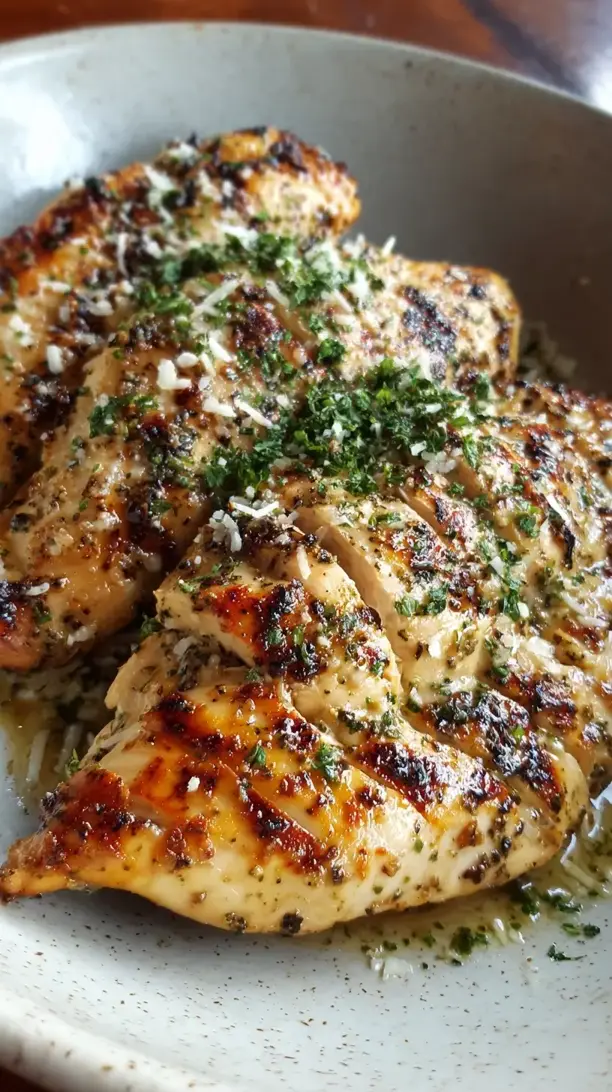
Caesar Chicken
Make the best Caesar Chicken with this easy recipe. Juicy, flavorful, and perfect for any night. Get the simple steps for a restaurant-quality meal at home!
Ingredients
For the marinade and chicken:
-
4 boneless, skinless chicken breasts (about 150-180g each)
-
60 ml extra virgin olive oil
-
60 ml mayonnaise (full-fat for best flavor)
-
1 large egg yolk
-
4-5 anchovy fillets (finely minced)
-
2 cloves garlic (finely grated or minced)
-
1 tbsp Dijon mustard
-
1 tbsp Worcestershire sauce
-
1/2 lemon (juice of)
-
50 g freshly grated Parmesan cheese (plus more for serving)
-
1 tsp freshly cracked black pepper
-
1/2 tsp kosher salt
Instructions
-
In a medium-sized bowl, whisk together the olive oil, mayonnaise, egg yolk, minced anchovies, grated garlic, Dijon mustard, Worcestershire sauce, and lemon juice. Keep whisking until the mixture is smooth and emulsified—you’ll notice it thicken slightly and become homogenous. Then, stir in the freshly grated Parmesan cheese and the black pepper. The salt is added separately to the chicken to ensure even distribution and to prevent over-salting the marinade.01
-
Take your chicken breasts and pat them completely dry with paper towels. This is crucial for getting a good sear later. Season both sides of each breast evenly with the kosher salt. Now, place the chicken in a large resealable bag or a shallow dish and pour about two-thirds of the marinade over them. Reserve the remaining third for serving later. Massage the bag or turn the chicken in the dish to ensure every inch is coated. Seal the bag or cover the dish and refrigerate for at least 30 minutes, or up to 4 hours.02
-
Preheat your oven to 200°C (400°F). Take your oven-safe skillet and place it over medium-high heat. You want it to get properly hot. Add a tablespoon of olive oil to the pan. Once the oil is shimmering, carefully add the chicken breasts, shaking off any excess marinade. You should hear a satisfying sizzle. Sear them for about 4-5 minutes, without moving them, until a beautiful golden-brown crust forms on the bottom. The edges will start to look opaque.03
-
Using tongs, flip each chicken breast. Immediately transfer the entire skillet to the preheated oven. This method ensures the chicken cooks through gently and evenly without burning the exterior. Roast for 10-15 minutes, or until the internal temperature at the thickest part reaches 74°C (165°F) on an instant-read thermometer. The chicken should feel firm to the touch, and the juices should run clear.04
-
Remove the skillet from the oven—remember, the handle is extremely hot! Transfer the chicken to a clean cutting board and let it rest for at least 5 minutes. This is a critical step that allows the juices to redistribute throughout the meat, guaranteeing a moist result. While it rests, you can gently warm the reserved marinade (if desired) to serve as a sauce, or use it as is. Slice the chicken against the grain and serve immediately with that extra sauce drizzled over the top and an extra sprinkle of Parmesan.05
Not what you're looking for?