
Chicken Thigh Rendang is a rich, slow-cooked curry that fills your kitchen with incredible aroma. This deeply satisfying dish rewards patience with impossibly tender chicken and a thick, complex sauce. Once you try this Chicken Thigh Rendang, you’ll understand why it’s considered one of the world’s most delicious foods.
Nothing beats a great Chicken Thigh Rendang. Whether you're a fan of Chicken Thigh Recipes or want to try something from our Chicken Breast Recipes selection, keep scrolling!


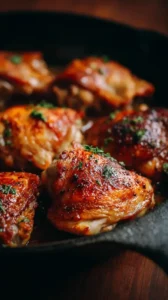
Why You’ll Love This Chicken Thigh Rendang
- Deep complex flavor: Slow simmering melds spices into an aromatic, rich sauce.
- Incredibly tender chicken: Thighs stay juicy and absorb all the wonderful flavors.
- Rewarding cooking experience: A project that delivers a real sense of accomplishment.
- Perfect for making ahead: Flavors deepen overnight for even better meals.
Ingredients & Tools
- 1 kg chicken thighs, skin-on and bone-in
- 400 ml coconut milk
- 100 ml thick coconut cream
- 2 lemongrass stalks, bruised
- 4 kaffir lime leaves, torn
- 1 large turmeric leaf, torn (optional, but lovely)
- 2 tsp tamarind paste
- 1 tbsp palm sugar, grated
- 1 tsp salt, or to taste
- 3 tbsp desiccated coconut, toasted
For the Spice Paste (Bumbu):
- 8 shallots, peeled
- 5 garlic cloves
- 3 cm fresh ginger, peeled
- 3 cm fresh galangal, peeled
- 4 red chilies, deseeded if you prefer less heat
- 5 dried chilies, rehydrated
- 1 tsp shrimp paste (belacan), toasted
- 1 tsp coriander seeds, toasted
- 1/2 tsp cumin seeds, toasted
Notes: The quality of your spice paste is everything here—toasting the whole spices and using fresh aromatics like galangal and lemongrass makes a world of difference. Don’t skip the toasting step; it unlocks their essential oils and gives the rendang its signature depth.
Tools: A large, heavy-bottomed pot or wok, a blender or food processor, and a sturdy spatula.
Nutrition (per serving)
| Calories: | 485 kcal |
| Protein: | 35 g |
| Fat: | 36 g |
| Carbs: | 10 g |
| Fiber: | 2 g |
Serves: 4 | Prep Time: 30 minutes | Cook Time: 2 hours | Total Time: 2 hours 30 minutes
Before You Start: Tips & Ingredient Notes
- Why bone-in, skin-on chicken thighs? The bones and skin add an incredible amount of flavor and richness to the sauce as it cooks. The skin also helps protect the meat from drying out during the long simmer.
- Can I use a store-bought paste? You can, but honestly, the flavor won’t be nearly as vibrant or complex. Taking the extra 15 minutes to make your own paste from scratch is the single biggest factor in an amazing rendang.
- Don’t rush the toasting. When you toast the desiccated coconut and the whole spices, you’re looking for a deep golden brown, not just a light tan. This nutty, toasted flavor is a cornerstone of the dish.
- Embrace the slow cook. Rendang is not a fast food. The magic happens when the sauce slowly reduces and the oil separates, frying the chicken and spices in the coconut fat. Patience is your best ingredient.
How to Make Chicken Thigh Rendang
Step 1: Prepare the Spice Paste. Start by toasting your coriander and cumin seeds in a dry pan over medium heat until they are fragrant and slightly darkened—this should only take a minute or two. Be careful not to burn them! Add the toasted seeds to your blender along with the shallots, garlic, ginger, galangal, fresh and dried chilies, and the toasted shrimp paste. Blend everything into a smooth, vibrant paste, adding a splash of water if needed to get the blades moving. You’ll notice the aroma is already incredible.
Step 2: Toast the Coconut. In the same dry pan, toast the desiccated coconut over medium-low heat, stirring constantly. You’re aiming for a uniform, deep golden brown color. It can go from perfectly toasted to burnt in seconds, so stay with it! Once it’s beautifully colored and smells nutty, transfer it to a plate to cool completely. This will be added later to thicken the sauce.
Step 3: Fry the Paste. In your large, heavy-bottomed pot, add about half of the thick coconut cream. Let it cook over medium heat until the oil starts to separate and sizzle. Now, add your freshly made spice paste. Fry this paste for a good 8-10 minutes, stirring almost constantly, until it becomes incredibly fragrant and has darkened in color. The oil will likely separate around the edges—this is exactly what you want!
Step 4: Cook the Chicken. Add the chicken thighs to the pot, skin-side down first. Let them sear for 2-3 minutes to render some of the fat and get a little color. Then, pour in the rest of the coconut milk and the remaining coconut cream. Add the bruised lemongrass stalks, torn kaffir lime leaves, and turmeric leaf if using. Stir in the tamarind paste, palm sugar, and salt. Bring everything to a very gentle simmer.
Step 5: The Long Simmer. Once simmering, reduce the heat to low. Partially cover the pot and let it cook gently for about 1.5 to 2 hours. You’ll want to stir it every 15-20 minutes, especially as it thickens. In the last 30 minutes of cooking, stir in the toasted coconut. The sauce will slowly reduce, darken, and thicken until it’s mostly oil and spice paste clinging to the chicken. The chicken should be fork-tender and practically falling off the bone.
Step 6: The Final Fry. This is the final transformation. Once most of the liquid has evaporated, you’ll see the coconut oil glistening. Increase the heat to medium and stir-fry the chicken and paste for another 5-10 minutes. This “frying” stage is crucial—it intensifies the flavors and gives the rendang its characteristic dark color and dry-ish appearance. You’re done when the chicken is coated in a thick, dark, and glossy paste.
Storage & Freshness Guide
- Fridge: Store in an airtight container for up to 4 days.
- Freezer: Freeze for up to 3 months; thaw overnight in refrigerator.
- Reviving: Reheat gently in a pan, adding a splash of water if needed.
Serving Suggestions
Complementary Dishes
- Steamed Jasmine Rice — The fluffy, slightly sticky rice is the perfect neutral canvas to soak up every last bit of the rich, complex rendang sauce.
- Simple Cucumber Salad — A quick salad of sliced cucumber, red onion, and a tangy lime dressing provides a crisp, refreshing contrast to the deep, spicy flavors of the rendang.
- Stir-fried Water Spinach (Kangkung Belacan) — The sharp, savory, and slightly funky flavor of this classic Malaysian stir-fried green is a fantastic flavor pairing that cuts through the richness.
Drinks
- Iced Lemongrass Tea — Its subtle, citrusy, and herbal notes are incredibly soothing and help balance the spice and richness of the meal perfectly.
- Light-bodied Red Wine — A cool, fruity Gamay or a Pinot Noir can work surprisingly well, as their bright acidity and red fruit notes complement the complex spices without overpowering them.
Something Sweet
- Mango Sticky Rice — The sweet, creamy coconut flavor of this beloved dessert echoes the rendang’s core ingredient while providing a lovely, cool, and sweet finish to the meal.
- Pandan Coconut Custard (Kuih Seri Muka) — This two-layered steamed cake with its fragrant pandan top and creamy coconut bottom is a traditional and delightful way to end a Southeast Asian feast.
Top Mistakes to Avoid
- Mistake: Cooking on too high a heat. Rendang is a low-and-slow affair. If you rush it with high heat, the coconut milk will likely split in an unpleasant way, and the outside of the chicken will toughen before the inside is tender.
- Mistake: Not frying the spice paste long enough. This step, called “tumis,” is non-negotiable. It cooks out the raw taste of the shallots and garlic and deepens the flavor of the entire dish. A pale, under-fried paste will result in a flat-tasting rendang.
- Mistake: Adding the toasted coconut too early. If you add the toasted coconut at the beginning, it will dissolve completely and lose its textural contribution. Adding it in the last 30 minutes allows it to thicken the sauce while still providing a subtle, nutty bite.
- Mistake: Skipping the final fry. That last stage of stir-frying in the rendered oil is what gives rendang its signature dark color and concentrated flavor. Stopping while the sauce is still wet and gravy-like means you’ve made a curry, not a rendang.
Expert Tips
- Tip: Bruise your lemongrass properly. Don’t just toss it in whole. Give it a few good whacks with the back of your knife to break the fibers. This releases all of its incredible citrusy oils directly into the sauce.
- Tip: Make a double batch of the spice paste. It freezes beautifully for up to 3 months. Having a block of homemade paste in the freezer means you’re halfway to rendang on any given weeknight.
- Tip: Let it rest. Rendang tastes even better the next day. The flavors have more time to meld and mature. Make it a day ahead for a truly sublime eating experience.
- Tip: Use a splatter screen. During the final frying stage, the thick paste can bubble and spit hot oil. A splatter screen will keep your stovetop clean and save you from a few painful burns.
FAQs
Can I use chicken breast instead of thighs?
You can, but I really wouldn’t recommend it. Chicken breast lacks the fat and connective tissue that thighs have, which means it will almost certainly become dry and stringy during the long cooking process. The beauty of rendang is the fall-apart tenderness of the meat, which thigh and leg cuts are designed for. If you must use breast, add it in the last 20-30 minutes of simmering to minimize overcooking.
My rendang is too spicy! How can I fix it?
Oh, that heat can sneak up on you! The best way to balance excessive spice is with fat and sweetness. Stir in an extra tablespoon or two of coconut cream or a bit more grated palm sugar. Serving it with plenty of plain steamed rice and a cooling side dish like that cucumber salad will also help tame the fire on your palate.
How long does leftover rendang keep?
It keeps wonderfully! Store it in an airtight container in the refrigerator for up to 4 days. In fact, many purists argue it’s at its best on day two or three. You can also freeze it for up to 3 months. Just thaw it overnight in the fridge and reheat it gently in a pan, adding a tiny splash of water if needed.
Why is my rendang sauce not turning dark?
The dark color comes from two things: the long, slow caramelization of the spices and coconut milk, and the final frying stage. If your sauce is still pale, you likely need to cook it for longer to allow more reduction and caramelization to occur. Be patient—the color will deepen beautifully in the last 30-45 minutes of cooking.
What’s the difference between rendang and a regular curry?
The main difference is in the sauce consistency. A curry has a significant amount of liquid sauce or gravy. Rendang, however, is cooked until almost all of the liquid evaporates, and the meat is then fried in the remaining coconut oil and thick spice paste. This process gives rendang a much drier, more concentrated, and intensely flavorful coating compared to a wet curry.

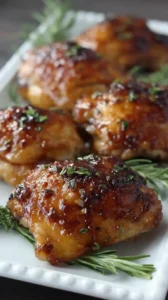

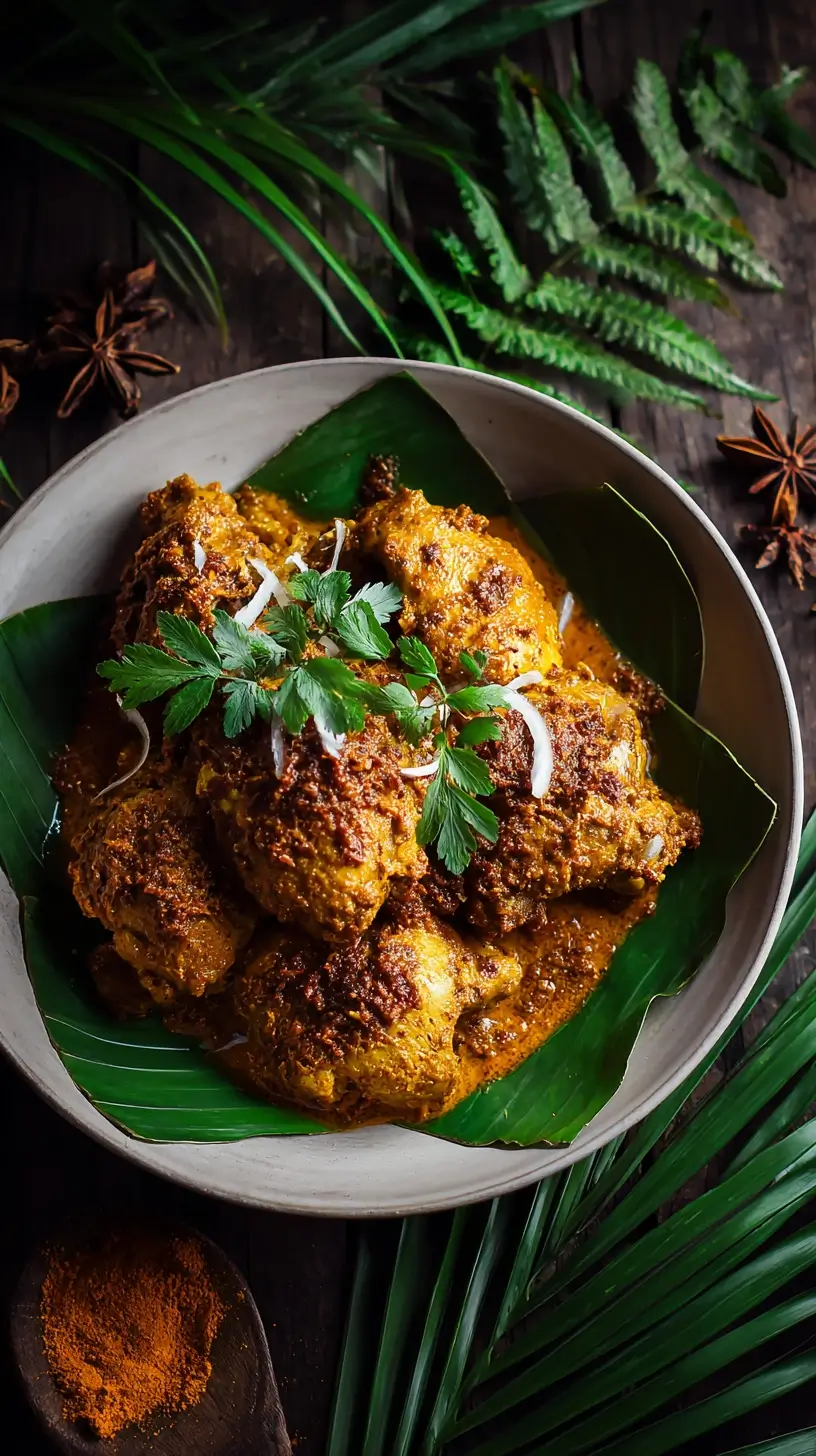
Chicken Thigh Rendang
Learn to make authentic Chicken Thigh Rendang with this step-by-step recipe. Get tender, flavorful results with our expert tips. Cook this Malaysian classic today!
Ingredients
For the main ingredients:
-
1 kg chicken thighs (skin-on and bone-in)
-
400 ml coconut milk
-
100 ml thick coconut cream
-
2 lemongrass stalks (bruised)
-
4 kaffir lime leaves (torn)
-
1 large turmeric leaf (torn (optional, but lovely))
-
2 tsp tamarind paste
-
1 tbsp palm sugar (grated)
-
1 tsp salt (or to taste)
-
3 tbsp desiccated coconut (toasted)
For the Spice Paste (Bumbu):
-
8 shallots (peeled)
-
5 garlic cloves
-
3 cm fresh ginger (peeled)
-
3 cm fresh galangal (peeled)
-
4 red chilies (deseeded if you prefer less heat)
-
5 dried chilies (rehydrated)
-
1 tsp shrimp paste (belacan) (toasted)
-
1 tsp coriander seeds (toasted)
-
0.5 tsp cumin seeds (toasted)
Instructions
-
Start by toasting your coriander and cumin seeds in a dry pan over medium heat until they are fragrant and slightly darkened—this should only take a minute or two. Be careful not to burn them! Add the toasted seeds to your blender along with the shallots, garlic, ginger, galangal, fresh and dried chilies, and the toasted shrimp paste. Blend everything into a smooth, vibrant paste, adding a splash of water if needed to get the blades moving. You’ll notice the aroma is already incredible.01
-
In the same dry pan, toast the desiccated coconut over medium-low heat, stirring constantly. You’re aiming for a uniform, deep golden brown color. It can go from perfectly toasted to burnt in seconds, so stay with it! Once it’s beautifully colored and smells nutty, transfer it to a plate to cool completely. This will be added later to thicken the sauce.02
-
In your large, heavy-bottomed pot, add about half of the thick coconut cream. Let it cook over medium heat until the oil starts to separate and sizzle. Now, add your freshly made spice paste. Fry this paste for a good 8–10 minutes, stirring almost constantly, until it becomes incredibly fragrant and has darkened in color. The oil will likely separate around the edges—this is exactly what you want!03
-
Add the chicken thighs to the pot, skin-side down first. Let them sear for 2–3 minutes to render some of the fat and get a little color. Then, pour in the rest of the coconut milk and the remaining coconut cream. Add the bruised lemongrass stalks, torn kaffir lime leaves, and turmeric leaf if using. Stir in the tamarind paste, palm sugar, and salt. Bring everything to a very gentle simmer.04
-
Once simmering, reduce the heat to low. Partially cover the pot and let it cook gently for about 1.5 to 2 hours. You’ll want to stir it every 15–20 minutes, especially as it thickens. In the last 30 minutes of cooking, stir in the toasted coconut. The sauce will slowly reduce, darken, and thicken until it’s mostly oil and spice paste clinging to the chicken. The chicken should be fork-tender and practically falling off the bone.05
-
This is the final transformation. Once most of the liquid has evaporated, you’ll see the coconut oil glistening. Increase the heat to medium and stir-fry the chicken and paste for another 5–10 minutes. This "frying" stage is crucial—it intensifies the flavors and gives the rendang its characteristic dark color and dry-ish appearance. You’re done when the chicken is coated in a thick, dark, and glossy paste.06
Not what you're looking for?


