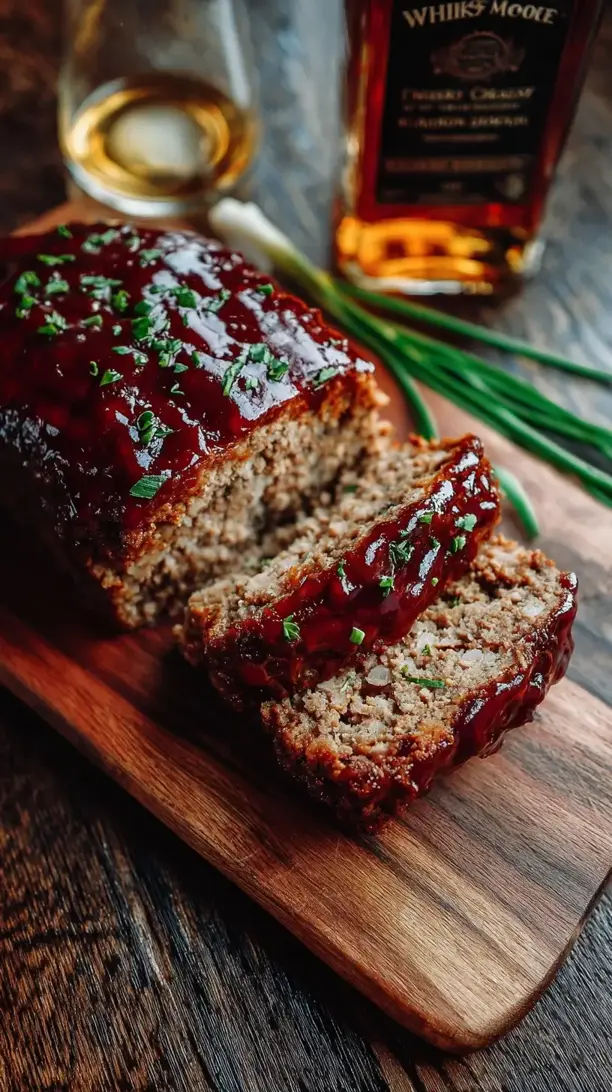
This Batch Meatloaf delivers classic comfort with a practical twist. You get two tender, savory loaves from one prep session—one for dinner and one for the freezer. It’s a family-friendly recipe that saves time without sacrificing flavor.
Craving a delicious Batch Meatloaf? You've come to the right spot! From Meatloaf Recipes favorites to amazing Chicken Thigh Recipes recipes, there's something here for everyone.


Why You’ll Love This Batch Meatloaf
- Meal prep magic: Two loaves from one session—eat one, freeze one.
- Incredibly moist: Milk-soaked breadcrumbs and sautéed veggies ensure tenderness.
- Perfect glaze: Sweet and tangy topping caramelizes beautifully.
- Surprisingly versatile: Easy to customize with herbs, spices, or meat swaps.
Ingredients & Tools
- 2 tbsp olive oil
- 1 large yellow onion, finely diced
- 2 celery ribs, finely diced
- 2 carrots, peeled and finely grated
- 4 cloves garlic, minced
- 200 g fresh breadcrumbs (about 2 ½ cups)
- 240 ml whole milk (1 cup)
- 2 large eggs, lightly beaten
- 1 kg ground beef (85/15 lean-to-fat ratio is ideal)
- 500 g ground pork
- 2 tbsp Worcestershire sauce
- 2 tsp Dijon mustard
- 1 ½ tsp dried thyme
- 2 tsp kosher salt
- 1 tsp freshly ground black pepper
- For the Glaze: 180 ml ketchup (¾ cup), 60 g packed brown sugar (¼ cup), 2 tbsp apple cider vinegar
Tools: 2 standard 9×5-inch loaf pans, large skillet, large mixing bowl, small bowl for glaze
Notes: Using a blend of beef and pork is my secret for the best texture and flavor—the beef provides a robust base, while the pork adds wonderful fat and moisture. Don’t skip sautéing the vegetables; it’s a crucial step that removes excess water and deepens their flavor, preventing a soggy meatloaf.
Nutrition (per serving)
| Calories: | 420 kcal |
| Protein: | 28 g |
| Fat: | 24 g |
| Carbs: | 20 g |
| Fiber: | 1 g |
Serves: 12 | Prep Time: 30 minutes | Cook Time: 1 hour | Total Time: 1 hour 30 minutes
Before You Start: Tips & Ingredient Notes
- Don’t use lean beef. A little fat is your friend here! Using 90/10 or leaner ground beef will result in a much drier meatloaf. The 85/15 ratio provides the perfect amount of fat to keep everything juicy.
- Why sauté the veggies? It might seem like an extra step, but it’s non-negotiable. Raw onions and celery release a lot of water as they cook, which can steam the meatloaf and give it a loose, almost mushy texture. Sautéing them first concentrates their flavor and ensures a firm, sliceable result.
- The power of the panade. Soaking the breadcrumbs in milk (this mixture is called a panade) is the single best trick for a tender meatloaf. It creates a paste that distributes moisture throughout the meat, preventing it from becoming tough and dense.
- Handle with care. When mixing, use your hands and mix just until the ingredients are combined. Overworking the meat mixture will activate the proteins and make the final texture unpleasantly tough and springy.
How to Make Batch Meatloaf
Step 1: Preheat your oven to 175°C (350°F). Heat the olive oil in a large skillet over medium heat. Add the diced onion and celery and cook, stirring occasionally, for about 6-8 minutes, until they’ve softened and turned translucent. Add the grated carrots and minced garlic and cook for another 2 minutes, just until fragrant. You’ll notice the kitchen starting to smell amazing. Remove the skillet from the heat and let this vegetable mixture cool completely. This is important—adding hot veggies to the meat can start cooking the eggs prematurely.
Step 2: While the veggies cool, prepare your panade. In your large mixing bowl, combine the fresh breadcrumbs and the milk. Stir this together and let it sit for about 5 minutes. The breadcrumbs will absorb the milk and turn into a soft, thick paste. This is exactly what you want! This simple step is the guardian of juiciness in your finished meatloaves.
Step 3: To the bowl with the panade, add the lightly beaten eggs, Worcestershire sauce, Dijon mustard, dried thyme, salt, and pepper. Give everything a good stir with a fork until it’s well combined. It will look a bit like a loose, lumpy batter at this stage, which is perfectly normal.
Step 4: Now, add the cooled vegetable mixture, the ground beef, and the ground pork to the bowl. This is where you switch to using your hands. Gently mix everything together, kneading just until you no longer see streaks of meat or pockets of breadcrumb mixture. The trick is to stop the moment it looks uniform. This should take less than a minute of gentle mixing.
Step 5: Divide the mixture evenly between your two loaf pans. Don’t press it down too firmly; just pat it gently into an even layer. Using a loaf pan helps the meatloaf hold its shape and cooks it evenly from all sides, giving you those beautiful, crisp edges.
Step 6: In a small bowl, whisk together the ketchup, brown sugar, and apple cider vinegar for the glaze. Spoon half of this glaze over the top of each meatloaf, spreading it into an even layer with the back of the spoon. This sweet and tangy layer is going to caramelize into something truly special in the oven.
Step 7: Place both loaf pans on a baking sheet (this makes them easier to handle and catches any potential drips). Bake in the preheated oven for 50 to 60 minutes. The meatloaf is done when the internal temperature registers 70°C (160°F) on an instant-read thermometer. The top will be glistening and caramelized, and the juices should run clear.
Step 8: Once out of the oven, let the meatloaves rest in the pans for at least 10-15 minutes. This is a critical step for a neat slice! Resting allows the juices to redistribute back throughout the meat. If you slice it immediately, all those wonderful juices will just run out onto the cutting board. After resting, use a spatula to gently lift the meatloaf out of the pan, slice, and serve.
Storage & Freshness Guide
- Fridge: Cool completely, wrap tightly, and refrigerate for up to 4 days.
- Freezer: Freeze unbaked and glazed (wrapped well) for up to 3 months.
- Reviving: Reheat slices in a covered skillet or microwave with a splash of broth.
Serving Suggestions
Complementary Dishes
- Creamy Garlic Mashed Potatoes — The ultimate classic pairing. The fluffy, buttery potatoes are the perfect vehicle for sopping up any extra glaze and meat juices from your plate.
- Sautéed Green Beans with Almonds — A little crisp-tender texture and nutty flavor provides a fresh, bright contrast to the rich, savory meatloaf.
- Buttered Cornbread Muffins — A slightly sweet, crumbly cornbread muffin is just wonderful for mopping up every last bit of flavor from your dinner plate.
Drinks
- A Malty Brown Ale — The nutty, caramel notes in the beer mirror the flavors in the meatloaf and glaze, creating a really harmonious match that cuts through the richness.
- Iced Black Tea with Lemon — For a non-alcoholic option, the brisk, tannic quality of the tea is incredibly refreshing and helps cleanse the palate between bites.
- Pinot Noir — This lighter-bodied red wine has enough acidity to stand up to the dish without overpowering it, with berry notes that complement the tomato-based glaze.
Something Sweet
- Warm Apple Crumble — You already have the oven on! A simple, rustic apple crumble with a scoop of vanilla ice cream continues the theme of homey, comforting flavors.
- Rich Chocolate Pudding — A cool, silky chocolate pudding offers a smooth, decadent finish that feels indulgent without requiring any more baking.
- Chewy Oatmeal Raisin Cookies — The spices in the cookies are a lovely, gentle echo of the warmth from the thyme in the meatloaf, making for a perfectly cozy end to the meal.
Top Mistakes to Avoid
- Mistake: Overmixing the meat. This is the most common error and the fastest way to a tough, rubbery meatloaf. Mix just until combined—it’s okay if it looks a little uneven.
- Mistake: Skipping the veggie sauté. I’ve messed this up before too, thinking I could save time. The result was a meatloaf that shrank significantly and wept a pool of liquid, with a less concentrated flavor.
- Mistake: Not letting it rest. Slicing into a meatloaf straight from the oven is a recipe for a crumbly mess. Those 10-15 minutes of resting time are what allow the proteins to relax and reabsorb the juices, giving you neat, perfect slices.
- Mistake: Packing the loaf pan too tightly. Gently patting the mixture in is all you need. Pressing it down firmly can make the texture unpleasantly dense.
Expert Tips
- Tip: For a free-form option, shape the mixture into two loaves on a parchment-lined baking sheet. This increases the surface area for more of that delicious caramelized glaze and crust. Just be aware the cooking time might be slightly shorter.
- Tip: Grate your onion instead of dicing it if you have picky eaters who dislike visible onion pieces. It will melt completely into the meat, providing all the flavor without any texture complaints.
- Tip: Add a tablespoon of soy sauce to the meat mixture. It doesn’t make it taste Asian, but it deepens the overall savory, umami character of the loaf in a fantastic way.
- Tip: For the freezer, cool the unbaked, glazed meatloaf completely in the pan, then wrap the entire pan tightly in two layers of plastic wrap and one of foil. It can go straight from the freezer to the oven; just add 15-20 minutes to the baking time.
FAQs
Can I use all beef instead of a beef/pork blend?
Absolutely, you can. The recipe will still work well. However, using all beef, especially if it’s very lean, will yield a slightly denser and less moist final product. If you go this route, I’d recommend using an 80/20 beef blend to ensure you have enough fat for flavor and juiciness. The pork really does add a special tenderness that’s hard to replicate.
What’s the best way to freeze the second meatloaf?
For the best results, freeze it *before* baking. After you’ve assembled and glazed the second loaf, cover the pan tightly with plastic wrap, pressing it directly onto the surface of the glaze, then wrap the whole pan in aluminum foil. Label it with the date and baking instructions. It will keep beautifully for up to 3 months. To cook, you can bake it from frozen, just add about 20-25 minutes to the baking time.
Can I use dried breadcrumbs instead of fresh?
You can, but the texture will be different. Dried breadcrumbs are much finer and denser, so they absorb more liquid. If you must substitute, use only 1 ½ cups of dried breadcrumbs with the same amount of milk. The final meatloaf will be a bit firmer, but still perfectly tasty.
Why is my meatloaf still pink inside?
A slight pink hue can sometimes come from the ketchup in the glaze seeping down or from the reaction of the meat with certain seasonings. The only true way to know it’s done is with an instant-read thermometer. As long as the internal temperature has reached 70°C (160°F), it is safe to eat, even if it looks a little pink.
Can I add other ingredients like cheese or bacon?
Please do! This recipe is a wonderful canvas. A cup of shredded cheddar cheese mixed into the meat is fantastic. For bacon, I’d recommend cooking about 6 slices until crisp, crumbling them, and folding them in. You could even drape a few raw strips over the top before adding the glaze for a bacon-wrapped version. Get creative!

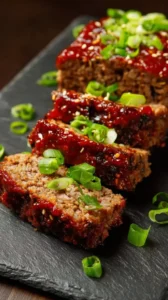

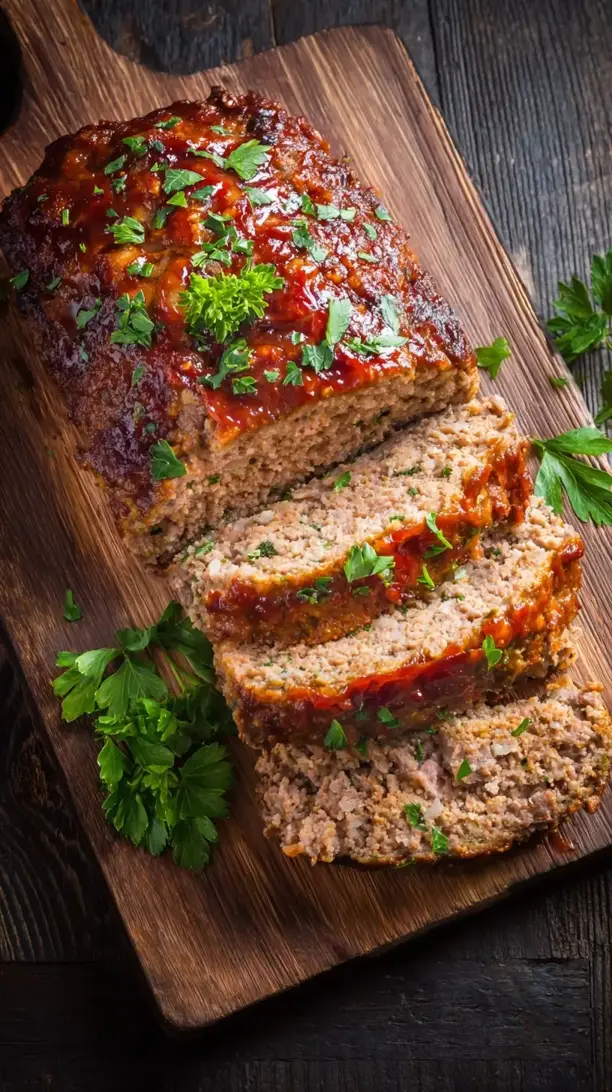
Batch Meatloaf
Make two tender, savory Batch Meatloaves with one easy recipe—perfect for dinner now and a freezer meal later. Get the family-friendly recipe here!
Ingredients
For the meatloaf:
-
2 tbsp olive oil
-
1 large yellow onion (finely diced)
-
2 ribs celery (finely diced)
-
2 carrots (peeled and finely grated)
-
4 cloves garlic (minced)
-
200 g fresh breadcrumbs (about 2 ½ cups)
-
240 ml whole milk (1 cup)
-
2 large eggs (lightly beaten)
-
1 kg ground beef (85/15 lean-to-fat ratio is ideal)
-
500 g ground pork
-
2 tbsp Worcestershire sauce
-
2 tsp Dijon mustard
-
1.5 tsp dried thyme
-
2 tsp kosher salt
-
1 tsp freshly ground black pepper
For the Glaze:
-
180 ml ketchup (¾ cup)
-
60 g packed brown sugar (¼ cup)
-
2 tbsp apple cider vinegar
Instructions
-
Preheat your oven to 175°C (350°F). Heat the olive oil in a large skillet over medium heat. Add the diced onion and celery and cook, stirring occasionally, for about 6-8 minutes, until they’ve softened and turned translucent. Add the grated carrots and minced garlic and cook for another 2 minutes, just until fragrant. Remove the skillet from the heat and let this vegetable mixture cool completely.01
-
While the veggies cool, prepare your panade. In your large mixing bowl, combine the fresh breadcrumbs and the milk. Stir this together and let it sit for about 5 minutes.02
-
To the bowl with the panade, add the lightly beaten eggs, Worcestershire sauce, Dijon mustard, dried thyme, salt, and pepper. Give everything a good stir with a fork until it’s well combined.03
-
Add the cooled vegetable mixture, the ground beef, and the ground pork to the bowl. Gently mix everything together with your hands, kneading just until you no longer see streaks of meat or pockets of breadcrumb mixture.04
-
Divide the mixture evenly between your two loaf pans. Don’t press it down too firmly; just pat it gently into an even layer.05
-
In a small bowl, whisk together the ketchup, brown sugar, and apple cider vinegar for the glaze. Spoon half of this glaze over the top of each meatloaf, spreading it into an even layer with the back of the spoon.06
-
Place both loaf pans on a baking sheet. Bake in the preheated oven for 50 to 60 minutes. The meatloaf is done when the internal temperature registers 70°C (160°F) on an instant-read thermometer.07
-
Once out of the oven, let the meatloaves rest in the pans for at least 10-15 minutes. After resting, use a spatula to gently lift the meatloaf out of the pan, slice, and serve.08
Not what you're looking for?