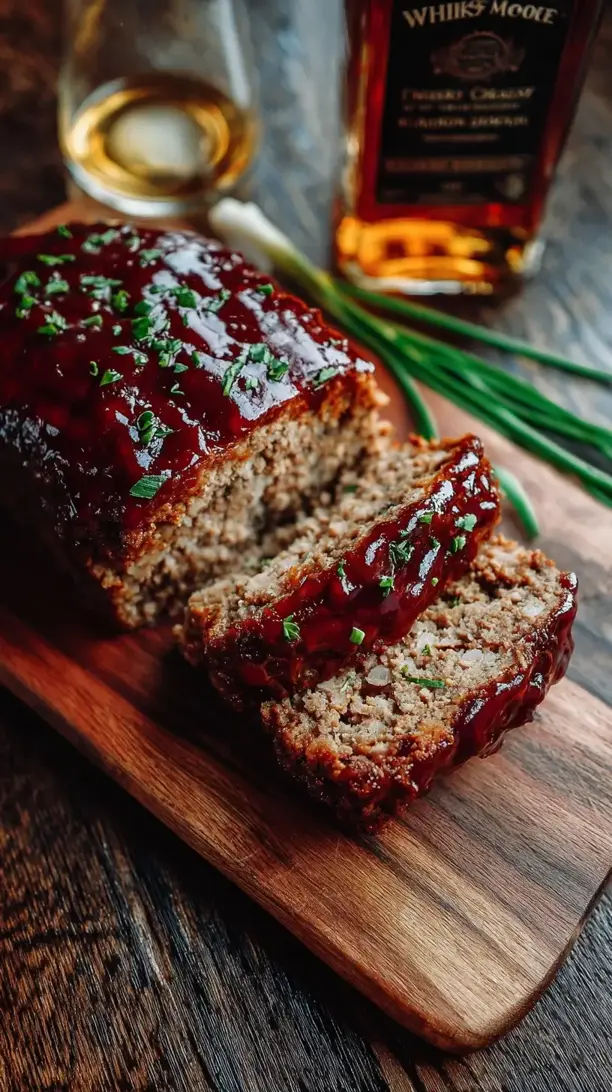
This French Onion Meatloaf transforms the soul-warming magic of French onion soup into a juicy, flavor-packed main dish. Sweet caramelized onions, rich beef, and nutty Gruyère cheese create a comforting masterpiece with an iconic cheesy crust. It’s surprisingly simple to make and will have everyone asking for seconds.
Looking for French Onion Meatloaf inspiration? You'll love what we have! Explore more Meatloaf Recipes recipes or discover our Chicken Breast Recipes favorites.

Why You’ll Love This French Onion Meatloaf
- Flavor explosion: Deeply caramelized onions create a sweet, savory foundation in every bite.
- Perfect texture: Beef, soaked breadcrumbs, and moist onions ensure a tender, juicy loaf.
- Cheesy golden top: Melted Gruyère forms a bubbly, gorgeous crust with great contrast.
- Make-ahead friendly: Prepare ahead—flavors deepen overnight for fantastic leftovers.
Ingredients & Tools
- 2 tbsp olive oil
- 3 large yellow onions, thinly sliced
- 1 tsp granulated sugar
- 2 tbsp dry sherry or dry white wine (optional, but recommended)
- 1 tsp fresh thyme leaves
- 2 lbs ground beef (80/20 blend is ideal)
- 2 large eggs, lightly beaten
- 1 cup panko breadcrumbs
- 1/2 cup beef broth
- 1 cup shredded Gruyère cheese, divided
- 2 tbsp Worcestershire sauce
- 2 cloves garlic, minced
- 1 tsp kosher salt
- 1/2 tsp freshly ground black pepper
Tools: Large skillet, large mixing bowl, standard 9×5-inch loaf pan, instant-read thermometer
Notes: The quality of your ingredients really matters here, especially the beef and the cheese. Using a beef blend with a little fat ensures juiciness, and authentic Gruyère provides that unmistakably nutty, complex flavor that makes this dish so special. Don’t rush the onions—they are the heart and soul of the recipe.
Nutrition (per serving)
| Calories: | 480 kcal |
| Protein: | 32 g |
| Fat: | 32 g |
| Carbs: | 14 g |
| Fiber: | 2 g |
Serves: 6 | Prep Time: 30 minutes | Cook Time: 1 hour 15 minutes | Total Time: 1 hour 45 minutes
Before You Start: Tips & Ingredient Notes
- Slice your onions evenly and thinly. This isn’t just for aesthetics. Uniformly thin slices will caramelize at the same rate, preventing some pieces from burning while others are still raw. A sharp knife and a little patience are your best friends here.
- Why not use onion soup mix? While convenient, a packet mix can be overly salty and one-dimensional. Taking the time to properly caramelize fresh onions unlocks a natural sweetness and complex flavor that a powder simply cannot replicate. Trust me, the extra 30 minutes are worth it.
- Don’t skip the deglazing step. After caramelizing the onions, that fond—the browned bits stuck to the pan—is pure flavor gold. Adding a splash of sherry or wine and scraping it up incorporates all that deliciousness right back into the onions.
- Handle the meat mixture gently. Overmixing is the enemy of a tender meatloaf. Mix the ingredients just until they are combined. If you work the meat too much, the final texture can become unpleasantly dense and tough.
How to Make French Onion Meatloaf
Step 1: Caramelize the Onions. This is where the magic begins. Heat the olive oil in a large skillet over medium-low heat. Add all of your thinly sliced onions and toss to coat them in the oil. Sprinkle with the sugar and a pinch of salt—the sugar will help them brown beautifully. Let them cook slowly, stirring only every 5-7 minutes. You’re not looking to fry them, but to gently coax out their natural sugars. This process should take about 25-30 minutes. They’re ready when they’ve turned a deep, golden-brown color and are incredibly soft and sweet.
Step 2: Deglaze and Add Herbs. Once your onions are perfectly caramelized, increase the heat to medium and add the sherry or white wine (you can use a extra tablespoon of beef broth if you prefer). Use your spoon to scrape up all the delicious browned bits from the bottom of the pan. Let the liquid cook off for about a minute. Then, stir in the fresh thyme and minced garlic, cooking for just another 30 seconds until fragrant. Remove the skillet from the heat and let this onion mixture cool for at least 10-15 minutes. You don’t want to add piping hot onions to your raw meat mixture.
Step 3: Prepare the Meatloaf Base. While the onions are cooling, you can get your other components ready. In your large mixing bowl, combine the panko breadcrumbs and the beef broth. Let this sit for a few minutes so the panko can soften and absorb all the liquid. This is a key step for ensuring a moist, cohesive meatloaf that doesn’t crumble when you slice it.
Step 4: Combine Everything Gently. To the bowl with the softened breadcrumbs, add the ground beef, lightly beaten eggs, Worcestershire sauce, 1/2 cup of the shredded Gruyère, the kosher salt, and black pepper. Now, add your cooled onion mixture. Using clean hands or a fork, gently mix everything together. Remember the rule: mix just until the ingredients are evenly distributed. You should still see distinct bits of onion and beef—don’t turn it into a homogenous paste.
Step 5: Shape and Bake. Preheat your oven to 375°F (190°C). Transfer the meat mixture to your ungreased loaf pan (the fat from the beef will provide enough lubrication). Gently press it down into an even layer. Place the loaf pan on a baking sheet—this catches any potential drips and makes it easier to handle. Bake for 45 minutes. You’ll notice the meatloaf will have started to pull away from the sides of the pan and the top will be lightly browned.
Step 6: Add the Cheese and Finish Baking. Carefully remove the meatloaf from the oven. Sprinkle the remaining 1/2 cup of Gruyère cheese evenly over the top. Return it to the oven and bake for another 15-20 minutes. The cheese should be completely melted, bubbly, and have those gorgeous golden-brown spots. The most reliable way to know it’s done is to use an instant-read thermometer inserted into the center of the loaf; it should read 160°F (71°C).
Step 7: Rest Before Slicing. This might be the hardest step—waiting! But it’s crucial. Once out of the oven, let the meatloaf rest in the pan on a wire rack for at least 15 minutes. This allows the juices to redistribute throughout the loaf. If you slice it immediately, all those wonderful juices will run out, leaving you with a drier result. The wait is a test of willpower, but it pays off in every juicy slice.
Storage & Freshness Guide
- Fridge: Cool completely, wrap tightly, and refrigerate for up to 4 days.
- Freezer: Slice, wrap individually, and freeze for up to 3 months.
- Reviving: Reheat slices in a 300°F oven until warm or microwave gently.
Serving Suggestions
Complementary Dishes
- Garlic Mashed Potatoes — The ultimate creamy, comforting base that’s perfect for soaking up any savory juices from the meatloaf. The garlic adds a nice punch that complements the sweet onions.
- Simple Roasted Green Beans — Their slight crunch and bright flavor provide a wonderful textural and visual contrast to the rich, cheesy meatloaf. Toss them with a little olive oil, salt, and pepper and roast until tender-crisp.
- Crispy Smashed Potatoes — If you want something a little different from classic mash, these offer a fantastic combination of fluffy interior and incredibly crispy, salty edges that are just divine with the meatloaf.
Drinks
- A Malty Brown Ale — The nutty, caramel notes in the beer mirror the flavors of the caramelized onions and Gruyère cheese beautifully, creating a really harmonious pairing.
- A Glass of Pinot Noir — This lighter-bodied red wine has enough acidity to cut through the richness of the dish without overpowering the delicate, savory-sweet flavors at play.
- Sparkling Apple Cider — A non-alcoholic option that’s just brilliant. The effervescence and subtle sweetness are a fantastic palate cleanser between bites of the rich meatloaf.
Something Sweet
- Classic Crème Brûlée — The contrast between the cool, silky custard and the crackling caramelized sugar top continues the theme of caramelization in a delightful, decadent way.
- Warm Apple Crumble — The warm, spiced apples and buttery oat topping feel like a natural, cozy extension of the comforting meal you just enjoyed.
- Dark Chocolate Pots de Crème — For a truly elegant finish, these rich, intensely chocolatey pots are surprisingly light in texture and provide a deep, satisfying end to the meal.
Top Mistakes to Avoid
- Mistake: Rushing the onion caramelization. If you crank the heat to high, you’ll just burn the onions, which makes them bitter. True, sweet caramelization is a slow and low process. I’ve tried to rush it before and honestly, it just ruins the entire flavor base.
- Mistake: Using lean ground beef. A super-lean blend like 93/7 will almost certainly result in a dry meatloaf. You need that bit of fat (80/20 is perfect) to keep everything moist and flavorful as it cooks. Don’t be scared of the fat—it’s where the flavor lives.
- Mistake: Skipping the rest time. I know, I know, you’re hungry and it smells amazing. But slicing into the meatloaf straight from the oven is a recipe for a crumbly, juice-all-over-the-cutting-board situation. Let those juices settle back in.
- Mistake: Overpacking the loaf pan. When you transfer the meat mixture, just gently press it in. Don’t compact it down with all your might. A lighter touch helps the heat circulate better and prevents a dense, heavy texture.
Expert Tips
- Tip: Make a double batch of caramelized onions. They take a while, so while you’re at it, caramelize a few extra onions. You can store them in the fridge for up to 5 days and use them to elevate scrambled eggs, top a burger, or stir into a pasta dish.
- Tip: Use a meatloaf pan with a drain insert. If you have one, this is a great tool. It allows the excess fat to drain away from the meatloaf as it cooks, preventing it from sitting in grease and resulting in a cleaner slice and crisper bottom.
- Tip: Freeze individual slices for easy future meals. Once the meatloaf is fully cooled, slice it, wrap each slice tightly in plastic wrap, and place them in a freezer bag. You can reheat a single portion straight from frozen in the microwave or a low oven for a quick and satisfying lunch or dinner.
- Tip: Add an extra umami boost. For an even deeper flavor, try adding a tablespoon of tomato paste to the onions when you add the garlic and thyme. It will cook out any acidity and add a wonderful rich, savory backbone.
FAQs
Can I make this French Onion Meatloaf ahead of time?
Absolutely, it’s a fantastic make-ahead dish. You have two great options. First, you can prepare the entire meatloaf mixture, press it into the loaf pan, cover it tightly with plastic wrap, and refrigerate it for up to 24 hours before baking. Just let it sit at room temperature for about 20-30 minutes before it goes in the oven. Second, you can bake the meatloaf completely, let it cool, and then refrigerate it for 3-4 days. Reheat slices gently in a 300°F (150°C) oven until warm throughout.
What can I use instead of Gruyère cheese?
While Gruyère is traditional for that authentic French onion soup flavor, there are a couple of good substitutes. Swiss cheese is the closest in terms of texture and mild nuttiness. A good aged Provolone would also work well, offering a sharper, more pronounced flavor. I’d avoid very mild cheeses like Mozzarella, as they can get a bit lost, and very strong cheeses like a sharp Cheddar, which might overpower the delicate onion flavor.
Why is my meatloaf falling apart when I slice it?
A few things can cause this. The most common culprit is not letting it rest after baking—those 15 minutes are non-negotiable for the structure to set. Another reason could be not enough binder; if you feel your mixture was very wet, you can add an extra 1/4 cup of breadcrumbs next time. Finally, overmixing can break down the proteins and lead to a crumbly texture. Be gentle!
Can I use a different type of ground meat?
You can definitely experiment! A mix of ground beef and pork (maybe 1.5 lbs beef, 0.5 lbs pork) is delicious and adds extra richness. For a leaner option, ground turkey or chicken can work, but be aware they have less fat. To compensate, I’d recommend adding an extra tablespoon of olive oil to the meat mixture and maybe a splash more Worcestershire sauce to boost the flavor.
Do I have to use a loaf pan?
Not at all! You can form the mixture into a free-form loaf on a parchment-lined baking sheet. This method allows more of the surface area to get browned and crispy. The cooking time might be slightly shorter, so start checking for doneness with a thermometer around the 50-minute mark. The shape will be a bit more rustic, but just as delicious.

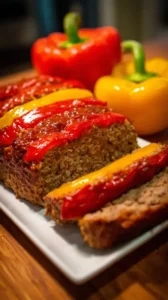

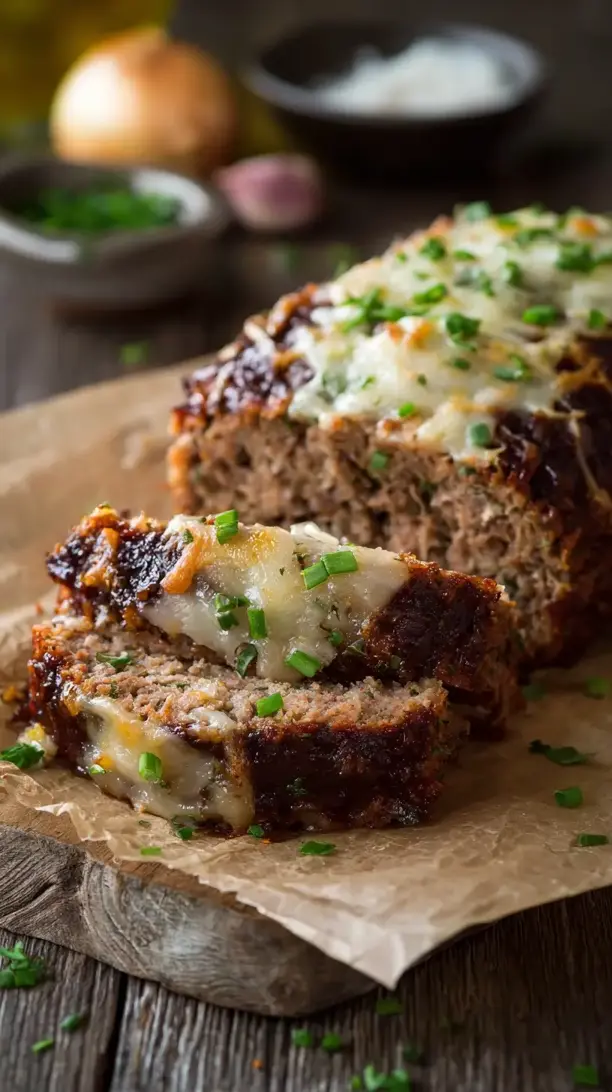
French Onion Meatloaf
Transform French onion soup into a juicy, cheesy French Onion Meatloaf. This easy recipe is packed with caramelized onions and Gruyère. Get the step-by-step guide now!
Ingredients
For the Caramelized Onions:
-
2 tbsp olive oil
-
3 large yellow onions (thinly sliced)
-
1 tsp granulated sugar
-
2 tbsp dry sherry or dry white wine (optional, but recommended)
-
1 tsp fresh thyme leaves
-
2 cloves garlic (minced)
For the Meatloaf:
-
2 lbs ground beef (80/20 blend is ideal)
-
2 large eggs (lightly beaten)
-
1 cup panko breadcrumbs
-
1/2 cup beef broth
-
1 cup shredded Gruyère cheese (divided)
-
2 tbsp Worcestershire sauce
-
1 tsp kosher salt
-
1/2 tsp freshly ground black pepper
Instructions
-
Caramelize the Onions. This is where the magic begins. Heat the olive oil in a large skillet over medium-low heat. Add all of your thinly sliced onions and toss to coat them in the oil. Sprinkle with the sugar and a pinch of salt—the sugar will help them brown beautifully. Let them cook slowly, stirring only every 5-7 minutes. You’re not looking to fry them, but to gently coax out their natural sugars. This process should take about 25-30 minutes. They’re ready when they’ve turned a deep, golden-brown color and are incredibly soft and sweet.01
-
Deglaze and Add Herbs. Once your onions are perfectly caramelized, increase the heat to medium and add the sherry or white wine (you can use a extra tablespoon of beef broth if you prefer). Use your spoon to scrape up all the delicious browned bits from the bottom of the pan. Let the liquid cook off for about a minute. Then, stir in the fresh thyme and minced garlic, cooking for just another 30 seconds until fragrant. Remove the skillet from the heat and let this onion mixture cool for at least 10-15 minutes. You don’t want to add piping hot onions to your raw meat mixture.02
-
Prepare the Meatloaf Base. While the onions are cooling, you can get your other components ready. In your large mixing bowl, combine the panko breadcrumbs and the beef broth. Let this sit for a few minutes so the panko can soften and absorb all the liquid. This is a key step for ensuring a moist, cohesive meatloaf that doesn’t crumble when you slice it.03
-
Combine Everything Gently. To the bowl with the softened breadcrumbs, add the ground beef, lightly beaten eggs, Worcestershire sauce, 1/2 cup of the shredded Gruyère, the kosher salt, and black pepper. Now, add your cooled onion mixture. Using clean hands or a fork, gently mix everything together. Remember the rule: mix just until the ingredients are evenly distributed. You should still see distinct bits of onion and beef—don’t turn it into a homogenous paste.04
-
Shape and Bake. Preheat your oven to 375°F (190°C). Transfer the meat mixture to your ungreased loaf pan (the fat from the beef will provide enough lubrication). Gently press it down into an even layer. Place the loaf pan on a baking sheet—this catches any potential drips and makes it easier to handle. Bake for 45 minutes. You’ll notice the meatloaf will have started to pull away from the sides of the pan and the top will be lightly browned.05
-
Add the Cheese and Finish Baking. Carefully remove the meatloaf from the oven. Sprinkle the remaining 1/2 cup of Gruyère cheese evenly over the top. Return it to the oven and bake for another 15-20 minutes. The cheese should be completely melted, bubbly, and have those gorgeous golden-brown spots. The most reliable way to know it's done is to use an instant-read thermometer inserted into the center of the loaf; it should read 160°F (71°C).06
-
Rest Before Slicing. This might be the hardest step—waiting! But it’s crucial. Once out of the oven, let the meatloaf rest in the pan on a wire rack for at least 15 minutes. This allows the juices to redistribute throughout the loaf. If you slice it immediately, all those wonderful juices will run out, leaving you with a drier result. The wait is a test of willpower, but it pays off in every juicy slice.07
Not what you're looking for?