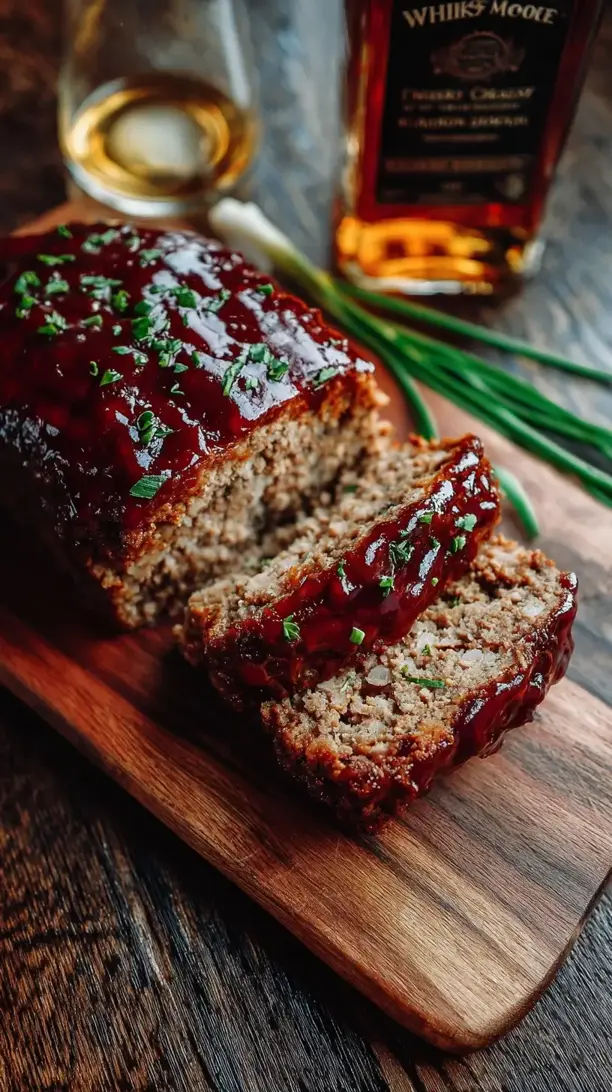
This Greek Lamb Meatloaf is a moist, flavorful twist on the classic, packed with Mediterranean herbs, feta, and sun-dried tomatoes. It’s a simple yet impressive centerpiece for any dinner. Your kitchen will fill with an incredible aroma as this Greek Lamb Meatloaf bakes.
If you're looking for the perfect Greek Lamb Meatloaf, you're in the right place. Whether you love Meatloaf Recipes or want to explore our Crockpot Recipes collection, we've got you covered.


Why You’ll Love This Greek Lamb Meatloaf
- Bold Mediterranean flavor: Earthy lamb, tangy feta, and sun-dried tomatoes create a vibrant taste.
- Perfectly moist texture: A milk-soaked breadcrumb panade ensures a tender, sliceable loaf.
- Welcome change: Elegant and exciting, yet just as easy as traditional meatloaf.
- Amazing leftovers: Flavors deepen overnight for delicious next-day sandwiches.
Ingredients & Tools
- 1 tbsp olive oil
- 1 large yellow onion, finely chopped
- 3 cloves garlic, minced
- 900 g ground lamb
- 100 g dry breadcrumbs
- 120 ml whole milk
- 2 large eggs, lightly beaten
- 100 g feta cheese, crumbled
- 75 g sun-dried tomatoes in oil, drained and chopped
- 15 g fresh parsley, finely chopped
- 2 tsp dried oregano
- 1 tsp dried mint
- 1 tsp salt
- ½ tsp freshly ground black pepper
- For the glaze: 60 ml tomato passata, 1 tbsp red wine vinegar, 1 tsp honey
Tools: A large mixing bowl, a standard 9×5-inch loaf pan, a skillet, and a small bowl for the glaze.
Notes: Don’t skip sautéing the onion and garlic—it mellows their sharpness. Use full-fat feta for authentic tang.
Nutrition (per serving)
| Calories: | 485 kcal |
| Protein: | 32 g |
| Fat: | 32 g |
| Carbs: | 15 g |
| Fiber: | 2 g |
Serves: 6 | Prep Time: 20 minutes | Cook Time: 55 minutes | Total Time: 1 hour 15 minutes
Before You Start: Tips & Ingredient Notes
- Don’t use lean lamb. A bit of fat (around 15-20%) is essential for keeping the meatloaf juicy and flavorful. If it’s too lean, you risk a dry and crumbly result.
- Get your hands dirty. The best way to mix the meatloaf is with your hands. It allows you to incorporate everything evenly without overworking the meat, which can make it tough. Just be gentle!
- Soak your breadcrumbs. This step, called a panade, is non-negotiable for a tender texture. The milk-soaked breadcrumbs act as a binder and keep everything incredibly moist.
- Taste-test your mixture. Before you commit to baking, cook a tiny spoonful of the mixture in a skillet. This lets you check the seasoning and adjust the salt, pepper, or herbs to your liking.
- Let it rest. I know it’s hard to wait, but letting the meatloaf rest for at least 10 minutes after baking is crucial. It allows the juices to redistribute, so they don’t all run out when you slice it.
How to Make Greek Lamb Meatloaf
Step 1: Start by preheating your oven to 190°C (375°F). Then, grab your skillet and heat the olive oil over medium heat. Add the finely chopped onion and cook for about 5-7 minutes, until it becomes soft and translucent. You’ll notice a sweet aroma starting to develop. Add the minced garlic and cook for just one more minute—you don’t want the garlic to burn, as it will turn bitter. Once done, scrape this mixture into a large bowl and let it cool for a few minutes. This is your flavor base.
Step 2: While the onions are cooling, prepare your panade. In a small bowl, combine the dry breadcrumbs and the whole milk. Stir it together and then just let it sit for about five minutes. You’ll see the breadcrumbs absorb all the milk and become a soft, mushy paste. This is exactly what you want! This simple mixture is the secret to a meatloaf that holds together beautifully without being dense.
Step 3: Now, it’s assembly time. To the large bowl with the cooled onion mixture, add the ground lamb, the breadcrumb panade, the lightly beaten eggs, crumbled feta, chopped sun-dried tomatoes, fresh parsley, dried oregano, dried mint, salt, and pepper. I like to add the herbs at this stage so they get evenly distributed throughout the meat.
Step 4: Here’s where you get tactile. Using your hands, gently mix everything together. The trick is to combine it just until all the ingredients are incorporated. Don’t squeeze or over-mix it, as this will activate the proteins in the meat and make the final loaf tough. You should see little pockets of feta and red specks of tomato throughout.
Step 5: Transfer the meat mixture to your ungreased 9×5-inch loaf pan. Why ungreased? The lamb has enough fat to prevent sticking, and any rendered fat will just collect at the bottom. Use your hands or a spatula to press the mixture firmly and evenly into the pan, smoothing out the top.
Step 6: Make the simple glaze. In that same small bowl you used for the panade (less washing up!), whisk together the tomato passata, red wine vinegar, and honey. The vinegar adds a nice tang that cuts through the richness of the lamb. Spoon this glaze evenly over the top of the meatloaf, spreading it right to the edges.
Step 7: Place the loaf pan in the preheated oven and bake for 50 to 55 minutes. You’ll know it’s done when the top is caramelized and the glaze is set, and an instant-read thermometer inserted into the center of the loaf reads 70°C (160°F). The internal temperature is your most reliable guide.
Step 8: Once out of the oven, the most important step: let it rest! Place the loaf pan on a wire rack and let the meatloaf sit for at least 10-15 minutes. This allows the structure to set, making it infinitely easier to slice cleanly. After resting, carefully run a knife around the edges, then invert the meatloaf onto a serving platter. Slice and serve warm.
Storage & Freshness Guide
- Fridge: Keep leftovers in an airtight container for 3–4 days.
- Freezer: Wrap individual slices tightly and freeze for up to 3 months.
- Reviving: Reheat slices in a skillet or oven to maintain texture.
Serving Suggestions
Complementary Dishes
- Lemon Oregano Roasted Potatoes — The crispy, herby potatoes are a classic Greek accompaniment that soaks up the meatloaf’s juices beautifully.
- A Simple Greek Horiatiki Salad — The crisp cucumber, tomatoes, and red onion with a lemony vinaigrette provide a fresh, acidic contrast to the rich lamb.
- Garlicky Sautéed Greens — Spinach or kale sautéed with lots of garlic adds a healthy, vibrant green element to the plate.
Drinks
- A Robust Red Wine — A Greek Agiorgitiko or a Shiraz has the body and berry notes to stand up to the lamb’s flavor without overpowering it.
- Minty Cucumber Lemonade — A non-alcoholic option where the cool, refreshing flavors of mint and cucumber echo the herbs in the meatloaf perfectly.
- Ice-Cold Lager — The crisp, clean finish of a good lager cuts through the fat and cleanses the palate wonderfully between bites.
Something Sweet
- Baklava — You can’t go wrong with this classic. The flaky, nutty, honey-soaked pastry is the ultimate decadent finish to a Greek-inspired meal.
- Greek Yogurt with Honey and Walnuts — It’s light, simple, and feels authentically Greek. The creamy tang is a perfect palate cleanser.
- Orange and Olive Oil Cake — A moist, fragrant cake that isn’t too sweet, complementing the Mediterranean theme with its citrusy aroma.
Top Mistakes to Avoid
- Mistake: Overmixing the meat. When you work the meat too much, the proteins tighten and create a dense, rubbery texture. Mix just until combined—a few stray streaks are fine!
- Mistake: Skipping the taste test. I’ve messed this up before too… raw lamb seasoning is hard to gauge. Cooking that tiny tester patty is the only way to be sure your salt and herb levels are spot-on before it’s too late.
- Mistake: Not letting it rest. Slicing into a piping hot meatloaf is a recipe for a crumbly mess. All those beautiful juices will end up on your cutting board instead of in the slice. Patience is a virtue here.
- Mistake: Using a lean meat blend. Lamb has a wonderful flavor that comes from its fat. Using an ultra-lean grind will leave you with a dry and less flavorful final product. Embrace the fat for the best results.
Expert Tips
- Tip: Grate your onion. If you or your family are sensitive to bits of onion, try grating it on the large holes of a box grater. You’ll get all the flavor and moisture without discernible pieces.
- Tip: Add a tablespoon of tomato paste. For an even deeper, umami-rich flavor, add a tablespoon of tomato paste to the skillet when you cook the onions and garlic. Let it cook for a minute to caramelize slightly.
- Tip: Freeze individual slices. This meatloaf freezes exceptionally well. After it’s cooled completely, slice it, wrap each slice individually in plastic wrap, and freeze. You can have a gourmet dinner ready in minutes by reheating a slice from frozen in the oven or toaster oven.
- Tip: Make a tzatziki sauce for serving. A dollop of cool, creamy tzatziki (yogurt, cucumber, garlic, and dill) on the side is a phenomenal pairing that adds a fresh, tangy counterpoint to every bite.
FAQs
Can I use a different type of ground meat?
Absolutely. While lamb is traditional and provides the most authentic flavor, a 50/50 mix of lamb and beef is also fantastic. You could even use all beef or a mix of beef and pork, though the flavor profile will shift away from distinctly Greek. Just remember to stick with meat that has a bit of fat content for the best texture.
My meatloaf is releasing a lot of fat while cooking. Is that normal?
Yes, this is completely normal, especially with lamb. Don’t be alarmed by the pool of fat in the loaf pan when it comes out of the oven. In fact, it’s a sign you used a well-marbled meat, which is a good thing! Just carefully tip the pan to drain the excess fat away after you’ve removed the meatloaf.
Can I make this gluten-free?
Of course! Simply swap the dry breadcrumbs for an equal amount of gluten-free breadcrumbs or even rolled oats (ensure they are certified gluten-free). The panade step works exactly the same way, and you’ll end up with a perfectly tender meatloaf that everyone can enjoy.
How long will leftovers keep in the fridge?
Leftovers will keep beautifully in an airtight container in the refrigerator for 3 to 4 days. The flavor actually improves on the second day as everything melds together. Reheat slices gently in a skillet or the oven to maintain the best texture.
Can I prepare the meatloaf ahead of time?
You sure can. Assemble the meatloaf completely in the loaf pan, cover it tightly with plastic wrap, and refrigerate for up to 24 hours before you plan to bake it. You may need to add a few extra minutes to the baking time since it will be going into the oven cold.



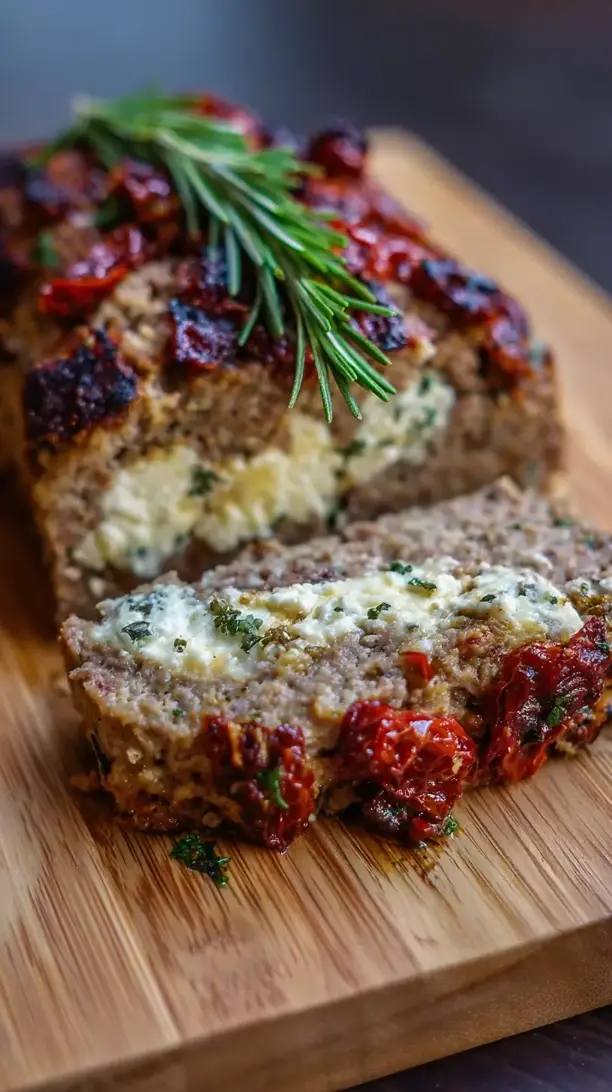
Greek Lamb Meatloaf
Make a moist and flavorful Greek Lamb Meatloaf with feta and sun-dried tomatoes. This easy recipe is a guaranteed crowd-pleaser. Get the full recipe now!
Ingredients
For the main ingredients:
-
1 tbsp olive oil
-
1 large yellow onion (finely chopped)
-
3 cloves garlic (minced)
-
900 g ground lamb
-
100 g dry breadcrumbs
-
120 ml whole milk
-
2 large eggs (lightly beaten)
-
100 g feta cheese (crumbled)
-
75 g sun-dried tomatoes in oil (drained and chopped)
-
15 g fresh parsley (finely chopped)
-
2 tsp dried oregano
-
1 tsp dried mint
-
1 tsp salt
-
0.5 tsp freshly ground black pepper
For the glaze:
-
60 ml tomato passata
-
1 tbsp red wine vinegar
-
1 tsp honey
Instructions
-
Start by preheating your oven to 190°C (375°F). Then, grab your skillet and heat the olive oil over medium heat. Add the finely chopped onion and cook for about 5-7 minutes, until it becomes soft and translucent. You’ll notice a sweet aroma starting to develop. Add the minced garlic and cook for just one more minute—you don’t want the garlic to burn, as it will turn bitter. Once done, scrape this mixture into a large bowl and let it cool for a few minutes. This is your flavor base.01
-
While the onions are cooling, prepare your panade. In a small bowl, combine the dry breadcrumbs and the whole milk. Stir it together and then just let it sit for about five minutes. You’ll see the breadcrumbs absorb all the milk and become a soft, mushy paste. This is exactly what you want! This simple mixture is the secret to a meatloaf that holds together beautifully without being dense.02
-
Now, it's assembly time. To the large bowl with the cooled onion mixture, add the ground lamb, the breadcrumb panade, the lightly beaten eggs, crumbled feta, chopped sun-dried tomatoes, fresh parsley, dried oregano, dried mint, salt, and pepper. I like to add the herbs at this stage so they get evenly distributed throughout the meat.03
-
Here’s where you get tactile. Using your hands, gently mix everything together. The trick is to combine it just until all the ingredients are incorporated. Don’t squeeze or over-mix it, as this will activate the proteins in the meat and make the final loaf tough. You should see little pockets of feta and red specks of tomato throughout.04
-
Transfer the meat mixture to your ungreased 9x5-inch loaf pan. Why ungreased? The lamb has enough fat to prevent sticking, and any rendered fat will just collect at the bottom. Use your hands or a spatula to press the mixture firmly and evenly into the pan, smoothing out the top.05
-
Make the simple glaze. In that same small bowl you used for the panade (less washing up!), whisk together the tomato passata, red wine vinegar, and honey. The vinegar adds a nice tang that cuts through the richness of the lamb. Spoon this glaze evenly over the top of the meatloaf, spreading it right to the edges.06
-
Place the loaf pan in the preheated oven and bake for 50 to 55 minutes. You’ll know it’s done when the top is caramelized and the glaze is set, and an instant-read thermometer inserted into the center of the loaf reads 70°C (160°F). The internal temperature is your most reliable guide.07
-
Once out of the oven, the most important step: let it rest! Place the loaf pan on a wire rack and let the meatloaf sit for at least 10-15 minutes. This allows the structure to set, making it infinitely easier to slice cleanly. After resting, carefully run a knife around the edges, then invert the meatloaf onto a serving platter. Slice and serve warm.08
Not what you're looking for?