
This Chicken and Cauliflower Stew is a comforting one-pot meal that feels like a warm hug in a bowl. The humble cauliflower soaks up the rich, savory broth, becoming tender and flavorful. It’s a nourishing, family-friendly recipe perfect for busy weeknights.
Looking for Chicken and Cauliflower Stew inspiration? You'll love what we have! Explore more Stew recipes or discover our Dessert Recipes favorites.
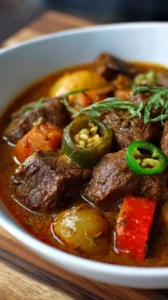


Why You’ll Love This Chicken and Cauliflower Stew
- One-Pot Wonder: Protein, vegetables, and sauce cook together for maximum flavor and minimal cleanup.
- Cauliflower Star: Soaks up the savory broth, becoming tender and meaty without getting watery.
- Highly Adaptable: A fantastic fridge-cleaner that welcomes extra veggies or different proteins.
- Ultimate Comfort: Deeply satisfying and warming, with a homemade taste that’s hard to beat.
Ingredients & Tools
- 1.5 lbs boneless, skinless chicken thighs, cut into 1-inch chunks
- 1 large head cauliflower, cut into florets
- 1 large yellow onion, diced
- 3 cloves garlic, minced
- 2 tbsp tomato paste
- 4 cups chicken broth, low-sodium
- 1 cup full-fat coconut milk
- 2 tbsp olive oil
- 1 tsp smoked paprika
- 1 tsp dried thyme
- 1 bay leaf
- Salt and black pepper to taste
- Fresh parsley for garnish
Tools: A large Dutch oven or heavy-bottomed pot with a lid is essential here.
Notes: The quality of your broth really makes a difference in the final flavor, so use a good one if you can. And don’t shy away from the full-fat coconut milk—it adds a wonderful creaminess and richness that balances the savory notes perfectly.
Nutrition (per serving)
| Calories: | 385 kcal |
| Protein: | 35 g |
| Fat: | 22 g |
| Carbs: | 14 g |
| Fiber: | 5 g |
Serves: 4 | Prep Time: 15 minutes | Cook Time: 40 minutes | Total Time: 55 minutes
Before You Start: Tips & Ingredient Notes
- Chicken thighs are your friend. I really recommend them over breasts for this recipe. Thighs stay juicy and tender through the longer simmering time, and they contribute more flavor to the broth. Breasts can easily become dry.
- Don’t skip browning the chicken. This step is non-negotiable for building a deep, complex flavor base. Those little browned bits left in the pot—the fond—are pure flavor gold that will dissolve into your stew.
- Cut your cauliflower evenly. Try to make your florets roughly the same size so they cook at the same rate. You want them tender enough to yield to a fork, but still with a bit of structural integrity, not falling apart into mush.
- Tomato paste needs to cook. When you add the tomato paste, let it cook for a minute or two with the onions. You’ll notice its color darken slightly and its aroma become sweeter and less sharp. This simple step deepens the entire flavor profile of the stew.
How to Make Chicken and Cauliflower Stew
Step 1: Pat your chicken thighs completely dry with paper towels—this is the secret to getting a proper sear. Season them generously with salt and pepper. Heat the olive oil in your Dutch oven over medium-high heat until it shimmers. Add the chicken in a single layer, working in batches if needed to avoid crowding the pan. Sear until golden brown on all sides, about 3-4 minutes per side. You’re not cooking them through, just building color and flavor. Remove the chicken to a plate and set aside.
Step 2: Reduce the heat to medium. In the same pot, with all those delicious chicken drippings, add the diced onion. Sauté for about 5-6 minutes, stirring occasionally, until the onions have softened and become translucent. Now, add the minced garlic and cook for just another minute until it becomes incredibly fragrant—be careful not to let it burn.
Step 3: Push the onions and garlic to the side and add the tomato paste to the center of the pot. Let it cook for a full 1-2 minutes, stirring it in that spot. You’ll see it darken a shade and start to smell sweet and caramelized. This is a game-changer for flavor. Now, sprinkle in the smoked paprika and dried thyme, stirring everything together for 30 seconds to wake up the spices.
Step 4: It’s time to deglaze! Pour in about a half cup of the chicken broth and use your wooden spoon to scrape up all the browned bits from the bottom of the pot. Those bits are packed with flavor. Once the bottom is clean, add the rest of the broth, the bay leaf, and return the seared chicken (and any accumulated juices) back to the pot.
Step 5: Bring the stew to a lively simmer, then immediately reduce the heat to low, cover the pot, and let it gently cook for 15 minutes. This initial simmer allows the chicken to become fully tender and infuse the broth with its richness.
Step 6: Uncover the pot and stir in the cauliflower florets. Make sure they’re mostly submerged in the liquid. Cover the pot again and continue to simmer on low for another 15-20 minutes. The cauliflower should be fork-tender but not disintegrating. You’ll notice the broth has thickened slightly already.
Step 7: The final flourish! Stir in the full-fat coconut milk. Let the stew heat through for another 3-4 minutes, but do not let it come to a boil after adding the coconut milk, as it can sometimes separate. The sauce should look creamy, glossy, and beautifully united. Taste it and adjust the seasoning with more salt and pepper if needed. Fish out the bay leaf and discard it. Garnish with a generous handful of fresh, chopped parsley before serving.
Storage & Freshness Guide
- Fridge: Cool completely and store in an airtight container for up to 4 days.
- Freezer: Portion into freezer-safe containers, leaving space for expansion, and freeze for up to 3 months.
- Reviving: Thaw overnight in the fridge if frozen, then reheat gently on the stove, stirring occasionally.
Serving Suggestions
Complementary Dishes
- Crusty, warm bread — Absolutely essential for sopping up every last drop of that incredible, creamy broth. A baguette or a rustic sourdough works perfectly.
- Simple buttered egg noodles or fluffy white rice — They provide a neutral, comforting base that lets the stew be the star, while making the meal even more filling.
- A bright, crisp side salad — Something with a lemony vinaigrette helps cut through the richness of the stew and adds a fresh, textural contrast.
Drinks
- A crisp, dry white wine like Sauvignon Blanc — Its acidity and citrus notes are a fantastic palate cleanser that complements the creamy, savory elements of the stew.
- A light, malty lager or pale ale — The beer’s carbonation and slight bitterness contrast beautifully with the stew’s richness without overpowering it.
- Sparkling water with a squeeze of lemon — A non-alcoholic option that provides a refreshing, bubbly contrast to the hearty, deep flavors in your bowl.
Something Sweet
- Warm apple crumble with vanilla ice cream — The warm, spiced fruit and cold creaminess is a classic, comforting follow-up that feels just right after a savory stew.
- Dark chocolate pots de crème — They’re rich, silky, and intensely chocolatey, offering a decadent but small finish that doesn’t feel too heavy.
- Lemon sorbet — Incredibly light and refreshing, it acts as the perfect palate-cleanser, leaving you feeling satisfied but not weighed down.
Top Mistakes to Avoid
- Mistake: Crowding the pan when browning the chicken. If you add too much chicken at once, the pot’s temperature plummets and the meat steams instead of sears. You’ll miss out on all that beautiful, flavorful browning. I’ve messed this up before too, impatient to get it all done. Just take the extra few minutes to do it in batches.
- Mistake: Overcooking the cauliflower. You want it tender, but you don’t want it to turn into a mushy, disintegrated mess. Keep an eye on it during the final 15 minutes of cooking and check for doneness with a fork. It should offer a little resistance, like a perfectly cooked potato.
- Mistake: Adding the coconut milk too early or boiling it vigorously. The coconut milk is a finisher. If you add it at the beginning and let it boil for a long time, it can curdle or separate, giving your stew a grainy texture. Stir it in at the very end, just to heat through.
- Mistake: Skipping the taste test at the end. Seasoning is layered. After the coconut milk goes in and everything is combined, you must taste your stew. It will almost always need another pinch of salt or a crack of black pepper to make all the flavors pop.
Expert Tips
- Tip: Use an ice cream scoop to skim off excess fat. After you’ve browned the chicken and before you add the onions, if there seems to be a lot of rendered fat in the pot, just use a small ice cream scoop or a spoon to remove some. This prevents the stew from being greasy, and it’s a neat little trick I learned from a pro chef.
- Tip: Let the stew rest before serving. If you have the time, turn off the heat, leave the lid on, and let the stew sit for 10-15 minutes before serving. This allows the flavors to meld even more and the chicken to reabsorb some of the juices, making it even more tender.
- Tip: Brown your cauliflower for extra flavor. For a next-level version, toss the cauliflower florets in a little oil, spread them on a baking sheet, and roast them at 425°F (220°C) for 20-25 minutes until browned at the edges before adding them to the stew. This adds a wonderful nutty, caramelized depth.
- Tip: Make it ahead! This stew tastes even better the next day. Let it cool completely and store it in the fridge overnight. The flavors have more time to get to know each other. Just reheat it gently on the stove over low heat.
FAQs
Can I use chicken breasts instead of thighs?
You absolutely can, but you need to adjust the method. Breast meat cooks much faster and can become dry. If using breasts, I’d recommend searing them whole, setting them aside, and only adding them back into the stew for the last 10-15 minutes of cooking to warm through and finish cooking. This helps preserve their juiciness. Thighs are just more forgiving for the long, slow simmer.
My stew is too thin. How can I thicken it?
The easiest way is to create a quick slurry. Mix one tablespoon of cornstarch with two tablespoons of cold water in a small bowl until it’s smooth. Stir this into your simmering stew and let it cook for another 2-3 minutes. You’ll notice it thicken up nicely. Alternatively, you can mash a few of the cooked cauliflower florets against the side of the pot—they’ll act as a natural thickener.
Can I make this stew in a slow cooker?
Yes, it adapts beautifully! Follow steps 1 through 4 on the stove to brown the chicken and sauté the aromatics—this builds a flavor base you can’t get from just dumping everything in the slow cooker. Then, transfer everything (including the raw cauliflower) to your slow cooker and cook on low for 6-7 hours or high for 3-4 hours. Stir in the coconut milk during the last 30 minutes of cooking.
Is it freezer-friendly?
It freezes wonderfully, making it a fantastic make-ahead meal. Let the stew cool completely, then portion it into airtight freezer-safe containers, leaving a little space for expansion. It will keep well for up to 3 months. To reheat, thaw it overnight in the refrigerator and then warm it gently on the stove, stirring occasionally. The texture of the cauliflower might be a little softer, but the flavor will still be fantastic.
Can I add other vegetables?
Of course! This stew is a great canvas. Diced carrots or celery can be sautéed with the onions at the beginning. Greens like spinach or kale can be stirred in during the last 5 minutes of cooking until just wilted. Even some canned white beans, drained and rinsed, would be a lovely addition for extra heartiness. Just be mindful of cooking times—add harder veggies early and softer ones late.

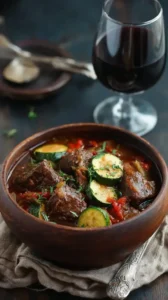


Chicken And Cauliflower Stew
Make this easy Chicken and Cauliflower Stew for a comforting one-pot dinner. Rich, creamy, and packed with flavor. Get the simple recipe now!
Ingredients
For the Stew
-
1.5 lbs boneless, skinless chicken thighs (cut into 1-inch chunks)
-
1 large head cauliflower (cut into florets)
-
1 large yellow onion (diced)
-
3 cloves garlic (minced)
-
2 tbsp tomato paste
-
4 cups chicken broth (low-sodium)
-
1 cup full-fat coconut milk
-
2 tbsp olive oil
-
1 tsp smoked paprika
-
1 tsp dried thyme
-
1 bay leaf
-
Salt and black pepper (to taste)
-
Fresh parsley (for garnish)
Instructions
-
Pat your chicken thighs completely dry with paper towels—this is the secret to getting a proper sear. Season them generously with salt and pepper. Heat the olive oil in your Dutch oven over medium-high heat until it shimmers. Add the chicken in a single layer, working in batches if needed to avoid crowding the pan. Sear until golden brown on all sides, about 3-4 minutes per side. You’re not cooking them through, just building color and flavor. Remove the chicken to a plate and set aside.01
-
Reduce the heat to medium. In the same pot, with all those delicious chicken drippings, add the diced onion. Sauté for about 5-6 minutes, stirring occasionally, until the onions have softened and become translucent. Now, add the minced garlic and cook for just another minute until it becomes incredibly fragrant—be careful not to let it burn.02
-
Push the onions and garlic to the side and add the tomato paste to the center of the pot. Let it cook for a full 1-2 minutes, stirring it in that spot. You’ll see it darken a shade and start to smell sweet and caramelized. This is a game-changer for flavor. Now, sprinkle in the smoked paprika and dried thyme, stirring everything together for 30 seconds to wake up the spices.03
-
It’s time to deglaze! Pour in about a half cup of the chicken broth and use your wooden spoon to scrape up all the browned bits from the bottom of the pot. Those bits are packed with flavor. Once the bottom is clean, add the rest of the broth, the bay leaf, and return the seared chicken (and any accumulated juices) back to the pot.04
-
Bring the stew to a lively simmer, then immediately reduce the heat to low, cover the pot, and let it gently cook for 15 minutes. This initial simmer allows the chicken to become fully tender and infuse the broth with its richness.05
-
Uncover the pot and stir in the cauliflower florets. Make sure they’re mostly submerged in the liquid. Cover the pot again and continue to simmer on low for another 15-20 minutes. The cauliflower should be fork-tender but not disintegrating. You’ll notice the broth has thickened slightly already.06
-
The final flourish! Stir in the full-fat coconut milk. Let the stew heat through for another 3-4 minutes, but do not let it come to a boil after adding the coconut milk, as it can sometimes separate. The sauce should look creamy, glossy, and beautifully united. Taste it and adjust the seasoning with more salt and pepper if needed. Fish out the bay leaf and discard it. Garnish with a generous handful of fresh, chopped parsley before serving.07
Not what you're looking for?


