
This Baked Dijon Salmon is a weeknight hero that feels fancy enough for company. Tender fillets are coated in a tangy, savory-sweet mustard glaze that caramelizes beautifully in the oven. It’s an effortless, elegant meal that delivers incredible flavor with minimal effort.
Craving a delicious Baked Dijon Salmon? You've come to the right spot! From Dinner Ideas favorites to amazing Crockpot Recipes recipes, there's something here for everyone.


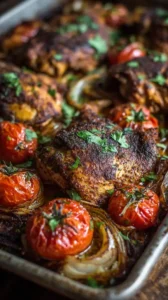
Why You’ll Love This Baked Dijon Salmon
- Effortless Elegance: Looks and tastes sophisticated with wonderfully simple preparation.
- Perfect Glaze: Tangy, savory, and subtly sweet Dijon coating forms a gorgeous crust.
- Incredibly Versatile: Serve hot, at room temperature in salads, or flaked over grains.
- Healthy & Satisfying: Packed with lean protein and healthy fats that truly nourish.
Ingredients & Tools
- 4 (6-ounce / 170 g) salmon fillets, skin-on or skinless
- 3 tablespoons Dijon mustard
- 1 tablespoon whole-grain mustard
- 1 tablespoon honey or maple syrup
- 2 cloves garlic, minced
- 1 tablespoon fresh lemon juice
- 1 teaspoon fresh thyme leaves, or ½ teaspoon dried
- 2 tablespoons olive oil
- ½ teaspoon smoked paprika (optional, for depth)
- Salt and freshly ground black pepper to taste
- Lemon wedges and fresh dill or parsley for serving
Tools: A small bowl for mixing, a baking sheet, parchment paper or aluminum foil, and a pastry brush (helpful but not essential).
Notes: The quality of your Dijon mustard really is the star here, so use a brand you enjoy. Don’t skip the fresh lemon juice—its bright acidity balances the entire glaze.
Nutrition (per serving)
| Calories: | 320 kcal |
| Protein: | 35 g |
| Fat: | 18 g |
| Carbs: | 5 g |
| Fiber: | 1 g |
Serves: 4 | Prep Time: 10 minutes | Cook Time: 12-15 minutes | Total Time: 25 minutes
Before You Start: Tips & Ingredient Notes
- Salmon Selection Matters. Try to find fillets that are similar in thickness for even cooking. If one end is dramatically thinner, it can overcook while the thicker part finishes. A quick, even thickness is your best friend here.
- To Skin or Not to Skin? Cooking salmon with the skin on helps protect the delicate flesh from direct heat, keeping it incredibly moist. It’s also much easier to remove after cooking—it just slides right off. But skinless works perfectly well, too!
- Don’t Fear the Mustard. If you’re wary of mustard being too strong, trust the process. The honey mellows it out, the garlic adds savoriness, and the heat of the oven transforms it into a complex, caramelized coating that is far from overpowering.
- Room Temperature is Key. Let your salmon sit out for about 15-20 minutes before baking. This small step helps it cook more evenly from edge to center, preventing a cold, undercooked middle and a dry, overcooked exterior.
How to Make Baked Dijon Salmon
Step 1: Preheat your oven to 400°F (200°C). Line a rimmed baking sheet with parchment paper or foil for super easy cleanup—trust me, you’ll thank yourself later. Pat the salmon fillets completely dry with paper towels. This is a crucial step for the glaze to stick properly and for the skin to get crispy if you’re using skin-on fillets.
Step 2: In your small bowl, whisk together the Dijon mustard, whole-grain mustard, honey, minced garlic, lemon juice, olive oil, thyme, and smoked paprika (if using) until you have a smooth, emulsified glaze. Season it with a good pinch of salt and several grinds of black pepper. Give it a taste—it should be punchy and bold, as the flavor will mellow and sweeten in the oven.
Step 3: Arrange the dried salmon fillets on your prepared baking sheet. Using a pastry brush or the back of a spoon, generously coat the top and sides of each fillet with the mustard glaze. You want to use all of that glorious mixture—don’t be shy! A nice, even layer is what will create that beautiful, flavorful crust.
Step 4: Place the baking sheet in the preheated oven. The bake time will depend entirely on the thickness of your fillets. For a 1-inch thick fillet, start checking at around 12 minutes. The salmon is done when it flakes easily with a fork and the internal temperature reaches 125-130°F (52-54°C) for medium. The glaze should be bubbly and lightly browned in spots.
Step 5: Once out of the oven, let the salmon rest on the baking sheet for about 3-5 minutes. This allows the juices to redistribute, ensuring every single bite is moist and tender. This is the perfect time to garnish with extra fresh herbs and lemon wedges for serving. The residual heat will wake up the herbs and release their beautiful aroma.
Storage & Freshness Guide
- Fridge: Cool completely, store in an airtight container for up to 2 days.
- Freezer: Wrap tightly and freeze for up to 1 month. Thaw in fridge before reheating.
- Reviving: Reheat gently in a 300°F oven until warm, or flake cold salmon into salads.
Serving Suggestions
Complementary Dishes
- Garlic Herb Quinoa — The nutty flavor of quinoa is a fantastic, protein-packed base that soaks up any extra glaze from the salmon beautifully.
- Simple Roasted Asparagus — Toss asparagus in olive oil, salt, and pepper and roast it on the same pan as the salmon during the last 10 minutes of cooking for a truly easy, one-pan meal.
- Creamy Mashed Potatoes — For the ultimate comfort food pairing, the rich, creamy potatoes are a dreamy contrast to the tangy, sharp flavor of the mustard glaze.
Drinks
- A Crisp Sauvignon Blanc — The wine’s citrusy and herbal notes are a classic pairing that will highlight the lemon and thyme in the dish perfectly.
- Sparkling Water with Lemon — A simple, refreshing non-alcoholic option that cleanses the palate between each flavorful bite without competing with the salmon.
Something Sweet
- Lemon Sorbet — A light, palate-cleansing dessert that continues the citrus theme and provides a wonderfully bright and clean finish to the meal.
- Dark Chocolate Bark with Sea Salt — A few small pieces of rich, bittersweet chocolate offer a sophisticated and simple endnote that contrasts the savory main course delightfully.
Top Mistakes to Avoid
- Mistake: Skipping the Drying Step. If the salmon is wet, the glaze will slide right off and you’ll be left with a puddle of liquid on your baking sheet instead of a caramelized crust on your fish.
- Mistake: Overcooking the Salmon. Salmon continues to cook from residual heat after it leaves the oven. Pull it out when it’s just slightly under your desired doneness—it will perfect itself during the resting period. Overcooked salmon becomes dry and chalky.
- Mistake: Using a Cold Baking Sheet. Always preheat your oven fully before putting the salmon in. Putting cold fish on a cold pan into a hot oven can lead to uneven cooking and a steamed texture rather than a beautifully baked one.
- Mistake: Not Seasoning the Glaze. The glaze itself needs to be seasoned with salt and pepper. If you only season the fish, the flavorful coating might taste a bit flat. Season every layer for the best result.
Expert Tips



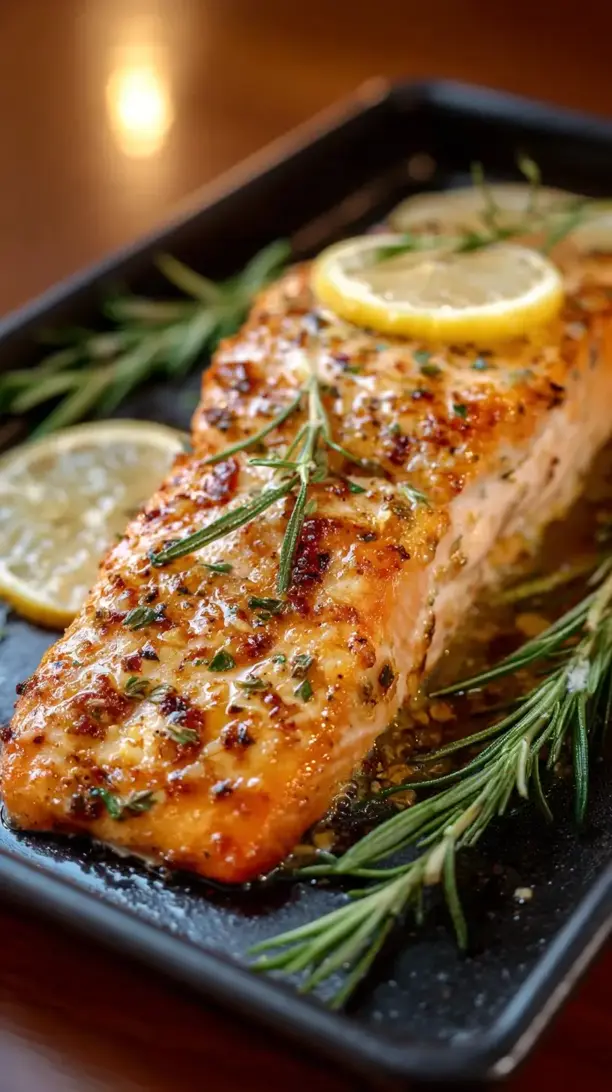
Baked Dijon Salmon
Make this easy Baked Dijon Salmon with a tangy mustard glaze for a healthy, elegant dinner. Ready in 25 minutes! Get the simple recipe here.
Ingredients
For the salmon and glaze:
-
4 salmon fillets (6-ounce / 170 g, skin-on or skinless)
-
3 tablespoons Dijon mustard
-
1 tablespoon whole-grain mustard
-
1 tablespoon honey or maple syrup
-
2 cloves garlic (minced)
-
1 tablespoon fresh lemon juice
-
1 teaspoon fresh thyme leaves (or ½ teaspoon dried)
-
2 tablespoons olive oil
-
½ teaspoon smoked paprika (optional, for depth)
-
Salt and freshly ground black pepper (to taste)
-
Lemon wedges and fresh dill or parsley (for serving)
Instructions
-
Preheat your oven to 400°F (200°C). Line a rimmed baking sheet with parchment paper or foil for super easy cleanup—trust me, you’ll thank yourself later. Pat the salmon fillets completely dry with paper towels. This is a crucial step for the glaze to stick properly and for the skin to get crispy if you’re using skin-on fillets.01
-
In your small bowl, whisk together the Dijon mustard, whole-grain mustard, honey, minced garlic, lemon juice, olive oil, thyme, and smoked paprika (if using) until you have a smooth, emulsified glaze. Season it with a good pinch of salt and several grinds of black pepper. Give it a taste—it should be punchy and bold, as the flavor will mellow and sweeten in the oven.02
-
Arrange the dried salmon fillets on your prepared baking sheet. Using a pastry brush or the back of a spoon, generously coat the top and sides of each fillet with the mustard glaze. You want to use all of that glorious mixture—don’t be shy! A nice, even layer is what will create that beautiful, flavorful crust.03
-
Place the baking sheet in the preheated oven. The bake time will depend entirely on the thickness of your fillets. For a 1-inch thick fillet, start checking at around 12 minutes. The salmon is done when it flakes easily with a fork and the internal temperature reaches 125-130°F (52-54°C) for medium. The glaze should be bubbly and lightly browned in spots.04
-
Once out of the oven, let the salmon rest on the baking sheet for about 3-5 minutes. This allows the juices to redistribute, ensuring every single bite is moist and tender. This is the perfect time to garnish with extra fresh herbs and lemon wedges for serving. The residual heat will wake up the herbs and release their beautiful aroma.05
Not what you're looking for?