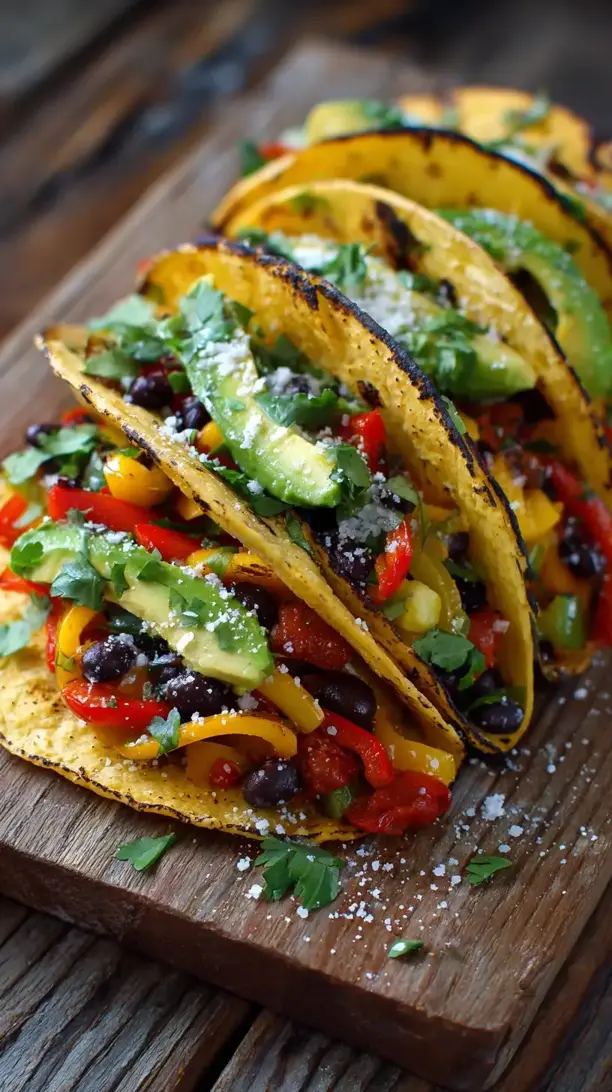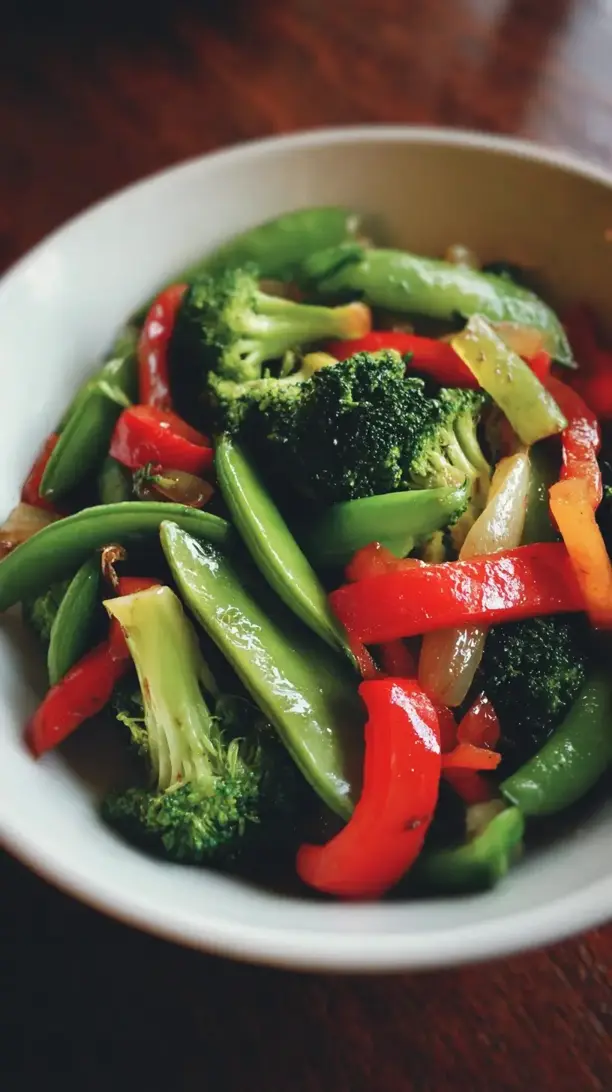
This Chicken Lo Mein delivers savory, aromatic takeout flavor in under 30 minutes. Tender noodles, juicy chicken, and crisp vegetables are tossed in a glossy, umami-rich sauce. High-heat cooking gives that signature “wok hei” finish.
Love Chicken Lo Mein? So do we! If you're into Dinner Ideas or curious about Chicken Thigh Recipes, you'll find plenty of inspiration below.



Why You’ll Love This Chicken Lo Mein
- Faster than takeout: Ready in about 30 minutes from start to finish.
- Deep, complex flavor: Balanced sauce with oyster sauce, sesame oil, and a touch of sweetness.
- Fridge-cleaner friendly: Easily adapt with whatever vegetables you have on hand.
- Perfect texture: Tender noodles, juicy chicken, and crisp-tender veggies.
Ingredients & Tools
- 8 oz lo mein noodles or spaghetti
- 1 lb boneless, skinless chicken thighs, sliced thinly
- 2 tbsp vegetable oil, divided
- 1 tbsp minced ginger
- 3 cloves garlic, minced
- 1 cup shredded carrots
- 1 red bell pepper, thinly sliced
- 2 cups shredded napa cabbage
- 2 scallions, sliced
- 1/4 cup soy sauce (or tamari)
- 2 tbsp oyster sauce
- 1 tbsp hoisin sauce
- 1 tsp sesame oil
- 1 tsp rice vinegar
- 1 tbsp brown sugar
- 1/2 cup chicken broth
- 1 tbsp cornstarch
Tools: A large wok or a very large skillet, a pot for boiling noodles, tongs, and a small bowl for mixing the sauce.
Notes: Don’t be intimidated by the ingredient list—most are pantry staples. The oyster and hoisin sauce combo gives deep umami flavor.
Nutrition (per serving)
| Calories: | 485 kcal |
| Protein: | 28 g |
| Fat: | 14 g |
| Carbs: | 58 g |
| Fiber: | 4 g |
Serves: 4 | Prep Time: 15 minutes | Cook Time: 15 minutes | Total Time: 30 minutes
Before You Start: Tips & Ingredient Notes
- Get your mise en place ready. This dish cooks very quickly, so having all your ingredients prepped, sliced, and within arm’s reach is non-negotiable. Once you start cooking, there’s no time to stop and mince garlic.
- Why chicken thighs? I strongly recommend thighs over breasts for this recipe. They have more fat, which means they stay incredibly juicy and tender even when cooked over high heat. Breast meat can easily dry out.
- The noodle choice matters. Authentic lo mein noodles are springy and chewy. If you can’t find them, spaghetti is a perfectly good substitute—just be sure not to overcook them. You want them al dente.
- Don’t skip the cornstarch. This is our thickening agent. It’s what makes the sauce glossy and allows it to cling beautifully to the noodles instead of pooling at the bottom of your bowl.
- High heat is your friend. To get that slightly smoky, “wok-fried” flavor, you need to cook over the highest heat your stove can produce. This sears the ingredients quickly, locking in flavor and texture.
How to Make Chicken Lo Mein
Step 1: Prep and Cook the Noodles. Bring a large pot of salted water to a boil. Cook your lo mein noodles or spaghetti according to the package directions, but aim for al dente. They’ll continue to cook a bit in the wok later. Once cooked, drain them thoroughly and toss with a tiny drizzle of oil to prevent sticking. Set them aside while you work on the rest.
Step 2: Make the Sauce. In a small bowl or a liquid measuring cup, whisk together the soy sauce, oyster sauce, hoisin sauce, sesame oil, rice vinegar, brown sugar, chicken broth, and cornstarch. Whisk it until the cornstarch is completely dissolved and there are no lumps. Doing this now means you can just pour it in later without fumbling—a real game-changer for a fast-paced stir-fry.
Step 3: Cook the Chicken. Pat your thinly sliced chicken thighs completely dry with a paper towel—this is crucial for getting a good sear. Heat 1 tablespoon of vegetable oil in your wok or large skillet over high heat until it’s shimmering. Add the chicken in a single layer and let it sear undisturbed for about 1 minute to get some color. Then, stir-fry for another 3-4 minutes until it’s cooked through and nicely browned. Remove the chicken from the wok and set it aside on a plate.
Step 4: Sauté the Aromatics and Vegetables. Add the remaining 1 tablespoon of oil to the hot wok. Immediately add the ginger and garlic, and stir-fry for just 30 seconds until incredibly fragrant—be careful not to burn it! Then, toss in the carrots and bell pepper. Stir-fry for about 2 minutes until they just begin to soften. You’ll notice their colors becoming more vibrant. Add the napa cabbage and stir-fry for another minute until it’s slightly wilted.
Step 5: Bring It All Together. Return the cooked chicken (and any accumulated juices) to the wok with the vegetables. Give your sauce mixture another quick whisk (the cornstarch can settle) and pour it over everything. It will bubble and thicken almost immediately. Once the sauce is glossy and has thickened, which should take about 1 minute, add the cooked noodles and sliced scallions.
Step 6: The Final Toss. Using a set of tongs, toss everything together vigorously, making sure every single noodle is coated in that glorious, shiny sauce and everything is heated through. This should only take another minute or two. Taste and adjust seasoning if needed—sometimes a tiny extra splash of soy sauce does the trick. Serve immediately while it’s piping hot!
Storage & Freshness Guide
- Fridge: Store in an airtight container for 3–4 days.
- Freezer: Freeze for up to 2 months; noodles may soften upon thawing.
- Reviving: Reheat in a skillet with a splash of water to refresh the sauce.
Serving Suggestions
Complementary Dishes
- Simple Steamed Edamame — A light, salty starter that’s effortless to prepare and perfectly primes the palate for the rich, savory noodles.
- Hot and Sour Soup or Egg Drop Soup — The sharp, tangy notes of a hot and sour soup or the silky simplicity of an egg drop soup create a wonderful textural and flavor contrast to the main event.
- Asian-Inspired Cucumber Salad — A quick-pickled cucumber salad with rice vinegar and a hint of chili provides a crisp, refreshing, and acidic counterpoint that cuts through the richness beautifully.
Drinks
- Jasmine Green Tea (Iced or Hot) — Its delicate floral aroma cleanses the palate between bites and complements the savory umami flavors without overpowering them.
- A Crisp Lager or Pilsner — The carbonation and mild bitterness of a light beer are fantastic for cutting through the oil and richness, making each bite of lo mein taste fresh again.
- Gewürztraminer or an Off-Dry Riesling — A wine with a touch of sweetness and lychee notes stands up to the dynamic flavors in the dish and creates a truly elegant pairing.
Something Sweet
- Fortune Cookies and Orange Slices — A classic, no-fuss ending. The bright, citrusy freshness of the orange is a perfect palate-cleanser after a savory meal.
- Mango Pudding or Coconut Sorbet — The tropical, creamy sweetness is a light and refreshing finale that feels indulgent without being too heavy.
- Lychee Fruit — Simply serving canned or fresh lychees provides a juicy, floral, and subtly sweet treat that feels authentic and wonderfully simple.
Top Mistakes to Avoid
- Overcrowding the wok. If you add too much at once, the temperature plummets and you end up steaming the ingredients instead of searing them. This leads to soggy, bland vegetables and rubbery chicken. Cook in batches if necessary.
- Overcooking the noodles. Remember, the noodles will cook a little more when you toss them in the sauce. If you boil them to a soft mush, they’ll turn to paste in the wok. Al dente is the goal.
- Adding the sauce too early. You want to cook your aromatics and vegetables first to develop their flavor. If you add the sauce with the cornstarch too soon, it can thicken before the veggies are cooked, leading to a gloppy mess.
- Using low heat. I’ve messed this up before too, trying to be cautious. But high, screaming heat is essential for that authentic stir-fry flavor and texture. Don’t be shy—let that wok get properly hot.
Expert Tips
- Tip: Velvet your chicken for supreme tenderness. For an extra-restaurant-quality touch, marinate your sliced chicken for 15-20 minutes in 1 tbsp of soy sauce, 1 tsp of cornstarch, and 1 tsp of oil before cooking. This “velveting” technique creates a protective layer that keeps the chicken incredibly juicy.
- Tip: Add a splash of Shaoxing wine. If you have it or want to get a little more authentic, deglaze the wok with a tablespoon of Shaoxing wine after cooking the garlic and ginger, before adding the veggies. It adds a wonderful depth of flavor.
- Tip: Don’t skimp on the final toss. This is where the magic happens. Tossing everything vigorously for a full minute or two over the heat ensures the sauce is fully emulsified and clinging to every component, creating a unified dish.
- Tip: Finish with a fresh garnish. A final drizzle of toasted sesame oil and a sprinkle of fresh scallions or cilantro right before serving adds a burst of fresh aroma and flavor that makes the whole dish pop.
FAQs
Can I use a different protein?
Absolutely! This recipe is very flexible. Thinly sliced beef, shrimp, or even firm tofu (pressed and cubed) work wonderfully. Just adjust the cooking time accordingly—shrimp will cook in just 1-2 minutes, while beef might take a bit longer than chicken. For a vegetarian version, you can double up on the vegetables and use vegetable broth.
My sauce didn’t thicken. What happened?
This usually means the cornstarch wasn’t properly dissolved or it was added to a liquid that wasn’t hot enough. Always whisk your cornstarch into a cold liquid (like the chicken broth) first to create a “slurry” before combining it with the other sauce ingredients. When you add it to the hot wok, it should bubble and thicken almost instantly.
Can I make this ahead of time?
You can prep all the components ahead—slice the veggies, make the sauce, and cook the noodles. But for the best texture, I highly recommend doing the final stir-fry just before serving. Leftovers will keep for 3-4 days in the fridge, though the noodles will soften a bit. Reheat gently in a skillet with a tiny splash of water to loosen the sauce.
What’s the best substitute for lo mein noodles?
Spaghetti is the most common and effective substitute—its shape and texture are very similar. You could also use linguine, fettuccine, or even udon noodles for a chewier bite. The key is to use a noodle that can hold its own against the robust sauce and stir-frying.
Is there a substitute for oyster sauce to make this vegetarian?
Yes! To make a vegetarian version, you can use mushroom stir-fry sauce or vegetarian oyster sauce, which is typically made from mushrooms. Another option is to use an extra tablespoon of hoisin sauce, though the flavor profile will be a bit sweeter.



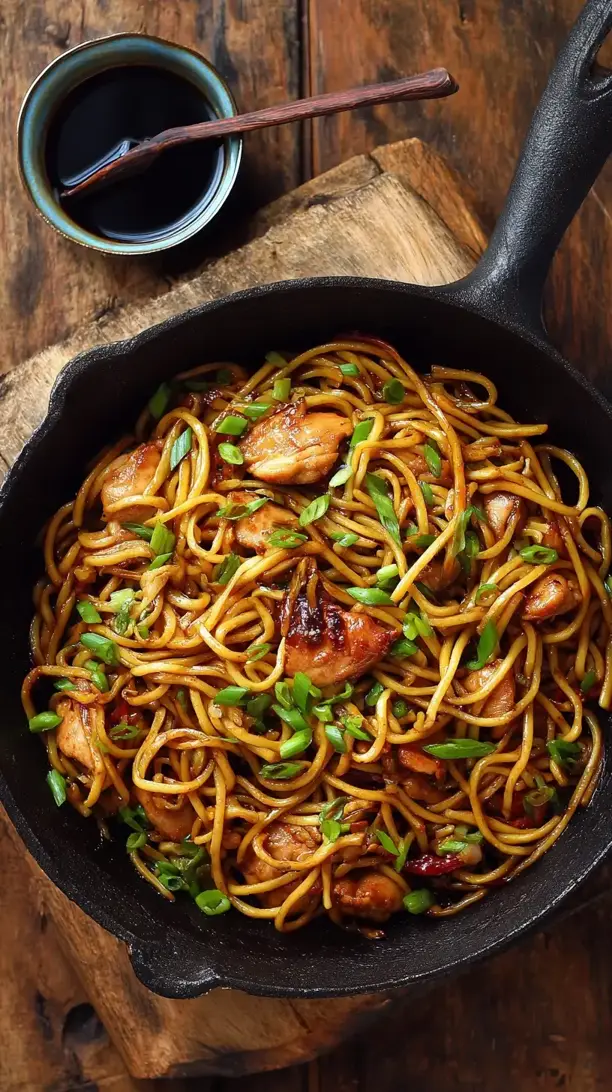
Chicken Lo Mein
Make delicious Chicken Lo Mein at home in 30 minutes! This easy recipe features tender noodles, juicy chicken, and crisp veggies in a savory sauce. Get the recipe now!
Ingredients
For the Noodles & Protein
-
8 oz lo mein noodles or spaghetti
-
1 lb boneless, skinless chicken thighs (sliced thinly)
-
2 tbsp vegetable oil (divided)
For the Aromatics & Vegetables
-
1 tbsp minced ginger
-
3 cloves garlic (minced)
-
1 cup shredded carrots
-
1 red bell pepper (thinly sliced)
-
2 cups shredded napa cabbage
-
2 scallions (sliced)
For the Sauce
-
1/4 cup soy sauce (or tamari)
-
2 tbsp oyster sauce
-
1 tbsp hoisin sauce
-
1 tsp sesame oil
-
1 tsp rice vinegar
-
1 tbsp brown sugar
-
1/2 cup chicken broth
-
1 tbsp cornstarch
Instructions
-
Bring a large pot of salted water to a boil. Cook your lo mein noodles or spaghetti according to the package directions, but aim for al dente. Once cooked, drain them thoroughly and toss with a tiny drizzle of oil to prevent sticking. Set them aside while you work on the rest.01
-
In a small bowl or a liquid measuring cup, whisk together the soy sauce, oyster sauce, hoisin sauce, sesame oil, rice vinegar, brown sugar, chicken broth, and cornstarch. Whisk it until the cornstarch is completely dissolved and there are no lumps.02
-
Pat your thinly sliced chicken thighs completely dry with a paper towel. Heat 1 tablespoon of vegetable oil in your wok or large skillet over high heat until it’s shimmering. Add the chicken in a single layer and let it sear undisturbed for about 1 minute to get some color. Then, stir-fry for another 3-4 minutes until it’s cooked through and nicely browned. Remove the chicken from the wok and set it aside on a plate.03
-
Add the remaining 1 tablespoon of oil to the hot wok. Immediately add the ginger and garlic, and stir-fry for just 30 seconds until incredibly fragrant. Then, toss in the carrots and bell pepper. Stir-fry for about 2 minutes until they just begin to soften. Add the napa cabbage and stir-fry for another minute until it’s slightly wilted.04
-
Return the cooked chicken (and any accumulated juices) to the wok with the vegetables. Give your sauce mixture another quick whisk and pour it over everything. It will bubble and thicken almost immediately. Once the sauce is glossy and has thickened, which should take about 1 minute, add the cooked noodles and sliced scallions.05
-
Using a set of tongs, toss everything together vigorously, making sure every single noodle is coated in that glorious, shiny sauce and everything is heated through. This should only take another minute or two. Taste and adjust seasoning if needed. Serve immediately while it’s piping hot.06
Not what you're looking for?