This To Die For Fettuccine Alfredo delivers a silky, rich, and deeply comforting restaurant-quality meal at home. With just a handful of quality ingredients and a few key techniques, you can create an extraordinary pasta dish in about 20 minutes. It’s the real deal—easier to make than you think and incredibly satisfying.
Love To Die For Fettuccine Alfredo? So do we! If you're into Dinner Ideas or curious about Burgers, you'll find plenty of inspiration below.


Why You’ll Love This To Die For Fettuccine Alfredo
- Luxurious & simple: A handful of quality ingredients creates a restaurant-worthy dish.
- Silky texture: The sauce emulsifies perfectly without breaking or becoming greasy.
- Quick to make: Ready in 20 minutes, perfect for a decadent, fuss-free meal.
- Easy to customize: Welcomes additions like grilled chicken, shrimp, or broccoli.
Ingredients & Tools
- 8 oz (225 g) fettuccine pasta
- 1/2 cup (115 g) unsalted butter, cut into tablespoons
- 1 cup (240 ml) heavy cream
- 1 cup (100 g) freshly grated Parmigiano-Reggiano cheese
- 3 cloves garlic, minced
- 1/4 tsp freshly grated nutmeg
- Salt and white pepper to taste
- Fresh parsley, chopped (for garnish)
Tools: A large pot for pasta, a large skillet or sauté pan, a microplane or fine grater, tongs.
Notes: The quality of your ingredients really shines here, so don’t skimp. Real Parmigiano-Reggiano and a good European-style butter make a world of difference in flavor and silkiness.
Nutrition (per serving)
| Calories: | 680 kcal |
| Protein: | 18 g |
| Fat: | 52 g |
| Carbs: | 42 g |
| Fiber: | 2 g |
Serves: 4 | Prep Time: 5 minutes | Cook Time: 15 minutes | Total Time: 20 minutes
Before You Start: Tips & Ingredient Notes
- Grate your own cheese. Pre-shredded cheese contains anti-caking agents like potato starch or cellulose, which can prevent your sauce from becoming smooth and silky. A microplane grater gives you a fine, fluffy pile that melts instantly.
- Have everything measured and ready. This sauce comes together quickly once you start, so having your butter measured, cream poured, and cheese grated means you won’t be scrambling and risk overcooking anything.
- Use the pasta water. Don’t drain it all! The starchy, salty pasta water is liquid gold for adjusting the consistency of your sauce at the end, helping it cling to the noodles perfectly.
- Why white pepper? It provides a gentle, earthy heat without leaving black specks throughout your beautiful, creamy white sauce. If you only have black pepper, that’s okay—just grind it very finely.
How to Make To Die For Fettuccine Alfredo
Step 1: Bring a large pot of generously salted water to a rolling boil. You want the water to taste like the sea—this is your only chance to season the pasta itself from the inside out. Add the fettuccine and cook according to package directions until al dente. Just before draining, reserve about 1 cup of the starchy pasta water. This is your secret weapon for the sauce.
Step 2: While the pasta cooks, let’s start the sauce. In a large skillet over medium heat, melt the butter. You don’t want it to sizzle or brown, just melt gently. Once melted, add the minced garlic and cook for just 60-90 seconds, until it becomes fragrant. You’ll notice the aroma is sweet and nutty, not sharp. Be careful not to let the garlic brown, as it can become bitter.
Step 3: Pour in the heavy cream and add the nutmeg, a pinch of salt, and white pepper. Give it a good stir and let it come to a very gentle simmer. You should see small bubbles forming around the edges of the pan. Let it cook for 2-3 minutes, stirring occasionally, to allow the cream to reduce slightly and the flavors to meld.
Step 4: Now for the magic. Reduce the heat to low. Gradually sprinkle in the grated Parmigiano-Reggiano, a handful at a time, whisking constantly. The trick is to let each addition melt fully before adding the next. You’ll see the sauce transform from a thin, creamy liquid to a thicker, velvety consistency that coats the back of a spoon.
Step 5: Add the drained, hot fettuccine directly into the skillet with the sauce. Using tongs, toss the pasta thoroughly, lifting and folding to coat every strand. If the sauce seems too thick, add a splash of the reserved pasta water, one tablespoon at a time, until it reaches a luxurious, flowing consistency that clings to the pasta.
Step 6: Do a final taste test. Adjust the seasoning with more salt or white pepper if needed. The flavors should be rich, cheesy, and perfectly balanced. Serve immediately in warmed bowls, garnished with a sprinkle of fresh parsley for a pop of color and freshness.
Storage & Freshness Guide
- Fridge: Store leftovers in an airtight container for up to 3 days.
- Freezer: Freezing is not recommended as the sauce may separate upon thawing.
- Reviving: Reheat gently on the stove with a splash of cream or pasta water, stirring constantly.
Serving Suggestions
Complementary Dishes
- Garlic Herb Roasted Chicken — The juicy, savory flavors of roasted chicken are a classic pairing that turns this pasta into a complete, hearty meal.
- Simple Arugula Salad with Lemon Vinaigrette — The peppery arugula and bright, acidic dressing cut through the richness of the Alfredo beautifully, cleansing the palate.
- Sautéed Garlic Mushrooms — Their earthy, umami depth adds another layer of savory flavor that complements the cheese and cream perfectly.
Drinks
- A Crisp Pinot Grigio — Its bright acidity and citrus notes provide a refreshing contrast to the decadent, creamy sauce.
- Sparkling Water with Lemon — Sometimes the best drink is a simple, bubbly non-alcoholic option that resets your taste buds between bites.
Something Sweet
- Dark Chocolate Espresso Truffles — A few bites of intense, bitter-dark chocolate provide a sophisticated and satisfying end to the rich meal.
- Lemon Sorbet — This is the ultimate palate cleanser; its icy, sharp citrus flavor is incredibly refreshing after the creamy pasta.
Top Mistakes to Avoid
- Using pre-shredded cheese. The anti-caking coatings prevent proper melting, leading to a grainy, clumpy sauce instead of a smooth emulsion. I’ve messed this up before too, and the texture is just not the same.
- Letting the sauce boil after adding the cheese. High heat can cause the fats and proteins to separate, making your sauce oily and broken. Keep it on low heat once the cheese goes in.
- Overcooking the pasta. Mushy pasta can’t stand up to the rich sauce. Always aim for al dente, as it will continue to cook slightly when you toss it in the hot pan.
- Skipping the pasta water. That starchy liquid is the key to getting the sauce to the perfect consistency so it clings to the pasta instead of pooling at the bottom of the bowl.
Expert Tips
- Tip: Warm your serving bowls. Place your empty bowls in the oven on the lowest setting for a few minutes before serving. A warm bowl keeps the Alfredo hot and silky for longer, preventing it from setting up too quickly.
- Tip: Add a splash of pasta water to leftover sauce. When reheating leftovers, the sauce will have thickened. Adding a tablespoon of water or milk and gently reheating on the stove while stirring will bring back its creamy consistency.
- Tip: Infuse the cream with garlic for a subtler flavor. For a more mellow garlic presence, gently warm the cream with the whole, smashed garlic cloves for 10-15 minutes before starting the sauce, then strain them out.
- Tip: Finish with a drizzle. Right before serving, drizzle a tiny bit of high-quality extra virgin olive oil or a sprinkle of freshly cracked black pepper over the top for a final touch of flavor and visual appeal.
FAQs
Can I make this Alfredo sauce ahead of time?
You can, but it’s best enjoyed fresh. If you must, prepare the sauce without the pasta and store it in an airtight container in the fridge for up to 2 days. Reheat it very gently in a saucepan over low heat, adding a splash of cream or milk while whisking to bring it back together. Do not microwave it, as this will almost certainly cause it to separate.
My sauce turned out grainy. What happened?
This usually happens for one of two reasons: the heat was too high when you added the cheese, causing the proteins to tighten and seize, or you used pre-shredded cheese. Next time, ensure your heat is on low and grate a block of real Parmigiano-Reggiano yourself for the smoothest, silkiest result.
Can I use a different type of pasta?
Absolutely! While fettuccine is classic, this sauce works wonderfully with tagliatelle, pappardelle, or even short, sturdy shapes like rigatoni that can hold onto the creamy sauce. The key is to always reserve that starchy pasta water to help the sauce adhere.
Is there a way to make this recipe lighter?
You can experiment by substituting half-and-half for the heavy cream, but the sauce will be much thinner and less rich. To compensate, you might need to let it reduce for a bit longer. Using a lighter butter is not recommended, as the fat content is crucial for the sauce’s texture and flavor.
Why is my sauce too thin?
If your sauce is too thin, it likely needs a little more reduction. Let it simmer for another few minutes before adding the cheese. If it’s still thin after adding the pasta, toss the pasta in the pan off the heat—the residual heat will continue to thicken it as the starches release.



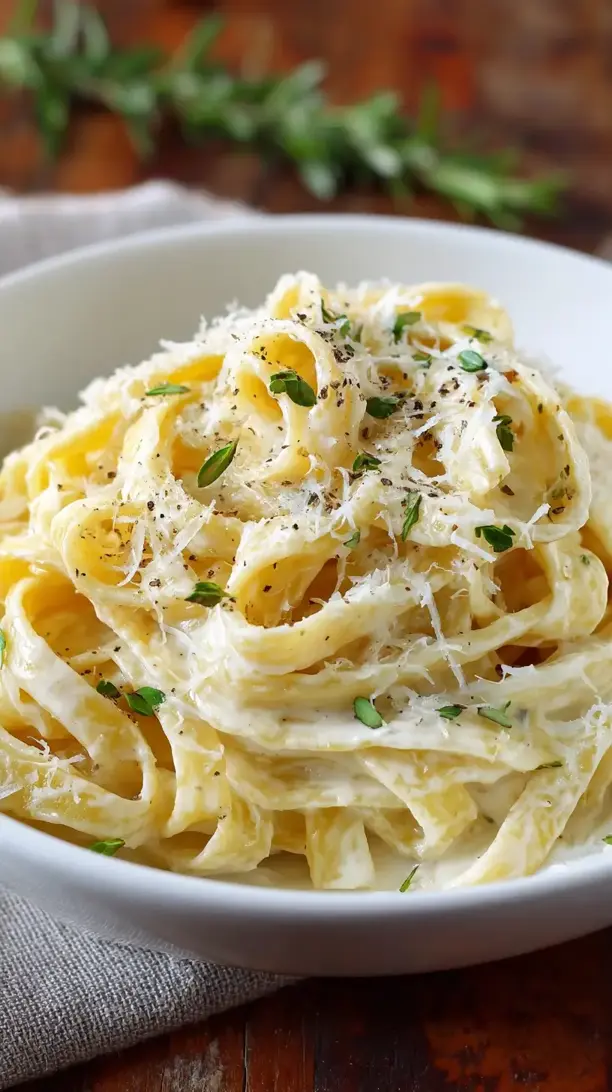
To Die For Fettuccine Alfredo
Make the best To Die For Fettuccine Alfredo at home! This easy recipe delivers a silky, rich, and restaurant-quality pasta in 20 minutes. Get the recipe now!
Ingredients
For the Ingredients & Tools
-
8 oz fettuccine pasta
-
1/2 cup unsalted butter (cut into tablespoons)
-
1 cup heavy cream
-
1 cup freshly grated Parmigiano-Reggiano cheese
-
3 cloves garlic (minced)
-
1/4 tsp freshly grated nutmeg
-
Salt and white pepper (to taste)
-
Fresh parsley (chopped, for garnish)
Instructions
-
Bring a large pot of generously salted water to a rolling boil. You want the water to taste like the sea—this is your only chance to season the pasta itself from the inside out. Add the fettuccine and cook according to package directions until al dente. Just before draining, reserve about 1 cup of the starchy pasta water. This is your secret weapon for the sauce.01
-
While the pasta cooks, let’s start the sauce. In a large skillet over medium heat, melt the butter. You don’t want it to sizzle or brown, just melt gently. Once melted, add the minced garlic and cook for just 60-90 seconds, until it becomes fragrant. You’ll notice the aroma is sweet and nutty, not sharp. Be careful not to let the garlic brown, as it can become bitter.02
-
Pour in the heavy cream and add the nutmeg, a pinch of salt, and white pepper. Give it a good stir and let it come to a very gentle simmer. You should see small bubbles forming around the edges of the pan. Let it cook for 2-3 minutes, stirring occasionally, to allow the cream to reduce slightly and the flavors to meld.03
-
Now for the magic. Reduce the heat to low. Gradually sprinkle in the grated Parmigiano-Reggiano, a handful at a time, whisking constantly. The trick is to let each addition melt fully before adding the next. You’ll see the sauce transform from a thin, creamy liquid to a thicker, velvety consistency that coats the back of a spoon.04
-
Add the drained, hot fettuccine directly into the skillet with the sauce. Using tongs, toss the pasta thoroughly, lifting and folding to coat every strand. If the sauce seems too thick, add a splash of the reserved pasta water, one tablespoon at a time, until it reaches a luxurious, flowing consistency that clings to the pasta.05
-
Do a final taste test. Adjust the seasoning with more salt or white pepper if needed. The flavors should be rich, cheesy, and perfectly balanced. Serve immediately in warmed bowls, garnished with a sprinkle of fresh parsley for a pop of color and freshness.06
Not what you're looking for?