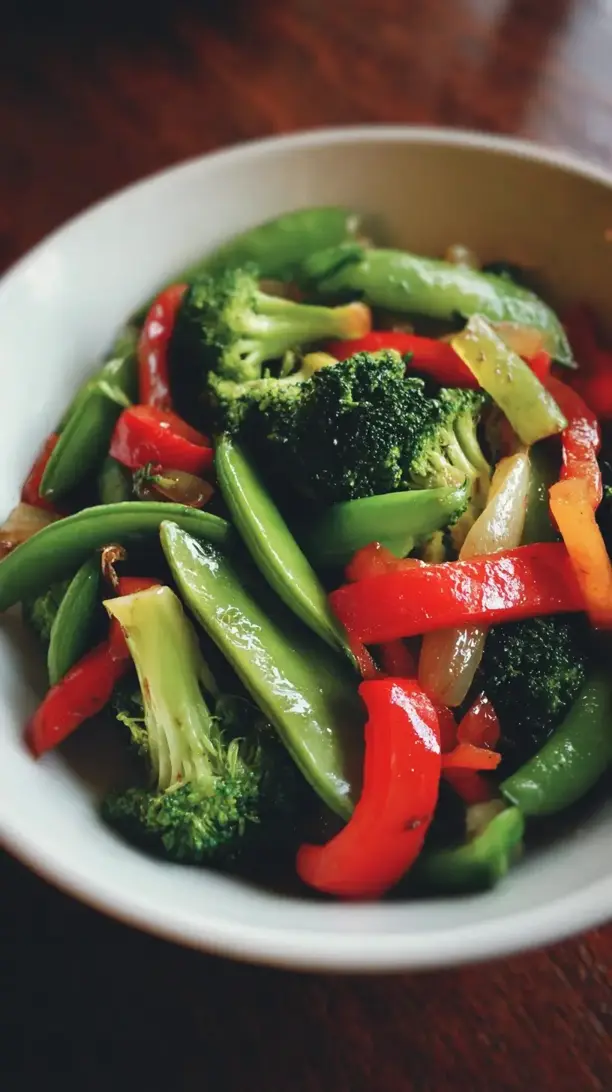
This Honey Mustard Pork Tenderloin is a simple yet impressive main course. The sweet honey and tangy mustard create a magical glaze that caramelizes into a gorgeous crust. It’s a foolproof recipe that delivers juicy, flavorful pork every time.
Love Honey Mustard Pork Tenderloin? So do we! If you're into Dinner Ideas or curious about Chicken Recipes, you'll find plenty of inspiration below.



Why You’ll Love This Honey Mustard Pork Tenderloin
- Deceptively simple: Just a few pantry staples create a glaze that tastes gourmet.
- Perfect flavor balance: Sweet honey and tangy mustard sing together.
- Juicy & tender: Quick sear and gentle roast lock in all the juices.
- Incredibly versatile: Pairs with many sides and makes great leftovers.
Ingredients & Tools
- 1 (1 to 1.5 lb) pork tenderloin
- 2 tbsp olive oil, divided
- 1 tsp kosher salt
- 1/2 tsp freshly ground black pepper
- 1/4 cup Dijon mustard
- 1/4 cup honey
- 2 cloves garlic, minced
- 1 tbsp apple cider vinegar
- 1 tsp smoked paprika
- Fresh thyme or rosemary for garnish (optional)
Tools: A large oven-safe skillet (cast iron is ideal), small bowl for the glaze, whisk, instant-read thermometer, and tongs.
Notes: The quality of your honey and mustard really makes a difference here. Don’t skip the apple cider vinegar; it balances the sweetness.
Nutrition (per serving)
| Calories: | 285 kcal |
| Protein: | 24 g |
| Fat: | 10 g |
| Carbs: | 19 g |
| Fiber: | 0.5 g |
Serves: 4 | Prep Time: 10 minutes | Cook Time: 20 minutes | Total Time: 30 minutes
Before You Start: Tips & Ingredient Notes
- Bring the pork to room temperature. Taking the tenderloin out of the fridge 20-30 minutes before cooking helps it cook more evenly. A cold center takes much longer to heat up, which can lead to an overcooked exterior.
- Pat that pork dry. Use paper towels to thoroughly dry the surface of the tenderloin. A dry surface is the secret to getting a beautiful, deep golden-brown sear instead of steaming it.
- Don’t skip the sear. Searing in a hot skillet before roasting is non-negotiable for flavor. It creates a Maillard reaction—that’s the fancy term for the delicious, complex, browned crust that adds so much depth.
- An instant-read thermometer is your best friend. Guesswork is the enemy of juicy pork. A thermometer takes all the stress away and ensures you pull the meat out at the perfect temperature for juicy, safe, and delicious results.
How to Make Honey Mustard Pork Tenderloin
Step 1: Preheat your oven to 400°F (200°C). While it heats up, pat the pork tenderloin completely dry with paper towels. This is a small step, but it’s crucial for that perfect sear. Then, rub the tenderloin all over with one tablespoon of the olive oil and season it generously with the salt and pepper. You want every inch covered—this is your foundation layer of flavor.
Step 2: Place your oven-safe skillet over medium-high heat and add the remaining tablespoon of olive oil. Once the oil is shimmering hot, carefully add the pork tenderloin. You should hear a satisfying sizzle. Sear it for about 2-3 minutes per side, using tongs to turn it, until you have a nice golden-brown crust on all sides, including the ends. Don’t rush this step—that color equals flavor.
Step 3: While the pork is searing, whisk together the glaze. In a small bowl, combine the Dijon mustard, honey, minced garlic, apple cider vinegar, and smoked paprika. Whisk it until it’s completely smooth and emulsified. You’ll notice the smell is already incredible—tangy, sweet, and a little smoky from the paprika.
Step 4: Once the pork is seared, turn the heat down to low. Using a brush or a spoon, coat the entire tenderloin with about two-thirds of the honey mustard glaze, reserving the rest for later. Be generous! Get it into all the nooks and crannies. The heat from the skillet will start to cook the glaze onto the meat immediately.
Step 5: Transfer the entire skillet to your preheated oven. Roast for 12-18 minutes. Start checking the internal temperature with your instant-read thermometer at the 12-minute mark. You’re aiming for 145°F (63°C) at the thickest part of the tenderloin. The pork will be juicy and slightly pink in the center, which is perfectly safe and delicious.
Step 6: Carefully remove the skillet from the oven—remember, the handle will be extremely hot! Transfer the pork to a cutting board and let it rest for 5-10 minutes. This is non-negotiable; resting allows the juices to redistribute throughout the meat. If you slice it immediately, all those precious juices will run out onto the board.
Step 7: Just before serving, brush the pork with the remaining reserved glaze. This gives it an extra glossy, professional finish and a final punch of fresh flavor. Slice the tenderloin into 1-inch thick medallions, arrange them on a platter, and drizzle with any accumulated juices from the cutting board. Garnish with fresh herbs if you like, and serve immediately.
Storage & Freshness Guide
- Fridge: Store leftovers in an airtight container for up to 4 days.
- Freezer: Wrap sliced pork tightly and freeze for up to 3 months.
- Reviving: Reheat gently in a covered skillet with a splash of broth.
Serving Suggestions
Complementary Dishes
- Garlic Mashed Potatoes — The creamy, savory potatoes are the perfect canvas for the sweet and tangy pork glaze. They soak up every last bit of sauce from your plate.
- Roasted Asparagus or Green Beans — A simple roasted vegetable adds a lovely earthy note and a bit of crisp-tender texture that contrasts beautifully with the soft, juicy pork.
- A Crisp Apple & Fennel Salad — The sharp, anise-like flavor of fresh fennel and the sweetness of apple slices cut through the richness of the pork, cleansing the palate between bites.
Drinks
- A Crisp Chardonnay or Pinot Gris — A white wine with a bit of acidity and body can stand up to the mustard’s tang while complementing the honey’s sweetness without overpowering it.
- A Malty Amber Ale — The caramel notes in the beer mirror the caramelized glaze on the pork, creating a really harmonious pairing that feels both rustic and refined.
Something Sweet
- Warm Apple Crumble — The comforting, spiced fruit and buttery oat topping continue the cozy, autumnal vibe of the main course, making for a perfectly satisfying end to the meal.
- Lemon Sorbet — For a lighter finish, a scoop of bright, tart lemon sorbet is incredibly refreshing and cleanses the palate after the rich and savory pork dish.
Top Mistakes to Avoid
- Mistake: Not using a thermometer. I’ve messed this up before too, thinking I could just “tell” when it was done. Overcooked pork tenderloin is dry and tough. Undercooked is unsafe. The thermometer is the only way to guarantee perfect results every single time.
- Mistake: Skipping the sear. If you just pop the pork in the oven with the glaze, you’ll miss out on all the complex, savory flavor that the Maillard reaction provides. That initial sear in a hot pan is what gives the dish its depth.
- Mistake: Slicing immediately after cooking. I know it’s tempting to dig right in, but if you slice into that pork the second it comes out of the oven, the juices will flood out onto your cutting board, leaving the meat drier. Let it rest!
- Mistake: Using a glass or non-stick baking dish for the entire process. You need an oven-safe skillet to go from stovetop to oven. Starting in a dish that can’t handle the stovetop heat means you can’t get that crucial initial sear.
Expert Tips
- Tip: Butterfly the thicker end. If your tenderloin is unevenly shaped, consider butterflying the thicker end by making a lengthwise cut about three-quarters of the way through and opening it like a book. This creates a more uniform thickness for even cooking from end to end.
- Tip: Add a splash of broth. After you remove the pork from the skillet to rest, place the skillet back over low heat. Add a splash of chicken broth or white wine and scrape up all the browned bits. Let it simmer for a minute to create a fantastic, simple pan sauce to pour over the sliced pork.
- Tip: Let the glaze marinate. For an even deeper flavor, you can rub the pork with the salt, pepper, and half of the glaze and let it sit for up to an hour in the fridge before you sear it. The flavors will penetrate the meat more deeply.
- Tip: Use the glaze for basting. If you have time during the roasting process, open the oven and baste the pork with the juices and glaze collected in the skillet once or twice. This builds up an even more luscious, glossy coating.
FAQs
Can I make this with pork chops instead?
Absolutely! The honey mustard glaze is fantastic on pork chops. You’ll follow a similar process: sear the chops in a hot skillet, then brush with the glaze and finish cooking in a 400°F oven until they reach 145°F internally. The cooking time will be shorter depending on the thickness of your chops, so keep that thermometer handy. It’s a great way to get a similar flavor profile on a different cut.
My glaze is burning in the oven. What did I do wrong?
This usually happens if there’s too much sugar (honey) directly exposed to the high heat without enough other liquid. Make sure you’re using the full glaze recipe with the vinegar and mustard, and that you’ve coated the meat evenly. If you notice it darkening too quickly, you can tent the pork loosely with a piece of aluminum foil for the remainder of the cooking time to protect the surface.
Can I prepare the glaze ahead of time?
You sure can! The glaze can be whisked together and stored in an airtight container in the refrigerator for up to 5 days. This is a great little hack for making weeknight dinners even faster. Just give it a good stir before using it, as the ingredients might separate slightly while sitting.
What’s the best way to reheat leftovers?
The key is gentle, low heat to prevent the pork from drying out. I strongly recommend reheating slices in a covered skillet with a tiny splash of water or broth over low heat, or briefly in the microwave at 50% power. Avoid the high-power microwave setting—it will turn your juicy pork rubbery in seconds.
Is it normal for the pork to be a little pink inside?
Yes, and it’s a sign of perfectly cooked pork! The USDA safe cooking temperature for pork is 145°F, and at that temperature, it will often still have a slight pink hue in the center. This is completely safe and means your pork will be at its most juicy and tender. A well-done piece of tenderloin (160°F+) will be much drier and less flavorful.



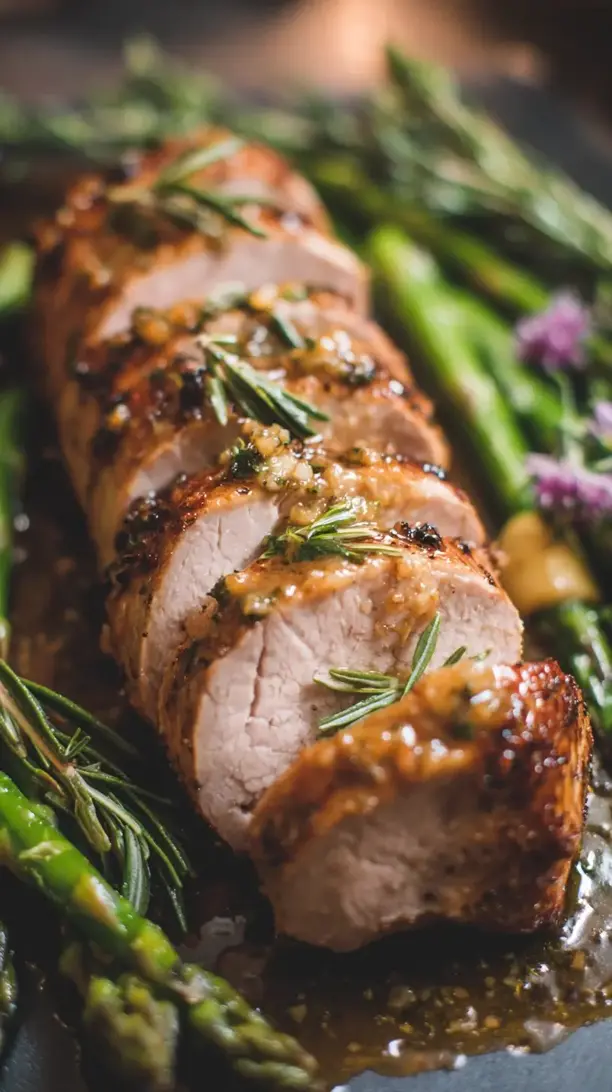
Honey Mustard Pork Tenderloin
Make this easy Honey Mustard Pork Tenderloin for a juicy, flavorful dinner. Ready in 30 minutes with a sweet & tangy glaze. Get the recipe now!
Ingredients
For the Ingredients
-
1 pork tenderloin (1 to 1.5 lb)
-
2 tbsp olive oil (divided)
-
1 tsp kosher salt
-
1/2 tsp freshly ground black pepper
-
1/4 cup Dijon mustard
-
1/4 cup honey
-
2 cloves garlic (minced)
-
1 tbsp apple cider vinegar
-
1 tsp smoked paprika
-
Fresh thyme or rosemary (for garnish (optional))
Instructions
-
Preheat your oven to 400°F (200°C). While it heats up, pat the pork tenderloin completely dry with paper towels. Then, rub the tenderloin all over with one tablespoon of the olive oil and season it generously with the salt and pepper.01
-
Place your oven-safe skillet over medium-high heat and add the remaining tablespoon of olive oil. Once the oil is shimmering hot, carefully add the pork tenderloin. Sear it for about 2-3 minutes per side, using tongs to turn it, until you have a nice golden-brown crust on all sides, including the ends.02
-
While the pork is searing, whisk together the glaze. In a small bowl, combine the Dijon mustard, honey, minced garlic, apple cider vinegar, and smoked paprika. Whisk it until it’s completely smooth and emulsified.03
-
Once the pork is seared, turn the heat down to low. Using a brush or a spoon, coat the entire tenderloin with about two-thirds of the honey mustard glaze, reserving the rest for later.04
-
Transfer the entire skillet to your preheated oven. Roast for 12-18 minutes. Start checking the internal temperature with your instant-read thermometer at the 12-minute mark. You’re aiming for 145°F (63°C) at the thickest part of the tenderloin.05
-
Carefully remove the skillet from the oven. Transfer the pork to a cutting board and let it rest for 5-10 minutes.06
-
Just before serving, brush the pork with the remaining reserved glaze. Slice the tenderloin into 1-inch thick medallions, arrange them on a platter, and drizzle with any accumulated juices from the cutting board. Garnish with fresh herbs if you like, and serve immediately.07
Not what you're looking for?