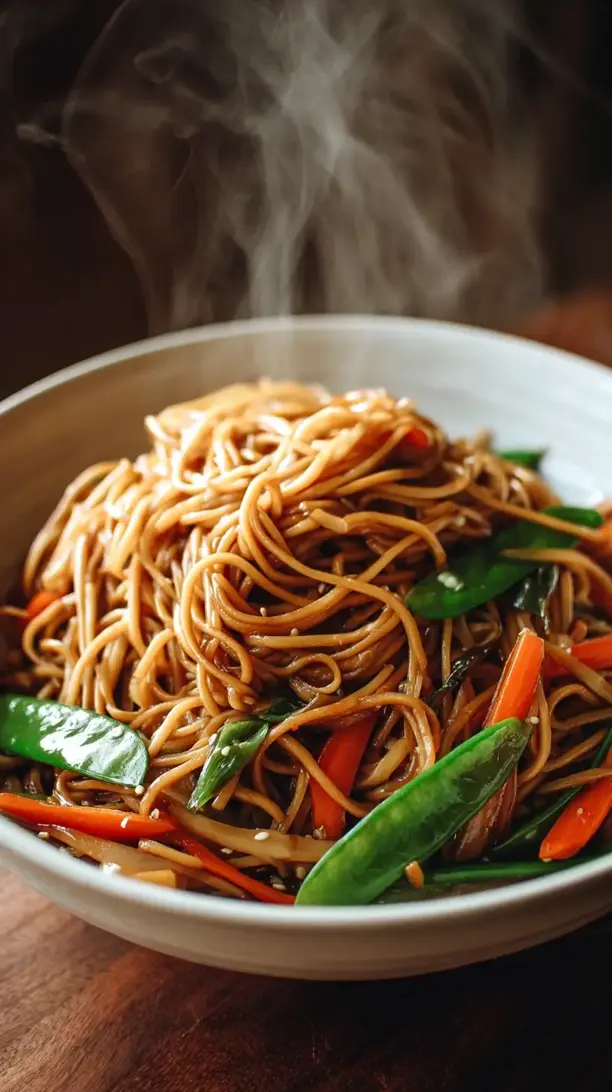
This Quick Lo Mein is faster than takeout and packed with savory flavor. The simple sauce clings to tender noodles and crisp vegetables for a satisfying meal. You can customize this Quick Lo Mein with whatever protein or veggies you have on hand.
Nothing beats a great Quick Lo Mein. Whether you're a fan of Dinner Ideas or want to try something from our Appetizers & Snacks selection, keep scrolling!


Why You’ll Love This Quick Lo Mein
- Faster than takeout: Ready in about 20 minutes from start to finish.
- Flavor bomb sauce: A perfectly balanced savory, sweet, and rich coating.
- Clean-out-the-fridge flexible: Easily adapt with your leftover veggies or protein.
- Perfect texture: Springy noodles and crisp-tender veggies in every bite.
Ingredients & Tools
- 8 oz lo mein noodles, ramen noodles, or thin spaghetti
- 2 tbsp vegetable oil, divided
- 2 cloves garlic, minced
- 1 tsp fresh ginger, grated
- 1 cup shredded cabbage or coleslaw mix
- 1 medium carrot, julienned or thinly sliced
- 1/2 bell pepper, thinly sliced
- 2 scallions, sliced (whites and greens separated)
- 1/4 cup soy sauce (or tamari for gluten-free)
- 1 tbsp oyster sauce (or vegetarian oyster sauce)
- 1 tsp sesame oil
- 1 tsp brown sugar
- 1/2 tsp rice vinegar
- Optional protein: 1 cup cooked chicken, shrimp, or tofu
Tools: A large pot for boiling noodles, a large wok or skillet, and a whisk or fork for the sauce.
Notes: Don’t stress if you’re missing a veggie or two—this is a very forgiving list. Using fresh ginger and garlic makes a world of difference.
Nutrition (per serving)
| Calories: | 380 kcal |
| Protein: | 12 g |
| Fat: | 10 g |
| Carbs: | 62 g |
| Fiber: | 4 g |
Serves: 2 | Prep Time: 10 mins | Cook Time: 10 mins | Total Time: 20 mins
Before You Start: Tips & Ingredient Notes
- Get your mise en place ready. This recipe moves fast once you start cooking, so having your veggies chopped, your sauce mixed, and your tools handy is the key to a stress-free, quick-cooking experience. It makes all the difference.
- What’s the best noodle to use? Authentic lo mein noodles are ideal, but dried ramen noodles (discard the seasoning packet) or even thin spaghetti work beautifully in a pinch. The goal is a noodle with enough structure to hold up to stirring and saucing.
- Don’t skip the oyster sauce. I know it might be a specialty ingredient for some, but it’s what gives the sauce its deep, savory, umami character. If you absolutely must, you can substitute with hoisin sauce, but the flavor profile will be sweeter.
- Why separate the scallions? We add the white parts early to cook and mellow their flavor into the oil, while the green parts are added at the very end for a pop of fresh, oniony color and crunch. It’s a simple trick for more complex flavor.
How to Make Quick Lo Mein
Step 1: Noodle Prep and Sauce Making. First, bring a large pot of salted water to a rolling boil. Cook your noodles according to the package directions until they are just al dente—you want them to have a little bite since they’ll cook a bit more in the wok. While they boil, let’s make the sauce. In a small bowl or measuring cup, whisk together the soy sauce, oyster sauce, sesame oil, brown sugar, and rice vinegar until the sugar is dissolved. This is your flavor powerhouse—give it a quick taste. It should be salty, savory, with a hint of sweet and tang. Set this aside within easy reach.
Step 2: Sauté the Aromatics. Heat one tablespoon of the vegetable oil in your large wok or skillet over medium-high heat. Once the oil is shimmering, add the minced garlic, grated ginger, and the white parts of your scallions. Stir-fry for just 30-60 seconds—you’ll notice an incredible fragrance blooming, but you mustn’t let the garlic brown or it will turn bitter. The goal is to simply wake them up and infuse the oil.
Step 3: Cook the Vegetables. Now, turn the heat up to high and add the remaining tablespoon of oil. Immediately toss in your harder vegetables—the carrot and bell pepper. Stir-fry for about 2 minutes until they just begin to soften and get a few blistered spots. Then, add the shredded cabbage and stir-fry for another 1-2 minutes. You’re looking for vegetables that are tender-crisp, not mushy. They should still have plenty of color and a pleasant crunch.
Step 4: Combine Noodles and Sauce. By now, your noodles should be done. Drain them well, but you don’t need to rinse them—the residual starch helps the sauce cling. Add the drained noodles and your optional cooked protein directly into the wok with the vegetables. Pour that glorious sauce you made earlier over everything. Using a pair of tongs or two forks, toss and lift everything continuously, ensuring every noodle and vegetable gets coated in the sauce. You’ll see the sauce thicken slightly and turn glossy as it heats through.
Step 5: The Final Toss and Serve. After about 2 minutes of tossing, when everything is piping hot and beautifully sauced, turn off the heat. Stir in the green parts of your scallions, reserving a few for garnish. Give it one final, confident toss to incorporate everything. Serve immediately in deep bowls. The steam rising from the bowl, carrying the scents of sesame and soy, is part of the experience—dig in right away for the best texture.
Storage & Freshness Guide
- Fridge: Store in an airtight container for up to 3 days.
- Freezer: Freeze for up to 1 month; thaw in fridge before reheating.
- Reviving: Reheat in a skillet with a splash of water to refresh texture.
Serving Suggestions
Complementary Dishes
- Simple Steamed Edamame — A light sprinkle of flaky sea salt on these steamed pods provides a clean, simple start to the meal that contrasts nicely with the rich noodles.
- Asian-Inspired Cucumber Salad — Thinly sliced cucumbers tossed with a bit of rice vinegar, a pinch of sugar, and red pepper flakes offer a cool, crisp, and refreshing counterpoint.
- Crispy Spring Rolls — The crunchy, savory exterior and soft vegetable filling of a spring roll adds a wonderful textural variation that makes the whole meal feel more special.
Drinks
- Jasmine Green Tea — Its delicate, floral notes help cleanse the palate between bites of the savory lo mein, making each mouthful taste fresh and new.
- A Crisp Lager — The light carbonation and clean finish of a cold lager cut through the richness of the dish perfectly, making it an incredibly satisfying pairing.
- Ginger Beer (non-alcoholic) — The spicy-sweet kick of ginger beer stands up to the robust flavors in the lo mein and provides a fun, fizzy element.
Something Sweet
- Mango Sticky Rice — The sweet, creamy coconut rice and fresh, tangy mango are a classic Southeast Asian dessert that feels like a natural and luxurious ending.
- Fortune Cookies and Green Tea Ice Cream — Crumbling a few fortune cookies over a scoop of mildly bitter, creamy green tea ice cream is a playful and delicious combo.
- Lychee Fruit — Simply serving chilled, peeled lychees from the can provides a light, floral, and juicy finish that’s refreshing and not too heavy.
Top Mistakes to Avoid
- Overcooking the noodles initially. Remember, the noodles will continue to cook when you toss them with the sauce and veggies in the hot wok. If you boil them to a soft mush first, you’ll end up with a gummy, broken-down final dish. Al dente is the goal.
- Crowding the wok. If you add too many vegetables at once, they’ll steam instead of stir-fry, leading to a soggy, watery lo mein. You want high heat and quick cooking to get a slight char and maintain texture.
- Using low-sodium soy sauce without adjusting. The sauce balance is designed for regular soy sauce. If you use low-sodium, you may need to add a pinch more salt, or the dish might taste flat and underwhelming.
- Skipping the final toss with scallion greens. Those fresh greens aren’t just for looks—they add a crucial layer of fresh, oniony flavor that brightens the entire dish. Adding them at the end preserves their vibrant color and crispness.
Expert Tips
- Tip: Add a splash of noodle water. When you combine everything in the wok, add a tablespoon or two of the starchy pasta water. It helps the sauce emulsify, making it silkier and helping it cling to the noodles even better. It’s a pro-chef move that’s super easy to do.
- Tip: Press your tofu for better texture. If using tofu, press it for at least 15 minutes to remove excess water. This allows it to crisp up beautifully in the pan and soak up the sauce instead of watering it down.
- Tip: Amp up the heat if you like spice. A teaspoon of chili-garlic sauce or a sprinkle of crushed red pepper flakes added with the sauce will give your lo mein a lovely, warming kick that balances the savory notes.
- Tip: Don’t be shy with the high heat. A properly hot wok is essential for stir-frying. It cooks the vegetables quickly, locks in their color and crunch, and gives the noodles a slight “wok hei” or breath of the wok—that slightly smoky, charred flavor.
FAQs
Can I make this gluten-free?
Absolutely! The key is using gluten-free noodles like rice noodles or specific gluten-free lo mein varieties. Then, simply ensure your soy sauce is tamari and your oyster sauce is a certified gluten-free vegetarian oyster sauce. The flavor will be just as deep and satisfying, and you’ll have a safe and delicious meal for everyone.
How do I store and reheat leftovers?
Store any leftovers in an airtight container in the fridge for up to 3 days. The best way to reheat is in a skillet over medium heat with a tiny splash of water or broth. This will re-steam the noodles and revive the sauce without making them greasy or dry. The microwave can make them a bit rubbery, so the stovetop is definitely preferred.
Can I use frozen vegetables?
You can, but you need to be strategic. Thaw and thoroughly drain frozen stir-fry vegetable mixes to avoid adding excess water to your wok, which will make your lo mein soupy. Because they are already partially cooked, add them at the very end, just to heat through, to prevent them from becoming mushy.
My sauce is too thin. How can I thicken it?
If your sauce hasn’t thickened to a glossy coating consistency, create a quick slurry. Mix one teaspoon of cornstarch with one tablespoon of cold water until smooth. Push the noodles and veggies to one side of the wok, pour in the slurry, and stir constantly for 30 seconds until it thickens, then toss everything together.
What other proteins work well here?
This is incredibly versatile! Thinly sliced beef stir-fry strips, pork tenderloin, or even scrambled egg ribbons are all fantastic. For beef or pork, stir-fry it first until cooked through, remove it from the wok, and then add it back in with the noodles. For egg, push the veggies aside, scramble the egg in the empty space, and then mix it all together.



Quick Lo Mein
Make better-than-takeout Quick Lo Mein in 20 minutes! This easy recipe features tender noodles, crisp veggies, and savory sauce. Get the recipe now!
Ingredients
For the Ingredients
-
8 oz lo mein noodles, ramen noodles, or thin spaghetti
-
2 tbsp vegetable oil (divided)
-
2 cloves garlic (minced)
-
1 tsp fresh ginger (grated)
-
1 cup shredded cabbage or coleslaw mix
-
1 medium carrot (julienned or thinly sliced)
-
1/2 bell pepper (thinly sliced)
-
2 scallions (sliced (whites and greens separated))
-
1/4 cup soy sauce (or tamari for gluten-free)
-
1 tbsp oyster sauce (or vegetarian oyster sauce)
-
1 tsp sesame oil
-
1 tsp brown sugar
-
1/2 tsp rice vinegar
-
1 cup cooked chicken, shrimp, or tofu
Instructions
-
First, bring a large pot of salted water to a rolling boil. Cook your noodles according to the package directions until they are just al dente—you want them to have a little bite since they’ll cook a bit more in the wok. While they boil, let’s make the sauce. In a small bowl or measuring cup, whisk together the soy sauce, oyster sauce, sesame oil, brown sugar, and rice vinegar until the sugar is dissolved. This is your flavor powerhouse—give it a quick taste. It should be salty, savory, with a hint of sweet and tang. Set this aside within easy reach.01
-
Heat one tablespoon of the vegetable oil in your large wok or skillet over medium-high heat. Once the oil is shimmering, add the minced garlic, grated ginger, and the white parts of your scallions. Stir-fry for just 30-60 seconds—you’ll notice an incredible fragrance blooming, but you mustn’t let the garlic brown or it will turn bitter. The goal is to simply wake them up and infuse the oil.02
-
Now, turn the heat up to high and add the remaining tablespoon of oil. Immediately toss in your harder vegetables—the carrot and bell pepper. Stir-fry for about 2 minutes until they just begin to soften and get a few blistered spots. Then, add the shredded cabbage and stir-fry for another 1-2 minutes. You’re looking for vegetables that are tender-crisp, not mushy. They should still have plenty of color and a pleasant crunch.03
-
By now, your noodles should be done. Drain them well, but you don’t need to rinse them—the residual starch helps the sauce cling. Add the drained noodles and your optional cooked protein directly into the wok with the vegetables. Pour that glorious sauce you made earlier over everything. Using a pair of tongs or two forks, toss and lift everything continuously, ensuring every noodle and vegetable gets coated in the sauce. You’ll see the sauce thicken slightly and turn glossy as it heats through.04
-
After about 2 minutes of tossing, when everything is piping hot and beautifully sauced, turn off the heat. Stir in the green parts of your scallions, reserving a few for garnish. Give it one final, confident toss to incorporate everything. Serve immediately in deep bowls. The steam rising from the bowl, carrying the scents of sesame and soy, is part of the experience—dig in right away for the best texture.05
Not what you're looking for?