
There’s something magical about the scent of rosemary and butter mingling in a warm kitchen. I love pulling a golden pan of these shortbread cookies from the oven—they feel both rustic and elegantly simple, with a melt-in-your-mouth crumble and that subtle, aromatic whisper of fresh herb. To me, this easy recipe is the heart of a cozy kitchen, a true comfort food recipe that feels special any time of year.
When you’re planning your holiday baking or sifting through countless Christmas cookies recipes, it’s lovely to find something a little different. That’s why I turn to these when I want unique Christmas cookies that still feel wonderfully festive. They’re a standout among Christmas dessert ideas, offering a sophisticated twist that elevates any cookie tray.
If you’re gathering Christmas baking ideas this season, I hope you’ll give these a try. They make the most delightful holiday treats—perfect with a cup of tea on a busy afternoon or wrapped up as a heartfelt homemade gift. It’s a simple way to bring a touch of elegant warmth to your celebrations.
If you're looking for the perfect Shortbread with Rosemary, you're in the right place. Whether you love Christmas Cookie or want to explore our Burgers collection, we've got you covered.
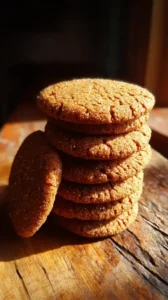


Why You’ll Love This Shortbread with Rosemary
- Sophisticated Flavor: One aromatic ingredient transforms humble shortbread into a gourmet treat.
- Perfect Texture: Achieve a signature sandy, melt-in-your-mouth crumble.
- Amazing Aroma: Your kitchen fills with the warm, inviting scent of butter and rosemary.
- Surprisingly Versatile: A fantastic canvas for chocolate, citrus, or sea salt.
Ingredients & Tools
- 225 g (1 cup) unsalted butter, softened
- 110 g (1/2 cup) granulated sugar
- 1 tbsp fresh rosemary, very finely chopped
- 280 g (2 1/4 cups) all-purpose flour
- 1/4 tsp fine sea salt
- 2 tbsp demerara or turbinado sugar, for sprinkling
Tools: Stand mixer or electric hand mixer, 8×8-inch baking pan, parchment paper, a sharp knife
Notes: Use high-quality butter for best flavor. Fresh rosemary is essential; dried won’t provide the same vibrant aroma. Chop it finely for even distribution.
Nutrition (per serving)
| Calories: | 180 kcal |
| Protein: | 2 g |
| Fat: | 11 g |
| Carbs: | 19 g |
| Fiber: | 0.5 g |
Serves: 16 | Prep Time: 15 minutes | Cook Time: 45 minutes | Total Time: 1 hour (plus cooling)
Before You Start: Tips & Ingredient Notes
- Butter Temperature is Everything. Your butter needs to be properly softened—cool to the touch but easily indented when you press it. If it’s too cold, your dough will be crumbly; if it’s melted, your shortbread will spread and be greasy. Leave it on the counter for about an hour before you begin.
- Chop That Rosemary Finely. You really want to release the fragrant oils from the rosemary without having large, tough pieces in your finished cookie. Take the time to mince it until it’s almost a paste. This makes all the difference for a smooth, elegant texture.
- Don’t Skip the Creaming Step. When you beat the butter and sugar together, you’re not just mixing—you’re incorporating tiny air bubbles that contribute to the shortbread’s tender crumb. Beat it for a full 2-3 minutes until it becomes noticeably paler and fluffy.
- Patience is a Virtue with Cooling. I know it’s tempting to slice into the shortbread the second it’s out of the oven, but you must let it cool completely in the pan. It continues to firm up as it cools, and cutting it warm will lead to crumbly, broken pieces.
How to Make Shortbread with Rosemary
Step 1: First, preheat your oven to 150°C (300°F). This is a lower temperature than most cookies, and that’s intentional—we’re going for a slow, gentle bake to dry the shortbread out without browning it too much. Line your 8×8-inch baking pan with parchment paper, letting the edges overhang. This will act as a sling to lift the whole block of shortbread out later, which is a total game-changer.
Step 2: In the bowl of a stand mixer fitted with the paddle attachment (or using a hand mixer), combine the softened butter and granulated sugar. Beat them together on medium speed for a good 2-3 minutes. You’ll notice the mixture transform from a yellow paste to a much paler, almost white, fluffy consistency. This is what we want! Scrape down the sides of the bowl to make sure everything is incorporated.
Step 3: Now, sprinkle in your very finely chopped fresh rosemary. The aroma that releases when it hits the butter is just… wonderful. Mix it on low speed for just about 30 seconds until it’s evenly distributed. You don’t want to over-mix at this stage.
Step 4: In a separate bowl, whisk together the all-purpose flour and fine sea salt. This ensures the salt is evenly dispersed. With the mixer on its lowest speed, gradually add the flour mixture to the butter mixture. Mix only until the flour has just disappeared and a soft dough forms. It might still look a little crumbly, but if you pinch it, it should hold together. Over-mixing will develop gluten and make the shortbread tough.
Step 5: Transfer the dough to your prepared pan. Now, use your fingers or the flat bottom of a measuring cup to press the dough into an even, compact layer. Press it down firmly—this prevents air pockets and ensures an even bake. You want a smooth, uniform surface.
Step 6: Take a fork and prick the dough all over in straight lines. This is called “docking” and it serves two purposes: it lets steam escape during baking (preventing puffing) and it gives traditional shortbread its characteristic look. Then, sprinkle the entire surface evenly with the demerara sugar. This adds a delightful, subtle crunch and a sparkle.
Step 7: Place the pan in the preheated oven and bake for 40-50 minutes. The shortbread is done when the edges are a very light golden brown and the top is firm and pale. It shouldn’t look wet or shiny in the center. The low temperature means it won’t get very dark, so trust the timer and the firmness.
Step 8: As soon as you remove the pan from the oven, take your sharp knife and score the shortbread into 16 rectangles or fingers. Don’t cut all the way through—just score the top about halfway down. This makes it infinitely easier to get clean breaks later. Let the shortbread cool completely in the pan on a wire rack. This is the hardest part—waiting!
Step 9: Once it’s completely cool, use the parchment paper sling to lift the entire block out of the pan. Place it on a cutting board and, following your score lines, use a sharp knife in a gentle sawing motion to cut completely through. You’ll hear the most satisfying crisp sound. Now, it’s ready to serve and devour.
Storage & Freshness Guide
- Fridge: Not recommended; refrigeration can introduce moisture.
- Freezer: Freeze baked and cooled shortbread in an airtight container for up to 3 months.
- Reviving: If shortbread softens, warm in a 300°F oven for 5 minutes to crisp.
Serving Suggestions
Complementary Dishes
- A Simple Cheese Board — The buttery, slightly sweet shortbread is a fantastic counterpoint to sharp, aged cheeses like a strong cheddar or a creamy blue cheese. It’s an unexpected and elegant pairing.
- Apple or Pear Slices — The fresh, crisp fruit provides a juicy contrast to the dry, crumbly texture of the shortbread, and the flavors complement the herbal notes of the rosemary beautifully.
- Lemon Curd — For a real treat, serve these cookies with a dollop of tangy, bright lemon curd. The citrus and rosemary combination is a classic for a reason—it’s absolutely divine.
Drinks
- Earl Grey Tea — The bergamot in the tea harmonizes perfectly with the floral, piney notes of the rosemary, creating a truly sophisticated tea-time experience.
- Dry Sparkling Wine — The bubbles and acidity of a Prosecco or Cava cut through the richness of the butter, cleansing the palate and making each bite feel new again.
- Hot Chocolate with a Pinch of Chili — For a cozy winter evening, the spicy warmth of the chili and the deep chocolate are a wonderful, bold contrast to the elegant, herbal cookie.
Something Sweet
- Vanilla Bean Ice Cream — Crumble a piece of warm shortbread over a scoop of high-quality vanilla ice cream. The warm cookie, cold ice cream, and melting butter create a simple but stunning dessert.
- Dark Chocolate-Dipped Strawberries — The bitter dark chocolate and sweet berry are a classic pair that won’t compete with the shortbread, making for a well-rounded dessert spread.
- Poached Figs with Honey — The deep, jammy flavor of poached figs and the floral sweetness of honey elevate the shortbread into a restaurant-worthy dessert plate.
Top Mistakes to Avoid
- Mistake: Using melted or too-warm butter. This is the number one reason shortbread spreads and becomes greasy. The butter should be soft but still cool. If you can easily leave a deep fingerprint, it’s perfect. If your finger sinks right through, it’s too soft.
- Mistake: Over-mixing the dough after adding the flour. Once the flour is incorporated, stop mixing! Over-working the dough develops gluten, which gives you a tough, biscuit-like texture instead of that desired tender, crumbly melt-in-your-mouth feel.
- Mistake: Baking at too high a temperature. Shortbread is meant to dry out slowly, not brown quickly. A high temperature will cause the edges to burn long before the center is cooked through, and you’ll lose that classic pale color.
- Mistake: Cutting the shortbread while it’s warm. I’ve messed this up before too, in my impatience. The structure is too fragile when warm, and you’ll end up with a pile of crumbs instead of neat, clean fingers. Let it cool completely.
Expert Tips
- Tip: Rub the rosemary with the sugar. For an even more intense rosemary flavor, place the chopped rosemary and granulated sugar in a small bowl and rub them together with your fingertips for a minute before adding them to the butter. This helps to bruise the herb and release even more of its essential oils.
- Tip: Use a bench scraper for clean cuts. When it’s time to cut the cooled block, a sharp knife is good, but a bench scraper is even better. Press it straight down through the score lines for the absolute cleanest, most professional-looking breaks.
- Tip: Add a hint of citrus zest. The zest of one lemon or orange added along with the rosemary introduces a beautiful, bright top note that makes the flavor profile even more complex and refreshing.
- Tip: For extra-sandy texture, use rice flour. If you can find it, replace 2 tablespoons of the all-purpose flour with rice flour. Rice flour has no gluten and contributes to an even more delicate, crumbly, and traditional shortbread texture.
FAQs
Can I use dried rosemary instead of fresh?
I really don’t recommend it. Dried rosemary is tough, woody, and lacks the vibrant, aromatic oils that fresh rosemary provides. If you’re in a true pinch, you can use 1 teaspoon of dried, but you must grind it into a fine powder using a spice grinder or mortar and pestle first. Otherwise, you’ll be biting into unpleasant, sharp little twigs, which will ruin the delicate texture of your shortbread.
Why is my shortbread dough so crumbly and why won’t it press together?
This usually means your butter was a bit too cold, or you didn’t cream it with the sugar for long enough. The creaming process helps to hold the dough together. If it’s very crumbly, try using your hands to knead it gently in the bowl for a few seconds—the warmth from your hands can sometimes help it bind. If it’s truly falling apart, a tiny splash (like ½ a teaspoon) of cold water or milk can help bring it together.
How should I store these, and how long do they keep?
Store your shortbread in an airtight container at room temperature. They will keep beautifully for up to a week. Honestly, the flavor often improves after a day as the rosemary infuses more deeply. Do not refrigerate them, as the fridge can introduce moisture and make them soft. You can also freeze the baked and cooled shortbread for up to 3 months.
Can I make this dough in a food processor?
Absolutely! It’s a great, quick method. Pulse the cold butter, sugar, and rosemary until combined. Then, add the flour and salt and pulse until the mixture looks like coarse sand and just begins to clump together. Be very careful not to over-process. Then, dump it into your pan and press it in as usual.
My shortbread is too soft after baking. What happened?
This typically means it needed a few more minutes in the oven. Because we bake at a low temperature, it can sometimes need an extra 5-10 minutes, depending on your oven. The center should feel firm to the touch and not give when you press it lightly. If it’s already out and cooling but still soft, you can pop it back in the oven for another 5-10 minutes to finish drying out.




Rosemary Shortbread Cookies: A Buttery Holiday Treat
Shortbread With Rosemary is a sophisticated holiday treat. These buttery rosemary shortbread cookies are a unique Christmas cookie that feels both rustic and elegant.
Ingredients
For the Ingredients
-
225 g unsalted butter (softened)
-
110 g granulated sugar
-
1 tbsp fresh rosemary (very finely chopped)
-
280 g all-purpose flour
-
1/4 tsp fine sea salt
-
2 tbsp demerara or turbinado sugar (for sprinkling)
Instructions
-
First, preheat your oven to 150°C (300°F). Line your 8x8-inch baking pan with parchment paper, letting the edges overhang.01
-
In the bowl of a stand mixer fitted with the paddle attachment (or using a hand mixer), combine the softened butter and granulated sugar. Beat them together on medium speed for a good 2-3 minutes. Scrape down the sides of the bowl to make sure everything is incorporated.02
-
Now, sprinkle in your very finely chopped fresh rosemary. Mix it on low speed for just about 30 seconds until it’s evenly distributed.03
-
In a separate bowl, whisk together the all-purpose flour and fine sea salt. With the mixer on its lowest speed, gradually add the flour mixture to the butter mixture. Mix only until the flour has just disappeared and a soft dough forms.04
-
Transfer the dough to your prepared pan. Use your fingers or the flat bottom of a measuring cup to press the dough into an even, compact layer.05
-
Take a fork and prick the dough all over in straight lines. Then, sprinkle the entire surface evenly with the demerara sugar.06
-
Place the pan in the preheated oven and bake for 40-50 minutes. The shortbread is done when the edges are a very light golden brown and the top is firm and pale.07
-
As soon as you remove the pan from the oven, take your sharp knife and score the shortbread into 16 rectangles or fingers. Let the shortbread cool completely in the pan on a wire rack.08
-
Once it's completely cool, use the parchment paper sling to lift the entire block out of the pan. Place it on a cutting board and, following your score lines, use a sharp knife in a gentle sawing motion to cut completely through.09
Not what you're looking for?


