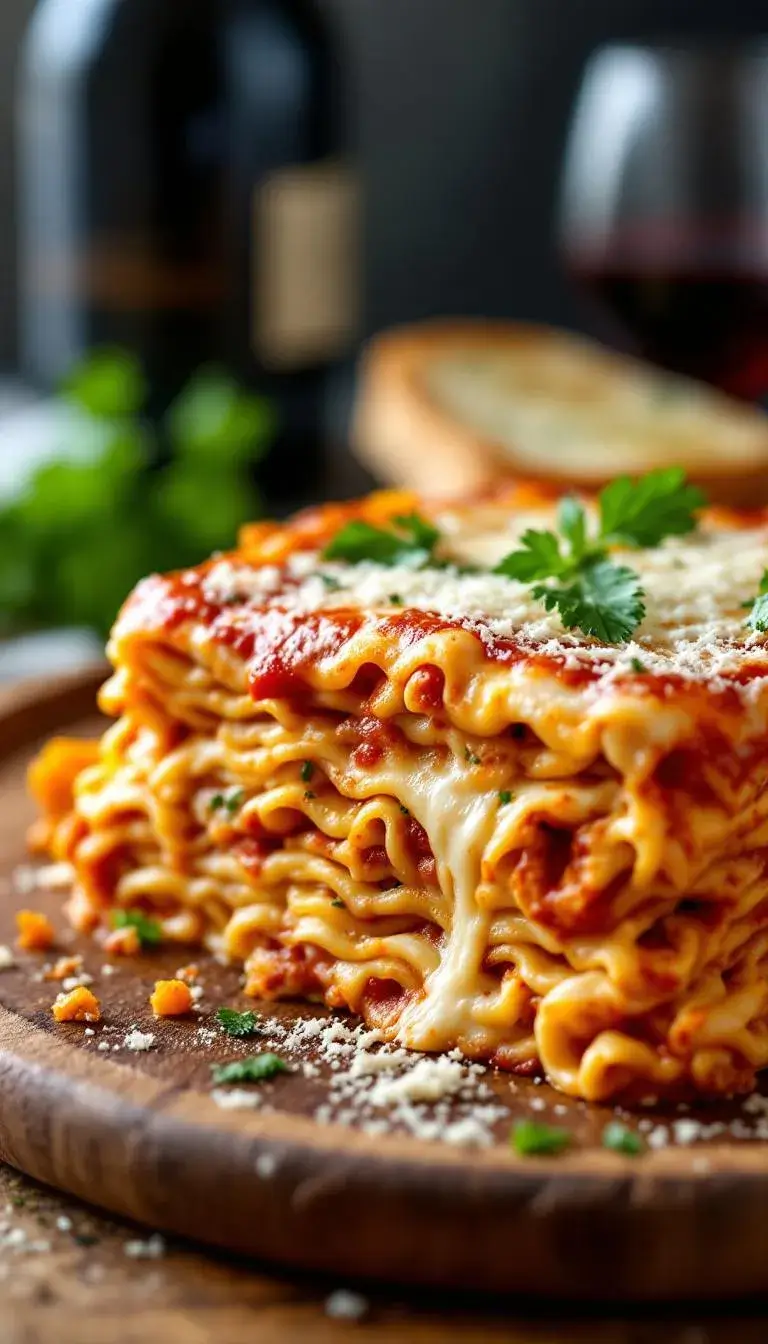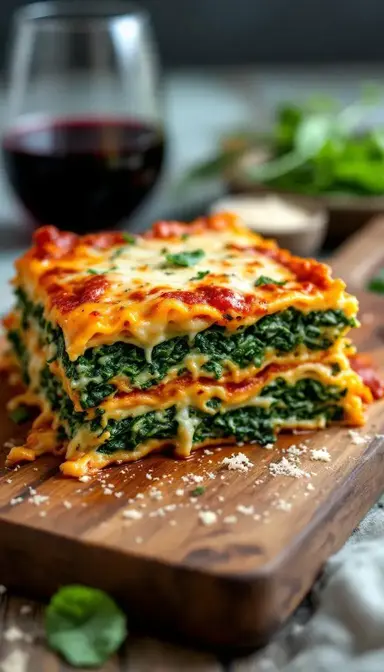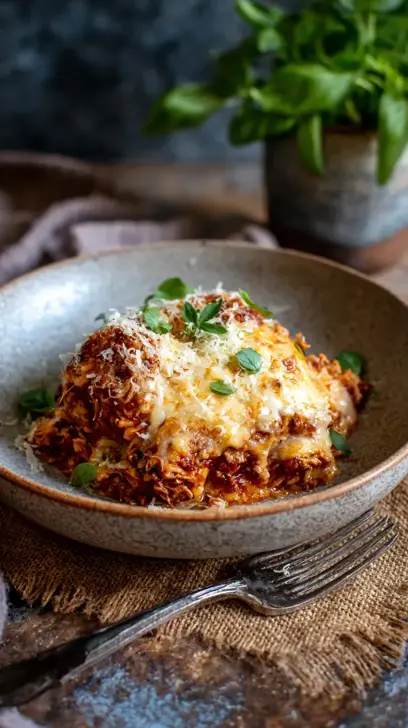
There’s something magical about a lasagna that’s been crafted with patience and care—the kind that fills your kitchen with the kind of aromas that make neighbors peek through the window. This isn’t just any lasagna; this is Emilia-Romagna Heritage Lasagna, a dish that whispers stories of cobblestone streets, bustling Italian markets, and generations of nonnas who knew the secret to turning humble ingredients into something extraordinary.
Imagine tender sheets of fresh egg pasta, each layer cradling a slow-simmered ragù so rich it practically melts on your tongue. Then there’s the béchamel—silky, luxurious, and just a touch nutty—binding everything together in a way that ricotta could only dream of. This is lasagna as it was meant to be: a labor of love, a celebration of texture and depth, and the kind of meal that turns an ordinary Sunday into something unforgettable.
Nothing beats a great Emilia‑Romagna Heritage Lasagna. Whether you're a fan of Lasagna or want to try something from our Dessert Recipes selection, keep scrolling!


Why This Lasagna Stands Apart
- The Ragù: We’re talking about a sauce that simmers for hours, coaxing every last bit of flavor from the meat until it’s fork-tender and infused with the sweetness of San Marzano tomatoes. The slow cooking allows the meat to break down into the sauce, creating a velvety texture and deep umami notes.
- The Pasta: Hand-rolled, whisper-thin sheets that cook to perfection in the oven, absorbing just enough sauce to stay tender without turning mushy. Fresh pasta releases starch as it bakes, thickening the sauces naturally.
- The Béchamel: Forget ricotta—this creamy, velvety layer is what gives the lasagna its signature silkiness. A hint of nutmeg ties it all together. The béchamel also acts as a moisture barrier, preventing the pasta from drying out.
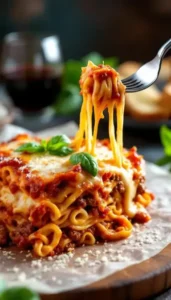
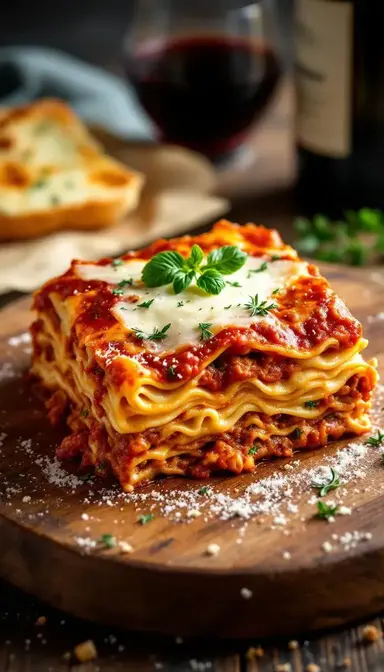
- The Resting Rule: Letting the lasagna sit for 15 minutes before slicing isn’t just a suggestion—it’s the difference between a sloppy mess and a picture-perfect slice where every layer holds its own. Resting allows the starches to set, ensuring clean cuts.
A Dish Steeped in History
This lasagna isn’t just food; it’s a piece of Emilia-Romagna’s soul. Born in Bologna, where the air smells like Parmigiano-Reggiano and the markets overflow with fresh pasta, it’s a dish that reflects the region’s dedication to craftsmanship. The layered structure dates back centuries, evolving from medieval feasts to the iconic comfort food we know today. Every bite is a tribute to slow cooking, quality ingredients, and the kind of patience that turns a meal into a masterpiece.
Essential Ingredients & Tools
Ingredients for the Ragù
- 2 tbsp olive oil (extra-virgin for best flavor, or regular olive oil in a pinch)
- 1 lb ground pork (preferably shoulder for fat content, or substitute with ground turkey for a leaner option)
- 1 lb ground beef (80/20 fat ratio for juiciness, or use ground lamb for a richer flavor)
- 1 medium onion, finely diced (yellow for sweetness)
- 1 carrot, finely diced (adds natural sweetness)
- 1 celery stalk, finely diced (for earthy depth)
- 3 oz pancetta, minced (or guanciale for richer flavor, or bacon as a substitute)
- 1 cup dry white wine (Pinot Grigio works well, or substitute with chicken broth for alcohol-free)
- 2 cups whole milk (helps tenderize the meat; 2% milk can be used but may result in less richness)
- 28 oz San Marzano tomatoes, crushed (preferably DOP-certified, or substitute with high-quality canned tomatoes)
- 1 tsp salt (adjust to taste)
- ½ tsp black pepper (freshly ground)
Ingredients for the Béchamel
- 4 tbsp butter (unsalted for control, or salted butter with adjusted salt)
- ¼ cup all-purpose flour (sifted to avoid lumps, or gluten-free flour for a GF version)
- 3 cups whole milk, warmed (cold milk causes clumping; heat gently before using)
- ¼ tsp nutmeg (freshly grated for aroma, or ground nutmag in a pinch)
- ½ tsp salt (adjust to taste)
Ingredients for the Pasta
- 2 cups “00” flour (fine texture for silky pasta, or all-purpose flour if unavailable)
- 3 large eggs (room temperature for easier mixing)
- 1 tbsp olive oil (adds elasticity)
- ½ tsp salt (enhances dough flavor)
Additional Layers
- 1½ cups grated Parmigiano-Reggiano (freshly grated for best melt, or Pecorino Romano for a sharper taste)
Tools
- Pasta roller (or rolling pin for hand-rolled sheets)
- 9×13-inch baking dish (ceramic or glass for even heat, or metal if that’s all you have)
- Heavy-bottomed pot (for ragù to prevent burning; a Dutch oven works well)
- Whisk (for smooth béchamel)
- Microplane (for finely grating nutmeg and cheese, or use the small holes of a box grater)
The Process: A Labor of Love
- The Ragù – Start by rendering 3 oz pancetta in 2 tbsp olive oil until it’s golden and fragrant. Add your soffritto (1 medium onion, 1 carrot, 1 celery stalk) and let it soften, then brown 1 lb ground pork and 1 lb ground beef until it’s deeply caramelized. Deglaze with 1 cup dry white wine, let it simmer away, then add 2 cups whole milk and 28 oz San Marzano tomatoes. Now comes the hard part: waiting. Let it bubble gently for 3 hours, stirring occasionally, until the sauce is thick and the meat is falling apart.
- The Béchamel – Melt 4 tbsp butter, whisk in ¼ cup all-purpose flour, and cook until it smells nutty. Slowly stream in 3 cups whole milk, whisking constantly to avoid lumps. Season with ½ tsp salt and ¼ tsp nutmeg, then cover with plastic pressed right onto the surface to keep a skin from forming.
- The Pasta – Mound 2 cups “00” flour, make a well, and add 3 large eggs and a drizzle of 1 tbsp olive oil. Mix with a fork, then knead until the dough is smooth and elastic. Let it rest for 30 minutes (this relaxes the gluten, making it easier to roll), then roll it out into thin sheets.
- Assembly – Start with a thin layer of ragù, then pasta, then béchamel, then 1½ cups grated Parmigiano-Reggiano. Repeat, building layers like you’re constructing an edible masterpiece. Bake at 375°F (190°C) until golden and bubbling, then—this is crucial—let it rest for 15 minutes. The wait will test your patience, but it’s the key to clean slices.
Pro Tips for Lasagna Perfection
- Sauce Distribution – Too much sauce and your lasagna will be soggy; too little and it’ll be dry. Aim for thin, even layers. A good rule: spread just enough ragù to cover the pasta without pooling.
- Fresh Pasta – If you’re using fresh sheets, blot them lightly with a towel to remove excess moisture. This prevents a watery lasagna.
- The Broil Trick – For a beautifully bronzed top, pop it under the broiler for the last two minutes. Watch closely to avoid burning.
Perfect Pairings
Complementary Dishes
Arugula Salad with Lemon Vinaigrette: The peppery greens and bright acidity cut through the lasagna’s richness. Shave fennel thinly for a crisp contrast.
Garlic Rosemary Focaccia: Ideal for soaking up sauces. Brush with olive oil before baking for a golden crust.
Drinks
Chianti Classico: Its high acidity balances the dish’s fat. Serve slightly chilled.
Lambrusco: A sparkling red with berry notes lightens each bite.
Something Sweet
Tiramisu: Coffee and mascarpone cleanse the palate. Dust with cocoa for bitterness.
Panna Cotta with Berries: The creamy texture mirrors béchamel, while berries add freshness.
Storing and Reheating
- Fridge – Let it cool completely, then cover tightly. It’ll keep for up to 3 days. Reheat covered at 350°F (175°C), then uncover for a final crisp.
- Freezer – Assemble but don’t bake. Wrap well and freeze for up to 3 months. Thaw in the fridge overnight before baking.
- Leftovers – Reheat slices in a skillet with a splash of water to revive the pasta without drying it out.
Variations to Play With
- Vegetarian – Swap the meat for mushrooms and lentils, and add a spoonful of miso for umami depth.
- Gluten-Free – Use rice flour pasta or thin zucchini slices (salt them first to draw out moisture).
- Dairy-Free Béchamel – Blend soaked cashews with water and nutritional yeast for a creamy alternative.
FAQs
Can I use no-boil noodles?
You can, but fresh is best. If you go the no-boil route, add extra béchamel to keep it moist.
Why is my lasagna watery?
Too much sauce or not enough simmering. Reduce your ragù further next time, and let the baked lasagna rest longer before slicing.
Can I make it ahead?
Absolutely. Assemble it the day before and bake when ready, adding a few extra minutes to the cooking time.
What’s the best Parmigiano substitute?
Pecorino Romano for a saltier kick, or aged Asiago for something milder. Just please—no pre-shredded bags.
How thin should the pasta be?
Thin enough to see shadows through it. If you lift a sheet, it should drape like a delicate curtain.


Emilia-Romagna Heritage Lasagna: A Love Letter to Italian Tradition
Make authentic Emilia-Romagna Heritage Lasagna with rich ragù, fresh pasta, and creamy béchamel. A taste of Italy in every bite—get the recipe now!
Ingredients
For the Ragù
-
2 tbsp olive oil
-
1 lb ground pork
-
1 lb ground beef
-
1 medium onion (finely diced)
-
1 carrot (finely diced)
-
1 celery stalk (finely diced)
-
3 oz pancetta (minced)
-
1 cup dry white wine
-
2 cups whole milk
-
28 oz San Marzano tomatoes (crushed)
-
1 tsp salt
-
½ tsp black pepper
For the Béchamel
-
4 tbsp butter
-
¼ cup all-purpose flour
-
3 cups whole milk (warmed)
-
¼ tsp nutmeg
-
½ tsp salt
For the Pasta
-
2 cups "00" flour
-
3 large eggs
-
1 tbsp olive oil
-
½ tsp salt
Additional Layers
-
1½ cups grated Parmigiano-Reggiano
Instructions
-
Prepare the ragù by browning 3 oz pancetta in 2 tbsp olive oil, then adding 1 medium onion, 1 carrot, 1 celery stalk, 1 lb ground pork, and 1 lb ground beef. Deglaze with 1 cup dry white wine, add 2 cups whole milk and 28 oz San Marzano tomatoes, and simmer for 3 hours.01
-
Make the béchamel by whisking ¼ cup all-purpose flour into 4 tbsp melted butter, then gradually adding 3 cups whole milk. Season with ¼ tsp nutmeg and ½ tsp salt.02
-
Prepare pasta dough with 2 cups "00" flour, 3 large eggs, 1 tbsp olive oil, and ½ tsp salt. Rest for 30 minutes, then roll into thin sheets.03
-
Assemble lasagna with alternating layers of ragù, pasta, béchamel, and 1½ cups grated Parmigiano-Reggiano. Bake at 375°F (190°C) for 30 minutes.04
-
Rest for 15 minutes before slicing.05
Not what you're looking for?