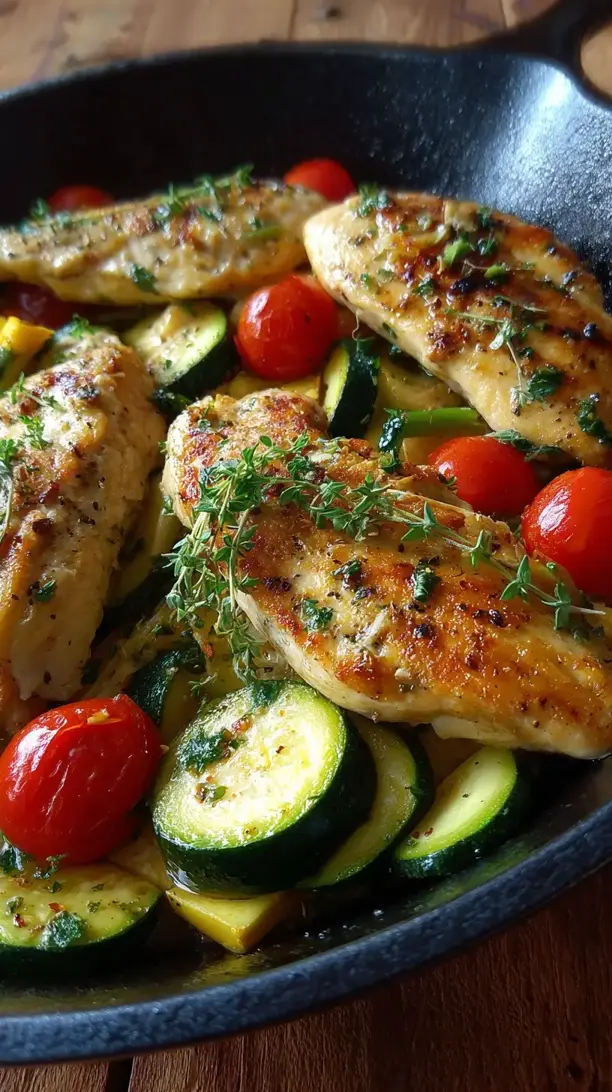
This Apple Cider Chicken recipe transforms simple chicken into an extraordinary one-pan dinner. The sweet, tangy apple cider reduction creates a savory-sweet sauce that makes the chicken incredibly tender. It’s a cozy, impressive meal that’s surprisingly easy to pull together.
Love Apple Cider Chicken? So do we! If you're into Chicken Breast Recipes or curious about Christmas Cookie, you'll find plenty of inspiration below.



Why You’ll Love This Apple Cider Chicken
- One-pan wonder: Maximum flavor with minimal cleanup.
- Liquid gold sauce: Tangy, savory, and glossy reduction.
- Incredibly versatile: Adapts to different chicken cuts and herbs.
- Fancy yet simple: Impressive results with straightforward steps.
Ingredients & Tools
- 4 bone-in, skin-on chicken thighs
- 1 tbsp olive oil
- 1 medium yellow onion, thinly sliced
- 2 cloves garlic, minced
- 1 cup high-quality apple cider
- 1/2 cup chicken broth
- 1 tbsp whole-grain mustard
- 1 tsp fresh thyme leaves
- 2 tbsp unsalted butter, cold
- To taste kosher salt and black pepper
Tools: A large, oven-safe skillet (like cast iron or stainless steel), tongs, and a whisk.
Notes: Use unfiltered apple cider for a more complex flavor. Don’t skip the cold butter at the end—it creates a luxuriously smooth sauce.
Nutrition (per serving)
| Calories: | 420 kcal |
| Protein: | 28 g |
| Fat: | 25 g |
| Carbs: | 18 g |
| Fiber: | 1 g |
Serves: 4 | Prep Time: 10 minutes | Cook Time: 35 minutes | Total Time: 45 minutes
Before You Start: Tips & Ingredient Notes
- Pat that chicken dry! This is the single most important step for getting crispy, golden-brown skin. Use paper towels to thoroughly pat the chicken thighs dry before you season them. If the skin is wet, it will steam instead of sear.
- What is “apple cider” exactly? You’re looking for the cloudy, unfiltered, often pasteurized apple juice, usually found in the refrigerated section. It’s tangier and more complex than clear apple juice. If you can find a local, fresh-pressed version, even better!
- Don’t be shy with the seasoning. Season your chicken generously with salt and pepper, and don’t forget to season the sauce to taste at the end. Building layers of seasoning is what makes the flavors pop.
- Why a cold, oven-safe skillet? Starting with a cold pan helps the chicken fat render slowly for crispier skin. And an oven-safe skillet is crucial because we’ll finish cooking the chicken gently in the oven for perfectly juicy meat.
How to Make Apple Cider Chicken
Step 1: Preheat your oven to 400°F (200°C). While it’s heating, take your chicken thighs and pat them completely dry with paper towels. This is non-negotiable for crispy skin! Season both sides generously with kosher salt and freshly ground black pepper.
Step 2: Place your large, oven-safe skillet over medium heat and add the olive oil. Once the oil is shimmering, carefully place the chicken thighs in the pan, skin-side down. You’ll hear a satisfying sizzle. Resist the urge to move them! Let them cook for 6-8 minutes, until the skin is deeply golden brown and crispy.
Step 3: Flip the chicken thighs over using tongs and cook for another 2-3 minutes on the other side just to sear. You don’t need to cook them through. Transfer the chicken to a clean plate for now. You should see beautiful golden rendered fat in the pan—that’s flavor gold!
Step 4: In the same skillet, add the sliced onion. They’ll sizzle in the chicken fat. Cook for about 4-5 minutes, stirring occasionally, until they’ve softened and started to take on a little color. Add the minced garlic and cook for just 30 more seconds until fragrant—be careful not to burn it.
Step 5: Now, pour in the apple cider and chicken broth. Use your whisk to scrape up all those browned, stuck-on bits from the bottom of the pan. This is called deglazing, and it’s where a huge amount of the sauce’s flavor comes from. Whisk in the whole-grain mustard and fresh thyme.
Step 6: Let the liquid come to a simmer, then carefully nestle the seared chicken thighs back into the skillet, skin-side up. The sauce should come about halfway up the sides of the chicken. Transfer the entire skillet to your preheated oven.
Step 7: Roast for 18-22 minutes, or until the chicken is cooked through and registers 165°F (74°C) on an instant-read thermometer inserted into the thickest part, avoiding the bone. The sauce will have reduced slightly.
Step 8: Using oven mitts, carefully remove the hot skillet from the oven. Transfer the cooked chicken to a serving platter. Place the skillet back on the stovetop over low heat. The sauce might look a little thin, but here’s the magic trick: turn off the heat and whisk in the cold butter, one tablespoon at a time, until the sauce becomes glossy and slightly thickened. Taste and adjust seasoning with more salt or pepper if needed.
Step 9: Pour the beautiful, glossy pan sauce over the plated chicken and serve immediately. You’ll notice the sauce has a perfect balance of tangy, savory, and sweet notes that makes this dish unforgettable.
Storage & Freshness Guide
- Fridge: Store chicken and sauce in an airtight container for up to 3 days.
- Freezer: Freeze in a sealed container for up to 2 months; sauce may separate slightly.
- Reviving: Reheat gently in a covered skillet with a splash of broth to refresh the sauce.
Serving Suggestions
Complementary Dishes
- Creamy Mashed Potatoes — The ultimate vehicle for that incredible pan sauce. The fluffy, buttery potatoes are a perfect textural contrast to the juicy chicken.
- Buttery Egg Noodles — A simple, comforting base that soaks up every last drop of the savory apple cider sauce, making for a wonderfully cohesive bite.
- Roasted Brussels Sprouts — Their slight bitterness and caramelized edges provide a fantastic flavor counterpoint to the sweet and tangy profile of the chicken.
Drinks
- A Dry Hard Cider — It echoes the apple notes in the dish without being too sweet, cleansing the palate beautifully between bites.
- Chardonnay (Unoaked) — Its bright acidity and notes of apple and citrus complement the sauce wonderfully without overpowering the delicate flavors.
- Sparkling Apple Cider — A non-alcoholic option that brings a festive, bubbly touch, enhancing the autumnal theme of the meal.
Something Sweet
- Warm Apple Crumble — It continues the apple theme in a delightful, dessert form, with a crunchy oat topping and a scoop of vanilla ice cream.
- Pumpkin Bread Pudding — A rich and spiced dessert that feels like a natural, cozy progression after the main course.
- Simple Cinnamon Poached Pears — Light, elegant, and not too heavy, offering a gentle sweetness that rounds out the meal perfectly.
Top Mistakes to Avoid
- Mistake: Using boneless, skinless chicken breasts. While you can adapt the recipe, bone-in, skin-on thighs have more fat and connective tissue, which keeps the meat incredibly moist and juicy during the braising process. The skin also provides flavor and that essential crispy texture.
- Mistake: Moving the chicken too soon. When you first place the chicken in the pan, let it be! If you move it around, you’ll tear the skin and it won’t get that perfect, crispy sear. Trust the process and let the pan do its work.
- Mistake: Adding the butter while the pan is still on high heat. This is a classic sauce-breaking error. Always take the pan off the heat before whisking in the cold butter. This gradual incorporation, called mounting with butter (monter au beurre), creates a smooth, emulsified, and glossy sauce instead of a greasy, broken one.
- Mistake: Skipping the deglazing step. Those dark, sticky bits at the bottom of the pan after searing the chicken are pure flavor. If you don’t scrape them up with the liquid, you’re leaving the best part behind! A good whisk is your best friend here.
Expert Tips
- Tip: Render the skin slowly. For the crispiest skin imaginable, you can start the chicken in a cold skillet over medium-low heat. This slowly renders out the fat under the skin before the heat crisps it up, resulting in an unbelievably crackly texture.
- Tip: Add a splash of apple cider vinegar. If your sauce tastes a little too sweet or flat, a teaspoon of apple cider vinegar added at the end can brighten everything up and add a welcome tangy kick.
- Tip: Use an ice bath for your butter. For an even more foolproof sauce, cut your butter into small cubes and pop them in the freezer for 10 minutes before using. The colder the butter, the better it will emulsify into the sauce without melting too quickly.
- Tip: Let the chicken rest. After you pull it from the oven, let the chicken sit on the platter for 5 minutes while you finish the sauce. This allows the juices to redistribute throughout the meat, ensuring every bite is moist and tender.
FAQs
Can I make this with boneless chicken?
Absolutely! Boneless, skinless chicken thighs will work well, though you’ll miss the crispy skin. Just reduce the initial searing time to about 4-5 minutes per side and the oven time to 12-15 minutes, as they cook faster. For chicken breasts, I’d recommend pounding them to an even thickness first to prevent drying out. The key is to use an instant-read thermometer to ensure you don’t overcook them.
My sauce is too thin. How can I thicken it?
If your sauce hasn’t reduced enough, you have a couple of options. The first is to simply simmer it on the stovetop for a few more minutes after removing the chicken. Alternatively, you can make a quick slurry by mixing a teaspoon of cornstarch with a tablespoon of cold water, then whisking it into the simmering sauce. Let it cook for a minute until thickened. Remember, the cold butter at the end will also naturally thicken and enrich it.
Can I make this dish ahead of time?
You can sear the chicken and prepare the sauce base a few hours ahead. Store them separately in the fridge. When you’re ready to eat, gently reheat the sauce, nestle the chicken in, and finish cooking in the oven. The final sauce, however, is best made fresh right before serving to maintain its glossy, emulsified texture.
What can I use instead of apple cider?
In a pinch, you can use unfiltered apple juice. For a less sweet, more complex flavor, you could use half dry white wine and half chicken broth. The flavor profile will be different—more savory and less autumnal—but it will still be delicious. Avoid using sweet, clear apple juice as it can make the sauce cloying.
Is it safe to put my skillet in the oven?
Yes, as long as it’s truly oven-safe. Cast iron and most stainless steel skillets are fine, but check that your handle is also oven-safe—some have plastic or rubber components that can melt. If your handle isn’t oven-safe, you can carefully wrap it in a double layer of aluminum foil for protection. Always use dry, high-quality oven mitts when handling the hot handle.




Apple Cider Chicken
Make this easy one-pan Apple Cider Chicken with a savory-sweet pan sauce. A cozy, impressive meal perfect for any night. Get the recipe now!
Ingredients
For the Ingredients
-
4 bone-in, skin-on chicken thighs
-
1 tbsp olive oil
-
1 medium yellow onion (thinly sliced)
-
2 cloves garlic (minced)
-
1 cup high-quality apple cider
-
0.5 cup chicken broth
-
1 tbsp whole-grain mustard
-
1 tsp fresh thyme leaves
-
2 tbsp unsalted butter (cold)
-
kosher salt and black pepper (to taste)
Instructions
-
Preheat your oven to 400°F (200°C). While it’s heating, take your chicken thighs and pat them completely dry with paper towels. This is non-negotiable for crispy skin! Season both sides generously with kosher salt and freshly ground black pepper.01
-
Place your large, oven-safe skillet over medium heat and add the olive oil. Once the oil is shimmering, carefully place the chicken thighs in the pan, skin-side down. You’ll hear a satisfying sizzle. Resist the urge to move them! Let them cook for 6-8 minutes, until the skin is deeply golden brown and crispy.02
-
Flip the chicken thighs over using tongs and cook for another 2-3 minutes on the other side just to sear. You don’t need to cook them through. Transfer the chicken to a clean plate for now. You should see beautiful golden rendered fat in the pan—that’s flavor gold!03
-
In the same skillet, add the sliced onion. They’ll sizzle in the chicken fat. Cook for about 4-5 minutes, stirring occasionally, until they’ve softened and started to take on a little color. Add the minced garlic and cook for just 30 more seconds until fragrant—be careful not to burn it.04
-
Now, pour in the apple cider and chicken broth. Use your whisk to scrape up all those browned, stuck-on bits from the bottom of the pan. This is called deglazing, and it’s where a huge amount of the sauce’s flavor comes from. Whisk in the whole-grain mustard and fresh thyme.05
-
Let the liquid come to a simmer, then carefully nestle the seared chicken thighs back into the skillet, skin-side up. The sauce should come about halfway up the sides of the chicken. Transfer the entire skillet to your preheated oven.06
-
Roast for 18-22 minutes, or until the chicken is cooked through and registers 165°F (74°C) on an instant-read thermometer inserted into the thickest part, avoiding the bone. The sauce will have reduced slightly.07
-
Using oven mitts, carefully remove the hot skillet from the oven. Transfer the cooked chicken to a serving platter. Place the skillet back on the stovetop over low heat. The sauce might look a little thin, but here’s the magic trick: turn off the heat and whisk in the cold butter, one tablespoon at a time, until the sauce becomes glossy and slightly thickened. Taste and adjust seasoning with more salt or pepper if needed.08
-
Pour the beautiful, glossy pan sauce over the plated chicken and serve immediately. You’ll notice the sauce has a perfect balance of tangy, savory, and sweet notes that makes this dish unforgettable.09
Not what you're looking for?