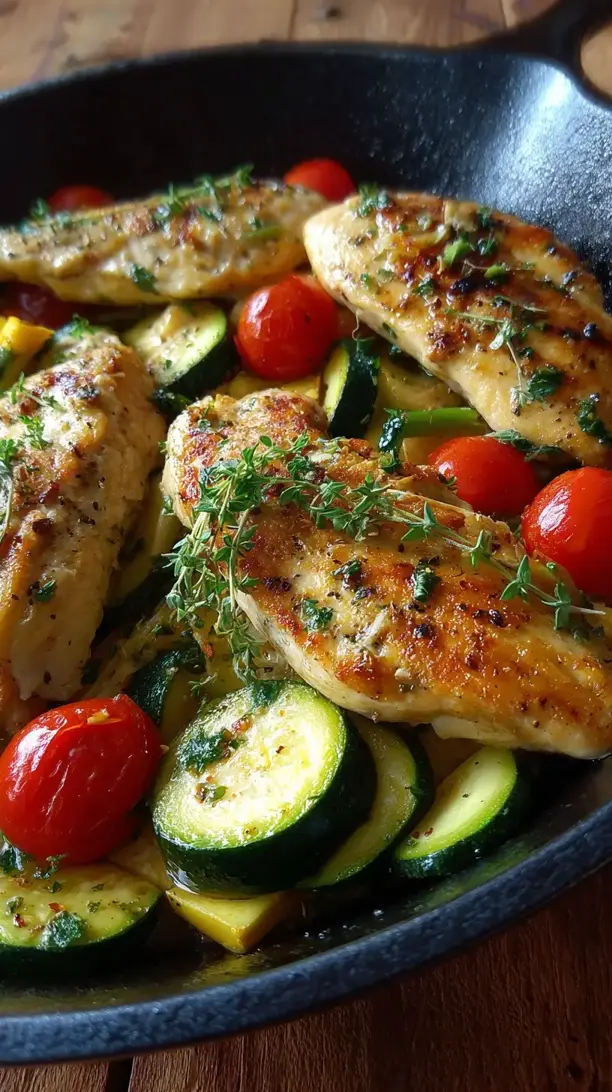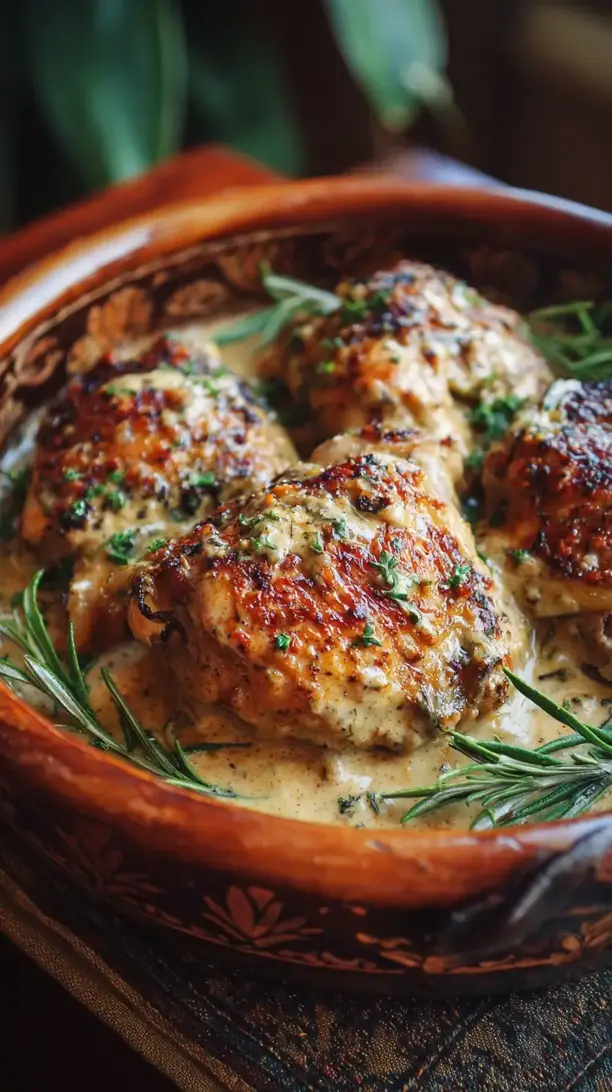
Argentine Chicken brings the soulful, vibrant flavors of a Buenos Aires parrilla to your table. Juicy, bone-in chicken is marinated in a fresh herb chimichurri, then grilled or roasted until crisp and tender. It’s a celebratory yet simple meal that’s bright, savory, and utterly addictive.
Nothing beats a great Argentine Chicken. Whether you're a fan of Chicken Breast Recipes or want to try something from our Burgers selection, keep scrolling!



Why You’ll Love This Argentine Chicken
- Fresh Herb Flavor: Zesty chimichurri soaks right into the chicken.
- Crispy, Juicy Texture: Skin-on cooking delivers irresistible crispness and moisture.
- Versatile Cooking: Works beautifully on the grill or in the oven.
- Amazing Leftovers: Flavors deepen overnight for next-day meals.
Ingredients & Tools
- 1 whole chicken (about 1.5 kg / 3–4 lbs), cut into 8 pieces
- 1 large bunch fresh flat-leaf parsley (about 2 cups, packed)
- 4–5 cloves garlic, minced
- 2 tbsp fresh oregano leaves
- 1 tsp dried chili flakes (or to taste)
- 80 ml extra virgin olive oil (about 1/3 cup)
- 60 ml red wine vinegar (about 1/4 cup)
- 1 tsp coarse sea salt, plus more for seasoning
- 1/2 tsp freshly cracked black pepper
- 1 lemon, cut into wedges for serving
Tools: A blender or food processor, a large bowl for marinating, a grill or roasting pan, and tongs.
Notes: Using fresh, high-quality herbs really makes a difference here—they’re the soul of the chimichurri. And don’t skip the red wine vinegar; its acidity balances the richness of the chicken and olive oil beautifully.
Nutrition (per serving)
| Calories: | 380 kcal |
| Protein: | 35 g |
| Fat: | 26 g |
| Carbs: | 2 g |
| Fiber: | 1 g |
Serves: 4 | Prep Time: 15 minutes (plus 1–4 hours marinating) | Cook Time: 35–45 minutes | Total Time: 50–60 minutes (plus marinating)
Before You Start: Tips & Ingredient Notes
- Use bone-in, skin-on chicken pieces. The bones help the meat stay juicy during cooking, and the skin crisps up wonderfully, adding texture and protecting the flesh from drying out.
- Don’t rush the marinating time. At least one hour is good, but 2–4 hours is ideal. The acid in the vinegar and the oils need time to tenderize the chicken and infuse it with flavor.
- Fresh herbs are non-negotiable. Dried parsley and oregano just won’t deliver the same bright, vibrant taste. If you can’t find fresh oregano, you can use a bit more parsley and a pinch of dried, but fresh is best.
- Let the chicken come to room temperature before cooking. Taking the chicken out of the fridge 20–30 minutes before it hits the heat helps it cook more evenly, preventing a cold center and overcooked edges.
How to Make Argentine Chicken
Step 1: First, make the chimichurri marinade. In a blender or food processor, combine the parsley, garlic, fresh oregano, chili flakes, olive oil, red wine vinegar, salt, and pepper. Pulse a few times until the herbs are finely chopped but not puréed—you want a rustic, slightly chunky texture. Give it a taste and adjust the seasoning if needed; it should be tangy, herby, and a little spicy.
Step 2: Prepare your chicken. If using a whole chicken, cut it into 8 pieces (2 breasts, 2 thighs, 2 drumsticks, 2 wings) or ask your butcher to do this. Pat the chicken pieces completely dry with paper towels. This is a small but crucial step for getting that crispy skin later. Place the chicken in a large, shallow dish or a resealable bag.
Step 3: Pour about two-thirds of the chimichurri marinade over the chicken, reserving the rest for serving later. Use your hands to rub the marinade thoroughly over every piece, making sure to get some under the skin where possible. Cover the dish (or seal the bag) and refrigerate for at least 1 hour, or up to 4 hours for deeper flavor.
Step 4: When you’re ready to cook, preheat your grill to medium-high heat (or your oven to 200°C / 400°F). If grilling, make sure the grates are clean and lightly oiled. If roasting, place a wire rack inside a roasting pan. Remove the chicken from the fridge about 20 minutes before cooking to take the chill off.
Step 5: Cook the chicken. For grilling: Place the chicken skin-side down first. Grill for about 6–8 minutes per side, until you have nice grill marks and the skin is crisp. For roasting: Arrange the chicken on the wire rack, skin-side up. Roast for 35–45 minutes, until the skin is golden brown and the internal temperature reaches 75°C / 165°F.
Step 6: Check for doneness. The safest way is to use a meat thermometer inserted into the thickest part of the thigh (avoiding the bone). The juices should run clear when pierced. If you don’t have a thermometer, you’ll notice the meat will feel firm and will have pulled back from the bone ends on the drumsticks.
Step 7: Once cooked, transfer the chicken to a serving platter. Let it rest for 5–10 minutes. This allows the juices to redistribute throughout the meat, making every bite succulent. Drizzle with the reserved fresh chimichurri sauce and serve with lemon wedges for squeezing over the top.
Storage & Freshness Guide
- Fridge: Store leftovers in an airtight container for 3–4 days.
- Freezer: Freeze in a sealed bag for up to 3 months; thaw in fridge before reheating.
- Reviving: Reheat in a 350°F oven for 10–15 minutes to maintain crisp skin.
Serving Suggestions
Complementary Dishes
- Classic Argentine Ensalada Mixta — A simple salad of crisp lettuce, tomatoes, and red onions with a light vinaigrette cuts through the richness of the chicken beautifully.
- Grilled Provencal Vegetables — Zucchini, bell peppers, and eggplant take on a lovely smokiness on the grill and complement the herby notes in the chicken.
- Papas Bravas — Crispy roasted potatoes with a spicy tomato sauce add a hearty, satisfying element to the meal.
Drinks
- Malbec — A bold, fruity Argentine red wine is the classic pairing, its tannins standing up perfectly to the savory, charred chicken.
- Chimichurri Paloma — A grapefruit soda and tequila cocktail with a hint of the chimichurri herbs echoes the flavors on the plate in a refreshing way.
- Sparkling Water with Lime — Sometimes simplicity is best; the effervescence and citrus cleanse the palate between each flavorful bite.
Something Sweet
- Dulce de Leche Alfajores — These delicate, buttery cookies sandwiching creamy caramel are a beloved Argentine treat and a perfect, not-too-heavy dessert.
- Grilled Peaches with Honey — If you already have the grill fired up, throw on some halved peaches for a warm, caramelized dessert that feels light and elegant.
- Flan Casero — A smooth, creamy caramel custard provides a cool, silky contrast to the savory, herbaceous main course.
Top Mistakes to Avoid
- Using dried herbs for the chimichurri. The marinade will lack the vibrant, fresh flavor that defines this dish. I’ve tried it before, and it just tastes dusty and dull.
- Skipping the step of patting the chicken dry. Any excess moisture on the skin will steam instead of crisp up, leaving you with rubbery, pale skin instead of a golden, crackly crust.
- Marinating for too long. While 4 hours is great, leaving the chicken in the acidic marinade for over 8 hours can start to break down the proteins too much, giving the meat a slightly mushy texture.
- Moving the chicken around too much on the grill. Let it sear undisturbed for the first few minutes to develop those beautiful, flavorful grill marks and to prevent the skin from tearing.
Expert Tips
- Tip: Make a double batch of chimichurri. It keeps well in the fridge for a week and is fantastic on steak, roasted vegetables, or even stirred into soups. You’ll thank yourself later.
- Tip: Get some marinade under the skin. Gently loosen the skin from the meat with your fingers and rub some of the chimichurri directly onto the flesh. This infuses flavor right into the meat, not just on the surface.
- Tip: Create a two-zone fire if grilling. Have one side of the grill hot for searing and the other side cooler. You can start the chicken over the hot side to get color, then move it to the cooler side to finish cooking through without burning.
- Tip: Let the chicken rest properly. I know it’s tempting to dig in right away, but those 5–10 minutes of rest time are what ensure a juicy, not-dry-on-the-plate result.
FAQs
Can I use boneless, skinless chicken breasts for this recipe?
You can, but the result will be quite different. The bone and skin provide insulation and fat, which keeps the meat incredibly moist during cooking. Boneless, skinless breasts are leaner and can dry out more easily, especially on the grill. If you do use them, reduce the cooking time significantly and consider brining them for 30 minutes beforehand to help retain moisture.
How can I tell when the chicken is done without a thermometer?
The most reliable way is a meat thermometer, but if you don’t have one, pierce the thickest part of a thigh with a knife or skewer. The juices should run completely clear, not pink or bloody. The leg joint should also move freely, and the meat will start to pull away from the bone ends. It’s better to be safe than sorry with poultry!
My chimichurri turned out bitter. What happened?
This usually happens if the parsley stems are used. They can be quite bitter. For the best flavor, use only the leaves and the most tender, top parts of the stems. Also, make sure you’re using flat-leaf (Italian) parsley, not the more bitter curly variety.
Can I bake this chicken instead of grilling or roasting?
Absolutely! The roasting method described is essentially baking at a high heat. Just make sure you use a wire rack set inside a baking sheet to allow hot air to circulate around the chicken, which helps the skin crisp up on all sides. The cooking time should be very similar.
How long do leftovers last, and how should I reheat them?
Leftover chicken will keep in an airtight container in the fridge for 3–4 days. To reheat, the oven or a toaster oven is your best bet to maintain the crispy skin texture. Place it on a baking sheet at 175°C / 350°F for about 10–15 minutes until warmed through. Avoid the microwave, as it will make the skin soft and rubbery.




Argentine Chicken
Learn how to make authentic Argentine Chicken with a fresh chimichurri marinade. This recipe is perfect for grilling or roasting. Get the recipe now!
Ingredients
For the Chimichurri Marinade
-
1 large bunch fresh flat-leaf parsley
-
4 cloves garlic
-
2 tbsp fresh oregano leaves
-
1 tsp dried chili flakes
-
80 ml extra virgin olive oil
-
60 ml red wine vinegar
-
1 tsp coarse sea salt
-
1/2 tsp freshly cracked black pepper
For the Chicken
-
1 whole chicken
-
1 lemon
Instructions
-
First, make the chimichurri marinade. In a blender or food processor, combine the parsley, garlic, fresh oregano, chili flakes, olive oil, red wine vinegar, salt, and pepper. Pulse a few times until the herbs are finely chopped but not puréed—you want a rustic, slightly chunky texture. Give it a taste and adjust the seasoning if needed; it should be tangy, herby, and a little spicy.01
-
Prepare your chicken. If using a whole chicken, cut it into 8 pieces (2 breasts, 2 thighs, 2 drumsticks, 2 wings) or ask your butcher to do this. Pat the chicken pieces completely dry with paper towels. This is a small but crucial step for getting that crispy skin later. Place the chicken in a large, shallow dish or a resealable bag.02
-
Pour about two-thirds of the chimichurri marinade over the chicken, reserving the rest for serving later. Use your hands to rub the marinade thoroughly over every piece, making sure to get some under the skin where possible. Cover the dish (or seal the bag) and refrigerate for at least 1 hour, or up to 4 hours for deeper flavor.03
-
When you’re ready to cook, preheat your grill to medium-high heat (or your oven to 200°C / 400°F). If grilling, make sure the grates are clean and lightly oiled. If roasting, place a wire rack inside a roasting pan. Remove the chicken from the fridge about 20 minutes before cooking to take the chill off.04
-
Cook the chicken. For grilling: Place the chicken skin-side down first. Grill for about 6–8 minutes per side, until you have nice grill marks and the skin is crisp. For roasting: Arrange the chicken on the wire rack, skin-side up. Roast for 35–45 minutes, until the skin is golden brown and the internal temperature reaches 75°C / 165°F.05
-
Check for doneness. The safest way is to use a meat thermometer inserted into the thickest part of the thigh (avoiding the bone). The juices should run clear when pierced. If you don’t have a thermometer, you’ll notice the meat will feel firm and will have pulled back from the bone ends on the drumsticks.06
-
Once cooked, transfer the chicken to a serving platter. Let it rest for 5–10 minutes. This allows the juices to redistribute throughout the meat, making every bite succulent. Drizzle with the reserved fresh chimichurri sauce and serve with lemon wedges for squeezing over the top.07
Not what you're looking for?