
Argentine Chicken captures the magic of authentic asado grilling with a vibrant chimichurri marinade. This recipe transforms simple chicken into juicy, flavor-packed perfection using fresh herbs and garlic. You’ll love how approachable it is for home cooks while delivering that authentic Argentine taste.
Craving a delicious Argentine Chicken? You've come to the right spot! From Chicken Recipes favorites to amazing Chicken Breast Recipes recipes, there's something here for everyone.


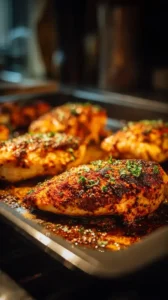
Why You’ll Love This Argentine Chicken
- Vibrant flavor: Fresh herbs and garlic create an aromatic, bold marinade.
- Simple prep: Just 15 minutes hands-on time before grilling.
- Versatile serving: Perfect for weeknights or impressive gatherings.
- Perfect texture: Crispy skin with incredibly moist, tender meat.
Ingredients & Tools
- 1 whole chicken (about 1.5 kg), spatchcocked or cut into 8 pieces
- 1 large bunch fresh flat-leaf parsley
- 1/2 bunch fresh oregano
- 6 cloves garlic, roughly chopped
- 80 ml red wine vinegar
- 120 ml extra virgin olive oil
- 1 tsp crushed red pepper flakes
- 1 tsp smoked paprika
- 2 tsp coarse sea salt
- 1 tsp freshly ground black pepper
- 1 lemon, cut into wedges for serving
Tools: Grill (charcoal preferred), sharp knife, cutting board, blender or food processor, large mixing bowl, kitchen twine (optional)
Notes: The quality of your herbs really makes a difference here—you want that vibrant green color and fresh aroma. Don’t skimp on the garlic either, as it mellows beautifully during marinating and cooking.
Nutrition (per serving)
| Calories: | 380 kcal |
| Protein: | 35 g |
| Fat: | 26 g |
| Carbs: | 2 g |
| Fiber: | 1 g |
Serves: 4 | Prep Time: 20 minutes | Cook Time: 40 minutes | Total Time: 1 hour (plus 4-24 hours marinating)
Before You Start: Tips & Ingredient Notes
- Why spatchcock the chicken? Flattening the bird helps it cook evenly and much faster. You’ll get crispy skin everywhere instead of just on certain parts. If you’re nervous about doing it yourself, ask your butcher—they’ll usually do it for free.
- Fresh herbs vs dried—does it matter? Honestly, yes. The bright, grassy notes of fresh parsley and oregano are essential for authentic chimichurri. Dried herbs just won’t give you that vibrant green color or fresh flavor profile.
- Can I make this without a grill? Absolutely! A hot oven (220°C) or even a grill pan on the stove will work. You might miss some smokiness, but the flavor will still be fantastic. The trick is getting that high heat for proper browning.
- How long should it marinate? Ideally 4-24 hours. Less than 4 and the flavors don’t penetrate deeply enough; more than 24 and the acid starts breaking down the texture. Overnight is that sweet spot.
How to Make Argentine Chicken
Step 1: Start by making your chimichurri marinade. Combine the parsley, oregano, garlic, red wine vinegar, olive oil, red pepper flakes, smoked paprika, salt, and black pepper in a blender or food processor. Pulse until you get a coarse paste—you don’t want it completely smooth. The texture should be rustic with visible herb flecks. Taste and adjust seasoning if needed; it should be quite bold since it’s marinating the chicken.
Step 2: Prepare your chicken. If using a whole chicken, spatchcock it by cutting along either side of the backbone and removing it, then flattening the bird. Pat the chicken completely dry with paper towels—this is crucial for getting that crispy skin. Place the chicken in a large bowl or baking dish.
Step 3: Now for the fun part—massage about two-thirds of the chimichurri mixture all over the chicken, making sure to get under the skin where possible. Really work it into every nook and cranny. You’ll notice the vibrant green color coating the chicken beautifully. Reserve the remaining chimichurri for serving later.
Step 4: Cover the marinating chicken and refrigerate for at least 4 hours, preferably overnight. During this time, the acid in the vinegar tenderizes the meat while the herbs and garlic infuse their flavor deeply. You might want to turn the chicken once or twice if you remember, but it’s not essential.
Step 5: When ready to cook, prepare your grill for indirect medium-high heat (about 200°C). If using charcoal, push the coals to one side. For gas grills, turn on only half the burners. Let the chicken come to room temperature for about 30 minutes while the grill heats up.
Step 6: Place the chicken skin-side up on the cooler side of the grill, away from direct heat. Close the lid and cook for about 30-40 minutes, depending on the size of your chicken pieces. You’re looking for the skin to start rendering fat and taking on some color.
Step 7: Now move the chicken over direct heat to finish. This is where the magic happens—the skin should crisp up beautifully with some charred spots. Cook for another 5-10 minutes, turning occasionally, until the internal temperature reaches 75°C in the thickest part of the thigh and the skin is golden and crispy.
Step 8: Transfer the chicken to a cutting board and let it rest for at least 10 minutes. This allows the juices to redistribute throughout the meat. While it rests, you can briefly warm the reserved chimichurri sauce—just enough to take the chill off.
Step 9: Carve or separate the chicken into serving pieces. Drizzle with the warmed reserved chimichurri and serve immediately with lemon wedges for squeezing over. The combination of the crispy skin, juicy meat, and that vibrant sauce is absolutely heavenly.
Storage & Freshness Guide
- Fridge: Store leftovers in an airtight container for 3-4 days.
- Freezer: Freeze before or immediately after marinating for up to 3 months.
- Reviving: Reheat gently in oven to maintain texture; avoid microwaving.
Serving Suggestions
Complementary Dishes
- Grilled provoleta — This melted provolone cheese with oregano and chili flakes provides the perfect creamy, salty counterpoint to the chicken’s herbaceous notes.
- Ensalada mixta — A simple salad of crisp lettuce, tomatoes, and red onions with a basic vinaigrette cuts through the richness beautifully.
- Papas a la provenzal — Crispy roasted potatoes tossed with garlic and parsley echo the chimichurri flavors in the most delightful way.
Drinks
- Argentinian Malbec — The bold fruit flavors and soft tannins complement the garlic and herbs without overpowering the chicken.
- Chinato bitter soda — For a non-alcoholic option, this slightly bitter herbal soda cleanses the palate between bites perfectly.
- Classic fernet with cola — If you’re feeling adventurous, this Argentinian favorite provides a complex herbal counterpoint to the meal.
Something Sweet
- Dulce de leche crepes — Thin crepes filled with that iconic caramel sauce offer the perfect sweet ending without being too heavy.
- Alfajores — These delicate sandwich cookies with dulce de leche filling are the quintessential Argentinian treat.
- Grilled peaches with honey — A lighter option that continues the grilled theme while providing natural sweetness.
Top Mistakes to Avoid
- Mistake: Skipping the drying step. If you don’t pat the chicken completely dry before marinating, the skin will steam instead of crisping up. I’ve messed this up before too—it makes a huge difference in texture.
- Mistake: Marinating too long. The acid in the vinegar can actually start to “cook” the outer layers of meat, giving it a weird texture. Stick to the 4-24 hour window for best results.
- Mistake: Cooking over direct heat the entire time. This will burn the herb coating before the chicken cooks through. The indirect-then-direct method ensures perfect doneness with that beautiful char.
- Mistake: Not letting it rest. Cutting into the chicken immediately causes all those precious juices to run out, leaving you with drier meat. Those 10 minutes make all the difference.
Expert Tips
- Tip: Make extra chimichurri. Seriously, double the batch and keep some separate from the marinating chicken. It’s incredible on steak, roasted vegetables, or even just crusty bread.
- Tip: Use herb stems for more flavor. Don’t bother picking every single leaf—the softer stems of parsley and oregano contain tons of flavor and will blend up nicely in your marinade.
- Tip: Create two heat zones on your grill. This gives you way more control. If parts are cooking too fast, you can move them to the cooler side while the rest catches up.
- Tip: Add wood chips for extra smokiness. Soak a handful of oak or fruitwood chips for 30 minutes, then toss them directly on the coals (or in a smoker box for gas grills) for that authentic asado flavor.
- Tip: Finish with flaky salt. A sprinkle of Maldon or other flaky sea salt right before serving enhances the crispy skin texture and brightens all the flavors.
FAQs
Can I use boneless chicken breasts instead?
Absolutely! The cooking time will be much shorter—probably 15-20 minutes total. Just watch the internal temperature carefully (aim for 70°C) since breast meat can dry out faster. You might want to reserve some chimichurri to drizzle over after cooking rather than marinating, as the shorter marinating time won’t penetrate as deeply.
What if I don’t have a food processor?
No problem at all! Just chop everything very finely with a sharp knife. Actually, many traditional Argentinian cooks prefer the hand-chopped method—it gives the chimichurri a more rustic texture. The key is getting everything uniformly small so the flavors meld properly.
How long does leftover Argentine Chicken keep?
Properly stored in an airtight container, it will keep for 3-4 days in the refrigerator. The flavor actually improves overnight! You can enjoy it cold in salads, shredded in sandwiches, or gently reheated in the oven. Avoid microwaving if possible—it can make the texture rubbery.
Can I freeze the marinated chicken?
Yes, but with one caveat—freeze it before marinating or immediately after adding the marinade. The texture can become mushy if frozen after marinating for several hours. The chimichurri sauce itself freezes beautifully for up to 3 months.
Why did my chimichurri turn brown?
This usually happens from oxidation or blending too vigorously. The parsley reacts with oxygen, much like guacamole. To prevent this, make sure your herbs are completely dry before blending, pulse rather than puree, and store any leftover sauce with a thin layer of olive oil on top.

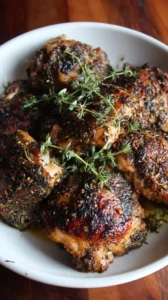


Argentine Chicken
Make authentic Argentine Chicken with this easy chimichurri marinade recipe. Juicy, flavorful, and perfect for grilling. Get the step-by-step guide now!
Ingredients
For the Ingredients
-
1 whole chicken (about 1.5 kg, spatchcocked or cut into 8 pieces)
-
1 large bunch fresh flat-leaf parsley
-
1/2 bunch fresh oregano
-
6 cloves garlic (roughly chopped)
-
80 ml red wine vinegar
-
120 ml extra virgin olive oil
-
1 tsp crushed red pepper flakes
-
1 tsp smoked paprika
-
2 tsp coarse sea salt
-
1 tsp freshly ground black pepper
-
1 lemon (cut into wedges for serving)
Instructions
-
Start by making your chimichurri marinade. Combine the parsley, oregano, garlic, red wine vinegar, olive oil, red pepper flakes, smoked paprika, salt, and black pepper in a blender or food processor. Pulse until you get a coarse paste—you don’t want it completely smooth. The texture should be rustic with visible herb flecks. Taste and adjust seasoning if needed; it should be quite bold since it’s marinating the chicken.01
-
Prepare your chicken. If using a whole chicken, spatchcock it by cutting along either side of the backbone and removing it, then flattening the bird. Pat the chicken completely dry with paper towels—this is crucial for getting that crispy skin. Place the chicken in a large bowl or baking dish.02
-
Now for the fun part—massage about two-thirds of the chimichurri mixture all over the chicken, making sure to get under the skin where possible. Really work it into every nook and cranny. You’ll notice the vibrant green color coating the chicken beautifully. Reserve the remaining chimichurri for serving later.03
-
Cover the marinating chicken and refrigerate for at least 4 hours, preferably overnight. During this time, the acid in the vinegar tenderizes the meat while the herbs and garlic infuse their flavor deeply. You might want to turn the chicken once or twice if you remember, but it’s not essential.04
-
When ready to cook, prepare your grill for indirect medium-high heat (about 200°C). If using charcoal, push the coals to one side. For gas grills, turn on only half the burners. Let the chicken come to room temperature for about 30 minutes while the grill heats up.05
-
Place the chicken skin-side up on the cooler side of the grill, away from direct heat. Close the lid and cook for about 30-40 minutes, depending on the size of your chicken pieces. You’re looking for the skin to start rendering fat and taking on some color.06
-
Now move the chicken over direct heat to finish. This is where the magic happens—the skin should crisp up beautifully with some charred spots. Cook for another 5-10 minutes, turning occasionally, until the internal temperature reaches 75°C in the thickest part of the thigh and the skin is golden and crispy.07
-
Transfer the chicken to a cutting board and let it rest for at least 10 minutes. This allows the juices to redistribute throughout the meat. While it rests, you can briefly warm the reserved chimichurri sauce—just enough to take the chill off.08
-
Carve or separate the chicken into serving pieces. Drizzle with the warmed reserved chimichurri and serve immediately with lemon wedges for squeezing over. The combination of the crispy skin, juicy meat, and that vibrant sauce is absolutely heavenly.09
Not what you're looking for?


