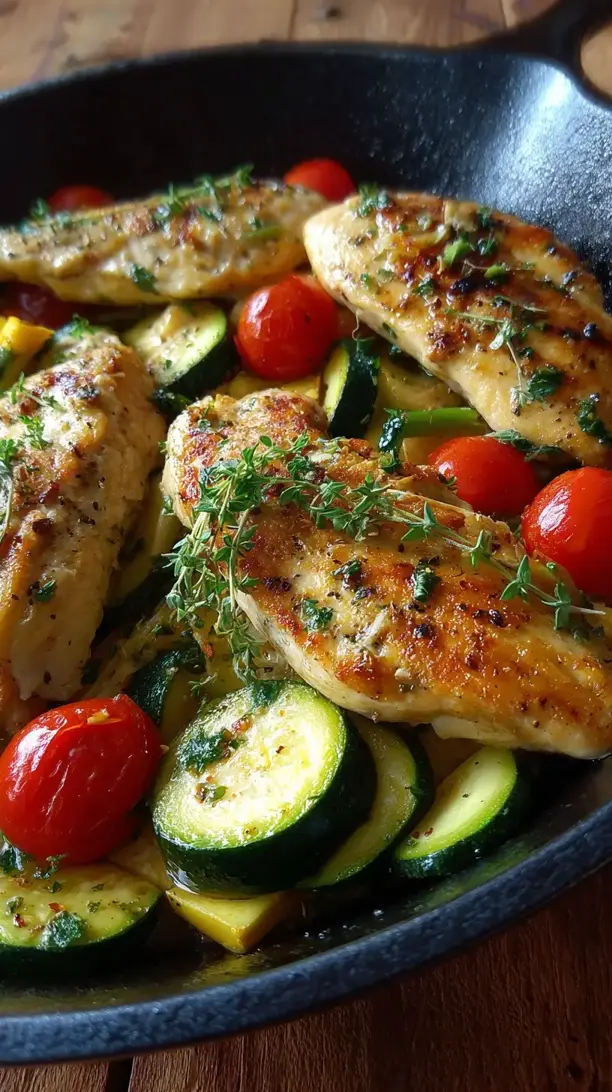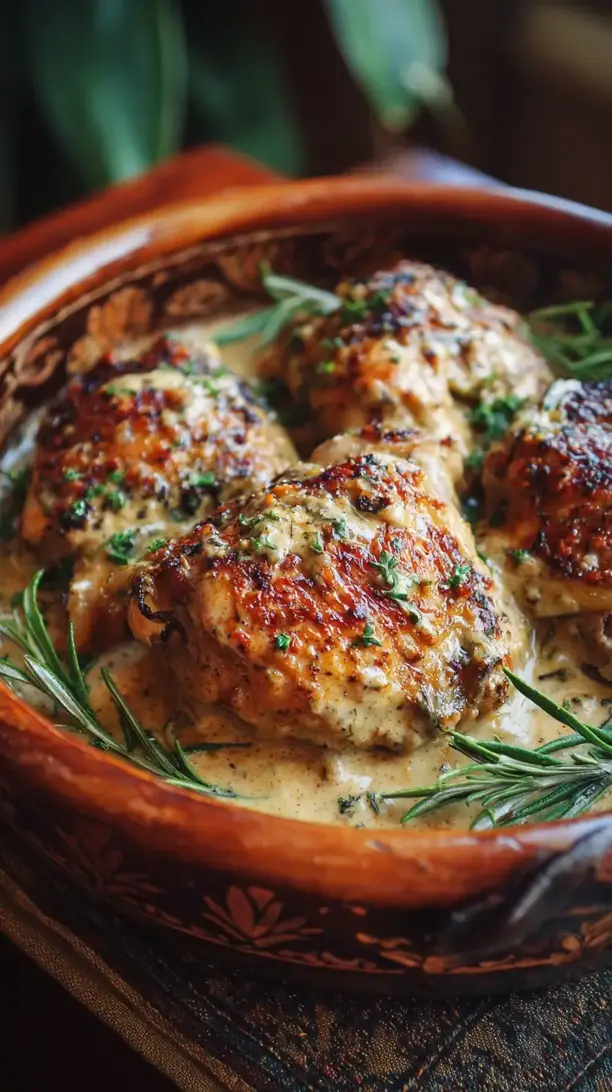
Perfectly baked chicken breast is juicy, versatile, and simple to master. This method ensures a golden sear and moist interior every time. Your baked chicken breast will become a weeknight favorite.
Nothing beats a great Baked Chicken Breast. Whether you're a fan of Chicken Breast Recipes or want to try something from our Breakfast & Brunch selection, keep scrolling!


Why You’ll Love This Baked Chicken Breast
- Impossibly juicy: Careful temperature and brining prevent dryness.
- Flavor adapts easily: Swap herbs and spices to match any cuisine.
- Meal prep superstar: Ready protein for salads, wraps, and bowls.
- Golden-brown crust: Quick sear locks in juices and adds texture.
Ingredients & Tools
- 4 boneless, skinless chicken breasts (about 1.5–2 lbs total)
- 2 tbsp olive oil
- 1 tsp kosher salt
- 1/2 tsp black pepper, freshly ground
- 1 tsp garlic powder
- 1 tsp smoked paprika
- 1/2 tsp onion powder
- 1/4 cup chicken broth or dry white wine (for pan deglazing)
- 2 tbsp unsalted butter, cut into small pieces
- Fresh herbs like thyme or rosemary sprigs (optional, for aroma)
Tools: 10–12 inch oven-safe skillet (cast iron works beautifully), instant-read thermometer, small bowl for mixing spices, measuring spoons, tongs
Notes: Don’t skip the smoked paprika—it adds warmth and color. An oven-safe skillet builds flavor from stovetop to oven.
Nutrition (per serving)
| Calories: | 265 kcal |
| Protein: | 35 g |
| Fat: | 12 g |
| Carbs: | 1 g |
| Fiber: | 0 g |
Serves: 4 | Prep Time: 10 minutes | Cook Time: 20 minutes | Total Time: 30 minutes
Before You Start: Tips & Ingredient Notes
- Choose similar-sized chicken breasts. If one is much thicker than the others, place it between plastic wrap and gently pound the thicker end to an even 1-inch thickness. This ensures everything cooks at the same rate.
- Bring chicken to room temperature. Take it out of the fridge 20–30 minutes before cooking. Cold chicken straight from the refrigerator won’t cook evenly, leading to an overdone exterior and undercooked center.
- Don’t skip the brining step. A quick 15-minute soak in salted water makes a remarkable difference in moisture retention. It’s the simplest insurance policy against dry chicken.
- Invest in an instant-read thermometer. Visual cues can be deceiving, but temperature doesn’t lie. Pulling the chicken at 160–162°F (it will carry over to 165°F while resting) is the key to perfect doneness.
How to Make Baked Chicken Breast
Step 1: Start by brining your chicken. In a large bowl, dissolve 1 tablespoon of kosher salt in 4 cups of cool water. Submerge the chicken breasts and let them sit for 15 minutes at room temperature. This brief brine seasons the meat from the inside out and helps it retain moisture during the high heat of the oven. You’ll notice the chicken feels a bit firmer afterward—that’s a good sign!
Step 2: While the chicken brines, preheat your oven to 400°F (200°C). Pat the chicken breasts completely dry with paper towels—this is non-negotiable for getting that beautiful sear. In a small bowl, mix together the remaining salt, black pepper, garlic powder, smoked paprika, and onion powder. Rub this seasoning blend evenly over all sides of each chicken breast, pressing gently so it adheres.
Step 3: Heat the olive oil in your oven-safe skillet over medium-high heat until it shimmers. Carefully place the chicken breasts in the hot pan, making sure not to crowd them. Sear for 2–3 minutes without moving them, until a golden-brown crust forms. Flip and sear the other side for another 2 minutes. You should hear a nice sizzle—that’s the sound of flavor developing.
Step 4: Remove the skillet from the heat. Scatter the butter pieces around the chicken and pour in the chicken broth or wine. The liquid will bubble and steam immediately. If using, tuck the fresh herb sprigs around the chicken. The aroma at this stage is absolutely incredible—savory, buttery, and herby all at once.
Step 5: Transfer the skillet directly to the preheated oven. Bake for 15–18 minutes, or until an instant-read thermometer inserted into the thickest part of a breast registers 160–162°F. The chicken will look beautifully bronzed, and the butter will have created a glossy, flavorful sauce in the bottom of the pan.
Step 6: Using oven mitts, carefully remove the hot skillet from the oven. Transfer the chicken to a clean cutting board or plate. Let it rest for 5–7 minutes—this allows the juices to redistribute throughout the meat. Meanwhile, you can stir the pan juices to create a simple sauce to drizzle over the sliced chicken.
Storage & Freshness Guide
- Fridge: Store in an airtight container with pan juices up to 4 days.
- Freezer: Wrap individually and freeze up to 3 months. Thaw in fridge before reheating.
- Reviving: Reheat gently in a 325°F oven with a splash of broth, covered, until warm.
Serving Suggestions
Complementary Dishes
- Garlic Mashed Potatoes — The creamy, fluffy texture is the perfect vehicle for soaking up those delicious pan juices.
- Roasted Asparagus or Green Beans — Their slight crunch and earthy flavor provide a wonderful textural contrast to the tender chicken.
- Herbed Quinoa or Couscous — These light grains act as a fantastic base, making the meal feel complete and satisfying.
Drinks
- A Crisp Chardonnay — Its bright acidity and subtle oakiness cut through the richness of the chicken beautifully.
- Sparkling Water with Lemon — For a non-alcoholic option, the bubbles and citrus cleanse the palate between bites.
- Light-bodied Pale Ale — The hoppy, bitter notes complement the savory, smoky flavors from the paprika sear.
Something Sweet
- Lemon Sorbet — Its bright, clean finish is incredibly refreshing after a savory main course.
- Simple Berry Crumble — The warm, jammy fruit and buttery topping feel homey and comforting.
- Dark Chocolate Truffles — Just one or two pieces provide a rich, decadent endnote without being too heavy.
Top Mistakes to Avoid
- Overcooking the chicken. This is the number one reason for dry, tough meat. Trust your thermometer, not the clock—ovens vary widely, and chicken thickness differs.
- Skipping the sear. That initial browning in the hot skillet creates the Maillard reaction, which develops deep, complex flavors you just can’t get from baking alone.
- Cutting into the chicken immediately. I’ve messed this up before too… slicing right away lets all those precious juices run out onto the cutting board instead of staying in the meat.
- Using a cold pan for searing. If the oil isn’t properly hot, the chicken will steam and stick rather than developing that beautiful, release-easily crust.
Expert Tips
- Tip: For extra flavor infusion, create a small pocket in the thickest part of each breast with a paring knife and tuck in a slice of garlic or a sprig of fresh herbs before seasoning.
- Tip: If you don’t have an oven-safe skillet, sear the chicken in a regular pan, then transfer it to a baking dish for the oven portion. You’ll lose the deglazing sauce, but the result is still excellent.
- Tip: To make a quick pan sauce while the chicken rests, place the skillet back over medium heat, add a splash more broth or a squeeze of lemon juice, and scrape up all the browned bits. Simmer for a minute until slightly thickened.
- Tip: For meal prep, let the baked chicken cool completely before slicing or shredding. Store in an airtight container with a couple of tablespoons of the pan juices to keep it moist for up to 4 days.
FAQs
Can I use chicken thighs instead of breasts?
Absolutely! Bone-in, skin-on thighs are particularly delicious with this method. You’ll want to increase the initial sear time to about 4-5 minutes per side to really crisp up the skin, and the baking time might extend to 25-30 minutes. The higher fat content in thighs makes them very forgiving, so they’re harder to overcook. Just make sure the internal temperature reaches 175°F for the most tender, fall-off-the-bone result.
Why did my chicken turn out dry even though I used a thermometer?
This usually happens for one of two reasons. First, the chicken might have been overcooked before it even hit your kitchen—look for plump, moist-looking breasts without any gray discoloration. Second, you might not be letting it rest long enough. That 5-7 minute rest is crucial for the muscle fibers to relax and reabsorb the juices. If you cut in too soon, all that liquid ends up on the plate.
Can I make this without an oven-safe skillet?
You sure can! Just sear the chicken in any large skillet, then transfer the breasts to a parchment-lined baking sheet or a 9×13 baking dish for the oven portion. You’ll miss out on the amazing pan sauce, but you can still drizzle the chicken with a little extra olive oil before baking to keep it moist. The result will still be far superior to chicken that’s only baked.
How do I know when the chicken is done without a thermometer?
While I strongly recommend using a thermometer for accuracy, you can press the chicken with your finger—it should feel firm but still have a little give, like the base of your thumb when your hand is relaxed. Alternatively, make a small cut in the thickest part; the juices should run clear, not pink. But honestly, the thermometer is your best friend here for guaranteed perfection.
What’s the best way to reheat leftover baked chicken?
The key is gentle, moist heat. Never microwave it straight—that will turn it rubbery. Instead, place the chicken in a baking dish with a couple tablespoons of chicken broth or water, cover tightly with foil, and warm in a 325°F oven for 10-15 minutes until heated through. You can also slice it cold and add it directly to salads, wraps, or pasta dishes.


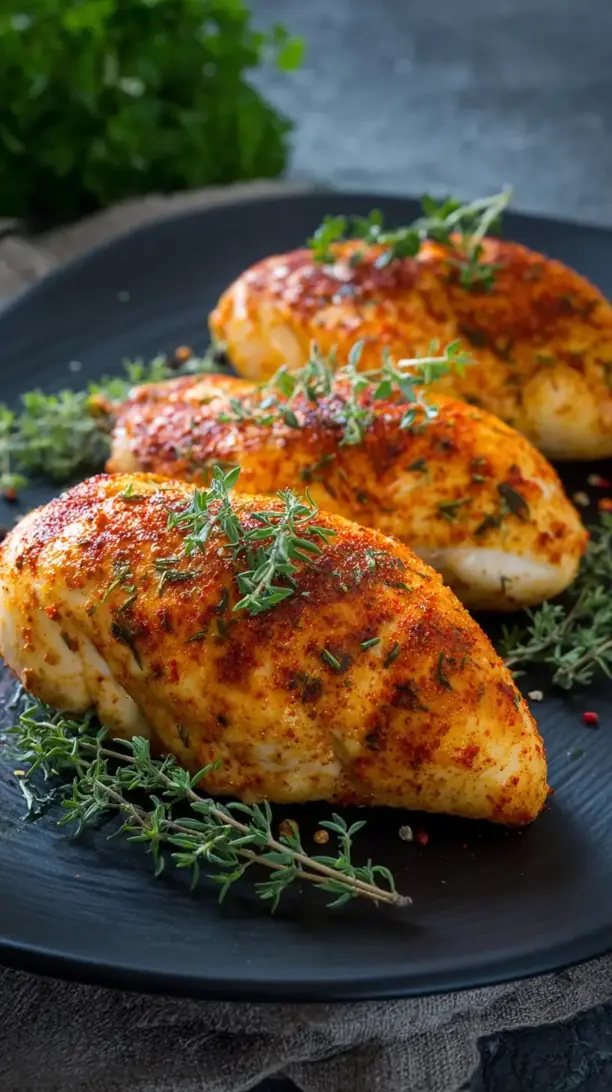
Baked Chicken Breast
Learn how to make perfectly juicy Baked Chicken Breast with a golden sear. This easy, foolproof recipe is your go-to for a healthy weeknight dinner. Get the recipe now!
Ingredients
For the Ingredients & Tools
-
4 boneless, skinless chicken breasts (about 1.5–2 lbs total)
-
2 tbsp olive oil
-
1 tsp kosher salt
-
1/2 tsp black pepper (freshly ground)
-
1 tsp garlic powder
-
1 tsp smoked paprika
-
1/2 tsp onion powder
-
1/4 cup chicken broth or dry white wine (for pan deglazing)
-
2 tbsp unsalted butter (cut into small pieces)
-
Fresh herbs like thyme or rosemary sprigs (optional, for aroma)
Instructions
-
Start by brining your chicken. In a large bowl, dissolve 1 tablespoon of kosher salt in 4 cups of cool water. Submerge the chicken breasts and let them sit for 15 minutes at room temperature.01
-
While the chicken brines, preheat your oven to 400°F (200°C). Pat the chicken breasts completely dry with paper towels. In a small bowl, mix together the remaining salt, black pepper, garlic powder, smoked paprika, and onion powder. Rub this seasoning blend evenly over all sides of each chicken breast, pressing gently so it adheres.02
-
Heat the olive oil in your oven-safe skillet over medium-high heat until it shimmers. Carefully place the chicken breasts in the hot pan, making sure not to crowd them. Sear for 2–3 minutes without moving them, until a golden-brown crust forms. Flip and sear the other side for another 2 minutes.03
-
Remove the skillet from the heat. Scatter the butter pieces around the chicken and pour in the chicken broth or wine. If using, tuck the fresh herb sprigs around the chicken.04
-
Transfer the skillet directly to the preheated oven. Bake for 15–18 minutes, or until an instant-read thermometer inserted into the thickest part of a breast registers 160–162°F.05
-
Using oven mitts, carefully remove the hot skillet from the oven. Transfer the chicken to a clean cutting board or plate. Let it rest for 5–7 minutes.06
Not what you're looking for?