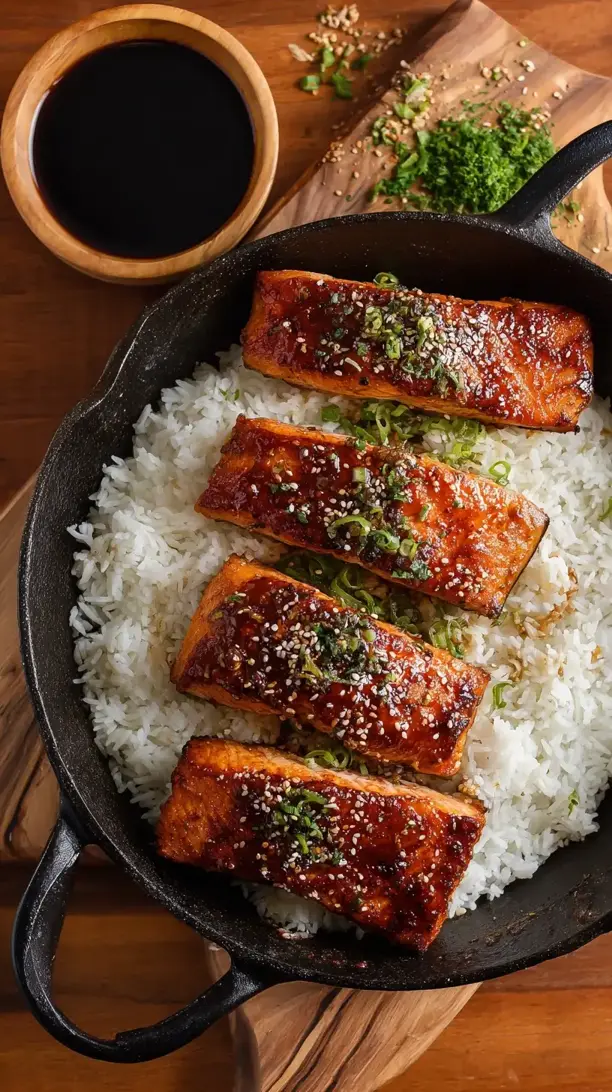
This Baked Teriyaki Salmon delivers a glossy, sweet-salty glaze over tender, flaky fish with minimal effort. It’s a weeknight-friendly dish that feels special and comes together quickly. The aroma of caramelizing teriyaki sauce will make your kitchen smell incredible.
Nothing beats a great Baked Teriyaki Salmon. Whether you're a fan of Dinner Ideas or want to try something from our Dessert Recipes selection, keep scrolling!



Why You’ll Love This Baked Teriyaki Salmon
- Effortless elegance: Simple ingredients and straightforward steps yield impressive results.
- Restaurant-quality flavor: The sticky, glossy glaze caramelizes beautifully in the oven.
- Healthy & versatile: Packed with protein and omega-3s, it pairs well with rice or greens.
- Meal prep friendly: Easy to scale for a crowd or reheat for tomorrow’s lunch.
Ingredients & Tools
- 4 salmon fillets (about 150–180 g each), skin-on or skinless
- 60 ml soy sauce (use reduced-sodium if preferred)
- 2 tbsp honey or maple syrup
- 1 tbsp rice vinegar
- 2 cloves garlic, minced
- 1 tsp fresh ginger, grated
- 1 tbsp sesame oil
- 1 tsp cornstarch
- 2 tbsp water
- 1 tbsp sesame seeds and sliced spring onions for garnish
Tools: baking dish, small saucepan, whisk, brush (optional)
Notes: Fresh ginger and garlic add a bright, aromatic kick. Cornstarch is key for a glossy, clingy glaze.
Nutrition (per serving)
| Calories: | 320 kcal |
| Protein: | 28 g |
| Fat: | 16 g |
| Carbs: | 12 g |
| Fiber: | 0.5 g |
Serves: 4 | Prep Time: 10 minutes | Cook Time: 15–18 minutes | Total Time: 25–28 minutes
Before You Start: Tips & Ingredient Notes
- Choose the right salmon. Look for fillets that are evenly thick, so they cook at the same rate. Skin-on fillets hold their shape well and can help keep the fish moist, but skinless works perfectly too—just keep an eye on the timing.
- Don’t marinate for too long. Because the teriyaki sauce contains soy sauce, which is salty, marinating the salmon for more than 30 minutes can start to “cook” the exterior and make the texture a bit firm. A quick 15–20 minute soak is all you need.
- Adjust the sweetness to your taste. If you like a less sweet glaze, reduce the honey by half. You can also add a pinch of red pepper flakes for a subtle kick—it balances the sweetness beautifully.
- Bring salmon to room temperature. Let the fillets sit out for 10–15 minutes before baking. This helps them cook more evenly, so you don’t end up with an overcooked outside and cold center.
How to Make Baked Teriyaki Salmon
Step 1: Start by preheating your oven to 200°C (400°F). Pat the salmon fillets dry with a paper towel—this helps the glaze stick better and ensures a nice sear-like finish in the oven. Place the fillets in a baking dish lined with parchment paper or lightly greased. If your fillets have skin, you can place them skin-side down; they’ll release easily after baking.
Step 2: In a small saucepan, combine the soy sauce, honey, rice vinegar, minced garlic, grated ginger, and sesame oil. Whisk everything together over medium heat until it begins to simmer. You’ll notice the aroma becoming fragrant and sweet—this is when the flavors start to meld.
Step 3: In a separate small bowl, mix the cornstarch with water until smooth. Slowly whisk this slurry into the simmering sauce. Keep stirring for about 1–2 minutes until the sauce thickens slightly and becomes glossy. The trick is to not over-thicken it at this stage—it will continue to reduce in the oven.
Step 4: Brush about two-thirds of the teriyaki glaze over the salmon fillets, making sure to coat the tops and sides evenly. Reserve the remaining glaze for serving. You can let the salmon sit for 10–15 minutes to absorb the flavors, or pop it straight into the oven if you’re short on time.
Step 5: Bake the salmon for 12–18 minutes, depending on thickness. The salmon is done when it flakes easily with a fork and has an internal temperature of 63°C (145°F). If you like a more caramelized top, you can switch the oven to broil for the last 1–2 minutes—just watch it closely to prevent burning.
Step 6: Remove the salmon from the oven and let it rest for 2–3 minutes. This allows the juices to redistribute, keeping the fish moist. Drizzle with the reserved teriyaki glaze and sprinkle with sesame seeds and sliced spring onions before serving.
Storage & Freshness Guide
- Fridge: Store leftovers in an airtight container for up to 2 days.
- Freezer: Freeze cooked salmon (without extra glaze) for up to 1 month. Thaw in fridge before reheating.
- Reviving: Reheat gently in a 160°C (325°F) oven, covered, for about 10 minutes to retain moisture.
Serving Suggestions
Complementary Dishes
- Steamed jasmine rice — The fluffy grains soak up the extra teriyaki sauce beautifully, making every bite a perfect balance of savory and sweet.
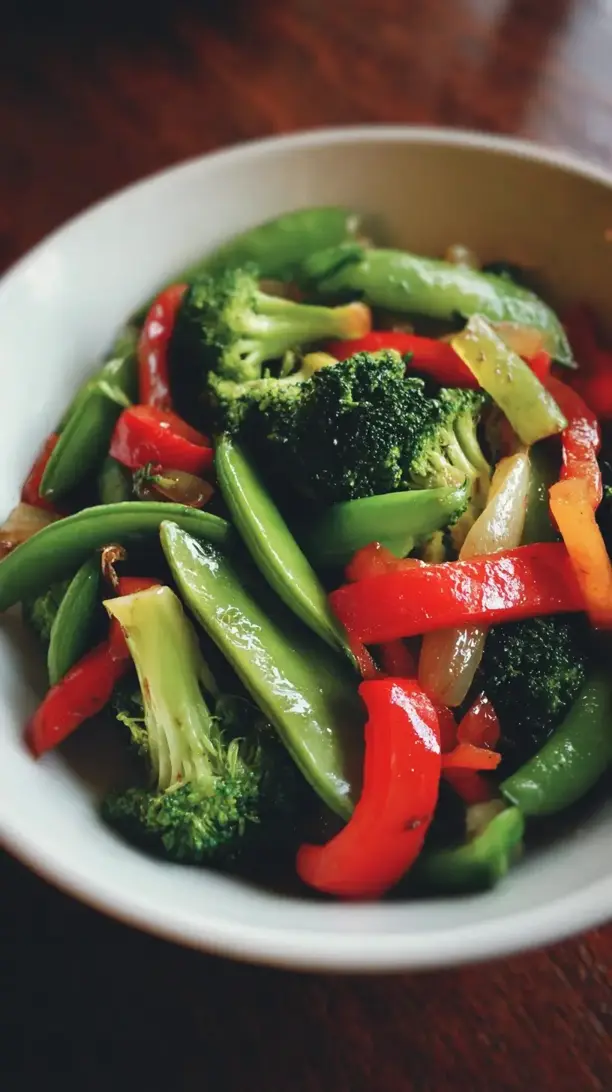
- Stir-fried vegetables — Think bok choy, broccoli, or snap peas sautéed with a bit of garlic and soy sauce. They add crunch and freshness to the rich salmon.
- Seaweed salad or cucumber sunomono — A light, tangy side that cuts through the richness and cleanses the palate between bites.
Drinks
- Cold Japanese lager or a crisp pilsner — The effervescence and mild bitterness contrast nicely with the sweet-salty glaze, making each sip refreshing.
- Earl Grey iced tea with a slice of lemon — The bergamot notes in the tea complement the ginger and garlic in the sauce, offering a sophisticated non-alcoholic option.
- Unoaked Chardonnay or Pinot Gris — These wines have enough acidity to balance the sweetness without overpowering the delicate salmon flavor.
Something Sweet
- Matcha green tea ice cream — The slightly bitter, earthy matcha is a wonderful follow-up to the umami-rich salmon, and it feels like a natural ending to the meal.
- Mochi or sesame balls — Chewy, subtly sweet, and fun to eat—they continue the Japanese-inspired theme without being too heavy.
- Fresh mango slices with a sprinkle of lime — Simple, bright, and juicy, this dessert cleanses the palate and adds a tropical twist.
Top Mistakes to Avoid
- Overcooking the salmon. Salmon continues to cook after it comes out of the oven, so take it out when it’s just slightly translucent in the center. I’ve messed this up before too—dry salmon is a real disappointment, so use a timer and check early.
- Using low-quality soy sauce. The sauce is the star here, so a good-quality soy sauce makes a noticeable difference. Avoid overly salty or harsh-tasting brands—they can throw off the balance of the glaze.
- Skipping the cornstarch slurry. Without it, the glaze will be thin and runny, sliding right off the salmon. That glossy, sticky texture is what makes this dish feel restaurant-worthy.
- Not tasting the sauce as you go. Adjust the sweetness or saltiness before brushing it on the salmon. You might prefer a little more ginger or a touch of acidity—it’s your kitchen, so make it yours!
Expert Tips
- Tip: For extra flavor, lightly sear the salmon in a hot skillet for 1–2 minutes per side before transferring to the oven. This adds a lovely crust and deeper color, though it’s totally optional if you’re keeping things simple.
- Tip: If you’re making this for guests, prepare the glaze ahead of time and keep it in the fridge. When ready to cook, gently reheat it while the oven preheats—this saves time and reduces last-minute stress.
- Tip: Use a silicone brush to apply the glaze evenly. If you don’t have one, a spoon works fine—just be gentle to avoid breaking the delicate salmon.
- Tip: For a caramelized, restaurant-style finish, brush a thin layer of extra glaze over the salmon during the last 3–4 minutes of baking. It creates a beautiful shiny crust that’s packed with flavor.
FAQs
Can I use frozen salmon for this recipe?
Yes, absolutely—just make sure to thaw it completely in the refrigerator overnight. Pat it very dry before applying the glaze, as excess moisture can make the sauce watery and prevent proper caramelization. I don’t recommend cooking from frozen, as the exterior may overcook before the center is done.
How do I know when the salmon is cooked through?
The salmon should flake easily when pressed with a fork, and the internal temperature should read 63°C (145°F) on an instant-read thermometer. If you don’t have a thermometer, look for the flesh to be opaque and slightly pink in the very center—it will continue to cook as it rests.
Can I make this recipe gluten-free?
Definitely! Just use tamari or a certified gluten-free soy sauce in place of regular soy sauce. All the other ingredients are naturally gluten-free, so you’ll end up with the same delicious, sticky glaze without any worries.
What’s the best way to store and reheat leftovers?
Store any leftover salmon in an airtight container in the fridge for up to 2 days. To reheat, place it in a baking dish, cover with foil, and warm in a 160°C (325°F) oven for about 10 minutes. Microwaving can make the fish rubbery, so I’d avoid that if possible.
Can I use this teriyaki sauce for other proteins?
Oh, for sure—this sauce is incredibly versatile. It works beautifully with chicken thighs, tofu, or even shrimp. Just adjust the cooking time accordingly, and you’ve got a go-to glaze for almost any protein you’re craving.



Baked Teriyaki Salmon
Make perfect Baked Teriyaki Salmon with a glossy, sticky glaze in under 30 minutes. A healthy, flavorful weeknight dinner. Get the easy recipe now!
Ingredients
For the Teriyaki Salmon
-
4 salmon fillets (about 150–180 g each, skin-on or skinless)
-
60 ml soy sauce (use reduced-sodium if preferred)
-
2 tbsp honey or maple syrup
-
1 tbsp rice vinegar
-
2 cloves garlic (minced)
-
1 tsp fresh ginger (grated)
-
1 tbsp sesame oil
-
1 tsp cornstarch
-
2 tbsp water
-
1 tbsp sesame seeds and sliced spring onions (for garnish)
Instructions
-
Start by preheating your oven to 200°C (400°F). Pat the salmon fillets dry with a paper towel—this helps the glaze stick better and ensures a nice sear-like finish in the oven. Place the fillets in a baking dish lined with parchment paper or lightly greased. If your fillets have skin, you can place them skin-side down; they’ll release easily after baking.01
-
In a small saucepan, combine the soy sauce, honey, rice vinegar, minced garlic, grated ginger, and sesame oil. Whisk everything together over medium heat until it begins to simmer. You’ll notice the aroma becoming fragrant and sweet—this is when the flavors start to meld.02
-
In a separate small bowl, mix the cornstarch with water until smooth. Slowly whisk this slurry into the simmering sauce. Keep stirring for about 1–2 minutes until the sauce thickens slightly and becomes glossy. The trick is to not over-thicken it at this stage—it will continue to reduce in the oven.03
-
Brush about two-thirds of the teriyaki glaze over the salmon fillets, making sure to coat the tops and sides evenly. Reserve the remaining glaze for serving. You can let the salmon sit for 10–15 minutes to absorb the flavors, or pop it straight into the oven if you’re short on time.04
-
Bake the salmon for 12–18 minutes, depending on thickness. The salmon is done when it flakes easily with a fork and has an internal temperature of 63°C (145°F). If you like a more caramelized top, you can switch the oven to broil for the last 1–2 minutes—just watch it closely to prevent burning.05
-
Remove the salmon from the oven and let it rest for 2–3 minutes. This allows the juices to redistribute, keeping the fish moist. Drizzle with the reserved teriyaki glaze and sprinkle with sesame seeds and sliced spring onions before serving.06
Not what you're looking for?