This Balsamic Chicken recipe transforms balsamic vinegar into a sweet, complex glaze that coats tender pan-seared chicken. It’s a quick, one-pan weeknight hero that feels impressively gourmet. The savory-sweet sauce makes this dish a versatile favorite for any occasion.
Craving a delicious Balsamic Chicken? You've come to the right spot! From Chicken Recipes favorites to amazing Burgers recipes, there's something here for everyone.
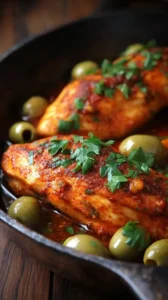

Why You’ll Love This Balsamic Chicken
- Restaurant flavor, minimal effort: The balsamic reduction creates a complex, glossy sauce with little fuss.
- One-pan wonder: Everything cooks in a single skillet for maximum flavor and easy cleanup.
- Incredibly versatile: Serve over pasta, rice, mash, or salad—it adapts to any meal.
- Liquid gold sauce: The sweet-savory glaze is so good you’ll want to spoon it over everything.
Ingredients & Tools
- 4 boneless, skinless chicken breasts (about 1.5 lbs or 680 g)
- 2 tbsp olive oil, divided
- 1 tsp kosher salt
- 1/2 tsp freshly ground black pepper
- 1 tsp dried Italian seasoning
- 3 cloves garlic, minced
- 1/2 cup (120 ml) balsamic vinegar
- 2 tbsp honey or maple syrup
- 1 cup (240 ml) chicken broth
- 1 tbsp unsalted butter
- Fresh parsley or basil for garnish (optional)
Tools: A large skillet (preferably stainless steel or cast iron), tongs, and a whisk.
Notes: Don’t skimp on the balsamic vinegar—a decent, moderately-priced one makes a world of difference. The honey balances the vinegar’s tang, and the butter creates a silky, rich sauce.
Nutrition (per serving)
| Calories: | 320 kcal |
| Protein: | 35 g |
| Fat: | 12 g |
| Carbs: | 15 g |
| Fiber: | 0 g |
Serves: 4 | Prep Time: 10 minutes | Cook Time: 20 minutes | Total Time: 30 minutes
Before You Start: Tips & Ingredient Notes
- Pound your chicken breasts. If your chicken breasts are particularly thick or uneven, place them between two pieces of plastic wrap and gently pound them to an even ½-inch thickness. This ensures they cook quickly and evenly, preventing the dreaded dry-out.
- Choose your balsamic wisely. You don’t need a 50-year-aged bottle, but avoid the very cheapest options labeled “balsamic glaze” which can be overly sweet and thick. A good, mid-range balsamic vinegar will reduce beautifully and offer a nice complexity.
- Have all your ingredients measured and ready. This recipe moves quickly once you start making the sauce. Having your vinegar, broth, and honey pre-measured means you can focus on not burning the garlic and achieving the perfect glaze consistency.
- Don’t crowd the pan. When searing the chicken, give each piece plenty of room. If you overcrowd the skillet, the chicken will steam instead of developing that gorgeous, flavorful golden-brown crust we’re after.
How to Make Balsamic Chicken
Step 1: Prepare and Season the Chicken. Pat the chicken breasts completely dry with paper towels—this is crucial for a good sear. Season both sides generously with the salt, pepper, and dried Italian seasoning, rubbing the spices in to make sure they adhere.
Step 2: Sear the Chicken to Perfection. Heat 1 tablespoon of the olive oil in your large skillet over medium-high heat. Once the oil is shimmering, carefully add the chicken breasts. You should hear a satisfying sizzle. Cook for 5-7 minutes without moving them, until a beautiful golden-brown crust forms on the bottom. Flip them over and cook for another 5-7 minutes on the other side, until cooked through. The internal temperature should reach 165°F (74°C). Remove the chicken from the skillet and set it aside on a plate to rest.
Step 3: Build the Flavor Base. Reduce the heat to medium and add the remaining tablespoon of olive oil to the same skillet. Add the minced garlic and sauté for just 30-60 seconds until it becomes incredibly fragrant. You have to watch it closely—burnt garlic will make the entire sauce bitter. The moment you smell that nutty, toasty aroma, it’s time to move on.
Step 4: Create the Glorious Glaze. Pour the balsamic vinegar into the skillet. It will bubble and steam dramatically—that’s normal! Let it simmer for about a minute, using your whisk to scrape up all the browned bits from the bottom of the pan. Those bits are pure flavor. Now, whisk in the honey and the chicken broth. Bring the mixture to a steady simmer and let it cook, stirring occasionally, for 5-8 minutes. You’ll notice it start to thicken and reduce by about half. It’s ready when it coats the back of a spoon.
Step 5: Finish the Sauce and Serve. Turn off the heat. Whisk in the tablespoon of butter until it’s fully melted and incorporated. This final step gives the sauce a lovely sheen and a velvety texture. Return the rested chicken and any accumulated juices back to the skillet, turning to coat each piece thoroughly in the glaze. Let it warm through for a minute. Garnish with fresh herbs if you’re using them, and serve immediately, spooning extra sauce over the top.
Storage & Freshness Guide
- Fridge: Store chicken and sauce in an airtight container for up to 3 days.
- Freezer: Freeze in a sealed container for up to 2 months. Thaw in fridge before reheating.
- Reviving: Reheat gently in a covered skillet with a splash of broth or water to loosen the sauce.
Serving Suggestions
Complementary Dishes
- Creamy Parmesan Polenta — The soft, creamy texture of the polenta is a dream with the tangy balsamic glaze, creating a perfect bite every time.
- Garlic Mashed Potatoes — A classic for a reason. The rich, buttery potatoes act as the ideal canvas for sopping up every last drop of that incredible sauce.
- Simple Arugula Salad — The peppery bite of arugula with a light lemon vinaigrette provides a fresh, crisp contrast that cuts through the richness of the dish beautifully.
Drinks
- A Light-Bodied Red Wine — A Pinot Noir or a Chianti has enough acidity to complement the balsamic without overpowering the delicate chicken.
- Sparkling Water with Citrus — The bubbles and a squeeze of lemon or orange help cleanse the palate between bites, making each mouthful taste fresh and new.
Something Sweet
- Lemon Sorbet — Its bright, clean, and refreshing flavor is the perfect palate-cleansing finish after the savory depth of the balsamic glaze.
- Dark Chocolate Espresso Beans — Just a few of these offer a bitter, crunchy counterpoint that somehow highlights the sweet notes in the chicken.
Top Mistakes to Avoid
- Mistake: Not patting the chicken dry. Any surface moisture will create steam and prevent that beautiful, caramelized sear from forming. A dry surface is a brown surface.
- Mistake: Burning the garlic. Garlic goes from golden and fragrant to black and bitter in seconds. Keep the heat at medium and don’t walk away from the pan during this short but critical step.
- Mistake: Adding the butter while the heat is still on. If you whisk the butter in over direct heat, it can cause the sauce to “break,” meaning the fats and liquids separate. Always take the pan off the heat first for a smooth, emulsified sauce.
- Mistake: Cutting into the chicken immediately. Letting the chicken rest for a few minutes after cooking allows the juices to redistribute throughout the meat. If you cut it right away, all those flavorful juices will just run out onto the plate.
Expert Tips
- Tip: Use a mix of balsamic and a splash of soy sauce. For an even deeper umami flavor, replace one tablespoon of the chicken broth with soy sauce. It adds a salty, savory backbone that makes the sauce even more addictive.
- Tip: Add fresh herbs at the very end. If you’re using delicate fresh herbs like basil or parsley, stir them in right before serving. This preserves their bright color and fresh flavor, which can be dulled by the heat of cooking.
- Tip: For a thicker sauce, be patient. If your sauce isn’t thickening to your liking, just let it simmer a few minutes longer. Avoid the temptation to add a cornstarch slurry unless absolutely necessary; a slow reduction creates the best texture and flavor concentration.
- Tip: Try it with chicken thighs. If you prefer dark meat, boneless, skinless chicken thighs work wonderfully here. They’re naturally more forgiving and juicy, and their richer flavor stands up beautifully to the bold balsamic glaze.
FAQs
Can I make this Balsamic Chicken ahead of time?
Absolutely, and it reheats surprisingly well. Let the cooked chicken and sauce cool completely before storing them together in an airtight container in the fridge for up to 3 days. Reheat gently in a covered skillet over low heat, adding a tiny splash of chicken broth or water to loosen the sauce back up. The flavor often tastes even better the next day as it has more time to meld.
My sauce is too thin. How can I thicken it?
The most common reason is it just needs more reduction time. Let it simmer for a few more minutes until it reaches a syrupy consistency. If you’re really in a rush, you can make a quick slurry by mixing 1 teaspoon of cornstarch with 1 tablespoon of cold water, then whisking it into the simmering sauce. It will thicken almost instantly, but I prefer the flavor from a natural reduction.
Is there a substitute for honey?
Of course! Maple syrup is a fantastic one-to-one substitute and adds a lovely, warm flavor. Brown sugar or even a little bit of brown sugar substitute will also work. The goal is just to balance the acidity of the vinegar with a touch of sweetness, so use what you have on hand.
Can I use a different type of vinegar?
While you can, the unique, complex flavor of this dish really comes from the balsamic. Red wine vinegar will give you a tangy sauce but it will lack the inherent sweetness and depth. If you must substitute, use red wine vinegar and add an extra half-tablespoon of your sweetener to compensate.
How do I know when the chicken is perfectly cooked?
The best and most reliable method is to use an instant-read meat thermometer. Insert it into the thickest part of the chicken breast, and it should read 165°F (74°C). If you don’t have a thermometer, you can make a small cut in the thickest part—the juices should run clear, with no trace of pink.

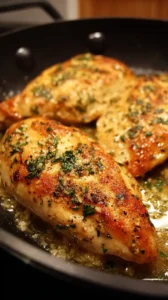

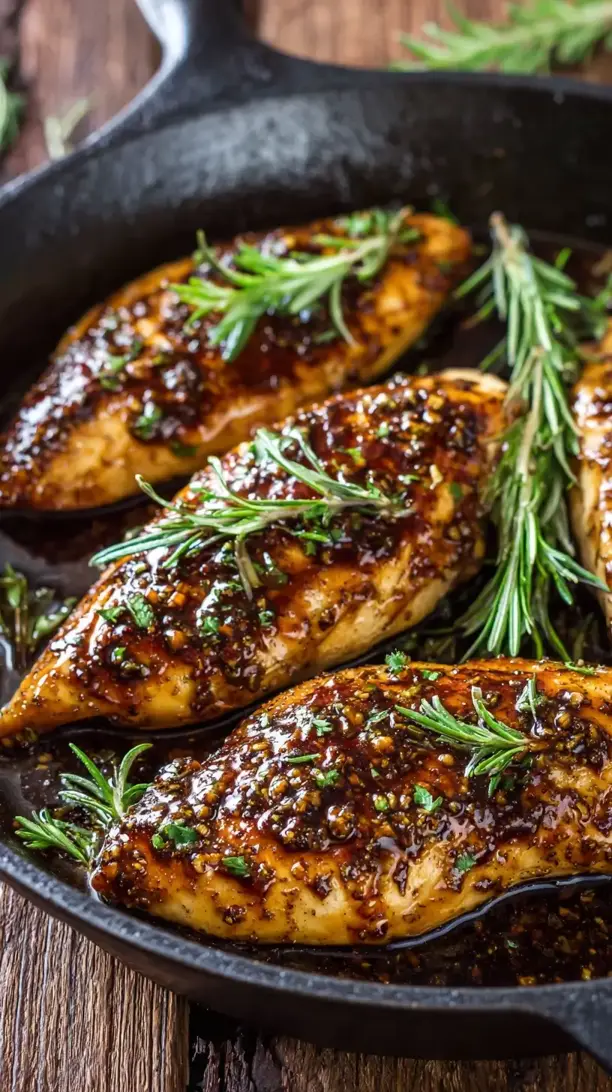
Balsamic Chicken
Make this easy one-pan Balsamic Chicken with a sweet & savory glaze in just 30 minutes. Perfect for busy weeknights! Get the recipe now.
Ingredients
For the Ingredients
-
4 boneless, skinless chicken breasts (about 1.5 lbs or 680 g)
-
2 tbsp olive oil (divided)
-
1 tsp kosher salt
-
1/2 tsp freshly ground black pepper
-
1 tsp dried Italian seasoning
-
3 cloves garlic (minced)
-
1/2 cup balsamic vinegar (120 ml)
-
2 tbsp honey or maple syrup
-
1 cup chicken broth (240 ml)
-
1 tbsp unsalted butter
-
Fresh parsley or basil (for garnish (optional))
Instructions
-
Pat the chicken breasts completely dry with paper towels—this is crucial for a good sear. Season both sides generously with the salt, pepper, and dried Italian seasoning, rubbing the spices in to make sure they adhere.01
-
Heat 1 tablespoon of the olive oil in your large skillet over medium-high heat. Once the oil is shimmering, carefully add the chicken breasts. You should hear a satisfying sizzle. Cook for 5-7 minutes without moving them, until a beautiful golden-brown crust forms on the bottom. Flip them over and cook for another 5-7 minutes on the other side, until cooked through. The internal temperature should reach 165°F (74°C). Remove the chicken from the skillet and set it aside on a plate to rest.02
-
Reduce the heat to medium and add the remaining tablespoon of olive oil to the same skillet. Add the minced garlic and sauté for just 30-60 seconds until it becomes incredibly fragrant. You have to watch it closely—burnt garlic will make the entire sauce bitter. The moment you smell that nutty, toasty aroma, it’s time to move on.03
-
Pour the balsamic vinegar into the skillet. It will bubble and steam dramatically—that’s normal! Let it simmer for about a minute, using your whisk to scrape up all the browned bits from the bottom of the pan. Those bits are pure flavor. Now, whisk in the honey and the chicken broth. Bring the mixture to a steady simmer and let it cook, stirring occasionally, for 5-8 minutes. You’ll notice it start to thicken and reduce by about half. It’s ready when it coats the back of a spoon.04
-
Turn off the heat. Whisk in the tablespoon of butter until it’s fully melted and incorporated. This final step gives the sauce a lovely sheen and a velvety texture. Return the rested chicken and any accumulated juices back to the skillet, turning to coat each piece thoroughly in the glaze. Let it warm through for a minute. Garnish with fresh herbs if you’re using them, and serve immediately, spooning extra sauce over the top.05
Not what you're looking for?