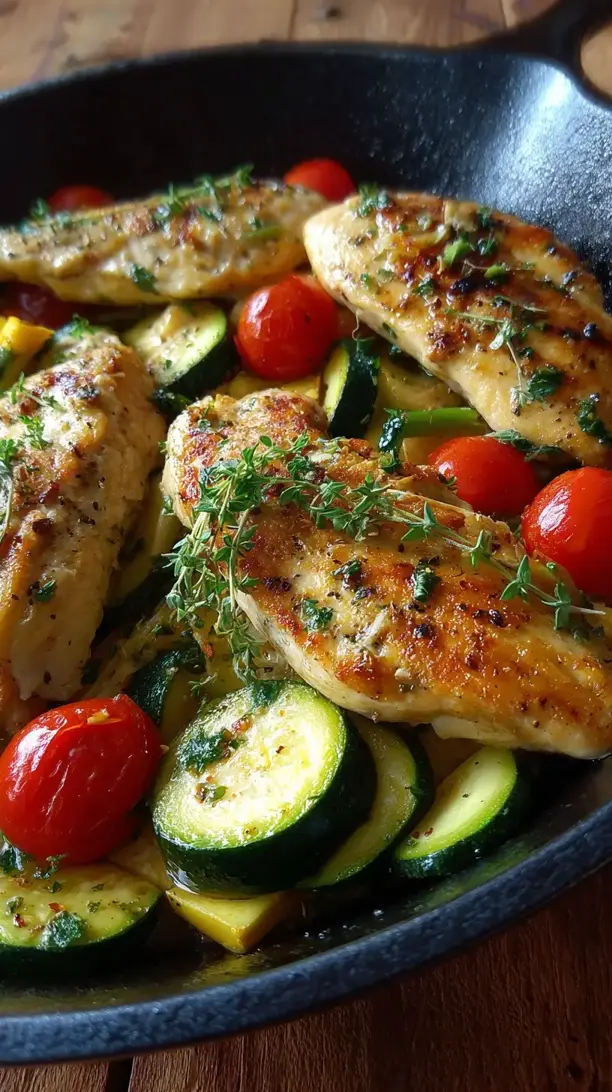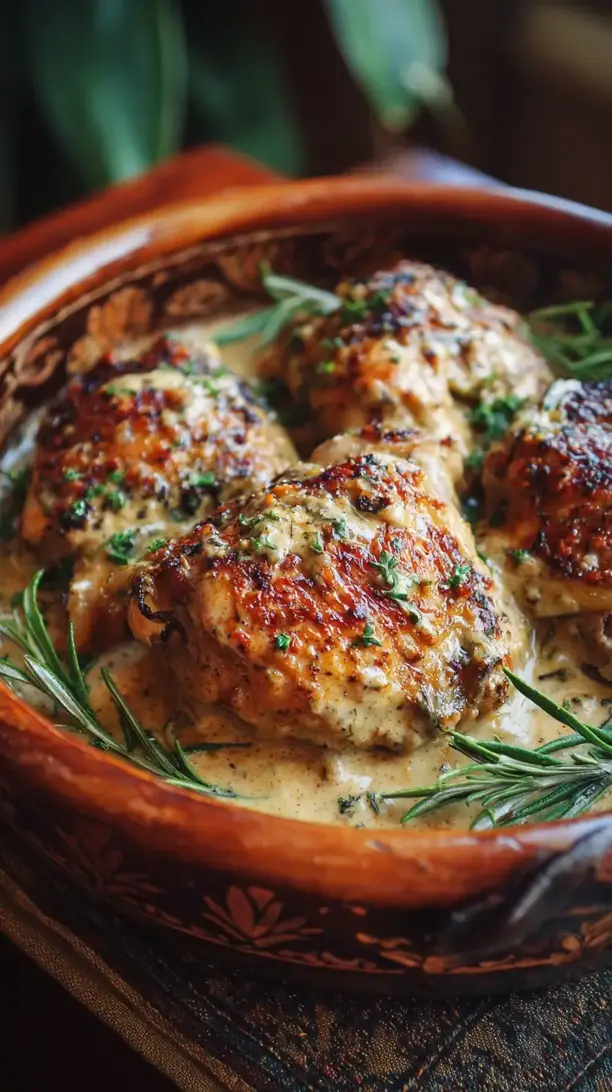
This Balsamic Chicken Breast recipe delivers juicy, tender chicken coated in a rich, savory-sweet glaze. It’s quick enough for a weeknight but impressive for guests. The magic happens when balsamic vinegar transforms into a glossy, caramelized sauce that clings perfectly to the chicken.
Nothing beats a great Balsamic Chicken Breast. Whether you're a fan of Chicken Breast Recipes or want to try something from our Desserts selection, keep scrolling!


Why You’ll Love This Balsamic Chicken Breast
Maximal flavor, minimal ingredients: A handful of pantry staples create a restaurant-quality sauce.
Unbelievably juicy chicken: Searing and finishing in the sauce locks in moisture.
Versatile main course: Pairs beautifully with mashed potatoes, salad, or roasted veggies.
One-pan wonder: Sear the chicken and make the glaze in the same skillet.
Ingredients & Tools
- 4 boneless, skinless chicken breasts (about 150-180 g each)
- 3 tbsp olive oil, divided
- 1 tsp kosher salt
- 1/2 tsp freshly ground black pepper
- 1 tsp dried Italian seasoning
- 2 garlic cloves, minced
- 120 ml balsamic vinegar
- 2 tbsp honey or maple syrup
- 60 ml chicken broth
- 1 tbsp unsalted butter
- Fresh thyme or rosemary for garnish (optional)
Tools: A large, oven-safe skillet (like cast iron or stainless steel), tongs, and a whisk.
Notes: Don’t skip the butter—it creates a glossy, rich sauce. Good-quality balsamic vinegar makes a noticeable difference.
Nutrition (per serving)
| Calories: | 320 kcal |
| Protein: | 35 g |
| Fat: | 12 g |
| Carbs: | 15 g |
| Fiber: | 0 g |
Serves: 4 | Prep Time: 10 minutes | Cook Time: 20 minutes | Total Time: 30 minutes
Before You Start: Tips & Ingredient Notes
- Pound your chicken breasts to an even thickness. This is the single most important step for even cooking. Place the breasts between two pieces of plastic wrap and gently pound the thicker ends until they’re uniformly about 2 cm thick. This prevents the thin ends from drying out while the thick center cooks through.
- Let the chicken come to room temperature. Taking the chicken out of the fridge 15-20 minutes before cooking helps it sear better and cook more evenly, rather than steaming in the pan.
- Use a good-quality, aged balsamic vinegar if you can. The flavor is richer and less harshly acidic than very cheap, thin balsamic. It makes for a more complex and balanced glaze. If you only have a basic one, the honey will help round it out beautifully.
- Have all your sauce ingredients measured and ready. The process moves quickly once you start making the glaze, so having everything prepped and within arm’s reach—what chefs call *mise en place*—will make the whole experience smooth and stress-free.
How to Make Balsamic Chicken Breast
Step 1: Start by prepping your chicken. Pat the breasts completely dry with paper towels—this is crucial for getting a proper sear and not steaming the chicken. In a small bowl, mix together the salt, black pepper, and dried Italian seasoning. Rub this mixture evenly over all sides of each chicken breast. Let them sit for a few minutes while you preheat your skillet.
Step 2: Place your large, oven-safe skillet over medium-high heat and add 2 tablespoons of the olive oil. You’ll know the pan is hot enough when the oil shimmers and a few drops of water sizzle and evaporate instantly. Carefully place the seasoned chicken breasts in the hot pan. You should hear a confident sizzle. Resist the urge to move them! Let them cook undisturbed for 5-7 minutes, until a beautiful golden-brown crust forms on the bottom.
Step 3: Using tongs, flip the chicken breasts. They should release easily from the pan if a good crust has formed. Cook for another 5-6 minutes on the second side. The chicken won’t be fully cooked through at this point—that’s perfect. You’re just building color and flavor. Transfer the chicken to a clean plate. It will finish cooking later in the sauce.
Step 4: Reduce the heat to medium. Add the remaining 1 tablespoon of olive oil to the same skillet. Add the minced garlic and sauté for just about 30 seconds until it becomes fragrant. Be careful not to burn it, or it will turn bitter. You’ll notice the aroma is just incredible at this stage.
Step 5: Now, pour in the balsamic vinegar and honey. It will bubble and steam vigorously—that’s the vinegar reducing. Use a whisk to scrape up all the browned, flavorful bits from the bottom of the pan. Let the mixture simmer for 2-3 minutes, stirring occasionally, until it thickens slightly and reduces by about a third.
Step 6: Pour in the chicken broth and whisk to combine. Bring the sauce back to a gentle simmer. Now, return the chicken breasts and any accumulated juices from the plate back into the skillet, nestling them into the sauce. Spoon some of the sauce over the top of each piece.
Step 7: Let the chicken simmer in the sauce for another 5-8 minutes, flipping once halfway through, until the internal temperature reaches 74°C when checked with an instant-read thermometer. The sauce will continue to thicken and coat the back of a spoon. The chicken should feel firm to the touch but still have a little give.
Step 8: Turn off the heat. Move the chicken to a serving platter. Add the tablespoon of cold butter to the skillet and whisk it continuously until it melts completely into the sauce. This final step, called *monter au beurre*, gives the sauce a beautiful sheen and a velvety, rich finish. Pour the glorious glaze over the plated chicken, garnish with fresh herbs if you like, and serve immediately.
Storage & Freshness Guide
- Fridge: Store chicken and sauce in an airtight container for up to 3 days.
- Freezer: Freeze in a sealed container for up to 2 months. Thaw in fridge before reheating.
- Reviving: Reheat gently in a covered skillet with a splash of broth to loosen sauce.
Serving Suggestions
Complementary Dishes
- Creamy Parmesan Polenta — The soft, cheesy polenta is a dreamy base that soaks up the balsamic glaze beautifully, creating the perfect bite every time.
- Garlic Mashed Potatoes — For ultimate comfort, the rich, savory potatoes are a classic and foolproof pairing that everyone at the table will love.
- Simple Arugula Salad — The peppery freshness of arugula with a light lemon vinaigrette provides a bright, crisp contrast to the rich chicken.
- Roasted Asparagus — Toss asparagus in olive oil, salt, and pepper and roast until tender; its earthy flavor complements the sweet and tangy sauce perfectly.
Drinks
- A light-bodied Pinot Noir — The red fruit notes and mild tannins in the wine won’t overpower the dish and will harmonize wonderfully with the balsamic’s acidity.
- Sparkling Water with Lemon — The bubbles and citrus are a fantastic non-alcoholic option that cleanses the palate between each flavorful mouthful.
- An Amber Ale — The caramel and toasty malt flavors in the beer mirror the sweetness in the glaze, making for a surprisingly great match.
Something Sweet
- Lemon Sorbet — Its sharp, clean, and refreshing citrus flavor is the ideal palate-cleanser after the rich and savory main course.
- Dark Chocolate Truffles — A few bites of intense, bittersweet chocolate provide a sophisticated and decadent end to the meal without being too heavy.
- Panna Cotta with a Berry Compote — The smooth, cool vanilla panna cotta and the tart berries echo the sweet-and-tangy theme of the dinner in dessert form.
Top Mistakes to Avoid
- Mistake: Not drying the chicken before seasoning. Any surface moisture will create steam in the pan, which prevents that gorgeous, caramelized sear from forming. You’ll end up with pale, boiled-looking chicken instead.
- Mistake: Crowding the pan. If you put too many chicken breasts in the skillet at once, the temperature drops dramatically, and the chicken will steam and stew in its own juices. Cook in two batches if your pan is small to ensure a proper sear.
- Mistake: Burning the garlic. Garlic burns in a flash and turns bitter, which can ruin the entire sauce. Add it to the pan off the direct heat for a moment if needed, and sauté just until fragrant—we’re talking seconds here.
- Mistake: Skipping the butter at the end. I’ve messed this up before too, thinking I could save a few calories. But that cold butter whisked in at the end is what emulsifies the sauce, giving it a luxurious texture and a glossy finish that makes all the difference.
Expert Tips
- Tip: Use an instant-read thermometer. This is the only way to guarantee perfectly cooked, juicy chicken every single time. Pull the chicken from the pan when it hits 74°C, as it will continue to cook a little more from residual heat (carryover cooking).
- Tip: Let the chicken rest before slicing. After you’ve plated the chicken and sauced it, give it a 5-minute rest. This allows the juices to redistribute throughout the meat, so they don’t all run out onto the plate when you cut into it.
- Tip: Deglaze with a little extra broth if needed. If your sauce reduces too much and becomes too thick or sticky before the chicken is done, just add another splash of chicken broth to loosen it up to the perfect consistency.
- Tip: Add a splash of cream for a richer sauce. For a truly decadent twist, stir in 2-3 tablespoons of heavy cream along with the butter at the very end. It creates a creamy balsamic sauce that is absolutely divine.
FAQs
Can I use chicken thighs instead of breasts?
Absolutely! Bone-in, skin-on thighs would be fantastic. You’ll follow the same searing process, but they may need a few extra minutes of cooking time in the sauce to become fully tender. The richer dark meat pairs wonderfully with the bold balsamic flavor. Just be sure to check for an internal temperature of 82°C to ensure they are cooked through and the connective tissue has broken down.
My sauce is too thin. How can I thicken it?
If your glaze hasn’t reached the desired syrupy consistency, simply remove the cooked chicken and let the sauce simmer over medium heat for a few more minutes. It will continue to reduce and thicken. You can also create a quick slurry by mixing a teaspoon of cornstarch with a tablespoon of cold water and whisking it into the simmering sauce until it thickens.
How should I store and reheat leftovers?
Store any leftover chicken and sauce in an airtight container in the refrigerator for up to 3 days. To reheat, gently warm it in a covered skillet over low heat with a tiny splash of water or broth to loosen the sauce. Avoid the microwave if you can, as it can make the chicken rubbery and overhear the sauce unevenly.
Can I make this recipe gluten-free?
Yes, this recipe is naturally gluten-free! Just double-check the labels on your chicken broth and balsamic vinegar to ensure no gluten-containing additives have been used. Most major brands are safe, but it’s always good to verify if you have a sensitivity.
Why did my balsamic glaze turn out bitter?
This usually happens if the vinegar was cooked over too high a heat, causing it to reduce too quickly and potentially burn a little. The sugars can caramelize and then tip over into bitterness. Next time, keep the heat at a steady medium when reducing the vinegar and honey, and don’t walk away from the pan during this short but critical step.


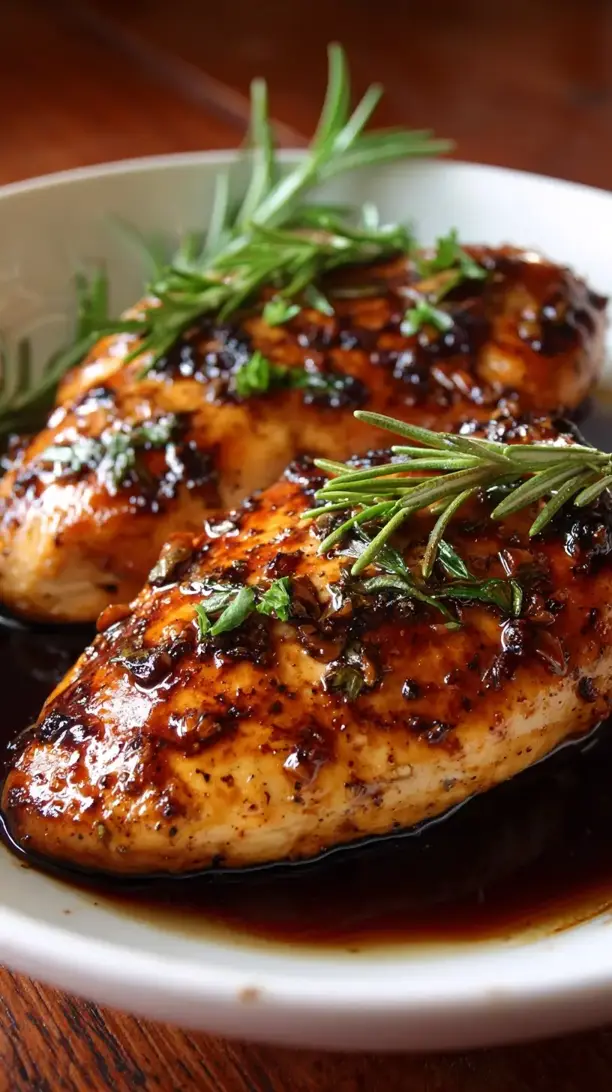
Balsamic Chicken Breast
Make juicy Balsamic Chicken Breast with a rich, caramelized glaze in just 30 minutes. Perfect for a quick, impressive dinner. Get the easy recipe now!
Ingredients
For the Ingredients
-
4 boneless, skinless chicken breasts (about 150-180 g each)
-
3 tbsp olive oil (divided)
-
1 tsp kosher salt
-
1/2 tsp freshly ground black pepper
-
1 tsp dried Italian seasoning
-
2 garlic cloves (minced)
-
120 ml balsamic vinegar
-
2 tbsp honey or maple syrup
-
60 ml chicken broth
-
1 tbsp unsalted butter
-
Fresh thyme or rosemary (for garnish (optional))
Instructions
-
Start by prepping your chicken. Pat the breasts completely dry with paper towels—this is crucial for getting a proper sear and not steaming the chicken. In a small bowl, mix together the salt, black pepper, and dried Italian seasoning. Rub this mixture evenly over all sides of each chicken breast. Let them sit for a few minutes while you preheat your skillet.01
-
Place your large, oven-safe skillet over medium-high heat and add 2 tablespoons of the olive oil. You’ll know the pan is hot enough when the oil shimmers and a few drops of water sizzle and evaporate instantly. Carefully place the seasoned chicken breasts in the hot pan. You should hear a confident sizzle. Resist the urge to move them! Let them cook undisturbed for 5-7 minutes, until a beautiful golden-brown crust forms on the bottom.02
-
Using tongs, flip the chicken breasts. They should release easily from the pan if a good crust has formed. Cook for another 5-6 minutes on the second side. The chicken won’t be fully cooked through at this point—that’s perfect. You’re just building color and flavor. Transfer the chicken to a clean plate. It will finish cooking later in the sauce.03
-
Reduce the heat to medium. Add the remaining 1 tablespoon of olive oil to the same skillet. Add the minced garlic and sauté for just about 30 seconds until it becomes fragrant. Be careful not to burn it, or it will turn bitter. You’ll notice the aroma is just incredible at this stage.04
-
Now, pour in the balsamic vinegar and honey. It will bubble and steam vigorously—that’s the vinegar reducing. Use a whisk to scrape up all the browned, flavorful bits from the bottom of the pan. Let the mixture simmer for 2-3 minutes, stirring occasionally, until it thickens slightly and reduces by about a third.05
-
Pour in the chicken broth and whisk to combine. Bring the sauce back to a gentle simmer. Now, return the chicken breasts and any accumulated juices from the plate back into the skillet, nestling them into the sauce. Spoon some of the sauce over the top of each piece.06
-
Let the chicken simmer in the sauce for another 5-8 minutes, flipping once halfway through, until the internal temperature reaches 74°C when checked with an instant-read thermometer. The sauce will continue to thicken and coat the back of a spoon. The chicken should feel firm to the touch but still have a little give.07
-
Turn off the heat. Move the chicken to a serving platter. Add the tablespoon of cold butter to the skillet and whisk it continuously until it melts completely into the sauce. This final step, called *monter au beurre*, gives the sauce a beautiful sheen and a velvety, rich finish. Pour the glorious glaze over the plated chicken, garnish with fresh herbs if you like, and serve immediately.08
Not what you're looking for?