This Balsamic Glazed Brussels Sprouts Chicken is a one-pan wonder that feels fancy but is simple to make. The chicken gets crispy, the sprouts caramelize, and a sweet-tangy balsamic glaze ties it all together. It’s a complete, aromatic meal perfect for any weeknight.
Craving a delicious Balsamic Glazed Brussels Sprouts Chicken? You've come to the right spot! From Dinner Ideas favorites to amazing Christmas Cookie recipes, there's something here for everyone.


Why You’ll Love This Balsamic Glazed Brussels Sprouts Chicken
- One-pan wonder: Everything cooks together for maximum flavor and minimal cleanup.
- Complex yet simple: Sweet-tangy glaze complements savory chicken and nutty sprouts effortlessly.
- Incredibly versatile: Easily swap veggies or use chicken breasts to make it your own.
- Perfect texture contrast: Crispy chicken, tender-crisp sprouts, and sticky glaze in every bite.
Ingredients & Tools
- 4 bone-in, skin-on chicken thighs
- 450 g Brussels sprouts, trimmed and halved
- 1 medium red onion, cut into wedges
- 3 cloves garlic, minced
- 80 ml balsamic vinegar
- 2 tbsp olive oil
- 1 tbsp pure maple syrup or sugar-free syrup
- 1 tsp dried thyme
- ½ tsp smoked paprika
- To taste salt and freshly ground black pepper
Tools: A large, oven-safe skillet (cast iron is perfect here), tongs, a small bowl for mixing the glaze.
Notes: Use a decent-quality balsamic vinegar for the best glaze flavor, and keep the skin on the chicken for crispiness.
Nutrition (per serving)
| Calories: | 485 kcal |
| Protein: | 35 g |
| Fat: | 28 g |
| Carbs: | 18 g |
| Fiber: | 5 g |
Serves: 4 | Prep Time: 15 minutes | Cook Time: 35 minutes | Total Time: 50 minutes
Before You Start: Tips & Ingredient Notes
- Pat your chicken completely dry. This is the single most important step for getting that skin crispy. Any moisture on the surface will steam the skin instead of browning it. Use paper towels and really get in there.
- Don’t skip the pre-sear. Starting the chicken in a hot skillet on the stovetop renders the fat and creates a gorgeous golden-brown crust that the oven simply can’t achieve on its own. This step builds a foundation of flavor.
- Halve your Brussels sprouts uniformly. If they’re all roughly the same size, they’ll cook evenly. Too big and they’ll be hard; too small and they’ll burn. The goal is tender on the inside with those lovely caramelized edges.
- Taste your balsamic. Before you make the glaze, give your vinegar a quick taste. If it’s particularly sharp or acidic, you might want to add just a touch more of your sweetener to balance it out perfectly.
How to Make Balsamic Glazed Brussels Sprouts Chicken
Step 1: Preheat your oven to 200°C (400°F). While it’s heating up, pat the chicken thighs thoroughly dry with paper towels. This is your crispy-skin secret weapon. Season both sides generously with salt, pepper, dried thyme, and smoked paprika. Let them sit for a few minutes to come to room temperature—this helps them cook more evenly.
Step 2: Place your oven-safe skillet over medium-high heat and add the olive oil. Once the oil is shimmering, carefully place the chicken thighs in the pan, skin-side down. You should hear a satisfying sizzle. Resist the urge to move them! Let them cook for 6-8 minutes, until the skin is a deep golden brown and crispy. Use tongs to flip them over and cook for another 2 minutes on the flesh side. Transfer the chicken to a clean plate for now; it will not be fully cooked through, and that’s perfectly fine.
Step 3: In that same skillet, with all the beautiful chicken drippings, you’ll add the Brussels sprouts and red onion wedges. Season them with a pinch of salt and pepper. Sauté them for about 4-5 minutes, just until the sprouts start to pick up some color and the onion begins to soften. You’ll notice the sprouts absorbing all that savory flavor from the pan. Add the minced garlic and cook for one more minute, until fragrant.
Step 4: Now, nestle the partially cooked chicken thighs back into the skillet, skin-side up, right on top of the bed of Brussels sprouts and onions. This allows the veggies to roast in the chicken juices while everything finishes cooking together in the oven. It’s the key to that one-pan harmony.
Step 5: While the skillet goes into the oven, quickly whisk together the balsamic vinegar and maple syrup in a small bowl. This is your simple, two-ingredient glaze. After the skillet has been in the oven for about 15 minutes, carefully pull it out (remember the handle is hot!). Drizzle about half of the balsamic mixture over the chicken and vegetables.
Step 6: Return the skillet to the oven and continue roasting for another 10-15 minutes. You’re looking for the chicken to be cooked through (an internal temperature of 75°C or 165°F) and the Brussels sprouts to be tender with crispy, browned edges. The glaze will have started to thicken and caramelize on everything.
Step 7: Once everything is perfectly cooked, remove the skillet from the oven. Drizzle the remaining fresh balsamic glaze over the top. This double-glazing technique is the trick—you get the cooked-down, caramelized glaze flavor and the bright, tangy punch of the fresh glaze. Let it rest for 5 minutes before serving; this allows the juices in the chicken to redistribute, making it incredibly tender.
Storage & Freshness Guide
- Fridge: Store leftovers in an airtight container for up to 3 days.
- Freezer: Freeze in a sealed container for up to 2 months; note sprouts may soften upon thawing.
- Reviving: Reheat in a skillet over medium heat to help crisp the chicken skin, or use an air fryer for best texture.
Serving Suggestions
Complementary Dishes
- Cauliflower Mash — Its creamy, neutral flavor is the perfect canvas to soak up the extra balsamic glaze from the chicken and sprouts. It adds a comforting, mashed potato-like element without the carbs.
- A Simple Arugula Salad — The peppery bite of fresh arugula with a light lemon vinaigrette provides a bright, crisp contrast to the rich, savory main dish. It cleanses the palate beautifully between bites.
- Roasted Asparagus — If you want to double down on the roasted veg, asparagus spears tossed in olive oil and salt roast up beautifully alongside the main event and add a different, elegant green to the plate.
Drinks
- A Dry Rosé — The crisp, berry notes and acidity in a dry rosé cut through the richness of the dish and complement the sweet-and-tangy balsamic glaze wonderfully.
- Sparkling Water with Lemon — For a non-alcoholic option, the bubbles and citrus are incredibly refreshing and help balance the savory, umami-rich flavors of the meal.
- A Light Pinot Noir — A red wine with low tannins and notes of cherry won’t overpower the chicken and will actually harmonize with the caramelized notes from the roasting process.
Something Sweet
- Dark Chocolate & Almond Clusters — A few pieces of high-cocoa dark chocolate with almonds offer a bitter-sweet finish that doesn’t feel too heavy after the main course.
- Berry Chia Pudding — A few spoonfuls of a make-ahead chia pudding with raspberries or strawberries provide a cool, creamy, and slightly sweet end to the meal.
- Cheese Plate — A small selection of a sharp aged cheddar, some walnuts, and a few slices of pear extends the savory theme into a sophisticated, low-effort dessert.
Top Mistakes to Avoid
- Overcrowding the pan when searing the chicken. If the thighs are too close together, they’ll steam instead of sear. Give them plenty of space to ensure that gorgeous, crispy skin all over. If your skillet is small, sear them in two batches.
- Using bottled “balsamic glaze” instead of reducing your own. The pre-made stuff often contains thickeners and a lot of added sugar. Reducing pure balsamic vinegar with a touch of sweetener gives you a far superior, cleaner, and more vibrant flavor. I’ve made this swap before and the difference is night and day.
- Not letting the chicken rest. I know it’s tempting to dig right in, but those five minutes of rest are crucial. If you cut into the chicken immediately, all those precious juices will run out onto the plate, leaving you with drier meat.
- Underseasoning the vegetables. The Brussels sprouts and onions need their own dose of salt and pepper before they go into the oven. Don’t rely solely on the seasoning from the chicken or the glaze to flavor them.
Expert Tips
- Tip: Add a splash of broth for a saucier finish. If you prefer more “sauce” to spoon over your meal, when you add the first half of the glaze, also pour in about 60 ml of chicken broth. It will mingle with the pan drippings and glaze, creating a delicious, light pan sauce.
- Tip: Get creative with the veggies. This method works beautifully with cubed butternut squash, cauliflower florets, or even thick-cut carrots. Just adjust the initial sauté time based on how dense your vegetable is.
- Tip: Use the residual pan heat. After you’ve taken the skillet out of the oven for the final time, you can add a final knob of cold butter to the pan. Swirl it around—the residual heat will melt it into the existing glaze, making it extra rich and glossy.
- Tip: Crisp up the skin under the broiler. If your chicken skin isn’t as crackly as you’d like after cooking, simply turn on the broiler for the last 1-2 minutes of cooking time. Watch it like a hawk—it can go from perfect to burnt in seconds!
FAQs
Can I use chicken breasts instead of thighs?
You absolutely can, but you’ll need to adjust the cooking method. Chicken breasts are leaner and can dry out. I’d recommend using skin-on, bone-in breasts and reducing the initial searing time by a minute or two per side. Keep a very close eye on the internal temperature in the oven, pulling them out as soon as they hit 74°C (165°F) to prevent them from overcooking. The result will be different—less juicy and rich than thighs—but still delicious.
My glaze is too tart/vinegary. What did I do wrong?
This usually happens if the balsamic vinegar reduces too much or too quickly, concentrating its acidity. The sweetener is there to balance it, so don’t be shy about adding another half tablespoon of maple syrup to your glaze mixture and drizzling it on at the end. Next time, you can also try adding the glaze a little later in the cooking process so it has less time to over-reduce and become too sharp.
Can I make this dish ahead of time?
You can do some prep to make assembly faster! You can trim and halve the Brussels sprouts and make the balsamic glaze mixture a day in advance, storing them separately in the fridge. I don’t recommend fully cooking and reheating it, as the chicken skin will lose its crispiness and the Brussels sprouts can become mushy. It’s truly best enjoyed fresh from the oven.
Why are my Brussels sprouts soggy?
Sogginess is almost always a result of overcrowding. If the sprouts are piled on top of each other in the skillet, they’ll steam instead of roast. Make sure they’re in a single, relatively even layer around the chicken. Also, ensure your oven is fully preheated—a hot oven is essential for that quick, high-heat roast that gives you tender-crisp sprouts with caramelized edges.
Is there a sugar-free substitute for the maple syrup?
Yes, definitely! A sugar-free maple syrup works perfectly as a one-to-one substitute. You could also use a powdered erythritol or monk fruit blend—just whisk it thoroughly into the balsamic vinegar until it’s fully dissolved. The goal is to add a touch of sweetness to counter the vinegar’s acidity, and any low-carb sweetener you prefer will do the trick.

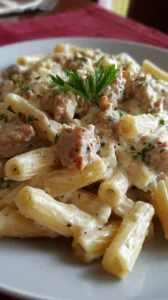


Balsamic Glazed Brussels Sprouts Chicken
Make this easy Balsamic Glazed Brussels Sprouts Chicken for a flavorful one-pan dinner. Crispy chicken & caramelized sprouts in a sweet-tangy glaze. Get the recipe!
Ingredients
For the main ingredients:
-
4 bone-in, skin-on chicken thighs
-
450 g Brussels sprouts (trimmed and halved)
-
1 medium red onion (cut into wedges)
-
3 cloves garlic (minced)
-
80 ml balsamic vinegar
-
2 tbsp olive oil
-
1 tbsp pure maple syrup or sugar-free syrup
-
1 tsp dried thyme
-
½ tsp smoked paprika
-
salt and freshly ground black pepper (to taste)
Instructions
-
Preheat your oven to 200°C (400°F). While it’s heating up, pat the chicken thighs thoroughly dry with paper towels. Season both sides generously with salt, pepper, dried thyme, and smoked paprika. Let them sit for a few minutes to come to room temperature—this helps them cook more evenly.01
-
Place your oven-safe skillet over medium-high heat and add the olive oil. Once the oil is shimmering, carefully place the chicken thighs in the pan, skin-side down. Let them cook for 6-8 minutes, until the skin is a deep golden brown and crispy. Use tongs to flip them over and cook for another 2 minutes on the flesh side. Transfer the chicken to a clean plate for now; it will not be fully cooked through, and that’s perfectly fine.02
-
In that same skillet, with all the beautiful chicken drippings, you’ll add the Brussels sprouts and red onion wedges. Season them with a pinch of salt and pepper. Sauté them for about 4-5 minutes, just until the sprouts start to pick up some color and the onion begins to soften. Add the minced garlic and cook for one more minute, until fragrant.03
-
Now, nestle the partially cooked chicken thighs back into the skillet, skin-side up, right on top of the bed of Brussels sprouts and onions.04
-
While the skillet goes into the oven, quickly whisk together the balsamic vinegar and maple syrup in a small bowl. After the skillet has been in the oven for about 15 minutes, carefully pull it out (remember the handle is hot!). Drizzle about half of the balsamic mixture over the chicken and vegetables.05
-
Return the skillet to the oven and continue roasting for another 10-15 minutes. You’re looking for the chicken to be cooked through (an internal temperature of 75°C or 165°F) and the Brussels sprouts to be tender with crispy, browned edges. The glaze will have started to thicken and caramelize on everything.06
-
Once everything is perfectly cooked, remove the skillet from the oven. Drizzle the remaining fresh balsamic glaze over the top. Let it rest for 5 minutes before serving; this allows the juices in the chicken to redistribute, making it incredibly tender.07
Not what you're looking for?