These Balsamic Roasted Vegetables transform humble produce into a caramelized, glossy side dish with deep sweet-and-sour flavor. The high heat coaxes out natural sugars while the balsamic vinegar reduces into a sticky glaze. It’s an incredibly versatile method perfect for any occasion, from weeknights to holiday dinners.
Looking for Balsamic Roasted Vegetables inspiration? You'll love what we have! Explore more Dinner Ideas recipes or discover our Breakfast & Brunch favorites.

Why You’ll Love This Balsamic Roasted Vegetables
- Effortless Elegance: Looks and tastes sophisticated with a wonderfully simple process.
- Symphony of Textures: Tender-crisp insides meet beautifully caramelized, chewy edges.
- Incredibly Versatile: Works with almost any sturdy vegetable and pairs with everything.
- Deep, Complex Flavor: Balsamic reduces into a sticky, sweet, and tangy glaze.
Ingredients & Tools
- 1 large red onion, cut into 1-inch wedges
- 2 medium bell peppers (any color), chopped into 1-inch pieces
- 1 medium zucchini, halved lengthwise and sliced into ½-inch half-moons
- 1 small eggplant, cut into 1-inch cubes
- 1 pint cherry or grape tomatoes
- 3 tablespoons extra virgin olive oil
- 3 tablespoons good quality balsamic vinegar
- 3 cloves garlic, minced
- 1 teaspoon dried oregano or Italian seasoning
- ½ teaspoon crushed red pepper flakes (optional, for heat)
- To taste, kosher salt and freshly ground black pepper
- For finishing, fresh basil or parsley, chopped
Tools: A large, rimmed baking sheet, parchment paper (highly recommended for easy cleanup!), a large mixing bowl, and a set of tongs.
Notes: Don’t stress about having the exact vegetable lineup—this is more about the method. The key is to choose veggies that roast in about the same amount of time. A good, syrupy balsamic vinegar will give you the best glaze, but your standard grocery store bottle will work perfectly fine here, too.
Nutrition (per serving)
| Calories: | 145 kcal |
| Protein: | 3 g |
| Fat: | 7 g |
| Carbs: | 20 g |
| Fiber: | 6 g |
Serves: 4 | Prep Time: 15 minutes | Cook Time: 30 minutes | Total Time: 45 minutes
Before You Start: Tips & Ingredient Notes
- Don’t Crowd the Pan! This is the golden rule of roasting. If you pile the veggies on top of each other, they’ll steam instead of roast. You want a single, even layer with a little space between pieces for that perfect caramelization.
- Uniformity is Your Friend. Try to cut your vegetables into similarly sized pieces. This ensures everything cooks at the same rate, so you don’t end up with some burnt bits and some undercooked chunks.
- Embrace the Sticky Mess. Lining your baking sheet with parchment paper isn’t just for easy cleanup—it also prevents the balsamic glaze from sticking and burning onto the pan, which can be a real nightmare to scrub off later.
- Trust Your Oven’s Hot Spot. Ovens have hot spots! About halfway through cooking, rotate your baking sheet to ensure everything gets an equal chance to brown and caramelize beautifully.
How to Make Balsamic Roasted Vegetables
Step 1: First things first, preheat your oven to 425°F (220°C). This high heat is non-negotiable—it’s what gives you that gorgeous, quick caramelization instead of soggy, steamed veggies. While it’s heating up, line your large, rimmed baking sheet with parchment paper. This little step saves you from a truly frustrating scrubbing session later, I promise.
Step 2: Now, let’s get all our prepped vegetables into a large mixing bowl. You’ll want a bowl that’s big enough to toss everything comfortably without sending zucchini flying across the kitchen. Add the red onion, bell peppers, zucchini, eggplant, and those whole cherry tomatoes. The tomatoes are little flavor bombs—they’ll burst in the oven and create their own juicy sauce.
Step 3: In a small bowl or a liquid measuring cup, whisk together the olive oil, balsamic vinegar, minced garlic, dried oregano, and red pepper flakes if you’re using them. You’ll notice the mixture won’t fully emulsify, and that’s perfectly fine. Just give it a good whisk to combine everything before you pour it over the vegetables.
Step 4: Pour that delicious balsamic mixture over the mountain of vegetables in your big bowl. Now, get your hands in there (or use tongs) and toss, toss, toss! You want to make sure every single surface of every vegetable piece is lightly coated in the oil and vinegar. This is the moment where the flavor magic begins.
Step 5: Season generously with kosher salt and a few good grinds of black pepper. Don’t be shy here—seasoning at this stage is crucial for building layers of flavor from the inside out. Toss everything one more time to distribute the seasoning evenly.
Step 6: Dump the vegetables onto your prepared baking sheet and spread them out into a single, even layer. Make sure nothing is piled on top of anything else. A little space is what gives you those beautifully browned, crispy edges we’re all here for.
Step 7: Slide the tray into your preheated oven and roast for 15 minutes. After that time, pull the tray out (close the oven door!) and use your tongs to flip and stir the vegetables. You’ll see they’re already starting to soften and get some color. This stirring step is key for even cooking.
Step 8: Return the tray to the oven and roast for another 10-15 minutes. Keep an eye on them during this final stretch. You’re looking for the vegetables to be tender when pierced with a fork and gloriously caramelized around the edges. The balsamic glaze should look dark, sticky, and glossy.
Step 9: Once they’re perfectly roasted, take the tray out of the oven. Let the vegetables rest for just a minute or two on the tray—this allows them to firm up slightly. Then, transfer them to a serving platter and shower them with the fresh, chopped basil or parsley. That hit of fresh green herb at the end really brightens up the whole dish.
Storage & Freshness Guide
- Fridge: Cool completely and store in an airtight container for 3–4 days.
- Freezer: Freeze in a single layer on a baking sheet, then transfer to a freezer bag for up to 3 months.
- Reviving: Reheat in a 350°F oven or skillet until warm and edges re-crisp slightly.
Serving Suggestions
Complementary Dishes
- Grilled Chicken or Steak — The rich, savory depth of the vegetables is a perfect counterpoint to simply seasoned proteins. The balsamic glaze almost acts like a built-in sauce.
- Creamy Polenta or Cauliflower Mash — Spoon these tender vegetables over a soft, creamy base for a wonderfully comforting and texturally satisfying meal.
- Flaky White Fish — A delicate fish like cod or halibut won’t compete with the veggies but will soak up all that delicious balsamic-infused juiciness beautifully.
Drinks
- A Light-Bodied Red Wine — A Pinot Noir or a Gamay has enough acidity to mirror the balsamic and enough fruitiness to complement the sweet roasted peppers and onions.
- Sparkling Water with Citrus — For a non-alcoholic option, the bubbles and a squeeze of lemon or lime help cut through the richness and cleanse the palate between bites.
- A Crisp Lager — The clean, effervescent quality of a good l



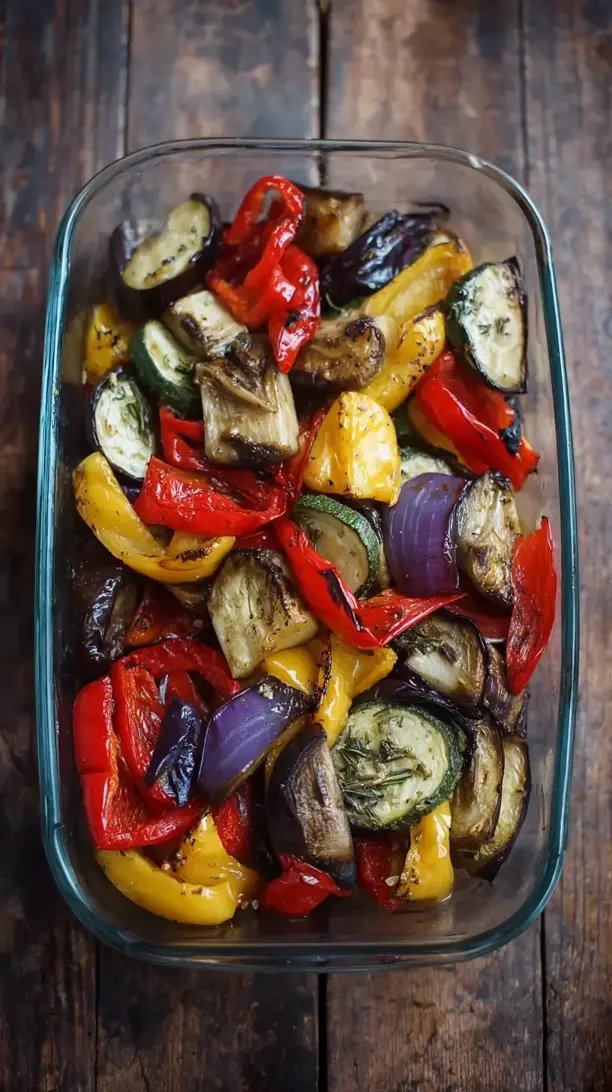
Balsamic Roasted Vegetables
Learn how to make perfect Balsamic Roasted Vegetables with a sticky, sweet-and-sour glaze. This easy, versatile side dish is ready in 45 minutes. Get the recipe now!
Ingredients
For the Vegetables:
-
1 large red onion (cut into 1-inch wedges)
-
2 medium bell peppers (any color, chopped into 1-inch pieces)
-
1 medium zucchini (halved lengthwise and sliced into ½-inch half-moons)
-
1 small eggplant (cut into 1-inch cubes)
-
1 pint cherry or grape tomatoes
For the Balsamic Mixture:
-
3 tablespoons extra virgin olive oil
-
3 tablespoons good quality balsamic vinegar
-
3 cloves garlic (minced)
-
1 teaspoon dried oregano or Italian seasoning
-
½ teaspoon crushed red pepper flakes (optional, for heat)
-
kosher salt and freshly ground black pepper (to taste)
-
fresh basil or parsley (chopped, for finishing)
Instructions
-
First things first, preheat your oven to 425°F (220°C). This high heat is non-negotiable—it’s what gives you that gorgeous, quick caramelization instead of soggy, steamed veggies. While it’s heating up, line your large, rimmed baking sheet with parchment paper. This little step saves you from a truly frustrating scrubbing session later, I promise.01
-
Now, let's get all our prepped vegetables into a large mixing bowl. You’ll want a bowl that’s big enough to toss everything comfortably without sending zucchini flying across the kitchen. Add the red onion, bell peppers, zucchini, eggplant, and those whole cherry tomatoes. The tomatoes are little flavor bombs—they’ll burst in the oven and create their own juicy sauce.02
-
In a small bowl or a liquid measuring cup, whisk together the olive oil, balsamic vinegar, minced garlic, dried oregano, and red pepper flakes if you’re using them. You’ll notice the mixture won’t fully emulsify, and that’s perfectly fine. Just give it a good whisk to combine everything before you pour it over the vegetables.03
-
Pour that delicious balsamic mixture over the mountain of vegetables in your big bowl. Now, get your hands in there (or use tongs) and toss, toss, toss! You want to make sure every single surface of every vegetable piece is lightly coated in the oil and vinegar. This is the moment where the flavor magic begins.04
-
Season generously with kosher salt and a few good grinds of black pepper. Don't be shy here—seasoning at this stage is crucial for building layers of flavor from the inside out. Toss everything one more time to distribute the seasoning evenly.05
-
Dump the vegetables onto your prepared baking sheet and spread them out into a single, even layer. Make sure nothing is piled on top of anything else. A little space is what gives you those beautifully browned, crispy edges we’re all here for.06
-
Slide the tray into your preheated oven and roast for 15 minutes. After that time, pull the tray out (close the oven door!) and use your tongs to flip and stir the vegetables. You’ll see they’re already starting to soften and get some color. This stirring step is key for even cooking.07
-
Return the tray to the oven and roast for another 10-15 minutes. Keep an eye on them during this final stretch. You’re looking for the vegetables to be tender when pierced with a fork and gloriously caramelized around the edges. The balsamic glaze should look dark, sticky, and glossy.08
-
Once they’re perfectly roasted, take the tray out of the oven. Let the vegetables rest for just a minute or two on the tray—this allows them to firm up slightly. Then, transfer them to a serving platter and shower them with the fresh, chopped basil or parsley. That hit of fresh green herb at the end really brightens up the whole dish.09
Not what you're looking for?