
This Beef and Onion Stew is the ultimate comfort meal, with tender beef and sweet caramelized onions in a rich, savory gravy. It’s a simple, slow-cooked dish that fills your kitchen with an incredible aroma. The key is patience—browning the beef and slowly cooking the onions builds a deep, complex flavor.
Craving a delicious Beef and Onion Stew? You've come to the right spot! From Stew favorites to amazing Chicken Thigh Recipes recipes, there's something here for everyone.


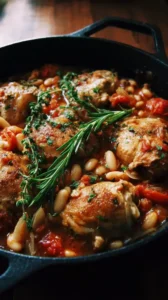
Why You’ll Love This Beef and Onion Stew
- Incredibly forgiving: A relaxed recipe perfect for a weekend cook.
- Deep, complex flavor: Browning and caramelizing create a rich foundation.
- Amazing aroma: Your kitchen will smell like comfort and anticipation.
- Better leftovers: Flavors meld and deepen overnight.
Ingredients & Tools
- 1.5 kg beef chuck, cut into 4-cm cubes
- 4 large yellow onions, thinly sliced
- 4 cloves garlic, minced
- 3 tbsp olive oil
- 2 tbsp tomato paste
- 250 ml red wine (a robust one like Cabernet Sauvignon works well)
- 1 liter good-quality beef stock
- 2 bay leaves
- 1 tsp fresh thyme leaves (or ½ tsp dried)
- Salt and freshly ground black pepper, to taste
- 1 tbsp flour (for dusting the beef)
Tools: A large, heavy-bottomed pot or Dutch oven, a sharp knife, and a wooden spoon.
Notes: The quality of your beef and stock really matters here. A well-marbled chuck will become beautifully tender, and a rich, gelatinous beef stock will give you a much more luxurious sauce. Don’t skip the red wine — it adds a crucial layer of acidity and depth that balances the sweetness of the onions.
Nutrition (per serving)
| Calories: | 520 kcal |
| Protein: | 45 g |
| Fat: | 28 g |
| Carbs: | 15 g |
| Fiber: | 2 g |
Serves: 6 | Prep Time: 20 minutes | Cook Time: 2 hours 30 minutes | Total Time: 2 hours 50 minutes
Before You Start: Tips & Ingredient Notes
- Choosing your beef. Chuck steak is your best friend here. It has the perfect amount of marbling and connective tissue, which breaks down during the long, slow cook, resulting in incredibly tender meat. Steer clear of lean cuts like sirloin, which can become tough.
- The onion situation. Yes, four large onions seems like a lot. Trust me. They will cook down dramatically, melting into the sauce and creating a naturally sweet, deeply flavorful base for the stew. Thinly slicing them is key to this process.
- Don’t rush the browning. This is the single most important step for building flavor. You want a proper, dark brown crust on the beef, not just a grey sear. It takes a few minutes per batch, but it’s worth every second.
- Wine selection. Use a wine you’d actually enjoy drinking. A dry, full-bodied red like a Cabernet Sauvignon or Syrah will add wonderful complexity. The alcohol cooks off, leaving behind its rich, fruity essence.
How to Make Beef and Onion Stew
Step 1: Pat your beef cubes completely dry with paper towels. This is a non-negotiable step for getting a good sear. Toss the dry beef with the tablespoon of flour and a generous amount of salt and pepper. The flour will help thicken the stew later on.
Step 2: Heat two tablespoons of the olive oil in your heavy-bottomed pot over medium-high heat. Working in batches, add the beef in a single layer, making sure not to crowd the pan. Brown the meat for about 4-5 minutes per side, until a deep brown crust forms. Transfer each batch to a plate. This patience is what builds the foundation of your stew’s flavor.
Step 3: Reduce the heat to medium and add the remaining tablespoon of oil to the same pot. Add all of your thinly sliced onions and a pinch of salt. Cook, stirring occasionally, for a good 20-25 minutes. You’re not just softening them here; you’re aiming for a deep, golden-brown caramelization. They’ll become soft, sweet, and fragrant. Add the minced garlic and cook for one more minute until fragrant.
Step 4: Push the onions to the side and add the tomato paste to the center of the pot. Let it cook for a minute or two, stirring, until it darkens slightly. This “toasts” the paste, mellowing its acidity and deepening its flavor. Now, pour in the red wine, using your wooden spoon to scrape up all those delicious browned bits from the bottom of the pot. Let it bubble and reduce by about half.
Step 5: Return the browned beef and any accumulated juices to the pot. Pour in the beef stock until the meat is just about covered. Add the bay leaves and thyme. Bring everything to a very gentle simmer — you should see just a few small bubbles breaking the surface.
Step 6: Partially cover the pot with a lid and reduce the heat to low. Let it simmer gently for 1 ½ to 2 hours. The trick is to keep it at a bare simmer, not a rolling boil, which can make the beef tough. You’ll know it’s done when the beef is fork-tender and practically falls apart when pressed.
Step 7: Once the beef is tender, remove the bay leaves. If the sauce seems a bit thin, you can simmer it uncovered for another 10-15 minutes to allow it to reduce and thicken to your liking. Taste and adjust the seasoning with more salt and pepper if needed. The stew should be rich, savory, and perfectly balanced.
Storage & Freshness Guide
- Fridge: Cool completely and store in an airtight container for up to 4 days.
- Freezer: Freeze in airtight containers for up to 3 months. Thaw in fridge before reheating.
- Reviving: Reheat gently on the stovetop, adding a splash of broth if needed.
Serving Suggestions
Complementary Dishes
- Creamy Mashed Potatoes — The ultimate comfort pairing. The fluffy, buttery potatoes are the perfect vehicle for soaking up the rich, oniony gravy.
- Buttered Egg Noodles or Polenta — For a change from potatoes, both provide a wonderfully neutral, comforting base that lets the stew be the star of the show.
- Buttered Green Beans or Peas — A simple, bright green vegetable adds a fresh contrast and a pop of color to the rich, brown stew.
Drinks
- A Glass of the Red Wine You Cooked With — It’s a perfect match. The wine’s notes will echo the flavors in the stew, creating a harmonious dining experience.
- A Dark Ale or Stout — The malty, roasted flavors of a good dark beer complement the deep, savory notes of the beef and caramelized onions beautifully.
Something Sweet
- A Simple Apple Crumble — The warm, spiced fruit and crunchy topping provide a lovely, light finish after the hearty, savory main course.
- Dark Chocolate Pot de Crème — For a more decadent end, the intense, bittersweet chocolate is a fantastic contrast to the richness of the stew.
Top Mistakes to Avoid
- Mistake: Crowding the pan when browning the beef. If you add too much beef at once, the pan temperature drops and the meat steams instead of sears. You’ll end up with grey, boiled-tasting beef and miss out on all that delicious fond (the browned bits) in the pan. I’ve messed this up before too, thinking I could save time — it’s always worth doing in two or three batches.
- Mistake: Boiling the stew instead of simmering it. A vigorous boil will make the beef fibers tighten and become tough and stringy. You want the gentlest of simmers, where the liquid just barely shudders. This low and slow approach breaks down the connective tissue, resulting in that dreamy, fall-apart texture.
- Mistake: Not caramelizing the onions properly. Soft, translucent onions are not the goal. You need to cook them low and slow until they turn a deep, golden brown. This is where a huge amount of the stew’s sweet, complex flavor comes from, so don’t rush this step.
- Mistake: Adding salt only at the beginning. Season your beef before browning, but be prepared to adjust the seasoning again at the end. As the liquid reduces and the flavors concentrate, the salt level can change. Always do a final taste test before serving.
Expert Tips
- Tip: Make it a day ahead. Stews almost always taste better the next day after the flavors have had more time to meld. Let it cool completely, refrigerate it overnight, and simply reheat it gently on the stove. You’ll be amazed at the difference.
- Tip: Skim the fat for a cleaner sauce. After the stew has finished cooking, you can let it sit for 10 minutes and then use a spoon to skim off any excess fat that rises to the surface. This gives you a glossier, more refined sauce without sacrificing flavor.
- Tip: Use a wide, shallow pot. A Dutch oven that’s wide rather than tall gives more surface area for browning and for liquid to evaporate, which helps the sauce reduce and thicken more effectively.
- Tip: Add a splash of vinegar at the end. If you feel the stew tastes a little flat, a tiny splash of red wine vinegar or balsamic vinegar right before serving can brighten all the flavors and make them pop.
FAQs
Can I make this beef and onion stew in a slow cooker?
Absolutely. Follow the recipe through Step 4, including deglazing the pot with wine. Then, transfer the onion mixture and seared beef to your slow cooker, add the stock and herbs, and cook on Low for 7-8 hours. The long, gentle heat is perfect for developing tender meat. You may need to thicken the sauce at the end by simmering it uncovered in a pan for a few minutes.
My stew sauce is too thin. How can I thicken it?
The easiest way is to let it simmer uncovered for an extra 10-15 minutes to reduce. If you’re still not happy, you can make a quick slurry: mix one tablespoon of cornstarch with two tablespoons of cold water until smooth. Stir this into the simmering stew and cook for another 2-3 minutes until thickened. Be careful not to add too much, or it can become gloppy.
Can I freeze this stew?
Yes, it freezes beautifully! Let it cool completely, then transfer it to airtight containers or heavy-duty freezer bags, leaving a little space for expansion. It will keep well for up to 3 months. Thaw overnight in the refrigerator before reheating gently on the stove.
What can I use instead of red wine?
If you prefer not to use wine, you can substitute with an equal amount of additional beef stock. To mimic the depth and acidity, add a tablespoon of balsamic vinegar or even a teaspoon of Worcestershire sauce to the stock. It won’t be exactly the same, but it will still be delicious.
Why is my beef still tough?
It simply hasn’t cooked long enough. Tough cuts like chuck need sufficient time for the collagen and connective tissues to break down into gelatin, which is what makes the meat tender and the sauce rich. If it’s tough after 2 hours, just keep simmering it gently, checking every 20 minutes, until it reaches that desired fall-apart texture.


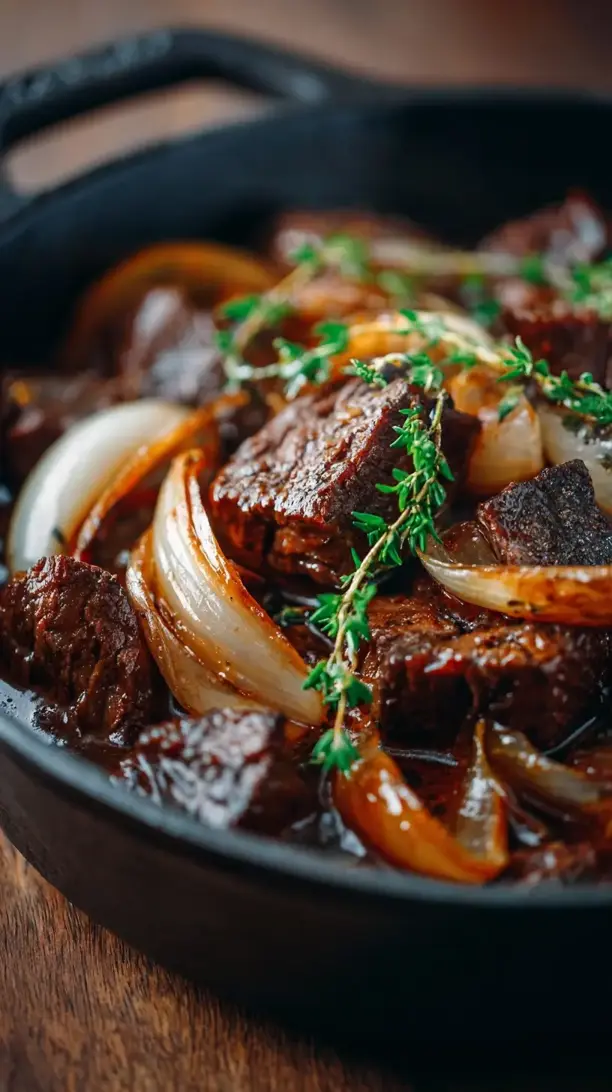
Beef And Onion Stew
Make the best Beef and Onion Stew with tender meat and rich gravy. This easy, slow-cooked recipe is perfect comfort food. Get the step-by-step guide now!
Ingredients
For the Ingredients
-
1.5 kg beef chuck (cut into 4-cm cubes)
-
4 large yellow onions (thinly sliced)
-
4 cloves garlic (minced)
-
3 tbsp olive oil
-
2 tbsp tomato paste
-
250 ml red wine (a robust one like Cabernet Sauvignon works well)
-
1 liter good-quality beef stock
-
2 bay leaves
-
1 tsp fresh thyme leaves (or ½ tsp dried)
-
Salt and freshly ground black pepper (to taste)
-
1 tbsp flour (for dusting the beef)
Instructions
-
Pat your beef cubes completely dry with paper towels. Toss the dry beef with the tablespoon of flour and a generous amount of salt and pepper.01
-
Heat two tablespoons of the olive oil in your heavy-bottomed pot over medium-high heat. Working in batches, add the beef in a single layer, making sure not to crowd the pan. Brown the meat for about 4-5 minutes per side, until a deep brown crust forms. Transfer each batch to a plate.02
-
Reduce the heat to medium and add the remaining tablespoon of oil to the same pot. Add all of your thinly sliced onions and a pinch of salt. Cook, stirring occasionally, for a good 20-25 minutes. You’re aiming for a deep, golden-brown caramelization. Add the minced garlic and cook for one more minute until fragrant.03
-
Push the onions to the side and add the tomato paste to the center of the pot. Let it cook for a minute or two, stirring, until it darkens slightly. Now, pour in the red wine, using your wooden spoon to scrape up all those delicious browned bits from the bottom of the pot. Let it bubble and reduce by about half.04
-
Return the browned beef and any accumulated juices to the pot. Pour in the beef stock until the meat is just about covered. Add the bay leaves and thyme. Bring everything to a very gentle simmer.05
-
Partially cover the pot with a lid and reduce the heat to low. Let it simmer gently for 1 ½ to 2 hours. You’ll know it’s done when the beef is fork-tender and practically falls apart when pressed.06
-
Once the beef is tender, remove the bay leaves. If the sauce seems a bit thin, you can simmer it uncovered for another 10-15 minutes to allow it to reduce and thicken to your liking. Taste and adjust the seasoning with more salt and pepper if needed.07
Not what you're looking for?


