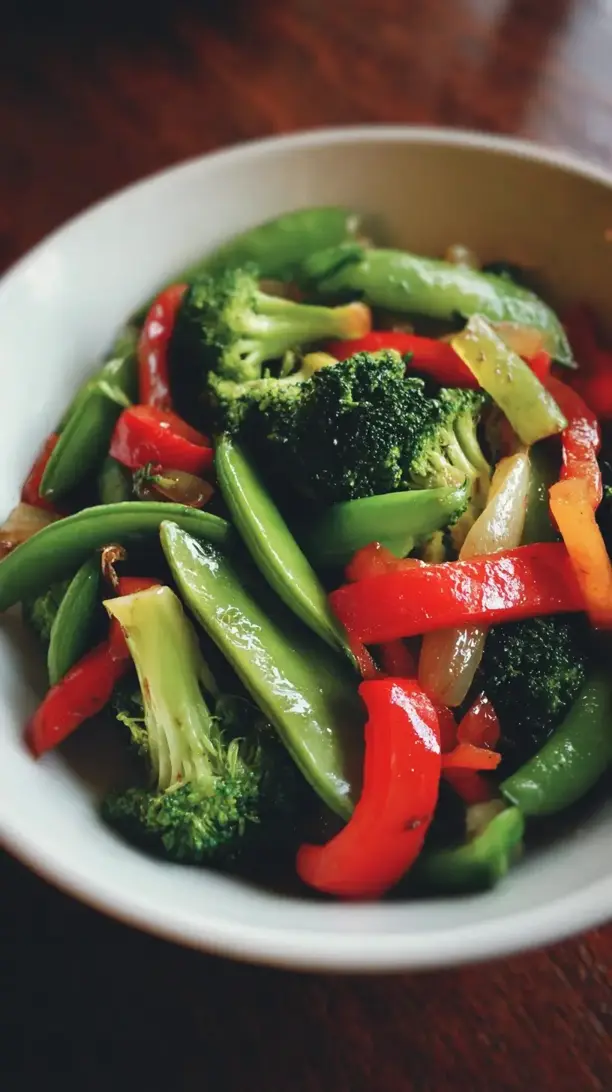
When you crave pure, uncomplicated comfort, turn to these buttered noodles. This simple dish feels like a warm hug and comes together in minutes. The magic lies in the details: the choice of pasta, the quality of the butter, and the starchy pasta water that creates a silky, glorious sauce.
Nothing beats a great Buttered Noodles. Whether you're a fan of Dinner Ideas or want to try something from our Christmas Cookie selection, keep scrolling!


Why You’ll Love This Buttered Noodles
- Effortless Comfort: A no-fuss, one-pot wonder ready in minutes.
- Pure Flavor: Few ingredients let the rich butter and chewy pasta shine.
- Blank Canvas: Perfect on its own or easily customized with herbs or cheese.
- Feels Like Home: A nostalgic, soul-soothing comfort classic for all ages.
Ingredients & Tools
- 225 g dried egg noodles, fettuccine, or tagliatelle
- 75 g high-quality unsalted butter, cold and cubed
- 60-80 ml reserved pasta cooking water
- 1/2 tsp fine sea salt, plus more for the pasta water
- 1/4 tsp freshly ground black pepper
- Optional: Freshly grated Parmesan cheese or chopped fresh parsley for serving
Tools: A large pot, a colander, tongs or a pasta fork, and a large bowl for tossing.
Notes: Using European-style butter with a higher fat content gives a richer, silkier sauce. Don’t skip the pasta water—it binds everything together.
Nutrition (per serving)
| Calories: | 485 kcal |
| Protein: | 10 g |
| Fat: | 22 g |
| Carbs: | 60 g |
| Fiber: | 3 g |
Serves: 2 | Prep Time: 2 minutes | Cook Time: 10 minutes | Total Time: 12 minutes
Before You Start: Tips & Ingredient Notes
- Salt your water like the sea. This is your one and only chance to season the pasta from the inside out. The water should taste distinctly salty—this is non-negotiable for a well-seasoned final dish.
- Why cold, cubed butter? Adding the butter cold helps create an emulsion with the pasta water. If the butter is melted already, it will just coat the noodles rather than creating a light, creamy sauce that clings to every strand.
- Don’t be shy with the pasta water. That cloudy, starchy liquid is pure gold. It’s what allows the butter to emulsify into a sauce that won’t separate or become greasy. Have your measuring cup ready by the stove.
- Choose your pasta shape wisely. Long, flat noodles like fettuccine or tagliatelle have more surface area for the butter sauce to cling to, making every bite incredibly satisfying. Egg noodles are a classic for a reason—their rich flavor and ruffled edges are perfect for trapping the sauce.
How to Make Buttered Noodles
Step 1: Bring a large pot of water to a rolling boil. Once it’s bubbling vigorously, add a very generous amount of salt—you’re aiming for the water to taste like the sea. This is crucial because it’s the primary way we season the pasta itself. Add your noodles and cook according to the package directions, but you’ll want to start checking for doneness a minute or two early.
Step 2: While the pasta is cooking, get your other components ready. Cube your cold butter and have it standing by. This is also the time to grate your Parmesan or chop your parsley if you’re using them. The key here is to be prepared, as the final steps happen quite quickly once the pasta is drained.
Step 3: This is the most important part—reserve your pasta water! Before you drain the pasta, use a ladle or a heatproof measuring cup to scoop out at least 80 ml of the starchy cooking liquid. You might not use it all, but it’s better to have too much than not enough. Now, drain the pasta in your colander, but you don’t need to shake it completely dry; a little water clinging to the noodles is just fine.
Step 4: Immediately transfer the hot, drained pasta to a large, warm bowl—not back into the hot pot. The pot’s residual heat can sometimes cause the butter to break or oil out. Now, scatter the cold, cubed butter all over the steaming hot noodles. The contrast in temperature is part of the magic here.
Step 5: Start tossing! Use tongs or a pasta fork to lift and tumble the noodles, coating them in the melting butter. You’ll notice it won’t look like much of a sauce at first—it will just look like buttery pasta. This is perfectly normal and exactly what you want at this stage.
Step 6: Now, add your first splash of reserved pasta water, about 60 ml to start. Continue tossing vigorously. You’ll see a transformation happen right before your eyes. The starchy water and the butter will emulsify, turning from a slick of fat into a creamy, pale, glossy sauce that clings to every single noodle. It’s honestly a little bit of kitchen wizardry.
Step 7: Season and finish. Add the 1/2 teaspoon of salt and the freshly ground black pepper. Continue to toss and taste. If the sauce seems a bit too thick or tight, add another splash of pasta water until it reaches a loose, silky consistency that pools slightly at the bottom of the bowl. Serve immediately while it’s gloriously hot and steamy.
Storage & Freshness Guide
- Fridge: Store in an airtight container for up to 2 days. The sauce may separate.
- Freezer: Not recommended, as the texture becomes mushy upon thawing.
- Reviving: Reheat gently with a splash of water or broth, tossing to re-emulsify the sauce.
Serving Suggestions
Complementary Dishes
- A simple green salad with a sharp vinaigrette — The crisp, acidic greens provide a refreshing counterpoint to the rich, creamy noodles, cleansing the palate between bites.
- Pan-seared chicken breast or salmon — A lean protein placed on top turns this side dish into a complete, well-rounded meal without overpowering the delicate flavor of the noodles.
- Sautéed garlicky mushrooms or spinach — Stirring these in at the end adds earthy depth and a lovely textural variation, making the dish feel a little more substantial.
Drinks
- A crisp, unoaked Chardonnay — Its bright acidity and notes of green apple cut through the richness of the butter beautifully, creating a perfect balance on the palate.
- Sparkling water with a lemon wedge — The bubbles and citrus are a non-alcoholic way to achieve the same refreshing, palate-cleansing effect, making each bite of noodles taste new again.
Something Sweet
- A small bowl of fresh berries with a dollop of whipped cream — The bright, juicy tartness of the berries is a light and refreshing finish that doesn’t feel too heavy after a comforting meal.
Top Mistakes to Avoid
- Using pre-melted or warm butter. The sauce won’t emulsify properly and you’ll end up with oily, greasy noodles instead of a creamy, cohesive dish. The cold butter is key to the chemistry.
- Forgetting to reserve the pasta water. I’ve messed this up before, too, and you’re left with a pasty, clumpy mess. That starchy water is the essential third ingredient that makes the sauce possible. Don’t drain it all away!
- Overcooking the pasta. You want your noodles to be al dente—with a bit of a bite. Mushy pasta will turn to mush when tossed with the butter and will make the final texture very unappealing.
- Not salting the pasta water enough. This is the foundation of your dish’s flavor. If the water is bland, the pasta will be bland




Buttered Noodles
Learn how to make perfect Buttered Noodles with our easy recipe. This quick, creamy comfort food is ready in minutes. Get the simple steps now!
Ingredients
For the Ingredients
-
225 g dried egg noodles (fettuccine, or tagliatelle)
-
75 g high-quality unsalted butter (cold and cubed)
-
60-80 ml reserved pasta cooking water
-
1/2 tsp fine sea salt (plus more for the pasta water)
-
1/4 tsp freshly ground black pepper
-
Freshly grated Parmesan cheese or chopped fresh parsley (optional, for serving)
Instructions
-
Bring a large pot of water to a rolling boil. Once it’s bubbling vigorously, add a very generous amount of salt—you’re aiming for the water to taste like the sea. This is crucial because it’s the primary way we season the pasta itself. Add your noodles and cook according to the package directions, but you’ll want to start checking for doneness a minute or two early.01
-
While the pasta is cooking, get your other components ready. Cube your cold butter and have it standing by. This is also the time to grate your Parmesan or chop your parsley if you’re using them. The key here is to be prepared, as the final steps happen quite quickly once the pasta is drained.02
-
This is the most important part—reserve your pasta water! Before you drain the pasta, use a ladle or a heatproof measuring cup to scoop out at least 80 ml of the starchy cooking liquid. You might not use it all, but it’s better to have too much than not enough. Now, drain the pasta in your colander, but you don’t need to shake it completely dry; a little water clinging to the noodles is just fine.03
-
Immediately transfer the hot, drained pasta to a large, warm bowl—not back into the hot pot. The pot’s residual heat can sometimes cause the butter to break or oil out. Now, scatter the cold, cubed butter all over the steaming hot noodles. The contrast in temperature is part of the magic here.04
-
Start tossing! Use tongs or a pasta fork to lift and tumble the noodles, coating them in the melting butter. You’ll notice it won’t look like much of a sauce at first—it will just look like buttery pasta. This is perfectly normal and exactly what you want at this stage.05
-
Now, add your first splash of reserved pasta water, about 60 ml to start. Continue tossing vigorously. You’ll see a transformation happen right before your eyes. The starchy water and the butter will emulsify, turning from a slick of fat into a creamy, pale, glossy sauce that clings to every single noodle. It’s honestly a little bit of kitchen wizardry.06
-
Season and finish. Add the 1/2 teaspoon of salt and the freshly ground black pepper. Continue to toss and taste. If the sauce seems a bit too thick or tight, add another splash of pasta water until it reaches a loose, silky consistency that pools slightly at the bottom of the bowl. Serve immediately while it’s gloriously hot and steamy.07
Not what you're looking for?