This Cajun Shrimp and Rice Skillet is a vibrant one-pan wonder packed with bold spices, plump shrimp, and perfectly cooked rice. It delivers deep, complex flavor with minimal cleanup, making it a complete and hearty meal. You’ll love how this Cajun Shrimp and Rice Skillet comes together quickly for a satisfying dinner.
Love Cajun Shrimp and Rice Skillet? So do we! If you're into Dinner Ideas or curious about Chicken Recipes, you'll find plenty of inspiration below.

Why You’ll Love This Cajun Shrimp and Rice Skillet
- One-pan wonder: Everything cooks in a single skillet for maximum flavor and easy cleanup.
- Complex, not just spicy: Cajun seasoning brings warmth, smokiness, and savory depth to every bite.
- Incredibly versatile: Easily swap proteins or add extra veggies to make it your own.
- Indulgent yet light: Satisfying comfort food that feels good any night of the week.
Ingredients & Tools
- 1 lb (450 g) large raw shrimp, peeled and deveined
- 2 tbsp Cajun seasoning, divided
- 2 tbsp olive oil or avocado oil
- 1 medium yellow onion, diced
- 1 green bell pepper, diced
- 2 celery stalks, diced
- 3 cloves garlic, minced
- 1 cup (200 g) long-grain white rice, rinsed
- 1 can (14.5 oz / 410 g) diced tomatoes, undrained
- 2 cups (480 ml) chicken or vegetable broth
- 1 tsp dried thyme
- 1 bay leaf
- Salt and black pepper to taste
- 2 tbsp fresh parsley, chopped (for garnish)
- 1 lemon, cut into wedges (for serving)
Tools: A large (12-inch) oven-safe skillet with a lid is essential here.
Notes: Don’t skip rinsing the rice—it removes excess starch and keeps the final dish from becoming gummy. And using a good quality broth really makes a difference, as it forms the flavorful liquid that the rice absorbs.
Nutrition (per serving)
| Calories: | 385 kcal |
| Protein: | 25 g |
| Fat: | 9 g |
| Carbs: | 48 g |
| Fiber: | 4 g |
Serves: 4 | Prep Time: 15 minutes | Cook Time: 25 minutes | Total Time: 40 minutes
Before You Start: Tips & Ingredient Notes
- Check your Cajun seasoning. Some store-bought blends can be very salty. Give yours a taste before you add any extra salt to the dish. You can always adjust the seasoning at the end.
- Don’t skip rinsing the rice. I know it feels like an extra step, but it’s a game-changer. Rinsing washes away the surface starch, which prevents the rice from clumping together and results in beautifully separate, fluffy grains in your final skillet.
- Use raw, peeled shrimp. For the best texture and to avoid overcooking, start with raw shrimp, not pre-cooked. I like to buy them peeled and deveined to save time, but leaving the tails on can add a little extra flavor if you prefer.
- Get your veggies uniformly diced. Try to cut your onion, bell pepper, and celery into pieces of a similar size. This isn’t just for looks—it ensures they all cook at the same rate, giving you a perfect texture in every bite.
How to Make Cajun Shrimp and Rice Skillet
Step 1: Start by prepping your shrimp. Pat them completely dry with paper towels—this is crucial for getting a good sear later. Toss the shrimp in a medium bowl with one tablespoon of the Cajun seasoning, making sure each one is nicely coated. Set them aside to marinate while you start the base of the dish.
Step 2: Heat the olive oil in your large skillet over medium-high heat. Once the oil is shimmering, add the diced onion, bell pepper, and celery. This is your holy trinity! Sauté them for about 5-7 minutes, stirring occasionally, until they have softened and the onion has become translucent. You’ll notice the kitchen starting to smell amazing already.
Step 3: Add the minced garlic and the remaining tablespoon of Cajun seasoning to the skillet. Stir constantly and cook for just about 60 seconds—you just want to wake up the spices and take the raw edge off the garlic. Be careful not to burn it, or it will turn bitter.
Step 4: Now, stir in the rinsed rice. Keep stirring for another minute to toast the rice slightly in the spiced oil. This little step adds a wonderful nutty flavor and helps the rice maintain its structure as it cooks. Then, pour in the diced tomatoes with their juices and the broth. Add the dried thyme and the bay leaf, and give everything a good stir, scraping up any browned bits from the bottom of the pan.
Step 5: Bring the liquid to a lively boil. Once it’s bubbling, immediately reduce the heat to low, cover the skillet with a tight-fitting lid, and let it simmer gently for 15-18 minutes. Do not peek! You need that steam to build up inside to cook the rice properly. The rice should be tender and have absorbed most of the liquid.
Step 6: Now for the shrimp! Uncover the skillet and arrange the seasoned shrimp in a single layer on top of the rice. They’ll nestle right in. Re-cover the skillet and cook for another 5-7 minutes over low heat. The shrimp are done when they’ve turned pink and opaque. You’ll notice they’ve released some of their delicious juices into the rice below.
Step 7: Turn off the heat. Remove the bay leaf and discard it. Let the skillet sit, covered, for a final 5 minutes off the heat. This resting time is magic—it allows the rice to steam to perfection and any remaining liquid to be fully absorbed, giving you the ideal texture.
Step 8: Finally, fluff the rice and shrimp gently with a fork. Taste and adjust seasoning with salt and pepper if needed. Garnish generously with the fresh chopped parsley and serve immediately with lemon wedges on the side for squeezing over the top. The burst of fresh lemon juice right at the end really makes all the flavors sing.
Storage & Freshness Guide
- Fridge: Store in an airtight container for up to 3 days.
- Freezer: Freeze in a sealed container for up to 2 months; thaw in fridge before reheating.
- Reviving: Reheat gently in a skillet with a splash of broth to restore moisture.
Serving Suggestions
Complementary Dishes
- A simple green salad with a tangy vinaigrette — The crisp, acidic greens are the perfect counterbalance to the rich, spiced skillet. It cleanses the palate beautifully between bites.
- Buttery skillet cornbread — You can’t go wrong with this classic pairing. The slight sweetness of the cornbread is fantastic for sopping up any extra sauce and taming the Cajun heat.
- Sautéed garlicky green beans — They add a different texture and a vibrant green color to the plate. The garlic echoes the flavors in the skillet without competing with them.
Drinks
- A crisp, cold lager or pilsner — The carbonation and clean finish of a light beer are incredibly refreshing against the spice. It’s a classic for a reason.
- An off-dry Riesling — A white wine with a touch of sweetness can handle the heat and complement the shrimp beautifully. It enhances the dish without overpowering it.
- Sparkling water with lemon — For a non-alcoholic option, the bubbles and citrus are a simple, effective way to refresh your palate and highlight the lemon in the dish.
Something Sweet
- Lemon sorbet — After a flavorful and spiced meal, something light, cold, and citrusy is the perfect finale. It’s incredibly refreshing and feels like a palate cleanser.
- A dark chocolate square with sea salt — Just a small piece of high-quality dark chocolate provides a rich, bitter contrast that somehow just works after savory, spicy food.
- New Orleans-style beignets — If you really want to lean into the theme, these pillowy, powdered-sugar-dusted doughnuts are a decadent and fun way to end the meal.
Top Mistakes to Avoid
- Overcooking the shrimp. Shrimp cook incredibly fast and become rubbery if left on the heat for too long. The moment they curl and turn pink and opaque, they’re done. I’ve messed this up before too, and it’s a real texture tragedy.
- Peeking while the rice is cooking. I know the temptation is real, but lifting the lid lets out all the precious steam that’s essential for cooking the rice evenly. Trust the process and set a timer.
- Using pre-cooked shrimp. If you use shrimp that are already cooked, they’ll just become tough and chewy when you add them back to the heat. Always start with raw for this recipe.
- Not toasting the rice. That quick minute of toasting the rice in the spiced oil adds a layer of nutty flavor and helps keep the grains distinct. Don’t rush past it.
Expert Tips
- Tip: Make your own Cajun seasoning blend. It’s surprisingly simple and lets you control the salt and heat level. A basic mix is paprika, garlic powder, onion powder, dried oregano, dried thyme, cayenne pepper, and black pepper.
- Tip: For a richer, deeper flavor, use a combination of butter and oil to sauté your holy trinity. The butter adds a wonderful nuttiness that complements the spices beautifully.
- Tip: If you want a bit of a crust on the bottom of your rice (a prized treat in many cultures!), let the skillet sit on the lowest heat for a few extra minutes after cooking, without stirring, until you hear a faint sizzle.
- Tip: For a complete meal-in-one, stir in a cup of frozen peas or corn, or even some chopped okra, during the last 5 minutes of cooking with the shrimp. They’ll heat through perfectly.
FAQs
Can I use frozen shrimp?
Absolutely! It’s a great shortcut. Just make sure to thaw them completely first. The best way is to place them in a colander and run cold water over them until they’re no longer icy. Pat them very dry with paper towels before seasoning, as excess water will steam them instead of letting them sear.
My rice is still hard after the cooking time. What happened?
This usually means either your heat was too high, causing the liquid to evaporate too quickly, or there wasn’t quite enough liquid to begin with. If this happens, add another 1/4 cup of hot broth, cover, and cook for another 5-10 minutes on low. Different brands of rice can also absorb liquid at slightly different rates.
Is this dish very spicy?
It has a kick, but it’s more about flavor complexity than pure heat. The level of spiciness depends entirely on your Cajun seasoning blend. For a milder version, look for a “salt-free” blend and control the salt yourself, or use half the amount and supplement with smoked paprika. For more heat, add a pinch of cayenne pepper.
Can I make this with chicken instead?
Yes, it works wonderfully! Use about 1 pound of boneless, skinless chicken breast or thighs, cut into bite-sized pieces. Sauté the chicken first until cooked through, then remove it from the skillet and set aside. Add it back in when you would add the shrimp at the end, just to warm through.
How do I store and reheat leftovers?
Store any leftovers in an airtight container in the refrigerator for up to 3 days. The best way to reheat is in a skillet over low heat with a tiny splash of broth or water to keep it from drying out. The microwave can make the rice a bit gummy, but if you must, cover it and use a lower power setting.


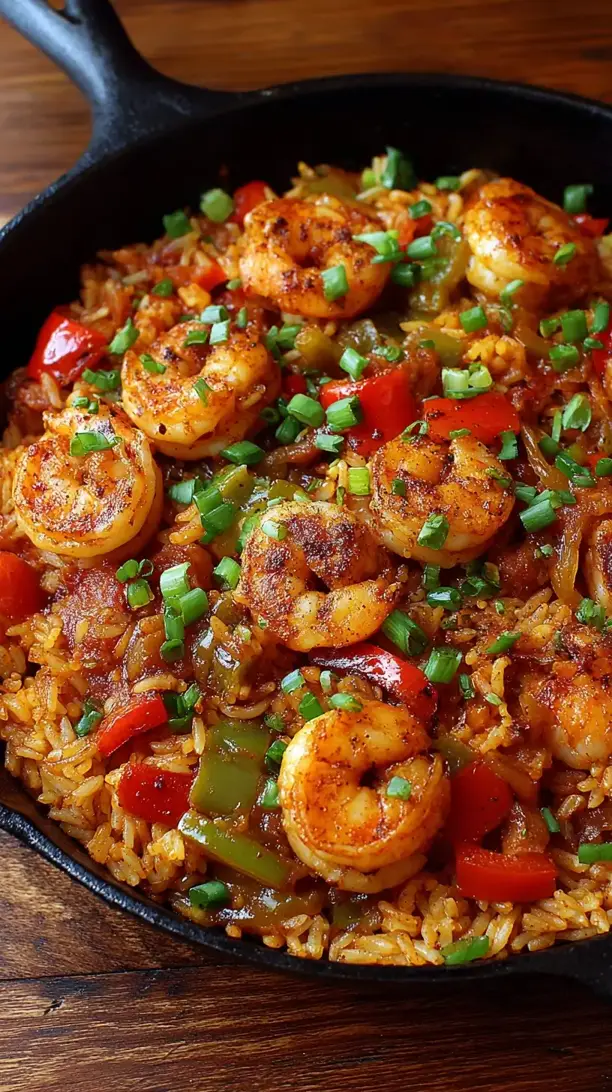
Cajun Shrimp And Rice Skillet
Make this easy Cajun Shrimp and Rice Skillet for a flavorful one-pan dinner. Ready in 40 minutes with minimal cleanup. Get the recipe and cook tonight!
Ingredients
For the main ingredients:
-
1 lb large raw shrimp (peeled and deveined)
-
2 tbsp Cajun seasoning (divided)
-
2 tbsp olive oil or avocado oil
-
1 medium yellow onion (diced)
-
1 green bell pepper (diced)
-
2 celery stalks (diced)
-
3 cloves garlic (minced)
-
1 cup long-grain white rice (rinsed)
-
1 can diced tomatoes (undrained)
-
2 cups chicken or vegetable broth
-
1 tsp dried thyme
-
1 bay leaf
-
Salt and black pepper (to taste)
-
2 tbsp fresh parsley (chopped, for garnish)
-
1 lemon (cut into wedges, for serving)
Instructions
-
Start by prepping your shrimp. Pat them completely dry with paper towels—this is crucial for getting a good sear later. Toss the shrimp in a medium bowl with one tablespoon of the Cajun seasoning, making sure each one is nicely coated. Set them aside to marinate while you start the base of the dish.01
-
Heat the olive oil in your large skillet over medium-high heat. Once the oil is shimmering, add the diced onion, bell pepper, and celery. This is your holy trinity! Sauté them for about 5-7 minutes, stirring occasionally, until they have softened and the onion has become translucent. You’ll notice the kitchen starting to smell amazing already.02
-
Add the minced garlic and the remaining tablespoon of Cajun seasoning to the skillet. Stir constantly and cook for just about 60 seconds—you just want to wake up the spices and take the raw edge off the garlic. Be careful not to burn it, or it will turn bitter.03
-
Now, stir in the rinsed rice. Keep stirring for another minute to toast the rice slightly in the spiced oil. This little step adds a wonderful nutty flavor and helps the rice maintain its structure as it cooks. Then, pour in the diced tomatoes with their juices and the broth. Add the dried thyme and the bay leaf, and give everything a good stir, scraping up any browned bits from the bottom of the pan.04
-
Bring the liquid to a lively boil. Once it’s bubbling, immediately reduce the heat to low, cover the skillet with a tight-fitting lid, and let it simmer gently for 15-18 minutes. Do not peek! You need that steam to build up inside to cook the rice properly. The rice should be tender and have absorbed most of the liquid.05
-
Now for the shrimp! Uncover the skillet and arrange the seasoned shrimp in a single layer on top of the rice. They’ll nestle right in. Re-cover the skillet and cook for another 5-7 minutes over low heat. The shrimp are done when they’ve turned pink and opaque. You’ll notice they’ve released some of their delicious juices into the rice below.06
-
Turn off the heat. Remove the bay leaf and discard it. Let the skillet sit, covered, for a final 5 minutes off the heat. This resting time is magic—it allows the rice to steam to perfection and any remaining liquid to be fully absorbed, giving you the ideal texture.07
-
Finally, fluff the rice and shrimp gently with a fork. Taste and adjust seasoning with salt and pepper if needed. Garnish generously with the fresh chopped parsley and serve immediately with lemon wedges on the side for squeezing over the top. The burst of fresh lemon juice right at the end really makes all the flavors sing.08
Not what you're looking for?