This Cajun Shrimp Pasta combines plump shrimp, bold Cajun seasoning, and a silky cream sauce for a restaurant-quality meal in 30 minutes. It’s vibrant, flavorful, and a total crowd-pleaser.
Looking for Cajun Shrimp Pasta inspiration? You'll love what we have! Explore more Dinner Ideas recipes or discover our Breakfast & Brunch favorites.


Why You’ll Love This Cajun Shrimp Pasta
- Flavor explosion: Smoky, spicy Cajun seasoning clings to every bite.
- Fast & easy: Ready in about 30 minutes with minimal cleanup.
- Creamy magic: Silky, balanced sauce coats the pasta perfectly.
- Versatile base: Adjust heat, swap proteins, or add extra veggies.
Ingredients & Tools
- 450 g large raw shrimp, peeled and deveined
- 340 g fettuccine or linguine pasta
- 2 tbsp Cajun seasoning, divided
- 3 tbsp olive oil, divided
- 4 cloves garlic, minced
- 1 small yellow onion, finely diced
- 1 tbsp tomato paste
- 120 ml heavy cream (or half-and-half for a lighter option)
- 60 g freshly grated Parmesan cheese
- 2 tbsp unsalted butter
- 1 fresh lemon, juiced
- Salt and freshly ground black pepper, to taste
- Fresh parsley, chopped (for garnish)
Tools: Large pot for pasta, large skillet or sauté pan, tongs, microplane or box grater for Parmesan
Notes: Use raw shrimp (not pre-cooked) and grate your own Parmesan for best texture.
Nutrition (per serving)
| Calories: | 620 kcal |
| Protein: | 35 g |
| Fat: | 28 g |
| Carbs: | 55 g |
| Fiber: | 3 g |
Serves: 4 | Prep Time: 15 minutes | Cook Time: 15 minutes | Total Time: 30 minutes
Before You Start: Tips & Ingredient Notes
- Get your shrimp right. I highly recommend using raw, peeled, and deveined shrimp for this recipe. Pat them completely dry with paper towels before seasoning—this is the secret to getting a beautiful sear instead of them steaming in the pan. If they’re wet, they won’t brown properly.
- Understand your Cajun seasoning. Cajun seasoning blends can vary wildly in salt content and heat level. Taste a tiny pinch of yours first! If it’s very salty, you’ll want to hold back on adding extra salt later. If you’re sensitive to spice, start with 1.5 tablespoons and add more at the end.
- Don’t forget to reserve pasta water. This might be the most repeated tip in pasta-making, and for good reason. The starchy, salty water is liquid gold for creating a silky, emulsified sauce that clings perfectly to the pasta. Just scoop out a cup right before you drain the pasta.
- Prep everything before you fire up the pan. This recipe moves quickly once you start cooking. Having your onions diced, garlic minced, and shrimp seasoned and ready to go will make the process smooth and stress-free. It’s the classic “mise en place” and it truly pays off here.
How to Make Cajun Shrimp Pasta
Step 1: Start by bringing a large pot of generously salted water to a boil for your pasta. While it heats up, pat your shrimp very dry with paper towels. Place them in a bowl and toss with one tablespoon of the Cajun seasoning, making sure each shrimp is evenly coated. This initial seasoning layer is what gives the shrimp its deep, flavorful crust.
Step 2: Cook your pasta according to the package directions until it’s al dente—it should still have a slight bite to it. Right before you drain it, remember to reserve about one cup of the starchy pasta water! This is crucial. Drain the pasta and set it aside while you work on the sauce.
Step 3: Now, heat a large skillet over medium-high heat. Add one tablespoon of olive oil. Once the oil is shimmering hot, add the seasoned shrimp in a single layer. You should hear a satisfying sizzle. Cook for just about 1-2 minutes per side, until they’re pink, opaque, and lightly caramelized. Don’t overcrowd the pan—cook in batches if needed. Remove the shrimp to a clean plate and set them aside; they’ll finish cooking later in the sauce.
Step 4: Reduce the heat to medium and add the remaining two tablespoons of olive oil to the same skillet. Add the diced onion and cook for 3-4 minutes, stirring occasionally, until it becomes soft and translucent. You’ll notice the wonderful aroma starting to build. Now, add the minced garlic and cook for just 30 seconds until fragrant—be careful not to burn it!
Step 5: Stir in the tomato paste and the remaining one tablespoon of Cajun seasoning. Cook for about one minute, stirring constantly. This step, called “blooming” the spices and paste, deepens their flavor and removes any raw, dusty taste. The mixture will become a bit darker and stick to the pan a little—that’s exactly what you want.
Step 6: Pour in the heavy cream and use your spoon to scrape up all those browned bits from the bottom of the pan. Those bits are pure flavor! Let the cream come to a gentle simmer. Then, reduce the heat to low and whisk in the grated Parmesan cheese until it’s melted and the sauce is smooth.
Step 7: Now, it’s time to bring it all together. Add the cooked pasta and the seared shrimp (along with any juices that have collected on the plate) directly into the skillet with the sauce. Add the butter and a splash of the reserved pasta water—start with about a quarter cup. Use tongs to toss everything together vigorously. The pasta water, butter, and stirring action will help the sauce become glossy and cling to every strand.
Step 8: Finish the dish with a generous squeeze of fresh lemon juice and a final toss. Taste and adjust the seasoning with salt and pepper if needed. If the sauce seems too thick, add another splash of pasta water until it reaches your desired consistency. The sauce should be creamy and fluid, not pasty. Garnish with a handful of fresh chopped parsley and serve immediately!
Storage & Freshness Guide
- Fridge: Store in an airtight container up to 2 days.
- Freezer: Not recommended; cream sauce may separate.
- Reviving: Reheat gently with a splash of cream or water to loosen sauce.
Serving Suggestions
Complementary Dishes
- A simple green salad with a sharp vinaigrette — The crisp, acidic greens are the perfect counterpoint to the rich, creamy pasta, cleansing the palate between bites.
- Garlic bread or crusty baguette — You’ll want something to soak up every last bit of that incredible sauce, and a warm, buttery piece of bread is absolutely the tool for the job.
- Sautéed green beans with almonds — Their slight crunch and nutty flavor add a lovely textural contrast and a fresh, green element to the plate.
Drinks
- A crisp, citrusy Sauvignon Blanc — The wine’s bright acidity and notes of grapefruit cut through the richness of the cream and balance the spice from the Cajun seasoning beautifully.
- A cold, hoppy IPA — If you’re a beer person, the bold bitterness of an IPA can stand up to the strong flavors in the dish and provide a refreshing contrast.
- Sparkling water with lemon — A non-alcoholic option that still offers bubbles and citrus to refresh your palate, making each bite of pasta taste as vibrant as the first.
Something Sweet
- Lemon sorbet — Its intense, clean citrus flavor is incredibly refreshing after a savory, spiced meal and feels light enough that you won’t feel overly stuffed.
- Dark chocolate espresso truffles — A few bites of something deeply chocolatey and slightly bitter provide a sophisticated, satisfying end to the meal.
- Classic New Orleans-style beignets — To keep the Southern theme going, these warm, pillowy, powdered-sugar-dusted doughnuts are a truly decadent and fun finale.
Top Mistakes to Avoid
- Overcooking the shrimp. Shrimp cook in a flash and become rubbery and tough if left on the heat for too long. You’re just looking for them to turn pink and opaque—they’ll spend a little more time in the sauce later, so it’s better to slightly undercook them initially.
- Using pre-cooked shrimp. I’ve tried this shortcut before and honestly, it never works. Pre-cooked shrimp are already… well, cooked. Reheating them in the sauce makes them incredibly tough and they won’t absorb any of the lovely Cajun flavors.
- Skipping the pasta water. It might seem like an insignificant step, but that starchy water is what binds the sauce to the pasta, creating a cohesive, restaurant-quality dish. Using plain water just won’t give you the same silky, clingy result.
- Adding the cheese over high heat. If your sauce is boiling when you add the Parmesan, it can cause the fats and proteins to separate, making your sauce greasy and grainy. Always reduce the heat to low before whisking in the cheese.
Expert Tips
- Tip: Make your own Cajun seasoning blend. It’s surprisingly simple and lets you control the salt and heat perfectly. A great base is paprika, garlic powder, onion powder, dried oregano, dried thyme, cayenne pepper, and black pepper. You can mix up a batch and keep it in your spice cabinet.
- Tip: Let the shrimp come to room temperature. Taking your shrimp out of the fridge 15-20 minutes before cooking helps them cook more evenly. If they’re ice-cold in the center, the outside can overcook before the inside is done.
- Tip: Add veggies for a complete meal. This recipe is a fantastic canvas. Try adding sliced bell peppers or mushrooms when you cook the onions, or stir in a few handfuls of fresh spinach right at the end, just until it wilts.
- Tip: Finish with a high-quality olive oil. Once the pasta is plated, a final drizzle of a good, fruity extra virgin olive oil over the top adds a wonderful layer of aroma and richness that elevates the entire dish.
FAQs
Can I make this Cajun Shrimp Pasta ahead of time?
You can prep the components ahead to save time, but I don’t recommend assembling the whole dish in advance. You can dice the onion, mince the garlic, and season the shrimp a few hours ahead. Keep them separate in the fridge. The pasta is best cooked fresh, as it can become mushy and the sauce can separate upon reheating. If you must, store leftovers in an airtight container and reheat gently on the stovetop with a splash of cream or water to loosen the sauce.
My sauce turned out too spicy. How can I fix it?
Don’t worry, it happens to the best of us! The easiest way to tame the heat is by adding more cream or a bit more Parmesan cheese, as dairy is great at neutralizing spice. A little extra squeeze of lemon juice can also help balance the flavors. For next time, just remember to taste your Cajun seasoning first and adjust the quantity accordingly.
What can I use instead of heavy cream?
For a lighter version, half-and-half will work, though the sauce will be a bit less rich. You could also use full-fat coconut milk for a dairy-free alternative—it pairs surprisingly well with the Cajun flavors. I wouldn’t recommend using milk, as it doesn’t have enough fat and is very likely to curdle when you add the acid from the lemon juice.
Can I use a different protein?
Absolutely! Andouille sausage, sliced and browned, is a classic addition or substitution. You could also use chicken breast or thighs, cut into bite-sized pieces and cooked through just like the shrimp. If using chicken, just make sure it reaches an internal temperature of 74°C before removing it from the pan.
Why did my sauce break or look oily?
A broken sauce usually happens if the heat was too high when you added the cream or cheese, causing the emulsion to separate. To fix it, remove the pan from the heat immediately and whisk in a tablespoon of cold butter or a splash of cold pasta water. Whisk vigorously—this can often bring the sauce back together. Prevention is key: keep the heat gentle once the dairy goes in.

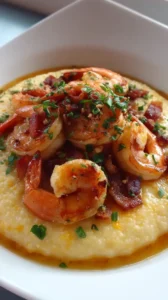

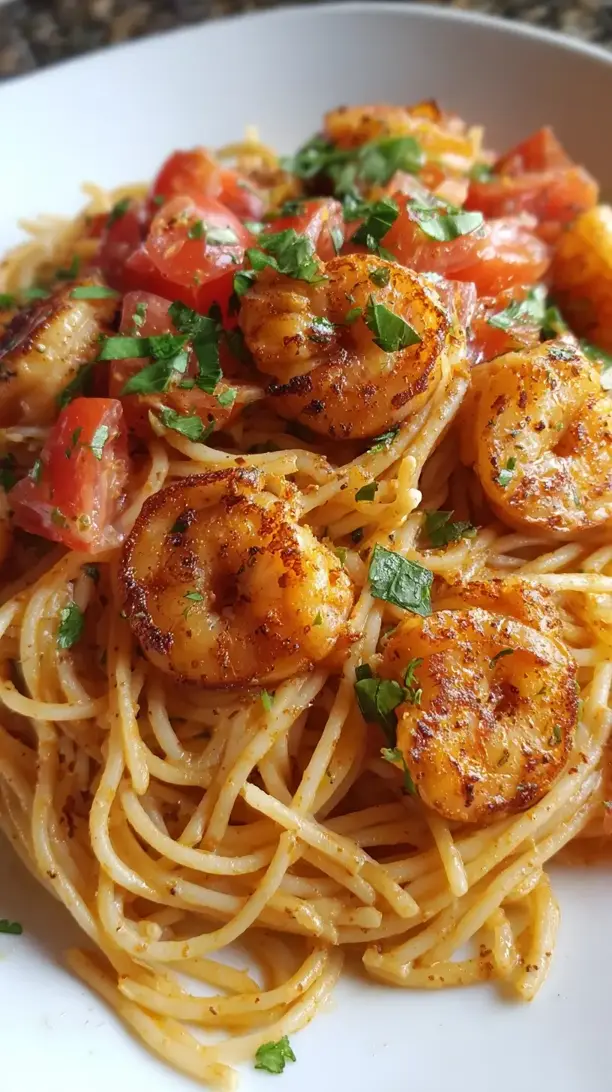
Cajun Shrimp Pasta
Make restaurant-quality Cajun Shrimp Pasta in just 30 minutes! This easy recipe features juicy shrimp in a creamy, spicy sauce. Get the full recipe and cook it tonight!
Ingredients
For the Ingredients
-
450 g large raw shrimp (peeled and deveined)
-
340 g fettuccine or linguine pasta
-
2 tbsp Cajun seasoning (divided)
-
3 tbsp olive oil (divided)
-
4 cloves garlic (minced)
-
1 small yellow onion (finely diced)
-
1 tbsp tomato paste
-
120 ml heavy cream (or half-and-half for a lighter option)
-
60 g freshly grated Parmesan cheese
-
2 tbsp unsalted butter
-
1 fresh lemon (juiced)
-
Salt and freshly ground black pepper (to taste)
-
Fresh parsley (chopped, for garnish)
Not what you're looking for?