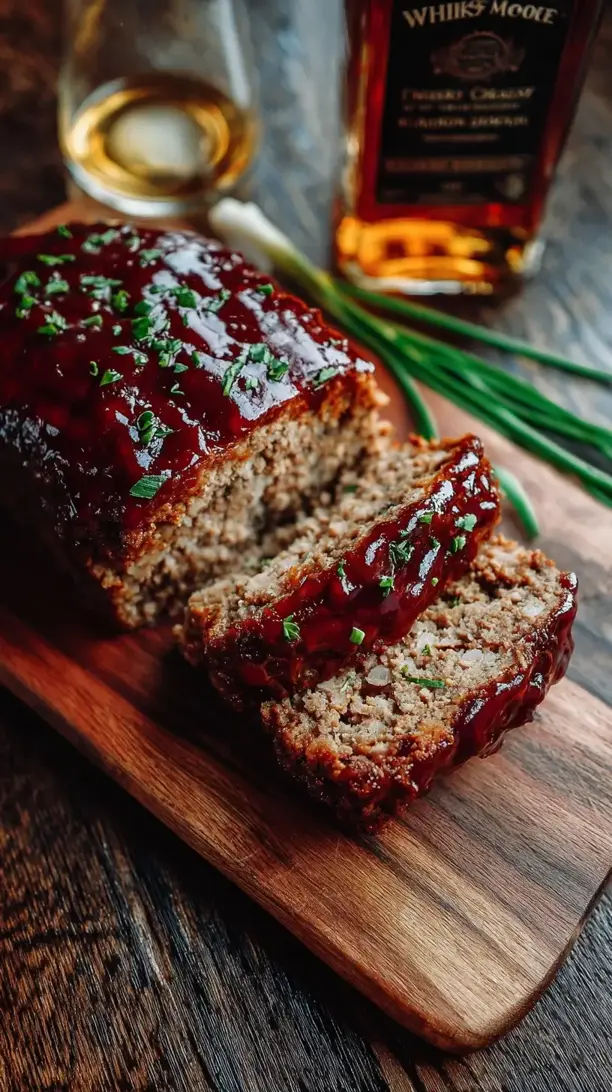
This Cast Iron Meatloaf delivers a juicy, flavor-packed masterpiece with a caramelized crust that’s a game-changer. The cast iron skillet creates an incredible sear while locking in savory juices. It’s a hearty, satisfying comfort food upgrade that will become a weekly staple.
Looking for Cast Iron Meatloaf inspiration? You'll love what we have! Explore more Meatloaf Recipes recipes or discover our Christmas Cookie favorites.
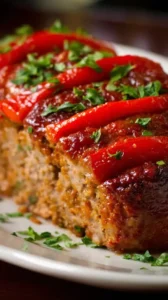

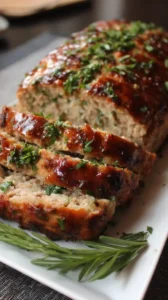
Why You’ll Love This Cast Iron Meatloaf
- Caramelized crust: Cast iron creates a deliciously seared exterior you can’t get from a loaf pan.
- Incredibly juicy: Cooking directly in the skillet keeps the meatloaf perfectly moist every time.
- Deep, complex flavor: A blend of meats and a savory base cooked in the pan builds incredible flavor.
- One-pan wonder: Mix, sear, and bake in the same skillet for less cleanup.
Ingredients & Tools
- 1 tbsp olive oil
- 1 large yellow onion, finely diced
- 2 cloves garlic, minced
- 1 lb ground beef (80/20 blend is ideal)
- 1/2 lb ground pork
- 1/2 cup panko breadcrumbs
- 1/2 cup whole milk
- 1 large egg
- 2 tbsp Worcestershire sauce
- 1 tbsp Dijon mustard
- 1 tsp smoked paprika
- 1 1/2 tsp kosher salt
- 1/2 tsp freshly ground black pepper
- 2 tbsp fresh parsley, chopped
- 1/3 cup ketchup
- 2 tbsp brown sugar
- 1 tbsp apple cider vinegar
Tools: 1 (10-12 inch) cast iron skillet
Notes: Don’t use leaner beef—the fat is crucial for succulence. The panko and milk panade prevents dryness and creates a tender texture.
Nutrition (per serving)
| Calories: | 410 kcal |
| Protein: | 28 g |
| Fat: | 24 g |
| Carbs: | 18 g |
| Fiber: | 1 g |
Serves: 6 | Prep Time: 20 minutes | Cook Time: 50 minutes | Total Time: 1 hour 10 minutes
Before You Start: Tips & Ingredient Notes
- Why a blend of meats? Using both beef and pork gives you the best of both worlds. The beef provides that classic, robust flavor, while the pork adds extra fat and a subtle sweetness that makes the final loaf incredibly moist and flavorful.
- Is a panade really necessary? Absolutely. Soaking the breadcrumbs in milk before mixing them into the meat is non-negotiable for a tender texture. It prevents the proteins from tightening up too much and squeezing out all the moisture, which is the primary cause of a dry meatloaf.
- Don’t skip the pre-cook on the aromatics. Sautéing the onion and garlic first does two things: it softens them so they blend seamlessly into the loaf, and it deepens their flavor, removing any harsh raw bite. This step builds a flavor foundation you can taste in every single bite.
- Handle the meat gently. This is the golden rule. Overmixing will compress the meat and make the final texture dense and tough. Mix just until the ingredients are combined—a few stray streaks are perfectly fine.
How to Make Cast Iron Meatloaf
Step 1: Preheat your oven to 375°F (190°C). Place your cast iron skillet over medium heat and add the olive oil. Once the oil is shimmering, add the diced onion and cook for about 5-7 minutes, until it becomes soft and translucent. You’ll notice a sweet aroma starting to develop. Add the minced garlic and cook for another minute until fragrant, being careful not to let it burn. Remove the skillet from the heat and let this mixture cool for at least 10 minutes. This is a crucial step—adding hot onions to the meat mixture can start cooking the egg prematurely.
Step 2: While the onions are cooling, prepare your panade. In a small bowl, combine the panko breadcrumbs and the milk. Stir it together and then just let it sit. The panko will absorb the milk and become a soft, paste-like mixture. This is what will give our meatloaf its signature tender, almost creamy interior texture.
Step 3: In a large mixing bowl, combine the ground beef, ground pork, the cooled onion and garlic mixture, and the panade. Add the egg, Worcestershire sauce, Dijon mustard, smoked paprika, salt, pepper, and fresh parsley. Now, the most important part: using your hands, gently mix everything together. You want to mix just until all the ingredients are evenly distributed. Stop as soon as you no longer see streaks of individual components. Overmixing is the enemy of a tender meatloaf.
Step 4: Transfer the meat mixture back into the cast iron skillet. Gently press and shape it into a loaf form, about 2-3 inches high, making sure it doesn’t touch the sides of the skillet. This allows the hot air to circulate and creates more of that delicious crust. Place the skillet back over medium-high heat on the stovetop and let the bottom sear for about 4-5 minutes. You should hear a good sizzle—this is building that incredible foundation of flavor.
Step 5: While the bottom is searing, quickly make the glaze. In a small bowl, whisk together the ketchup, brown sugar, and apple cider vinegar until smooth. The vinegar adds a necessary tang that cuts through the richness of the meat. After the initial sear, carefully brush about half of this glaze all over the top and sides of the meatloaf.
Step 6: Transfer the entire skillet to the preheated oven and bake for 30 minutes. After 30 minutes, pull the skillet out (use an oven mitt—the handle is extremely hot!) and brush the remaining glaze over the loaf. Return it to the oven for another 15-20 minutes, or until the internal temperature reaches 160°F (71°C) when tested with an instant-read thermometer inserted into the center.
Step 7: Once cooked, it’s vital to let the meatloaf rest. Remove the skillet from the oven and place it on a trivet or your stovetop. Let it sit, undisturbed, for at least 10-15 minutes. This allows the juices to redistribute throughout the loaf. If you cut into it immediately, all those precious juices will run out, leaving you with a drier result.
Storage & Freshness Guide
- Fridge: Store cooled leftovers in an airtight container for up to 4 days.
- Freezer: Wrap cooled loaf or slices tightly in plastic wrap and foil; freeze for up to 3 months.
- Reviving: Reheat in a 300°F oven or a covered skillet to retain moisture; avoid the microwave.
Serving Suggestions
Complementary Dishes
- Creamy Garlic Mashed Potatoes — The ultimate comfort food pairing. The fluffy, buttery potatoes are perfect for soaking up any juices and that amazing glaze from the skillet.
- Sautéed Green Beans with Almonds — Their crisp-tender texture and nutty flavor provide a fresh, bright contrast to the rich, savory meatloaf.
- Buttery Cornbread Muffins — A little sweet, a little savory, they’re fantastic for mopping up your plate and add a wonderful Southern-inspired touch to the meal.
Drinks
- A Malty Brown Ale — The caramel and toasty notes in the beer complement the seared, savory crust of the meatloaf beautifully without overpowering it.
- Full-Bodied Zinfandel — This wine’s jammy fruit flavors and peppery notes can stand up to the robust, smoky flavors from the cast iron and paprika.
- Sparkling Water with Lemon — The crisp bubbles and citrus are a fantastic non-alcoholic option that cleanses the palate between each rich, satisfying bite.
Something Sweet
- Warm Apple Crumble — The cozy, spiced apples and buttery oat topping continue the homey, comforting theme of the meal in the most delicious way.
- Classic New York Cheesecake — Its rich, creamy, and tangy profile is a decadent finish that contrasts wonderfully with the savory main course.
- Dark Chocolate Pots de Crème — Intensely chocolatey and silky smooth, this elegant dessert feels special without being too heavy after a hearty meal.
Top Mistakes to Avoid
- Mistake: Overmixing the meat. I’ve messed this up before, too—it’s tempting to keep going until it’s perfectly uniform. But this develops the meat’s proteins too much, resulting in a tight, tough, and rubbery texture that’s more like a dense meatball than a tender loaf.
- Mistake: Skipping the rest time. Cutting into the meatloaf straight from the oven is a recipe for disappointment. All the beautiful juices that you worked so hard to keep inside will immediately flood out onto your cutting board, leaving the loaf drier than it should be.
- Mistake: Using lean ground beef. This is a comfort food, not a diet food. The fat in 80/20 beef and the ground pork is essential for flavor and moisture. If you use a leaner blend, you’ll end up with a much less satisfying, drier result.
- Mistake: Not checking the internal temperature. Guessing doneness by color or time alone is unreliable. An instant-read thermometer is your best friend here, ensuring the meatloaf is perfectly cooked and safe to eat without being overdone.
Expert Tips
- Tip: Grate a cold onion instead of dicing. If you want the onion flavor to be completely undetectable in the texture, pop a peeled onion in the freezer for 15 minutes, then grate it on a box grater. You’ll get all the flavor without any distinct pieces.
- Tip: Make a mini-test patty. Before you shape the whole loaf, cook a small spoonful of the mixture in a separate pan. Taste it and adjust the seasoning if needed. It’s much easier to add a pinch more salt now than after it’s cooked.
- Tip: Add a splash of soy sauce to the glaze. For an extra layer of umami depth, replace one tablespoon of the ketchup in the glaze with an equal amount of soy sauce. It enhances the savory notes in a way that’s subtle but incredible.
- Tip: Use your skillet for gravy. After removing the meatloaf, place the skillet back on the stovetop. Add a little broth or red wine, scrape up all those glorious browned bits, and simmer for a quick, flavor-packed pan sauce.
FAQs
Can I make this meatloaf ahead of time?
Absolutely, and it’s a great time-saver. You can prepare the meat mixture up to a day in advance. Just keep it covered in the refrigerator in the skillet or a separate bowl. When you’re ready to cook, let it sit at room temperature for about 20-30 minutes before searing and baking as directed. The flavors actually meld and improve overnight!
What if I don’t have a cast iron skillet?
You can still make a delicious meatloaf! Use a standard loaf pan, but for a better crust, consider transferring the shaped loaf to a parchment-lined baking sheet. You’ll lose the stovetop sear, but you’ll still get good browning on the sides. The cooking time may be slightly longer, so always rely on your thermometer.
How do I store and reheat leftovers?
Store cooled leftovers in an airtight container in the fridge for up to 4 days. The best way to reheat it is in a 300°F (150°C) oven until warm, or gently in a skillet with a lid to keep it from drying out. Avoid the microwave if you can, as it tends to make the texture rubbery.
Can I freeze cooked meatloaf?
Yes, it freezes beautifully. Let the cooked meatloaf cool completely, then wrap the whole loaf or individual slices tightly in plastic wrap and then in foil. It will keep for up to 3 months. Thaw overnight in the refrigerator before reheating.
Can I use different types of ground meat?
Of course! This recipe is very adaptable. A blend of beef, veal, and pork is classic. You could also use ground turkey or chicken, but keep in mind they are leaner, so you may want to add an extra tablespoon of olive oil to the mixture to compensate for the lost fat and ensure it stays moist.

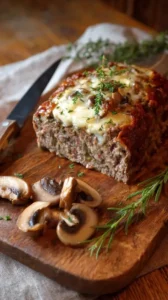

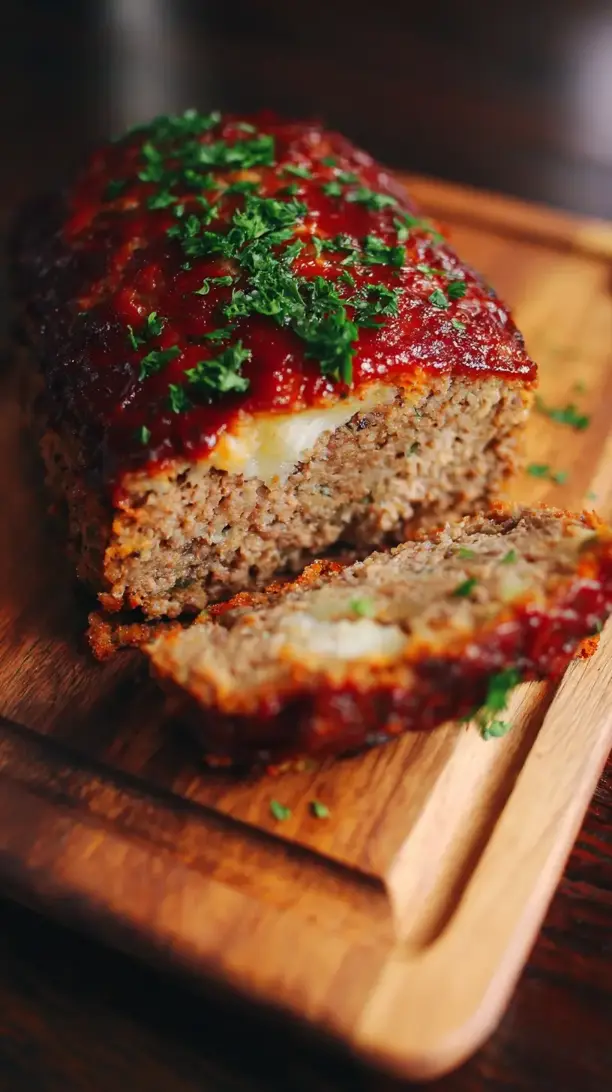
Cast Iron Meatloaf
Make the best Cast Iron Meatloaf with a juicy interior and caramelized crust. This easy one-pan recipe is a game-changer for comfort food. Get the recipe now!
Ingredients
For the Ingredients
-
1 tbsp olive oil
-
1 large yellow onion (finely diced)
-
2 cloves garlic (minced)
-
1 lb ground beef (80/20 blend is ideal)
-
1/2 lb ground pork
-
1/2 cup panko breadcrumbs
-
1/2 cup whole milk
-
1 large egg
-
2 tbsp Worcestershire sauce
-
1 tbsp Dijon mustard
-
1 tsp smoked paprika
-
1 1/2 tsp kosher salt
-
1/2 tsp freshly ground black pepper
-
2 tbsp fresh parsley (chopped)
-
1/3 cup ketchup
-
2 tbsp brown sugar
-
1 tbsp apple cider vinegar
Instructions
-
Preheat your oven to 375°F (190°C). Place your cast iron skillet over medium heat and add the olive oil. Once the oil is shimmering, add the diced onion and cook for about 5-7 minutes, until it becomes soft and translucent. You’ll notice a sweet aroma starting to develop. Add the minced garlic and cook for another minute until fragrant, being careful not to let it burn. Remove the skillet from the heat and let this mixture cool for at least 10 minutes. This is a crucial step—adding hot onions to the meat mixture can start cooking the egg prematurely.01
-
While the onions are cooling, prepare your panade. In a small bowl, combine the panko breadcrumbs and the milk. Stir it together and then just let it sit. The panko will absorb the milk and become a soft, paste-like mixture. This is what will give our meatloaf its signature tender, almost creamy interior texture.02
-
In a large mixing bowl, combine the ground beef, ground pork, the cooled onion and garlic mixture, and the panade. Add the egg, Worcestershire sauce, Dijon mustard, smoked paprika, salt, pepper, and fresh parsley. Now, the most important part: using your hands, gently mix everything together. You want to mix just until all the ingredients are evenly distributed. Stop as soon as you no longer see streaks of individual components. Overmixing is the enemy of a tender meatloaf.03
-
Transfer the meat mixture back into the cast iron skillet. Gently press and shape it into a loaf form, about 2-3 inches high, making sure it doesn't touch the sides of the skillet. This allows the hot air to circulate and creates more of that delicious crust. Place the skillet back over medium-high heat on the stovetop and let the bottom sear for about 4-5 minutes. You should hear a good sizzle—this is building that incredible foundation of flavor.04
-
While the bottom is searing, quickly make the glaze. In a small bowl, whisk together the ketchup, brown sugar, and apple cider vinegar until smooth. The vinegar adds a necessary tang that cuts through the richness of the meat. After the initial sear, carefully brush about half of this glaze all over the top and sides of the meatloaf.05
-
Transfer the entire skillet to the preheated oven and bake for 30 minutes. After 30 minutes, pull the skillet out (use an oven mitt—the handle is extremely hot!) and brush the remaining glaze over the loaf. Return it to the oven for another 15-20 minutes, or until the internal temperature reaches 160°F (71°C) when tested with an instant-read thermometer inserted into the center.06
-
Once cooked, it's vital to let the meatloaf rest. Remove the skillet from the oven and place it on a trivet or your stovetop. Let it sit, undisturbed, for at least 10-15 minutes. This allows the juices to redistribute throughout the loaf. If you cut into it immediately, all those precious juices will run out, leaving you with a drier result.07
Not what you're looking for?