
This Chicken and Rice Stew is the ultimate comfort meal, simmering into a velvety, one-pot wonder. It layers savory chicken, sweet vegetables, and fragrant rice for a deeply satisfying bowl. The gentle cooking process creates a nourishing, fuss-free dinner that everyone will love.
Nothing beats a great Chicken and Rice Stew. Whether you're a fan of Stew or want to try something from our Christmas Cookie selection, keep scrolling!



Why You’ll Love This Chicken and Rice Stew
- One-pot wonder: Protein, vegetables, and starch cook together for easy cleanup.
- Velvety texture: Rice breaks down slightly for a soothing, porridge-like consistency.
- Flexible template: Easily swap vegetables or add greens to make it your own.
- Better tomorrow: Flavors meld overnight for incredible leftovers.
Ingredients & Tools
- 2 tbsp olive oil
- 1.5 lbs boneless, skinless chicken thighs, cut into 1-inch pieces
- 1 large leek, white and light green parts only, thoroughly washed and sliced
- 3 medium carrots, peeled and diced
- 2 celery stalks, diced
- 4 cloves garlic, minced
- 1 tsp dried thyme
- 2 bay leaves
- 1 cup long-grain white rice, such as jasmine or basmati
- 6 cups chicken broth, divided
- 1 tbsp soy sauce
- 1 tbsp fresh lemon juice
- 1/2 cup fresh parsley, chopped
- To taste salt and freshly ground black pepper
Tools: A large Dutch oven or heavy-bottomed pot with a lid is essential here.
Notes: The quality of your chicken broth really makes a difference in this recipe—it’s the backbone of the flavor. And don’t skip the fresh lemon juice at the end; that little hit of acidity brightens everything up and makes the stew taste… well, more like itself.
Nutrition (per serving)
| Calories: | 420 kcal |
| Protein: | 32 g |
| Fat: | 14 g |
| Carbs: | 40 g |
| Fiber: | 3 g |
Serves: 6 | Prep Time: 20 minutes | Cook Time: 45 minutes | Total Time: 1 hour 5 minutes
Before You Start: Tips & Ingredient Notes
- Why chicken thighs? Thighs have more fat and connective tissue than breasts, which means they stay incredibly moist and tender through the longer cooking process. They simply won’t dry out on you.
- Don’t rush the first step. Getting a good sear on the chicken isn’t just for color; it creates fond—those delicious browned bits at the bottom of the pot—which is pure flavor gold for your stew.
- Be patient with the leeks. Leeks can be sandy, so slice them first and then give them a good soak in a bowl of cold water, swishing them around to let the grit fall to the bottom.
- What kind of rice is best? I prefer long-grain rice like jasmine or basmati for their fragrance and less sticky texture, but standard long-grain white rice works perfectly. Avoid using pre-cooked or instant rice.
How to Make Chicken and Rice Stew
Step 1: Pat the chicken thighs completely dry with paper towels and season generously with salt and pepper. This is a crucial step for getting a proper sear. Heat the olive oil in your Dutch oven over medium-high heat until it shimmers. Add the chicken in a single layer, working in batches if needed to avoid crowding the pan. You’re not cooking it through here—just browning it well on all sides, which should take about 6-8 minutes total. Transfer the seared chicken to a clean plate. You’ll notice those beautiful browned bits stuck to the pot… that’s your flavor foundation.
Step 2: Reduce the heat to medium and add the leek, carrots, and celery to the same pot. You’ll hear a satisfying sizzle. Cook, stirring occasionally, until the vegetables have softened and the leeks have become fragrant and translucent, about 7-8 minutes. Scrape the bottom of the pot with your spoon to lift up that fond. Add the minced garlic, dried thyme, and bay leaves, and cook for just one more minute until the garlic is incredibly aromatic.
Step 3: Now, add the uncooked rice to the pot. Stir it constantly for about a minute, toasting the grains in the oil and vegetable juices. This little step helps the rice stay distinct and absorb the broth more effectively later. Pour in 5 cups of the chicken broth and the soy sauce, and give everything a good stir, making sure to scrape up any remaining bits from the bottom.
Step 4: Return the seared chicken and any accumulated juices from the plate back into the pot. Bring the stew up to a lively simmer, then immediately reduce the heat to low, cover the pot with a tight-fitting lid, and let it cook gently for 20-25 minutes. Resist the urge to peek too often! You want the rice to be tender and have absorbed most of the liquid.
Step 5: After 20 minutes, uncover the pot. The stew will look thick and the rice should be cooked through. Stir in the remaining 1 cup of chicken broth—this loosens the stew to the perfect, spoonable consistency. Remove the pot from the heat and fish out the bay leaves. Stir in the fresh lemon juice and most of the chopped parsley. Taste it—this is the moment. Adjust the seasoning with more salt and pepper until it sings. Ladle the stew into bowls and garnish with the remaining parsley for a fresh, colorful finish.
Storage & Freshness Guide
- Fridge: Store in an airtight container for 3–4 days. The rice will thicken, so add broth when reheating.
- Freezer: Not recommended—the rice becomes mushy and grainy after thawing.
- Reviving: Reheat gently on the stove, stirring in a splash of broth or water to restore consistency.
Serving Suggestions
Complementary Dishes
- A simple green salad with a sharp vinaigrette — The crisp, acidic greens provide a refreshing counterpoint to the rich, savory depth of the stew.
- Crusty, warm bread or flaky biscuits — You’ll want something to sop up every last bit of that delicious broth from the bottom of your bowl.
- Sautéed greens with garlic — A side of kale or Swiss chard cooked with a little garlic adds a nutritious and flavorful earthy note to the meal.
Drinks
- A crisp, unoaked Chardonnay — Its bright acidity and notes of citrus and green apple cut through the richness of the stew beautifully.
- A malty amber ale — The caramel notes in the beer complement the savory flavors, while the carbonation cleanses the palate between bites.
- Sparkling water with a lemon wedge — Sometimes the simplest option is the best, offering a clean, bubbly refreshment that highlights the stew’s own lemon notes.
Something Sweet
- Warm apple crumble with vanilla ice cream — The cozy, spiced fruit and cold cream are a classic, comforting follow-up to a hearty stew.
- Dark chocolate pots de crème — These are intensely rich, silky, and not too sweet, providing a sophisticated and decadent end to the meal.
- Lemon bars — The bright, tangy citrus flavor is a perfect palate-cleanser and a lovely, light way to finish.
Top Mistakes to Avoid
- Over-stirring after adding the rice. Once the rice is simmering, let it be. Constant stirring will agitate the starch and turn your stew gluey instead of velvety.
- Using the wrong type of rice. Short-grain or sushi rice will become far too sticky and gummy. Stick with long-grain varieties for the best texture.
- Not seasoning in layers. Season the chicken when you sear it, and then be sure to taste and adjust the seasoning again at the very end. Broths vary in saltiness, so your stew might need a final pinch.
- Boiling the stew after adding the rice. A gentle simmer is key. A rolling boil will cook the rice too quickly on the outside while leaving it hard in the center, and it can make the chicken tough.
Expert Tips
- Tip: For a deeper, richer flavor base, try browning a couple tablespoons of tomato paste with the vegetables after they’ve softened. It adds a wonderful umami complexity.
- Tip: If you have a Parmesan rind in your fridge, toss it into the pot with the broth. It will melt into the stew, adding a subtle, savory cheesiness that is just incredible.
- Tip: To make this ahead, prepare the stew but stop before adding the final cup of broth and the lemon juice. Let it cool completely. When ready to serve, reheat gently on the stove, then stir in the reserved broth and lemon juice to wake all the flavors back up.
- Tip: For a creamier texture, stir in a splash of heavy cream or a dollop of crème fraîche along with the lemon juice at the very end. It adds a lovely luxurious finish.
FAQs
Can I use chicken breasts instead of thighs?
You can, but you need to be very careful. Breast meat is much leaner and will easily become dry and stringy with this cooking method. If you must use it, cut the pieces larger and reduce the simmering time by about 5-7 minutes. Check for doneness early and often. Honestly, I really do recommend sticking with thighs for the best result.
My stew is too thick. How can I fix it?
No problem at all! This is an easy fix. Simply stir in a little more warm chicken broth or even some hot water, a quarter-cup at a time, until it reaches your preferred consistency. The stew will continue to thicken as it sits, so you might need to do this again when reheating leftovers.
Can I make this in a slow cooker?
Absolutely. Follow steps 1 and 2 in a skillet, then transfer the seared chicken and sautéed veggies to your slow cooker. Add the rice and all 6 cups of broth. Cook on LOW for 4-5 hours, or until the rice is tender. Stir in the lemon juice and parsley just before serving.
How long do leftovers last?
Stored in an airtight container in the refrigerator, your chicken and rice stew will keep beautifully for 3-4 days. The rice will continue to absorb liquid, so you’ll likely need to add a splash of broth or water when reheating it gently on the stove or in the microwave.
Can I freeze this stew?
I don’t recommend it, unfortunately. Dishes with cooked rice don’t freeze well—the rice tends to become mushy, grainy, and unpleasantly soft when thawed and reheated. This is a meal best enjoyed fresh or within a few days.


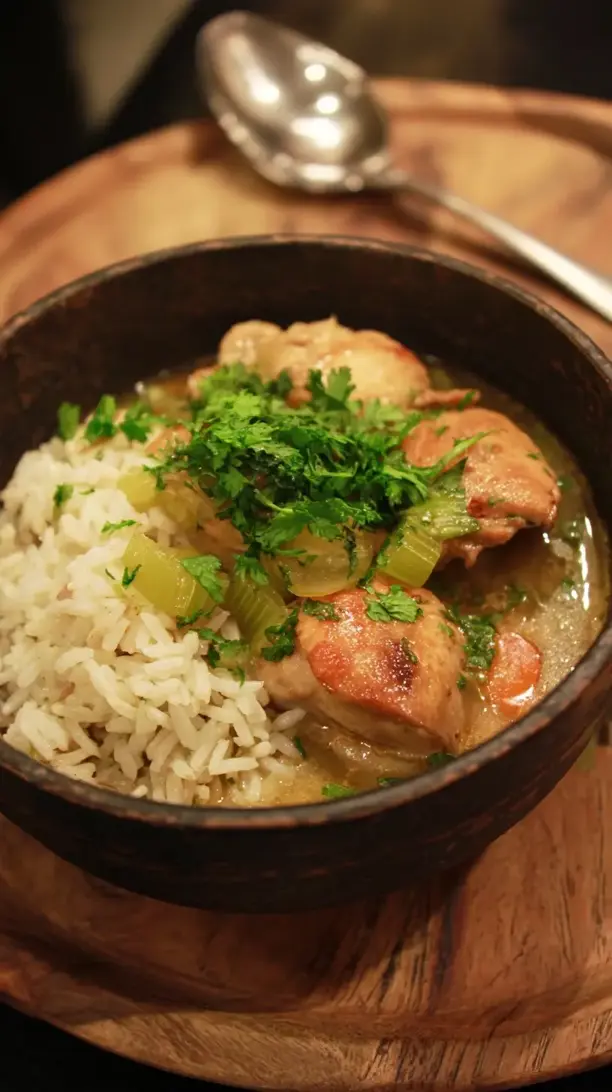
Chicken And Rice Stew
Make the best Chicken and Rice Stew with this easy one-pot recipe. A velvety, comforting meal perfect for weeknights. Get the full recipe now!
Ingredients
For the Ingredients
-
2 tbsp olive oil
-
1.5 lbs boneless, skinless chicken thighs (cut into 1-inch pieces)
-
1 large leek (white and light green parts only, thoroughly washed and sliced)
-
3 medium carrots (peeled and diced)
-
2 stalks celery (diced)
-
4 cloves garlic (minced)
-
1 tsp dried thyme
-
2 bay leaves
-
1 cup long-grain white rice (such as jasmine or basmati)
-
6 cups chicken broth (divided)
-
1 tbsp soy sauce
-
1 tbsp fresh lemon juice
-
0.5 cup fresh parsley (chopped)
-
salt and freshly ground black pepper (to taste)
Instructions
-
Pat the chicken thighs completely dry with paper towels and season generously with salt and pepper. Heat the olive oil in your Dutch oven over medium-high heat until it shimmers. Add the chicken in a single layer, working in batches if needed to avoid crowding the pan. You’re not cooking it through here—just browning it well on all sides, which should take about 6-8 minutes total. Transfer the seared chicken to a clean plate.01
-
Reduce the heat to medium and add the leek, carrots, and celery to the same pot. Cook, stirring occasionally, until the vegetables have softened and the leeks have become fragrant and translucent, about 7-8 minutes. Scrape the bottom of the pot with your spoon to lift up that fond. Add the minced garlic, dried thyme, and bay leaves, and cook for just one more minute until the garlic is incredibly aromatic.02
-
Add the uncooked rice to the pot. Stir it constantly for about a minute, toasting the grains in the oil and vegetable juices. Pour in 5 cups of the chicken broth and the soy sauce, and give everything a good stir, making sure to scrape up any remaining bits from the bottom.03
-
Return the seared chicken and any accumulated juices from the plate back into the pot. Bring the stew up to a lively simmer, then immediately reduce the heat to low, cover the pot with a tight-fitting lid, and let it cook gently for 20-25 minutes.04
-
After 20 minutes, uncover the pot. Stir in the remaining 1 cup of chicken broth. Remove the pot from the heat and fish out the bay leaves. Stir in the fresh lemon juice and most of the chopped parsley. Taste it and adjust the seasoning with more salt and pepper until it sings. Ladle the stew into bowls and garnish with the remaining parsley for a fresh, colorful finish.05
Not what you're looking for?


