This Chicken Chow Mein delivers all the sizzle and satisfaction of a classic takeout stir-fry in a lighter, low-carb version. Tender chicken, crisp vegetables, and savory sauce come together in one pan for a quick, vibrant meal. You’ll love how the glossy sauce clings to every strand for a comforting, restaurant-quality dish at home.
Looking for Chicken Chow Mein inspiration? You'll love what we have! Explore more Dinner Ideas recipes or discover our Burgers favorites.


Why You’ll Love This Chicken Chow Mein
- One-pan wonder: Maximum flavor with minimal cleanup.
- Perfect texture: Chewy, slurpable noodles without the carbs.
- Totally versatile: Adapt the veggies and heat to your taste.
- Magic sauce: Glossy, umami-rich coating you’ll crave.
Ingredients & Tools
- 450 g boneless, skinless chicken thighs, sliced into thin strips
- 2 packs (approx. 400 g) shirataki noodles or heart of palm noodles, thoroughly rinsed and drained
- 1 tbsp avocado oil or coconut oil
- 1 medium onion, thinly sliced
- 2 cloves garlic, minced
- 1 tbsp fresh ginger, grated
- 1 red bell pepper, julienned
- 2 stalks celery, thinly sliced on a diagonal
- 100 g bean sprouts
- 2 spring onions, sliced (green and white parts separated)
- 3 tbsp coconut aminos or sugar-free soy sauce
- 1 tbsp rice vinegar
- 1 tsp sesame oil
- 1/2 tsp erythritol or your preferred granulated sugar substitute
- 1/4 tsp white pepper
- 1 tbsp oyster sauce (optional, for extra depth)
Tools: A large wok or a very large, high-sided skillet, and a set of tongs or a sturdy spatula for tossing.
Notes: Get all ingredients prepped before cooking for a smooth, fast stir-fry.
Getting the ingredients prepped before you start cooking—what the pros call *mise en place*—is the real secret to a successful stir-fry. Having your sauce mixed and your veggies chopped means you can focus on the high-heat cooking without any stressful scrambling.
Nutrition (per serving)
| Calories: | 285 kcal |
| Protein: | 25 g |
| Fat: | 12 g |
| Carbs: | 8 g |
| Fiber: | 4 g |
Serves: 4 | Prep Time: 15 minutes | Cook Time: 10 minutes | Total Time: 25 minutes
Before You Start: Tips & Ingredient Notes
- Don’t skip the noodle prep. If you’re using shirataki noodles, rinsing them thoroughly under cold water for a minute or two is crucial to remove any lingering aroma. I also like to pat them very dry with paper towels—this helps them sear a little in the wok instead of steaming.
- Slice your chicken thin and even. This ensures it cooks quickly and stays tender. Partially freezing the chicken for 20-30 minutes makes it much easier to slice into uniform strips.
- Have everything within arm’s reach. Stir-frying is a fast process. Once you start, there’s no time to mince garlic or measure sauce. Having all your components prepped and in little bowls next to the stove is a game-changer.
- Your wok or pan needs to be seriously hot. You’re looking for a sizzle the moment the ingredients hit the surface. If the pan isn’t hot enough, the food will stew in its own juices instead of getting that lovely, caramelized sear.
How to Make Chicken Chow Mein
Step 1: Start by preparing your low-carb noodles. Drain the shirataki or heart of palm noodles from their packaging and give them a really good rinse under cold, running water for a solid minute. This step is non-negotiable for shirataki noodles to ensure a neutral taste. Then, spread them out on a few layers of paper towels and pat them firmly until they’re as dry as you can get them. You can even give them a quick dry-toast in a separate, hot pan for a few minutes to evaporate any remaining moisture—this makes a world of difference in their final texture.
Step 2: While your noodles are draining, mix your sauce. In a small bowl or a measuring jug, combine the coconut aminos, rice vinegar, sesame oil, your sugar substitute, white pepper, and the optional oyster sauce. Whisk it all together until the sweetener has dissolved. Doing this now means the flavors can start to meld, and you won’t be fumbling with bottles when you need to add it to the wok in a hurry.
Step 3: Now, heat your wok or large skillet over a high heat. You want it to be seriously hot—a drop of water should skitter and evaporate instantly. Add half of the avocado oil and swirl it around to coat the surface. Add your sliced chicken in a single layer, if possible, and let it sear for about a minute without moving it. This creates a nice golden crust. Then, stir-fry for another 2-3 minutes until the chicken is just cooked through. Remove the chicken from the wok and set it aside on a plate.
Step 4: Add the remaining oil to the hot wok. Toss in the sliced onion and the white parts of your spring onions. Stir-fry for about a minute until they just start to soften. Then, add the garlic and ginger—you’ll notice the most incredible aroma blooming almost immediately. Cook for just 30 seconds, stirring constantly, to prevent them from burning.
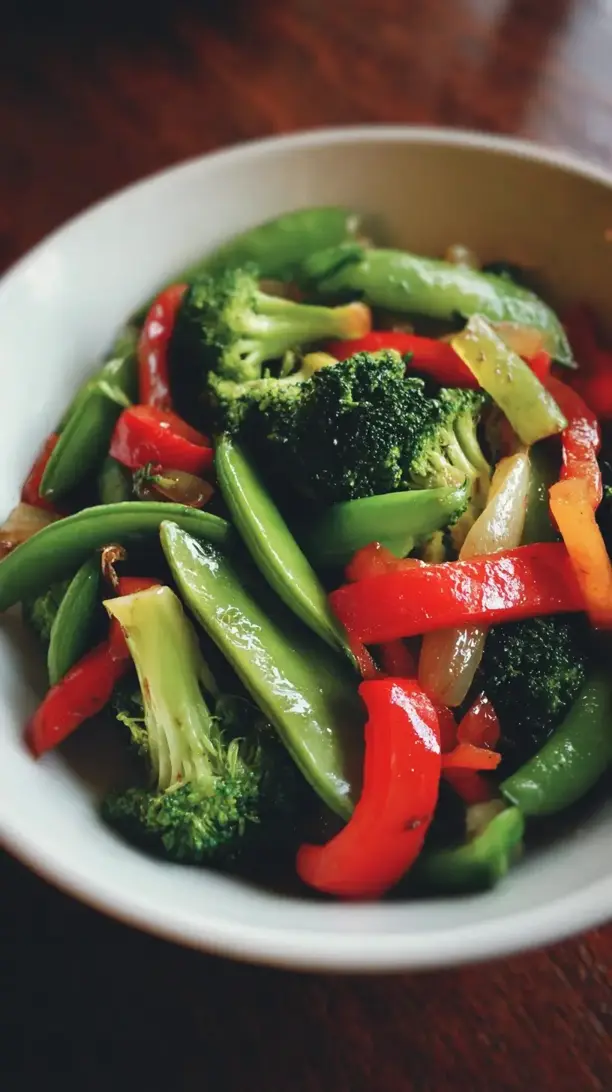
Step 5: It’s time for the remaining veggies. Add the julienned bell pepper and sliced celery to the wok. Stir-fry for another 2-3 minutes. You’re aiming for a vibrant color and a tender-crisp texture—they should still have a good bite to them. You don’t want them to go soft and mushy.
Step 6: Push the vegetables to one side of the wok. Add your prepared, dried noodles to the empty space. Let them sit for 30 seconds to warm through and maybe pick up a little sear from the hot surface. Then, toss everything in the wok together—the noodles, the vegetables, all of it.
Step 7: Return the cooked chicken and any accumulated juices back to the wok. Give it all a good toss to combine. Now, pour your pre-mixed sauce over everything. It should hit the hot surface and sizzle and bubble up immediately. Toss continuously for about a minute, until the sauce thickens slightly and coats every single strand of noodle and piece of chicken and vegetable in a beautiful, glossy sheen.
Step 8: Finally, turn off the heat. Add the bean sprouts and the green parts of the spring onions. Toss them through—the residual heat will wilt the bean sprouts just slightly while keeping them wonderfully crunchy. Do a final taste test and adjust seasoning if needed, perhaps with an extra splash of coconut aminos. Serve immediately while it’s piping hot and wonderfully fragrant.
Storage & Freshness Guide
- Fridge: Store in an airtight container up to 2 days.
- Freezer: Not recommended; noodles can become rubbery.
- Reviving: Reheat quickly in a hot wok or skillet to restore texture.
Serving Suggestions
Complementary Dishes
- A simple cucumber salad — Thinly sliced cucumbers with a quick dressing of rice vinegar, a tiny bit of sesame oil, and a sprinkle of red pepper flakes cuts through the richness of the chow mein beautifully.
- Steamed or roasted broccoli — Its earthy, slightly bitter flavor is a fantastic counterpoint to the savory, umami-packed noodles, adding another layer of texture and making the meal feel even more complete.
- Crispy baked tofu — For a plant-based protein boost alongside or even instead of the chicken, some extra-firm tofu, cubed and baked until golden, adds a wonderful chewy contrast.
Drinks
- Jasmine tea, iced or hot — Its delicate, floral notes are a classic pairing that cleanse the palate between bites without overpowering the complex flavors of the dish.
- A dry Riesling or a Pinot Gris — The slight sweetness and bright acidity in these wines balance the saltiness of the sauce and refresh your taste buds.
- Sparkling water with a lime wedge — Sometimes you just need the clean, crisp fizz to cut through the savory intensity, and it’s a wonderfully simple, refreshing option.
Something Sweet
- A few fresh strawberries with whipped cream — The bright, juicy sweetness of the berries is a perfect, light finish after a savory meal, and it feels indulgent without being heavy.
- A square of dark chocolate (85% cocoa or higher) — Let it melt slowly on your tongue; the bitter, complex notes are a sophisticated end to the meal and satisfy that post-dinner chocolate craving.
- A small bowl of mixed berries — Raspberries, blueberries, and blackberries offer a burst of natural sweetness and a dose of antioxidants, making for a healthy and satisfying dessert.
Top Mistakes to Avoid
- Overcrowding the pan. If you add too much at once, the temperature of your wok will plummet, and you’ll end up steaming the ingredients instead of stir-frying them. Cook in batches if necessary to get a proper sear.
- Using wet noodles. If you don’t properly dry your shirataki noodles, they’ll release water into your wok, making the sauce watery and preventing that lovely, glossy coating from sticking to the noodles.
- Burnt garlic and ginger. These aromatics cook in seconds. If you add them too early or let them sit for too long, they can turn bitter and acrid, which will overpower the entire dish.
- Overcooking the vegetables. You want a vibrant, crunchy texture in your chow mein. If you cook the bell peppers and celery until they’re soft, you lose that delightful contrast with the tender chicken and chewy noodles.
Expert Tips
- Tip: Velvet your chicken for restaurant-level tenderness. Marinate your sliced chicken in a teaspoon of baking soda and a tablespoon of water for 15-20 minutes before cooking, then rinse and pat dry. This little trick changes the protein structure, making it incredibly silky and soft.
- Tip: Add a splash of Shaoxing wine. If you have it, a tablespoon of this Chinese cooking wine added with the sauce adds an incredible layer of complex, nutty flavor that elevates the entire dish from good to phenomenal.
- Tip: Create a flavor base with the white parts of the spring onion. Slicing the spring onions and separating the white from the green allows you to use the more pungent white parts to build a flavor foundation with the garlic and ginger, saving the delicate greens for a fresh garnish at the end.
- Tip: Don’t skip the final toss off the heat. Adding the bean sprouts and green onions after you’ve turned off the burner is key. It wilts them just enough while preserving their fresh, crisp texture, which adds a fantastic final layer to the dish.
FAQs
Can I use chicken breast instead of thighs?
Absolutely, you can. Chicken breast will work just fine, but keep a close eye on it as it cooks faster and can dry out more easily than thighs. Thighs are more forgiving and have a richer flavor and juicier texture, which is why I prefer them, but breast is a great leaner option. Just be sure to slice it evenly and don’t overcook it—remove it from the wok as soon as it’s no longer pink.
My sauce turned out watery. What happened?
This almost always comes down to the noodles. If shirataki noodles aren’t dried thoroughly enough, they’ll release a lot of water into the dish. Another culprit could be adding too many watery vegetables at once, like a lot of bean sprouts, which can also dilute the sauce. The fix for next time is to be relentless about drying those noodles and to make sure your wok is hot enough to quickly evaporate any excess liquid when the sauce is added.
Can I make this dish ahead of time?
You can prep all the components ahead of time—slice the chicken and veggies, mix the sauce—but I highly recommend cooking it just before serving. Stir-fries are best enjoyed fresh from the wok, when the vegetables are still crisp and the noodles are perfectly coated. If you reheat it, the veggies can lose their texture and the noodles might become a bit rubbery.
What’s the best low-carb noodle substitute for this recipe?
My top two choices are shirataki noodles (for a very low-calorie, almost zero-carb option) and heart of palm noodles (which have a bit more of a toothsome, pasta-like texture and a mild flavor). Kelp noodles are another option, but they require a bit more prep, like soaking in an acidic liquid to soften. Honestly, shirataki or heart of palm are the easiest and most reliable for this application.
Is there a substitute for coconut aminos?
Yes, definitely. You can use tamari or a standard sugar-free soy sauce. Tamari is a gluten-free soy sauce that’s a bit richer and less salty, which makes it a great substitute. If you’re using a regular soy sauce, you might want to start with a little less and taste as you go, as it can be saltier than coconut aminos.


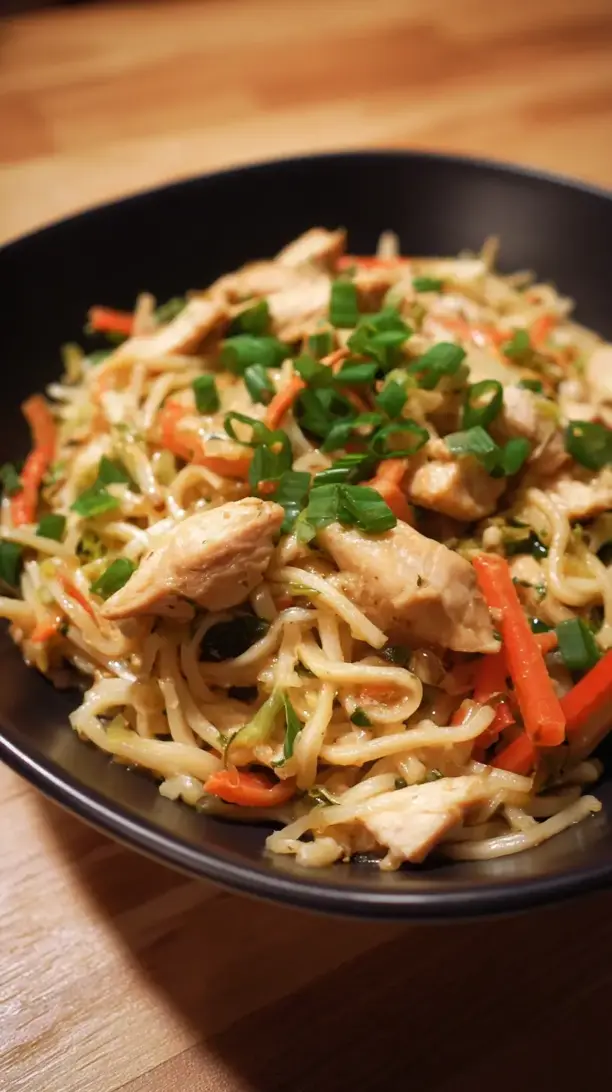
Chicken Chow Mein
Make this easy, low-carb Chicken Chow Mein at home in just 25 minutes. A healthier takeout alternative with a savory sauce. Get the recipe now!
Ingredients
For the Ingredients
-
450 g boneless, skinless chicken thighs (sliced into thin strips)
-
2 packs shirataki noodles or heart of palm noodles (approx. 400 g, thoroughly rinsed and drained)
-
1 tbsp avocado oil or coconut oil
-
1 medium onion (thinly sliced)
-
2 cloves garlic (minced)
-
1 tbsp fresh ginger (grated)
-
1 red bell pepper (julienned)
-
2 stalks celery (thinly sliced on a diagonal)
-
100 g bean sprouts
-
2 spring onions (sliced (green and white parts separated))
-
3 tbsp coconut aminos or sugar-free soy sauce
-
1 tbsp rice vinegar
-
1 tsp sesame oil
-
0.5 tsp erythritol or your preferred granulated sugar substitute
-
0.25 tsp white pepper
-
1 tbsp oyster sauce (optional, for extra depth)
Instructions
-
Start by preparing your low-carb noodles. Drain the shirataki or heart of palm noodles from their packaging and give them a really good rinse under cold, running water for a solid minute. This step is non-negotiable for shirataki noodles to ensure a neutral taste. Then, spread them out on a few layers of paper towels and pat them firmly until they’re as dry as you can get them. You can even give them a quick dry-toast in a separate, hot pan for a few minutes to evaporate any remaining moisture—this makes a world of difference in their final texture.01
-
While your noodles are draining, mix your sauce. In a small bowl or a measuring jug, combine the coconut aminos, rice vinegar, sesame oil, your sugar substitute, white pepper, and the optional oyster sauce. Whisk it all together until the sweetener has dissolved. Doing this now means the flavors can start to meld, and you won’t be fumbling with bottles when you need to add it to the wok in a hurry.02
-
Now, heat your wok or large skillet over a high heat. You want it to be seriously hot—a drop of water should skitter and evaporate instantly. Add half of the avocado oil and swirl it around to coat the surface. Add your sliced chicken in a single layer, if possible, and let it sear for about a minute without moving it. This creates a nice golden crust. Then, stir-fry for another 2-3 minutes until the chicken is just cooked through. Remove the chicken from the wok and set it aside on a plate.03
-
Add the remaining oil to the hot wok. Toss in the sliced onion and the white parts of your spring onions. Stir-fry for about a minute until they just start to soften. Then, add the garlic and ginger—you’ll notice the most incredible aroma blooming almost immediately. Cook for just 30 seconds, stirring constantly, to prevent them from burning.04
-
It’s time for the remaining veggies. Add the julienned bell pepper and sliced celery to the wok. Stir-fry for another 2-3 minutes. You’re aiming for a vibrant color and a tender-crisp texture—they should still have a good bite to them. You don’t want them to go soft and mushy.05
-
Push the vegetables to one side of the wok. Add your prepared, dried noodles to the empty space. Let them sit for 30 seconds to warm through and maybe pick up a little sear from the hot surface. Then, toss everything in the wok together—the noodles, the vegetables, all of it.06
-
Return the cooked chicken and any accumulated juices back to the wok. Give it all a good toss to combine. Now, pour your pre-mixed sauce over everything. It should hit the hot surface and sizzle and bubble up immediately. Toss continuously for about a minute, until the sauce thickens slightly and coats every single strand of noodle and piece of chicken and vegetable in a beautiful, glossy sheen.07
-
Finally, turn off the heat. Add the bean sprouts and the green parts of the spring onions. Toss them through—the residual heat will wilt the bean sprouts just slightly while keeping them wonderfully crunchy. Do a final taste test and adjust seasoning if needed, perhaps with an extra splash of coconut aminos. Serve immediately while it’s piping hot and wonderfully fragrant.08
Not what you're looking for?