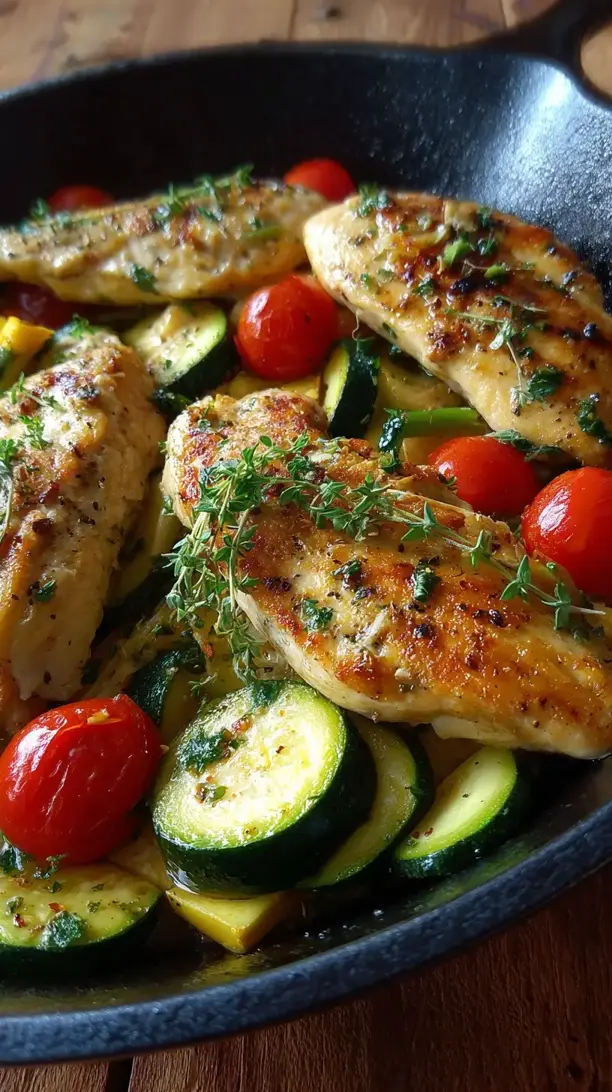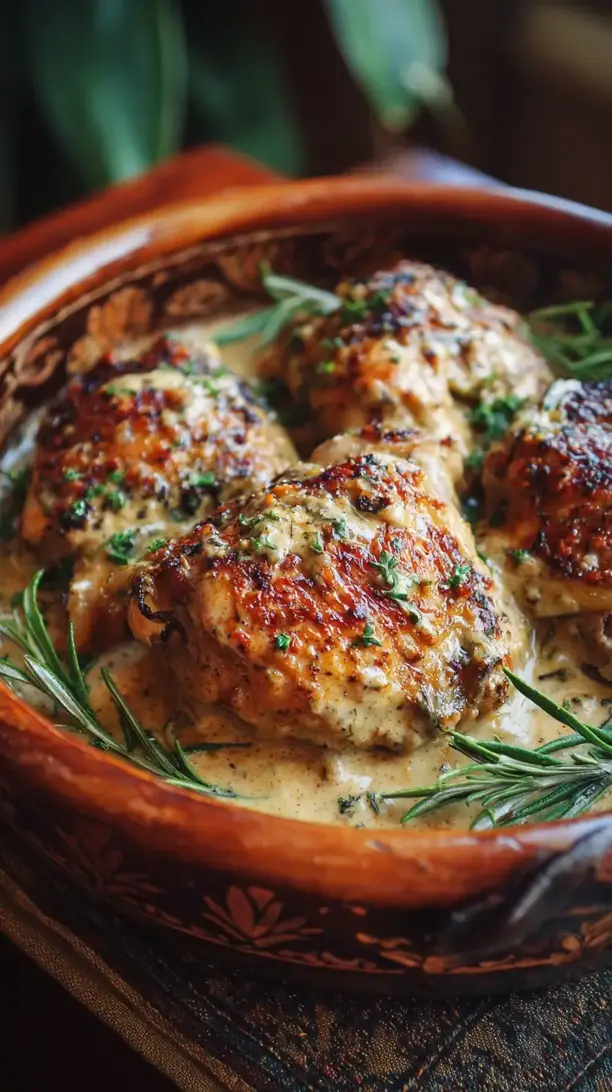
Chicken Francese is a restaurant-quality dish that feels fancy but is surprisingly simple to make. Tender cutlets are coated in a light egg batter, pan-fried until golden, and simmered in a vibrant lemon-butter-white wine sauce. This Chicken Francese recipe delivers pure comfort with bright, elegant flavors perfect for any night.
Craving a delicious Chicken Francese? You've come to the right spot! From Chicken Breast Recipes favorites to amazing Burgers recipes, there's something here for everyone.

Why You’ll Love This Chicken Francese
- Surprisingly Simple: Uses straightforward techniques you likely already know.
- Sauce is Everything: A velvety, balanced lemon-butter-wine coating that feels luxurious.
- Lighter Than You Think: Delicate egg-flour coating instead of a heavy, crunchy crust.
- Total Crowd-Pleaser: Impresses everyone with familiar yet sophisticated flavors.
Ingredients & Tools
- 4 boneless, skinless chicken breasts (about 1.5 lbs / 680 g)
- 1/2 cup all-purpose flour
- 3 large eggs
- 1/4 cup grated Parmesan cheese
- 1/2 cup dry white wine (like Sauvignon Blanc or Pinot Grigio)
- 1 cup chicken broth
- 2 lemons
- 4 tbsp unsalted butter, divided
- 2 tbsp olive oil
- 2 tbsp fresh parsley, chopped
- 1 tsp kosher salt, plus more to taste
- 1/2 tsp freshly ground black pepper
- 2 cloves garlic, minced
Tools: A large skillet (non-stick or stainless steel), meat mallet or rolling pin, two shallow dishes, whisk, tongs, microplane or zester.
Notes: Don’t skip the wine—it adds crucial acidity. Fresh lemon juice and parsley at the end are non-negotiable for fresh flavor.
Nutrition (per serving)
| Calories: | 420 kcal |
| Protein: | 35 g |
| Fat: | 22 g |
| Carbs: | 15 g |
| Fiber: | 1 g |
Serves: 4 | Prep Time: 15 minutes | Cook Time: 20 minutes | Total Time: 35 minutes
Before You Start: Tips & Ingredient Notes
- Pound Your Chicken Evenly. This is the single most important step for ensuring your chicken cooks quickly and evenly. An uneven cutlet means some parts will be dry while others are undercooked. Aim for a consistent 1/4 to 1/2-inch thickness.
- Why Dry White Wine? You want a wine that’s crisp and acidic, not oaky or sweet. A Sauvignon Blanc or Pinot Grigio is perfect. The alcohol cooks off, leaving behind a complex flavor that you just can’t get from broth alone. If you must substitute, use more broth and a extra tablespoon of lemon juice.
- Don’t Skip the Parmesan in the Egg Wash. It might seem like a small addition, but grating a little Parmesan right into your egg wash adds a subtle savory, umami depth to the coating that makes a world of difference. It’s my little secret weapon.
- Have Everything Prepped (Mise en Place). Once you start cooking, things move quickly. Have your chicken pounded, your flour and egg wash ready, and your sauce ingredients measured and within arm’s reach. This prevents burning and makes the whole process smooth and enjoyable.
How to Make Chicken Francese
Step 1: Prepare the Chicken. Place one chicken breast between two sheets of plastic wrap or in a large zip-top bag. Using the flat side of a meat mallet or a heavy rolling pin, gently pound the chicken until it’s an even 1/4 to 1/2-inch thickness. Repeat with all breasts. Pat them completely dry with paper towels—this is key for the coating to stick—and season both sides generously with salt and pepper.
Step 2: Set Up Your Dredging Stations. You’ll need two shallow dishes. In the first, spread out the all-purpose flour. In the second, crack the three eggs and whisk them vigorously until they are completely smooth and frothy. Whisk in the grated Parmesan cheese. Having your stations set up in an assembly line (chicken -> flour -> egg -> skillet) makes the process incredibly efficient.
Step 3: Dredge and Coat the Chicken. Take one pounded chicken cutlet and dredge it thoroughly in the flour, shaking off any excess. You just want a very light, even dusting. Next, dip it into the egg-Parmesan mixture, letting the excess drip back into the bowl. The chicken should be fully coated in that golden, cheesy egg wash. Set it on a clean plate and repeat with the remaining cutlets.
Step 4: Pan-Fry to Golden Perfection. Heat 2 tablespoons of olive oil and 1 tablespoon of butter in your large skillet over medium-high heat. Once the butter is melted and foaming, carefully add the chicken cutlets. Don’t overcrowd the pan—cook in two batches if needed. Cook for about 3-4 minutes per side, until the coating is a beautiful, deep golden brown and the chicken is cooked through. Transfer the cooked chicken to a clean plate and tent loosely with foil.
Step 5: Build the Incredible Lemon-Butter Sauce. Reduce the heat to medium. Add the minced garlic to the same skillet and sauté for just 30 seconds until fragrant—be careful not to burn it! Pour in the white wine to deglaze the pan, using a wooden spoon to scrape up all those delicious browned bits from the bottom. Let the wine simmer and reduce by about half, which should take 2-3 minutes.
Step 6: Finish and Simmer the Sauce. Stir in the chicken broth, the juice of one lemon, and the zest of half a lemon. Let this simmer for another 3-4 minutes to allow the flavors to meld and the liquid to reduce slightly. You’ll notice the sauce will start to look a bit thicker and more cohesive. Now, turn off the heat and swirl in the remaining 3 tablespoons of cold butter, one piece at a time. This process, called mounting with butter (monter au beurre), gives the sauce its signature glossy, velvety texture.
Step 7: Bring It All Together. Return all the cooked chicken cutlets back to the skillet, along with any accumulated juices from the plate. Spoon that glorious sauce over the top of each piece and let everything heat through for a minute or two. Just before serving, sprinkle with the fresh chopped parsley and add an extra squeeze of the second lemon if you love a really bright, tangy kick.
Storage & Freshness Guide
- Fridge: Store in an airtight container for up to 3 days.
- Freezer: Freeze (without fresh parsley) for up to 2 months; thaw in fridge before reheating.
- Reviving: Reheat gently in a covered skillet with a splash of broth to maintain moisture.
Serving Suggestions
Complementary Dishes
- Angel Hair Pasta or Linguine — The thin, delicate strands are perfect for twirling and soaking up every last drop of that lemony, buttery sauce. It’s a classic pairing for a reason.
- Garlic Mashed Potatoes — For the ultimate comfort food plate, creamy, fluffy mashed potatoes make a fantastic base for the chicken and sauce, creating a wonderful contrast in textures.
- Simple Arugula Salad — The peppery bite of arugula dressed with just a squeeze of lemon and a drizzle of olive oil provides a fresh, crisp counterpoint to the rich chicken.
Drinks
- A Crisp Sauvignon Blanc — The same wine you used in the sauce will pair beautifully on the side, echoing the citrus and herbal notes and cutting through the richness of the butter.
- Sparkling Water with Lemon — A non-alcoholic option that still feels celebratory; the bubbles and citrus cleanse the palate beautifully between bites.
Something Sweet
- Lemon Sorbet — Continuing the citrus theme with a light, refreshing, and palate-cleansing dessert that feels like a perfect, clean finish to the meal.
- Panna Cotta with a Berry Compote — The smooth, creamy, and subtly sweet panna cotta provides a lovely, elegant contrast to the tangy and savory main course.
Top Mistakes to Avoid
- Mistake: Overcrowding the Pan. If you put too many cutlets in the skillet at once, the temperature drops dramatically. This causes the chicken to steam instead of sauté, resulting in a soggy, greasy coating rather than a crisp, golden one. Cook in batches for the best texture.
- Mistake: Burning the Garlic. Garlic burns in a heartbeat and will turn your entire sauce bitter. After you’ve fried the chicken, let the pan cool for a minute before adding the garlic, and only sauté it for 30 seconds until it’s just fragrant.
- Mistake: Adding Cold Butter Too Fast. When finishing the sauce, you must take the pan off the heat and add the butter gradually, swirling constantly. If the pan is too hot or you dump it all in at once, the sauce can “break,” meaning the fat will separate, and you’ll lose that silky emulsion.
- Mistake: Skipping the Resting Step. Letting the cooked chicken rest for a few minutes before adding it back to the sauce allows the juices to redistribute. If you slice into it immediately, all those precious juices will run out onto the cutting board.
Expert Tips
- Tip: Use a Microplane for Zest. A microplane grater gives you super-fine zest with no bitter white pith. This distributes the potent lemon oil throughout the sauce seamlessly, giving you maximum flavor without any textural bits.
- Tip: Keep Your Cooked Chicken Warm. When you set your cooked chicken aside, tent it loosely with foil. Don’t seal it tightly, or the steam will make the beautiful crispy coating soft. A loose tent keeps it warm without sacrificing texture.
- Tip: Taste and Adjust Your Sauce at the End. Sauce not lemony enough? Add another squeeze. Needs salt? Add it now. The final seasoning is crucial. Remember, you can always add more, but you can’t take it out.
- Tip: For a Thicker Sauce. If you prefer a thicker, more gravy-like consistency, you can make a quick slurry by mixing a teaspoon of flour with a tablespoon of cold water and whisking it into the simmering sauce before you add the final butter.
FAQs
Can I make Chicken Francese ahead of time?
You can prepare the components ahead, but it’s best served fresh. You can pound the chicken and set up your dredging stations a few hours in advance. For the best texture, cook the chicken and make the sauce just before serving. If you must reheat, do it gently in a covered skillet with a splash of broth to keep the chicken from drying out.
What’s the difference between Chicken Francese and Chicken Piccata?
The main difference is in the coating and the capers! Chicken Francese is dipped in flour, then an egg wash, resulting in a soft, delicate coating. Chicken Piccata is typically dredged in flour only, giving it a slightly crisper texture, and the sauce almost always includes capers, giving it a briny, salty punch that Francese doesn’t have.
I don’t drink alcohol. What can I use instead of white wine?
No problem! You can substitute with an equal amount of additional chicken broth. To make up for the lost acidity, add an extra tablespoon of fresh lemon juice and maybe a tiny splash of white wine vinegar or even a pinch of sugar to mimic the complexity of the wine.
Why did my egg coating fall off the chicken?
This usually happens for one of two reasons: the chicken wasn’t patted completely dry before dredging, or the oil in your pan wasn’t hot enough. Moisture on the chicken prevents the flour from sticking, and if the pan isn’t hot, the egg will soak into the flour instead of setting immediately, causing it to slide off.
Can I use chicken thighs instead of breasts?
Absolutely! Boneless, skinless chicken thighs will work wonderfully and are actually more forgiving and flavorful. You’ll still want to pound them to an even thickness for consistent cooking. Just note that the cooking time might be a minute or two longer due to their higher fat content.



Chicken Francese
Learn how to make classic Chicken Francese with a light egg coating and a vibrant lemon-butter-wine sauce. This easy, elegant recipe is perfect for any night. Get the recipe now!
Ingredients
For the Ingredients
-
4 boneless, skinless chicken breasts (about 1.5 lbs / 680 g)
-
1/2 cup all-purpose flour
-
3 large eggs
-
1/4 cup grated Parmesan cheese
-
1/2 cup dry white wine (like Sauvignon Blanc or Pinot Grigio)
-
1 cup chicken broth
-
2 lemons
-
4 tbsp unsalted butter (divided)
-
2 tbsp olive oil
-
2 tbsp fresh parsley (chopped)
-
1 tsp kosher salt (plus more to taste)
-
1/2 tsp freshly ground black pepper
-
2 cloves garlic (minced)
Instructions
-
Place one chicken breast between two sheets of plastic wrap or in a large zip-top bag. Using the flat side of a meat mallet or a heavy rolling pin, gently pound the chicken until it's an even 1/4 to 1/2-inch thickness. Repeat with all breasts. Pat them completely dry with paper towels—this is key for the coating to stick—and season both sides generously with salt and pepper.01
-
You’ll need two shallow dishes. In the first, spread out the all-purpose flour. In the second, crack the three eggs and whisk them vigorously until they are completely smooth and frothy. Whisk in the grated Parmesan cheese. Having your stations set up in an assembly line (chicken -> flour -> egg -> skillet) makes the process incredibly efficient.02
-
Take one pounded chicken cutlet and dredge it thoroughly in the flour, shaking off any excess. You just want a very light, even dusting. Next, dip it into the egg-Parmesan mixture, letting the excess drip back into the bowl. The chicken should be fully coated in that golden, cheesy egg wash. Set it on a clean plate and repeat with the remaining cutlets.03
-
Heat 2 tablespoons of olive oil and 1 tablespoon of butter in your large skillet over medium-high heat. Once the butter is melted and foaming, carefully add the chicken cutlets. Don’t overcrowd the pan—cook in two batches if needed. Cook for about 3-4 minutes per side, until the coating is a beautiful, deep golden brown and the chicken is cooked through. Transfer the cooked chicken to a clean plate and tent loosely with foil.04
-
Reduce the heat to medium. Add the minced garlic to the same skillet and sauté for just 30 seconds until fragrant—be careful not to burn it! Pour in the white wine to deglaze the pan, using a wooden spoon to scrape up all those delicious browned bits from the bottom. Let the wine simmer and reduce by about half, which should take 2-3 minutes.05
-
Stir in the chicken broth, the juice of one lemon, and the zest of half a lemon. Let this simmer for another 3-4 minutes to allow the flavors to meld and the liquid to reduce slightly. You’ll notice the sauce will start to look a bit thicker and more cohesive. Now, turn off the heat and swirl in the remaining 3 tablespoons of cold butter, one piece at a time. This process, called mounting with butter (monter au beurre), gives the sauce its signature glossy, velvety texture.06
-
Return all the cooked chicken cutlets back to the skillet, along with any accumulated juices from the plate. Spoon that glorious sauce over the top of each piece and let everything heat through for a minute or two. Just before serving, sprinkle with the fresh chopped parsley and add an extra squeeze of the second lemon if you love a really bright, tangy kick.07
Not what you're looking for?