
Chicken Francese is a classic Italian-American dish that feels fancy but is simple enough for a weeknight. Tender chicken cutlets are dipped in a lemony egg batter, pan-fried until golden, and served in a silky lemon-butter-wine sauce. This Chicken Francese recipe delivers restaurant-quality flavor with an approachable method.
Nothing beats a great Chicken Francese. Whether you're a fan of Chicken Recipes or want to try something from our Dinner Ideas selection, keep scrolling!
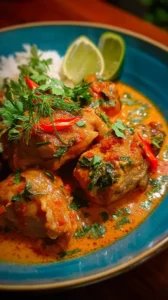


Why You’ll Love This Chicken Francese
Deceptively simple: Elegant yet approachable, perfect for building kitchen confidence.
Sauce is everything: A vibrant, lemony, buttery pan sauce that coats the chicken perfectly.
Incredibly versatile: Pairs beautifully with pasta, potatoes, roasted veggies, or salad.
Dreamy texture: An egg-based coating gives a tender, soufflé-like exterior that soaks up the sauce.
Ingredients & Tools
- 4 boneless, skinless chicken breasts (about 1.5 lbs / 680 g)
- 1/2 cup (60 g) all-purpose flour
- 3 large eggs
- 1/4 cup (60 ml) fresh lemon juice (from about 2 lemons)
- 1/2 cup (120 ml) dry white wine, like Sauvignon Blanc or Pinot Grigio
- 1 cup (240 ml) chicken broth
- 4 tablespoons (57 g) unsalted butter, divided
- 2 tablespoons olive oil
- 1/4 cup (15 g) fresh parsley, finely chopped
- 1 lemon, thinly sliced, for garnish
- To taste, kosher salt and freshly ground black pepper
Tools: A large skillet (stainless steel or cast iron works best), meat mallet or rolling pin, three shallow dishes for dredging, whisk, and tongs.
Notes: Don’t skimp on fresh lemon juice—it’s the star. Bottled juice can’t replicate the bright flavor. A good, drinkable dry white wine adds subtle acidity and depth to the sauce.
Nutrition (per serving)
| Calories: | 420 kcal |
| Protein: | 38 g |
| Fat: | 22 g |
| Carbs: | 12 g |
| Fiber: | 1 g |
Serves: 4 | Prep Time: 15 minutes | Cook Time: 20 minutes | Total Time: 35 minutes
Before You Start: Tips & Ingredient Notes
- Pound your chicken evenly. This is the single most important step for ensuring your chicken cooks quickly and evenly. An uneven cutlet means some parts will be overcooked and dry while others are still raw. Aim for an even 1/4 to 1/2-inch thickness.
- Why a dry white wine? You want a wine that’s crisp and high in acidity, like a Sauvignon Blanc. It will deglaze the pan beautifully, lifting all those delicious browned bits (the fond) and adding complexity to the sauce without making it sweet. If you prefer not to cook with wine, you can substitute with additional chicken broth and a teaspoon of white wine vinegar.
- Get your mise en place ready. This recipe moves quickly once you start cooking the sauce. Have your lemon juice measured, wine and broth ready to pour, and butter sliced. This prevents you from scrambling and potentially burning your sauce components.
- Don’t crowd the pan. When browning the chicken, give each piece plenty of space. If you overcrowd the skillet, the chicken will steam instead of developing that beautiful, delicate golden crust. Cook in two batches if your pan isn’t large enough.
How to Make Chicken Francese
Step 1: Prepare the Chicken. Place each chicken breast between two sheets of plastic wrap or in a large zip-top bag. Using the flat side of a meat mallet or a rolling pin, gently pound the chicken until it’s an even 1/4 to 1/2-inch thickness. This is crucial for tender, quick-cooking cutlets. Season both sides generously with salt and pepper.
Step 2: Set Up Your Dredging Station. You’ll need three shallow dishes. In the first, place the all-purpose flour. In the second, whisk the eggs together with a pinch of salt and pepper until they are smooth and uniform. In the third… well, there is no third for dry ingredients! The magic of Francese is that the egg wash is the final coating before it hits the pan.
Step 3: Dredge the Chicken. Take one seasoned chicken cutlet and dredge it thoroughly in the flour, shaking off any excess. You want just a light, even dusting. Next, dip the floured cutlet directly into the beaten egg, ensuring it’s fully coated on both sides. Let any excess egg drip back into the bowl. This egg coating is what gives Chicken Francese its signature tender, almost custardy exterior.
Step 4: Pan-Fry to Golden Perfection. Heat 2 tablespoons of olive oil and 2 tablespoons of the butter in your large skillet over medium-high heat. Once the butter is melted and foaming, carefully add the chicken cutlets. Don’t overcrowd—cook in batches if needed. Cook for about 3-4 minutes per side, until the egg coating is set, golden brown, and the chicken is cooked through. You’ll notice the color is a beautiful pale gold, not a deep brown. Remove the chicken to a plate and set aside.
Step 5: Create the Legendary Sauce. Reduce the heat to medium. Pour the white wine into the same skillet—it will sizzle and steam dramatically. Use your whisk to scrape up all the browned bits from the bottom of the pan; that’s pure flavor! Let the wine reduce by about half, which will take 1-2 minutes. Now, add the chicken broth and fresh lemon juice. Let this simmer for another 3-4 minutes until it reduces and slightly thickens.
Step 6: Finish and Mount with Butter. This is the chef’s trick for a glossy, restaurant-quality sauce. Cut the remaining 2 tablespoons of butter into small cubes. Remove the skillet from the heat and whisk in the cold butter, one piece at a time, until it’s fully melted and emulsified into the sauce. This process, called mounting with butter (monter au beurre), creates a velvety, rich texture without breaking. Stir in half of the chopped parsley. Taste the sauce and adjust seasoning with more salt or pepper if needed.
Step 7: Bring It All Together. Return the cooked chicken cutlets and any accumulated juices back to the skillet, spooning the glorious sauce over the top. Let them warm through for a minute over low heat so they soak up some of that lemony goodness. Garnish with the remaining fresh parsley and those pretty lemon slices for a burst of color and freshness.
Storage & Freshness Guide
- Fridge: Store chicken and sauce together in an airtight container for up to 3 days.
- Freezer: Freeze in a sealed container for up to 1 month. Thaw in fridge before reheating.
- Reviving: Gently reheat in a covered skillet over low heat with a splash of broth or water to loosen sauce.
Serving Suggestions
Complementary Dishes
- Angel Hair Pasta or Linguine — The ultimate vehicle for that incredible lemon-butter sauce. Toss the pasta right in the skillet to coat every strand.
- Garlic Mashed Potatoes — Creamy, fluffy potatoes create a dreamy base for the chicken and act as a perfect sauce-soaking sponge.
- Simple Arugula Salad — The peppery bite of arugula with a light lemon vinaigrette provides a crisp, refreshing counterpoint to the rich chicken.
- Roasted Asparagus — Their earthy flavor and slight char pair wonderfully with the bright, citrusy notes of the Francese.
Drinks
- A Crisp Sauvignon Blanc — The same wine you used in the sauce will be a perfect match, echoing those citrus and herbal notes beautifully.
- Sparkling Water with Lemon — A non-alcoholic option that keeps the meal feeling light and fresh, cleansing the palate between bites.
- A Light Italian Red like Chianti — If you prefer red, a youthful Chianti with its bright acidity can stand up to the lemon without overpowering it.
Something Sweet
- Lemon Sorbet — A no-brainer finish that doubles down on the citrus theme in the most refreshing, palate-cleansing way.
- Panna Cotta with a Berry Compote — The cool, creamy, and subtly sweet panna cotta provides a lovely, smooth contrast to the tangy main course.
- Almond Biscotti — For a lighter end, these crunchy, nutty cookies are perfect for dipping into a cup of espresso.
Top Mistakes to Avoid
- Mistake: Skipping the pounding step. I’ve messed this up before too, thinking I could just cook a thicker breast a little longer. It never works. You end up with a tough, overcooked exterior before the inside is done, and the delicate egg coating suffers.
- Mistake: Letting the pan get too hot for the sauce. If your skillet is screaming hot when you add the wine and broth, the liquid can evaporate too quickly before the flavors have a chance to meld. A gentle simmer is what you’re after for sauce-making.
- Mistake: Adding the butter while the pan is still on high heat. This is the most common way to break your sauce. The butter will separate, leaving you with a greasy, oily pool instead of a smooth, emulsified sauce. Always take the pan off the heat before whisking in the butter.
- Mistake: Using bottled lemon juice. It sounds like a small thing, but the flavor is flat and often has a chemical aftertaste. Freshly squeezed lemon juice is non-negotiable for the vibrant, sunny flavor that defines this dish.
Expert Tips
- Tip: Use a thermometer for perfect chicken. The most reliable way to know your chicken is done? An instant-read thermometer. Pull the cutlets at 165°F (74°C). They’ll carry over to a perfect, juicy temperature while resting.
- Tip: Add a splash of heavy cream. For an even richer, more decadent sauce, whisk in 2-3 tablespoons of heavy cream along with the butter at the very end. It adds a lovely velvety texture and mellows the sharp lemon just a touch.
- Tip: Make it ahead for a dinner party. You can pound and dredge the chicken cutlets a few hours in advance. Keep them layered between parchment paper in the fridge. The sauce can also be made ahead and gently reheated, but wait to add the final butter mount until you’re ready to serve.
- Tip: Zest your lemons first. Before you juice them, use a microplane to zest the lemons. You can add a teaspoon of this fresh zest to the sauce or the garnish for an extra punch of citrus aroma and flavor.
FAQs
Can I make Chicken Francese without wine?
Absolutely. You can substitute the 1/2 cup of white wine with an additional 1/2 cup of chicken broth. To mimic the acidity that the wine provides, add a teaspoon of fresh lemon juice or white wine vinegar to the broth. The flavor profile will be slightly different, but it will still be delicious and lemony.
What’s the difference between Chicken Francese and Chicken Piccata?
This is a great question, as they’re often confused! The main difference is in the coating and the sauce. Francese uses an egg-based batter (flour, then egg), resulting in a tender, soft coating. Piccata uses a more traditional flour dredge and is often finished with capers. Francese sauce is lemony and buttery, while Piccata is a sharper, brinier lemon-caper sauce.
Why did my sauce break or look oily?
This almost always happens if the pan is too hot when you add the butter, or if you add the butter all at once instead of gradually. The fat separates from the liquid. To fix it, you can try taking the sauce off the heat and whisking in a tablespoon of cold broth or water to bring it back together. Prevention is easier than the cure, though—always go off-heat for the butter!
Can I use chicken thighs instead of breasts?
You can, but the cooking experience will be different. Thighs have more fat and a stronger flavor, which can stand up to the sauce nicely. However, you’ll still need to pound them to an even thickness, and they may take a minute or two longer to cook through. The texture of the egg coating with the richer dark meat is still wonderful.
How should I store and reheat leftovers?
Store the chicken and sauce together in an airtight container in the refrigerator for up to 3 days. To reheat, gently warm it in a covered skillet over low heat with a tiny splash of broth or water to loosen the sauce. Avoid the microwave if you can, as it can make the chicken rubbery and further risk breaking the sauce.


Chicken Francese
Learn how to make classic Chicken Francese with tender cutlets in a lemony butter-wine sauce. This easy recipe delivers restaurant-quality flavor. Try it tonight!
Ingredients
For the Ingredients
-
4 boneless, skinless chicken breasts (about 1.5 lbs / 680 g)
-
1/2 cup all-purpose flour (60 g)
-
3 large eggs
-
1/4 cup fresh lemon juice (from about 2 lemons, 60 ml)
-
1/2 cup dry white wine (like Sauvignon Blanc or Pinot Grigio, 120 ml)
-
1 cup chicken broth (240 ml)
-
4 tablespoons unsalted butter (divided, 57 g)
-
2 tablespoons olive oil
-
1/4 cup fresh parsley (finely chopped, 15 g)
-
1 lemon (thinly sliced, for garnish)
-
kosher salt and freshly ground black pepper (to taste)
Instructions
-
Place each chicken breast between two sheets of plastic wrap or in a large zip-top bag. Using the flat side of a meat mallet or a rolling pin, gently pound the chicken until it’s an even 1/4 to 1/2-inch thickness. This is crucial for tender, quick-cooking cutlets. Season both sides generously with salt and pepper.01
-
You’ll need three shallow dishes. In the first, place the all-purpose flour. In the second, whisk the eggs together with a pinch of salt and pepper until they are smooth and uniform. In the third… well, there is no third for dry ingredients! The magic of Francese is that the egg wash is the final coating before it hits the pan.02
-
Take one seasoned chicken cutlet and dredge it thoroughly in the flour, shaking off any excess. You want just a light, even dusting. Next, dip the floured cutlet directly into the beaten egg, ensuring it’s fully coated on both sides. Let any excess egg drip back into the bowl. This egg coating is what gives Chicken Francese its signature tender, almost custardy exterior.03
-
Heat 2 tablespoons of olive oil and 2 tablespoons of the butter in your large skillet over medium-high heat. Once the butter is melted and foaming, carefully add the chicken cutlets. Don’t overcrowd—cook in batches if needed. Cook for about 3-4 minutes per side, until the egg coating is set, golden brown, and the chicken is cooked through. You’ll notice the color is a beautiful pale gold, not a deep brown. Remove the chicken to a plate and set aside.04
-
Reduce the heat to medium. Pour the white wine into the same skillet—it will sizzle and steam dramatically. Use your whisk to scrape up all the browned bits from the bottom of the pan; that’s pure flavor! Let the wine reduce by about half, which will take 1-2 minutes. Now, add the chicken broth and fresh lemon juice. Let this simmer for another 3-4 minutes until it reduces and slightly thickens.05
-
This is the chef’s trick for a glossy, restaurant-quality sauce. Cut the remaining 2 tablespoons of butter into small cubes. Remove the skillet from the heat and whisk in the cold butter, one piece at a time, until it’s fully melted and emulsified into the sauce. This process, called mounting with butter (monter au beurre), creates a velvety, rich texture without breaking. Stir in half of the chopped parsley. Taste the sauce and adjust seasoning with more salt or pepper if needed.06
-
Return the cooked chicken cutlets and any accumulated juices back to the skillet, spooning the glorious sauce over the top. Let them warm through for a minute over low heat so they soak up some of that lemony goodness. Garnish with the remaining fresh parsley and those pretty lemon slices for a burst of color and freshness.07
Not what you're looking for?


