Looking for Chicken Katsu inspiration? You'll love what we have! Explore more Chicken Recipes recipes or discover our Appetizer Recipes favorites.

Why You’ll Love This Chicken Katsu
- Unbeatable crunch: Panko creates a shatteringly crisp exterior that stays crunchy.
- Deceptively simple: Just a classic dredging station—no special skills needed.
- Incredibly versatile: Great for sandwiches, curries, salads, or classic presentations.
- Juiciest chicken: Tenderizing and controlled frying lock in natural juices.
Ingredients & Tools
- 2 boneless, skinless chicken breasts (about 150-180 g each)
- 1 tsp fine sea salt
- 1/2 tsp freshly ground black pepper
- 60 g all-purpose flour
- 1 tsp garlic powder
- 2 large eggs
- 1 tbsp milk or water
- 150 g panko breadcrumbs
- Neutral oil for frying (like vegetable, canola, or peanut oil)
- To serve: shredded cabbage, tonkatsu sauce, lemon wedges
Tools: Three shallow bowls or plates, a heavy-bottomed skillet or Dutch oven, a meat mallet or rolling pin, tongs, and a wire rack set over a baking sheet.
Notes: The quality of your panko makes a real difference here—look for the coarser, flakier variety for maximum crunch and texture. And don’t skip the simple seasoning! The salt and pepper penetrate the chicken, creating a well-seasoned foundation that makes all the difference.
Nutrition (per serving)
| Calories: | 480 kcal |
| Protein: | 35 g |
| Fat: | 18 g |
| Carbs: | 42 g |
| Fiber: | 2 g |
Serves: 2 | Prep Time: 15 minutes | Cook Time: 10 minutes | Total Time: 25 minutes
Before You Start: Tips & Ingredient Notes
- Why is the chicken thickness so important? Pounding the chicken to an even 1 cm thickness is non-negotiable. It ensures the meat cooks through at the same rate the crust browns, preventing a burnt exterior with a raw interior.
- Can I use a different type of breadcrumb? You really want to stick with panko. Their light, flaky, and airy structure fries up much crispier and stays crunchier longer than fine, sandy traditional breadcrumbs.
- What’s the best oil for frying? Use a neutral oil with a high smoke point. Vegetable, canola, or peanut oil are perfect. They allow the flavor of the chicken and crust to shine without imparting their own taste.
- Do I need a deep fryer? Absolutely not! A heavy-bottomed skillet with sides that are at least 5 cm deep is ideal. It provides consistent heat and contains the oil safely for a shallow fry.
How to Make Chicken Katsu
Step 1: First, prepare your chicken. Place one chicken breast between two sheets of plastic wrap or inside a large zip-top bag. Using the flat side of a meat mallet or a rolling pin, gently but firmly pound the chicken until it’s an even 1 cm thick all over. This might feel a little therapeutic! Repeat with the second breast. Pat them completely dry with paper towels, then season both sides generously with the salt and pepper.
Step 2: Now, set up your standard breading station. You’ll need three shallow dishes. In the first, whisk together the all-purpose flour and garlic powder. In the second, beat the two eggs with the milk or water until smooth and uniform. The liquid helps thin the egg slightly for a more even coating. In the third and final dish, pour out your panko breadcrumbs. Having this assembly line ready makes the process incredibly smooth and mess-free.
Step 3: It’s dredging time! Take one seasoned chicken breast and coat it thoroughly in the flour mixture, shaking off any excess. A thin, even layer is what you’re after. Next, dip it into the egg wash, letting the excess drip back into the bowl. Finally, press it firmly into the panko breadcrumbs, turning and patting to ensure a thick, clumpy, and complete coating. The trick is to really press the panko on—this creates that iconic, craggy crust.
Step 4: Pour your neutral oil into your heavy-bottomed skillet until it’s about 2 cm deep. Heat it over medium-high heat until it reaches 175°C (350°F). If you don’t have a thermometer, test it by dropping a single panko breadcrumb in; it should sizzle vigorously and turn golden in about 15 seconds. Carefully lay one breaded chicken breast into the hot oil—lay it away from you to avoid splashing.
Step 5: Fry the chicken for about 3-4 minutes per side, using tongs to carefully flip it once the underside is a deep, golden brown. You’ll notice the sound will change from a violent sizzle to a more gentle one as it cooks. The crust should be a beautiful, even golden color. If it’s browning too quickly, reduce the heat slightly. The internal temperature should read 74°C (165°F) when done.
Step 6: As soon as each piece is done, transfer it directly to the wire rack set over a baking sheet. This is crucial! Letting it rest on the rack allows air to circulate all around, preventing the bottom from getting soggy from trapped steam. Let it rest for at least 3-4 minutes before slicing—this allows the juices to redistribute throughout the chicken.
Step 7: To serve, use a sharp knife to slice the katsu against the grain into 2 cm thick strips. This cutting technique ensures each piece is tender and easy to eat. Plate it alongside a bed of finely shredded cabbage, which provides a cool, crisp contrast, and don’t forget the lemon wedges and a generous drizzle of tonkatsu sauce for that perfect sweet, tangy, and savory finish.
Storage & Freshness Guide
- Fridge: Store in an airtight container for up to 2 days.
- Freezer: Freeze on a baking sheet, then transfer to a freezer bag for up to 1 month.
- Reviving: Reheat in a 180°C (350°F) oven or air fryer until hot and crisp.
Serving Suggestions
Complementary Dishes
- Japanese Curry Rice — The rich, spiced gravy is a classic partner for katsu, soaking into the crispy crust in the most delightful way.
- A simple sesame-dressed spinach salad — The earthy, nutty flavors and soft texture provide a beautiful balance to the crunchy, fried chicken.
- Steamed white rice and miso soup — This is the ultimate comfort trio, creating a complete, traditional meal that feels both nourishing and indulgent.
Drinks
- A cold, crisp Japanese lager — The clean, effervescent quality of the beer cuts through the richness of the fried food perfectly.
- Iced barley tea (Mugicha) — Its toasty, slightly bitter notes are a traditional and wonderfully refreshing non-alcoholic pairing.
- A dry Riesling — The wine’s bright acidity and stone fruit notes contrast beautifully with the savory, umami-packed dish.
Something Sweet
- Matcha ice cream — The slight bitterness of the green tea is a sophisticated and refreshing palate cleanser after the savory katsu.
- Mochi ice cream — The chewy, sweet outer layer and cold ice cream center offer a fun and delightful textural end to the meal.
- A simple fruit plate with melon and berries — The natural sweetness and juiciness provide a light, clean finish that feels just right.
Top Mistakes to Avoid
- Mistake: Skipping the pounding step. I’ve messed this up before too, thinking I could just cook it thicker. An uneven chicken breast will cook unevenly, leaving you with dry, overcooked thin parts and potentially undercooked thick parts.
- Mistake: Not heating the oil to the right temperature. If the oil isn’t hot enough, the katsu will absorb too much oil and become greasy. If it’s too hot, the outside will burn before the inside is cooked. A thermometer is your best friend here.
- Mistake: Pressing down on the chicken while it fries. It can be tempting to press it with your spatula, but this squeezes out the precious juices, leading to a drier final product. Just let it be!
- Mistake: Letting the finished katsu sit on a paper towel. This seems logical to soak up grease, but it actually traps steam and makes the bottom of your beautiful crust soggy. Always use a wire rack.
Expert Tips
- Tip: For an extra secure crust, double-dredge the chicken. After the first round of flour, egg, and panko, do a quick second dip in just the egg and panko. This builds a thicker, more textured layer that’s incredibly resilient.
- Tip: Add a tablespoon of oil to your panko breadcrumbs and mix it in with your fingers before breading. This helps the panko toast up to an even more golden and crisp finish in the oil.
- Tip: If you’re making this for a crowd, you can bread the chicken breasts ahead of time and keep them in a single layer on a baking sheet in the fridge for up to 2 hours before frying. This actually helps the coating set and adhere better.
- Tip: To keep cooked katsu warm and crisp for serving, place the wire rack with the chicken in a 95°C (200°F) oven. This keeps it warm without continuing to cook it or losing the crunch.
FAQs
Can I bake Chicken Katsu instead of frying it?
Yes, you can! For a baked version, arrange the breaded chicken on a wire rack set over a baking sheet. Spray or brush both sides generously with oil and bake in a 200°C (400°F) oven for 15-20 minutes, flipping halfway, until golden brown and cooked through. The crust will be slightly less shatteringly crisp than the fried version, but it’s a fantastic lighter alternative that still delivers great flavor and texture.
What can I use if I don’t have tonkatsu sauce?
No worries, it’s easy to whip up a quick substitute. Just mix together 2 tablespoons of ketchup, 1 tablespoon of Worcestershire sauce, 1 teaspoon of soy sauce, and a half teaspoon of sugar. Stir it well and adjust to your taste—maybe a dash of mustard for tang. It’s not an exact replica, but it captures that sweet, savory, and umami-rich profile beautifully.
How do I store and reheat leftovers?
Store any leftover katsu in an airtight container in the refrigerator for up to 2 days. To reheat, never use the microwave—it will turn the crust soft and rubbery. Instead, place it on a wire rack over a baking sheet and warm it in a 180°C (350°F) oven for about 10-12 minutes, until hot and re-crisped. The air fryer also works wonders for this!
Can I use chicken thighs instead of breasts?
Absolutely. Chicken thighs will result in an even more juicy and flavorful katsu due to their higher fat content. Just be sure to remove any excess skin and fat, and pound them to an even thickness as you would with breasts. The cooking time might be slightly shorter, so keep a close eye on them and always check the internal temperature.
Why did my breading fall off during frying?
This usually happens for one of two reasons. First, you might not have shaken off the excess flour properly, creating a barrier that prevents the egg from adhering. Second, the oil might not have been hot enough when the chicken was added, causing the coating to slump off instead of seizing up immediately. A proper dredge and correct oil temperature are the keys to a flawless, intact crust.



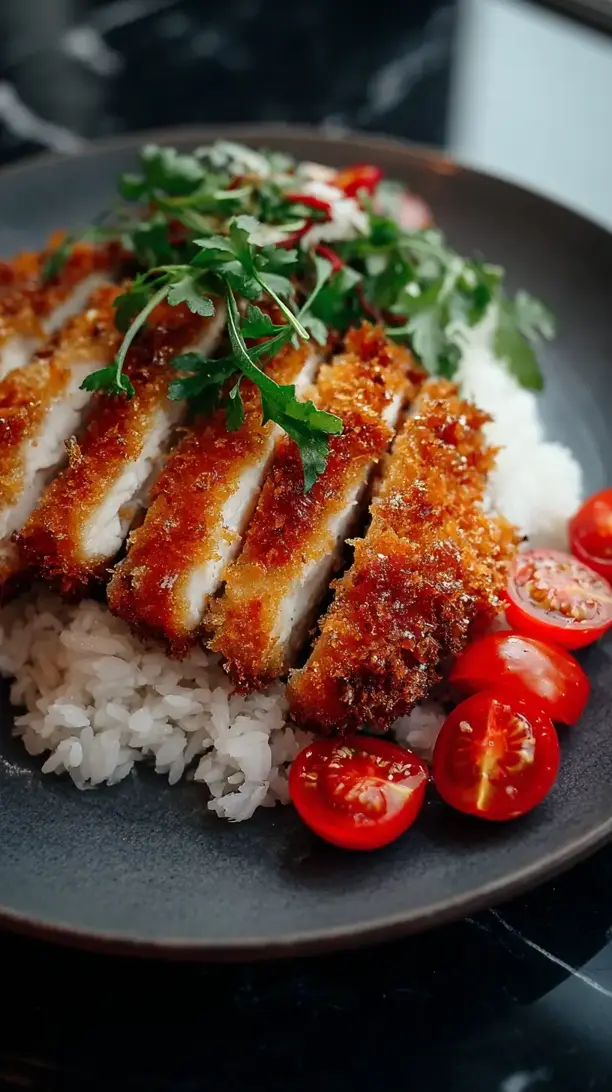
Chicken Katsu
Learn how to make perfect Chicken Katsu with this easy recipe. Get that signature crispy panko crust and juicy chicken every time. Try this Japanese classic tonight!
Ingredients
For the Chicken Katsu:
-
2 boneless, skinless chicken breasts (about 150-180 g each)
-
1 tsp fine sea salt
-
1/2 tsp freshly ground black pepper
-
60 g all-purpose flour
-
1 tsp garlic powder
-
2 large eggs
-
1 tbsp milk or water
-
150 g panko breadcrumbs
-
Neutral oil for frying (like vegetable, canola, or peanut oil)
-
To serve (shredded cabbage, tonkatsu sauce, lemon wedges)
Instructions
-
First, prepare your chicken. Place one chicken breast between two sheets of plastic wrap or inside a large zip-top bag. Using the flat side of a meat mallet or a rolling pin, gently but firmly pound the chicken until it’s an even 1 cm thick all over. This might feel a little therapeutic! Repeat with the second breast. Pat them completely dry with paper towels, then season both sides generously with the salt and pepper.01
-
Now, set up your standard breading station. You’ll need three shallow dishes. In the first, whisk together the all-purpose flour and garlic powder. In the second, beat the two eggs with the milk or water until smooth and uniform. The liquid helps thin the egg slightly for a more even coating. In the third and final dish, pour out your panko breadcrumbs. Having this assembly line ready makes the process incredibly smooth and mess-free.02
-
It’s dredging time! Take one seasoned chicken breast and coat it thoroughly in the flour mixture, shaking off any excess. A thin, even layer is what you’re after. Next, dip it into the egg wash, letting the excess drip back into the bowl. Finally, press it firmly into the panko breadcrumbs, turning and patting to ensure a thick, clumpy, and complete coating. The trick is to really press the panko on—this creates that iconic, craggy crust.03
-
Pour your neutral oil into your heavy-bottomed skillet until it’s about 2 cm deep. Heat it over medium-high heat until it reaches 175°C (350°F). If you don’t have a thermometer, test it by dropping a single panko breadcrumb in; it should sizzle vigorously and turn golden in about 15 seconds. Carefully lay one breaded chicken breast into the hot oil—lay it away from you to avoid splashing.04
-
Fry the chicken for about 3-4 minutes per side, using tongs to carefully flip it once the underside is a deep, golden brown. You’ll notice the sound will change from a violent sizzle to a more gentle one as it cooks. The crust should be a beautiful, even golden color. If it’s browning too quickly, reduce the heat slightly. The internal temperature should read 74°C (165°F) when done.05
-
As soon as each piece is done, transfer it directly to the wire rack set over a baking sheet. This is crucial! Letting it rest on the rack allows air to circulate all around, preventing the bottom from getting soggy from trapped steam. Let it rest for at least 3-4 minutes before slicing—this allows the juices to redistribute throughout the chicken.06
-
To serve, use a sharp knife to slice the katsu against the grain into 2 cm thick strips. This cutting technique ensures each piece is tender and easy to eat. Plate it alongside a bed of finely shredded cabbage, which provides a cool, crisp contrast, and don’t forget the lemon wedges and a generous drizzle of tonkatsu sauce for that perfect sweet, tangy, and savory finish.07
Not what you're looking for?