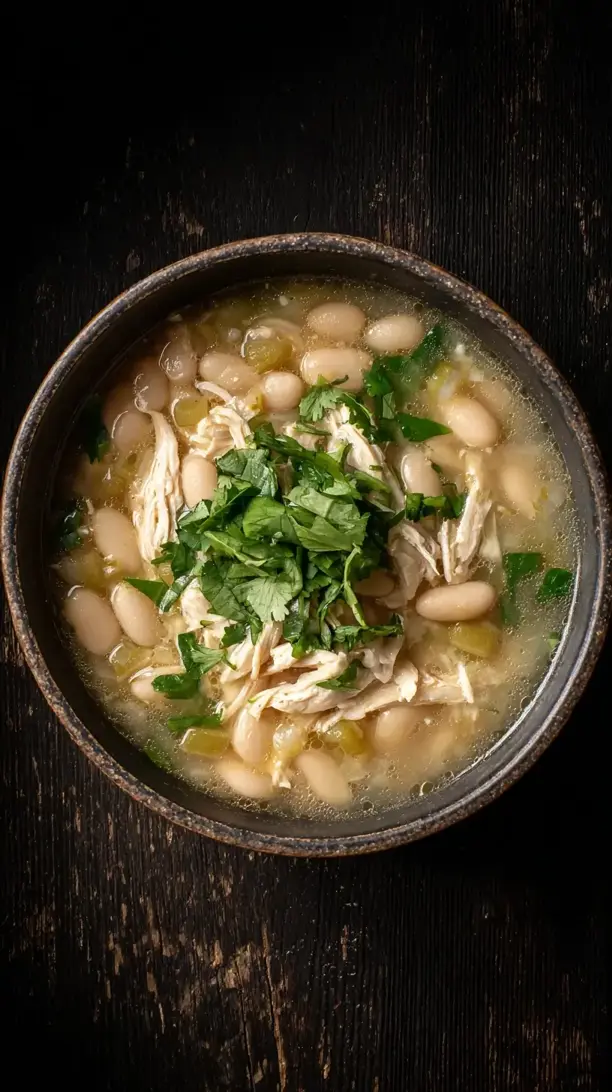
This Chicken Korma is a creamy, gently spiced curry that feels like a warm hug in a bowl. It layers tender chicken with toasted spices, yogurt, and a velvety nut paste for incredible depth. Perfect for a cozy dinner yet elegant enough for guests.
Love Chicken Korma? So do we! If you're into Chicken Recipes or curious about Dessert Recipes, you'll find plenty of inspiration below.



Why You’ll Love This Chicken Korma
- Aromatic & flavorful: Toasted whole spices build a complex, fragrant base.
- Creamy texture: A velvety sauce coats tender chicken perfectly.
- Surprisingly easy: Straightforward process with no special equipment needed.
- Wonderfully adaptable: Adjust heat, protein, or creaminess to your taste.
Ingredients & Tools
- 600 g boneless, skinless chicken thighs, cut into bite-sized pieces
- 150 g plain yogurt (full-fat works best)
- 2 medium onions, finely sliced
- 4 garlic cloves, minced
- 2-inch piece fresh ginger, grated
- 100 g raw cashews or almonds, soaked
- 120 ml single cream (or coconut cream for a dairy-free version)
- 3 tbsp ghee or vegetable oil
- 1 bay leaf
- 4 green cardamom pods
- 2 cloves
- 1 cinnamon stick (about 2 inches)
- 1 tsp cumin seeds
- 1 tsp coriander powder
- 1/2 tsp turmeric powder
- 1/2 tsp Kashmiri red chili powder (for color and mild heat)
- 1/4 tsp nutmeg, freshly grated
- 1 tsp salt, or to taste
- 1 tbsp sugar or honey
- Fresh coriander, for garnish
Tools: A heavy-bottomed pot or Dutch oven, a blender or food processor, and a good wooden spoon.
Notes: The quality of your spices really makes a difference here — if they’ve been sitting in your cupboard for years, it might be time for an update. Freshly grated nutmeg and good-quality cardamom pods will elevate the entire dish.
Nutrition (per serving)
| Calories: | 480 kcal |
| Protein: | 35 g |
| Fat: | 32 g |
| Carbs: | 14 g |
| Fiber: | 2 g |
Serves: 4 | Prep Time: 20 minutes | Cook Time: 40 minutes | Total Time: 1 hour
Before You Start: Tips & Ingredient Notes
- Why use chicken thighs? Thighs have more fat and connective tissue than breast, which means they stay incredibly juicy and tender during the longer cooking time. Breast meat can easily become dry, so thighs are definitely the way to go for this recipe.
- Do I really need to soak the nuts? Yes, honestly, it makes a huge difference. Soaking the cashews or almonds for at least 30 minutes (or in hot water for 15) softens them, which allows them to blend into a super smooth, creamy paste. This paste is what gives the korma its signature velvety texture without needing tons of cream.
- What if I don’t have whole spices? You can use ground versions in a pinch, but the flavor won’t be as deep or aromatic. If you must substitute, use about half the amount of ground spice (e.g., 1/2 tsp ground cardamom instead of pods). But I really recommend seeking out the whole ones — they’re worth it.
- Can I make it ahead of time? Absolutely! In fact, korma often tastes even better the next day after the flavors have had more time to meld. Just cool it completely and store it in an airtight container in the fridge for up to 3 days. Reheat gently on the stove.
How to Make Chicken Korma
Step 1: Start by marinating the chicken. In a medium bowl, combine the yogurt, half of the minced garlic, half of the grated ginger, and a pinch of salt. Add the chicken pieces and mix well until they’re evenly coated. Let this sit at room temperature while you prepare the other ingredients — even 15-20 minutes will help tenderize the chicken and infuse it with flavor.
Step 2: Prepare the nut paste. Drain the soaked cashews or almonds and add them to a blender with about 4-5 tablespoons of water. Blend on high until you have a completely smooth, creamy paste. You might need to stop and scrape down the sides a few times. Set this aside — this is our magic ingredient for that luxurious texture.
Step 3: Cook the onions. Heat the ghee or oil in your heavy-bottomed pot over medium heat. Add the sliced onions and cook, stirring occasionally, for about 12-15 minutes until they’re soft, golden brown, and sweet. Don’t rush this step — the caramelized onions are the flavor foundation of the entire dish. Once they’re ready, remove about a quarter of the onions and set them aside for garnish later.
Step 4: Toast the whole spices. To the pot with the remaining onions, add the bay leaf, cardamom pods, cloves, cinnamon stick, and cumin seeds. Stir for about 60 seconds until they become incredibly fragrant. You’ll notice the aroma change — it becomes warmer and more intense. Then, add the remaining garlic and ginger and cook for another minute.
Step 5: Add the ground spices and chicken. Now, add the coriander powder, turmeric, and Kashmiri red chili powder. Stir quickly for just 20 seconds to cook the spices without burning them. Then, add the marinated chicken along with all the yogurt marinade. Cook for 5-6 minutes, stirring frequently, until the chicken is opaque on the outside and the yogurt mixture has thickened slightly.
Step 6: Simmer with the nut paste. Add the blended nut paste to the pot along with about 200 ml of water. Stir everything together, bring it to a gentle simmer, then reduce the heat to low, cover the pot, and let it cook for 20-25 minutes. The chicken should be cooked through and tender, and the sauce will have thickened nicely.
Step 7: Finish with cream and seasoning. Stir in the single cream, grated nutmeg, sugar (or honey), and salt to taste. Let it heat through for another 2-3 minutes, but don’t let it boil after adding the cream. Finally, stir in most of the fresh coriander. Give it a taste and adjust the seasoning if needed — sometimes a little extra salt or a tiny pinch of sugar can really balance everything out.
Storage & Freshness Guide
- Fridge: Cool completely and store in an airtight container for up to 3 days.
- Freezer: Freeze in a sealed container for up to 3 months. Thaw overnight in fridge before reheating.
- Reviving: Reheat gently on the stove, stirring in a splash of water or cream if sauce has thickened.
Serving Suggestions
Complementary Dishes
- Basmati Rice — The fluffy, slightly fragrant grains are the perfect canvas for the rich korma sauce. For an extra touch, cook the rice with a couple of cardamom pods and a clove.
- Buttery Naan or Roti — There’s nothing better than using soft, warm bread to scoop up every last bit of that creamy sauce from your plate.
- A Simple Cucumber Salad — Thinly sliced cucumber with a squeeze of lemon, a pinch of salt, and some fresh mint provides a cool, refreshing contrast to the richness of the curry.
Drinks
- A chilled Mango Lassi — The sweet, tangy yogurt drink is a classic pairing that complements the spices and cools the palate beautifully.
- Earl Grey Tea — The bergamot in the tea has a lovely floral note that surprisingly works wonderfully with the cardamom and cloves in the korma.
- A light, crisp Lager — A cold beer helps cut through the creaminess and refreshes your taste buds between bites.
Something Sweet
- Gulab Jamun — These warm, syrup-soaked milk solids balls are the ultimate traditional dessert to follow a rich curry. They’re decadent and utterly delicious.
- Kulfi — A dense, creamy Indian ice cream, often flavored with pistachio or cardamom. Its coolness is a perfect ending to the meal.
- Fresh Mango Slices — Sometimes, the simplest option is the best. Sweet, ripe mango is a refreshing and light way to finish.
Top Mistakes to Avoid
- Mistake: Burning the spices. Whole and ground spices can burn in seconds, which will make your entire curry taste bitter. Keep the heat at medium and don’t walk away while they’re toasting.
- Mistake: Cooking on too high heat after adding the cream. High heat can cause the cream to curdle or split, giving the sauce a grainy texture. Always add the cream at the very end and just warm it through gently.
- Mistake: Not cooking the onions long enough. Pale, undercooked onions won’t have developed their natural sweetness, which is crucial for balancing the spices and creating a deep, complex flavor base.
- Mistake: Skipping the marinating step. I’ve been tempted to skip it when I’m in a hurry, but it really does make the chicken more flavorful and tender. It’s a small step with a big payoff.
Expert Tips
- Tip: For an even silkier sauce, you can blend the cooked onion and spice base (before adding the chicken) with a splash of water until smooth. This creates an incredibly fine, restaurant-quality texture.
- Tip: If your sauce seems too thick, don’t be afraid to thin it out with a little hot water or stock. If it’s too thin, let it simmer uncovered for a few more minutes to reduce.
- Tip: To make this dish ahead for a dinner party, you can complete everything up until adding the cream. Let it cool, then refrigerate. Gently reheat the base and stir in the cream just before serving.
- Tip: For a beautiful presentation, garnish with the reserved fried onions, a drizzle of cream, and the remaining fresh coriander. A few extra chopped nuts on top add a lovely textural contrast.
FAQs
Can I make Chicken Korma without nuts?
Yes, you can, though the texture and flavor will be different. The best substitute is to use about 3-4 tablespoons of poppy seeds (soaked and blended) or about 1/4 cup of unsweetened desiccated coconut (soaked and blended). Both will provide a similar thickening effect and a bit of richness, but the flavor profile will shift slightly. Sunflower seed butter thinned with a little water can also work in a real pinch.
How spicy is this recipe?
As written, it’s very mild. Kashmiri red chili powder is used more for its vibrant color than its heat. If you prefer a bit of a kick, you can add a finely chopped green chili when you add the garlic and ginger, or include 1/4 to 1/2 teaspoon of cayenne pepper with the other ground spices. It’s very easy to adjust to your personal heat preference.
Can I use chicken breast instead of thighs?
You can, but you’ll need to be more careful with the cooking time to prevent the breast meat from drying out. Reduce the simmering time in Step 6 to about 15 minutes, and check for doneness early. The chicken is ready when it’s no longer pink in the center and reaches an internal temperature of 74°C.
Is this an authentic Chicken Korma recipe?
This recipe is inspired by the Mughlai style of korma, which is known for its creamy, nut-based sauce and aromatic spices. “Authenticity” can vary greatly from region to region and family to family in India. This version aims to capture the essence of a classic, restaurant-style korma that is achievable in a home kitchen with accessible ingredients.
My sauce split! How can I fix it?
Don’t panic! A split sauce is usually caused by too high heat or adding cold cream to a very hot pan. To fix it, remove the pot from the heat immediately. Take a few tablespoons of the sauce and whisk it vigorously with a tablespoon of cold cream or yogurt in a separate bowl. Then, slowly whisk this mixture back into the main pot. This should help bring the emulsion back together.

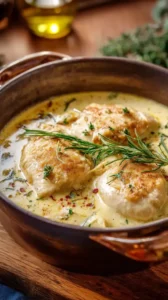


Chicken Korma
Make the best creamy, aromatic Chicken Korma at home with this easy recipe. Tender chicken in a rich, nutty sauce. Get the authentic-tasting recipe now!
Ingredients
For the main ingredients:
-
600 g boneless, skinless chicken thighs (cut into bite-sized pieces)
-
150 g plain yogurt (full-fat works best)
-
2 medium onions (finely sliced)
-
4 garlic cloves (minced)
-
2 inch fresh ginger (grated)
-
100 g raw cashews or almonds (soaked)
-
120 ml single cream (or coconut cream for a dairy-free version)
-
3 tbsp ghee or vegetable oil
-
1 bay leaf
-
4 green cardamom pods
-
2 cloves
-
1 cinnamon stick (about 2 inches)
-
1 tsp cumin seeds
-
1 tsp coriander powder
-
0.5 tsp turmeric powder
-
0.5 tsp Kashmiri red chili powder (for color and mild heat)
-
0.25 tsp nutmeg (freshly grated)
-
1 tsp salt (or to taste)
-
1 tbsp sugar or honey
-
Fresh coriander (for garnish)
Instructions
-
Start by marinating the chicken. In a medium bowl, combine the yogurt, half of the minced garlic, half of the grated ginger, and a pinch of salt. Add the chicken pieces and mix well until they’re evenly coated. Let this sit at room temperature while you prepare the other ingredients — even 15-20 minutes will help tenderize the chicken and infuse it with flavor.01
-
Prepare the nut paste. Drain the soaked cashews or almonds and add them to a blender with about 4-5 tablespoons of water. Blend on high until you have a completely smooth, creamy paste. You might need to stop and scrape down the sides a few times. Set this aside — this is our magic ingredient for that luxurious texture.02
-
Cook the onions. Heat the ghee or oil in your heavy-bottomed pot over medium heat. Add the sliced onions and cook, stirring occasionally, for about 12-15 minutes until they’re soft, golden brown, and sweet. Don’t rush this step — the caramelized onions are the flavor foundation of the entire dish. Once they’re ready, remove about a quarter of the onions and set them aside for garnish later.03
-
Toast the whole spices. To the pot with the remaining onions, add the bay leaf, cardamom pods, cloves, cinnamon stick, and cumin seeds. Stir for about 60 seconds until they become incredibly fragrant. You’ll notice the aroma change — it becomes warmer and more intense. Then, add the remaining garlic and ginger and cook for another minute.04
-
Add the ground spices and chicken. Now, add the coriander powder, turmeric, and Kashmiri red chili powder. Stir quickly for just 20 seconds to cook the spices without burning them. Then, add the marinated chicken along with all the yogurt marinade. Cook for 5-6 minutes, stirring frequently, until the chicken is opaque on the outside and the yogurt mixture has thickened slightly.05
-
Simmer with the nut paste. Add the blended nut paste to the pot along with about 200 ml of water. Stir everything together, bring it to a gentle simmer, then reduce the heat to low, cover the pot, and let it cook for 20-25 minutes. The chicken should be cooked through and tender, and the sauce will have thickened nicely.06
-
Finish with cream and seasoning. Stir in the single cream, grated nutmeg, sugar (or honey), and salt to taste. Let it heat through for another 2-3 minutes, but don’t let it boil after adding the cream. Finally, stir in most of the fresh coriander. Give it a taste and adjust the seasoning if needed — sometimes a little extra salt or a tiny pinch of sugar can really balance everything out.07
Not what you're looking for?