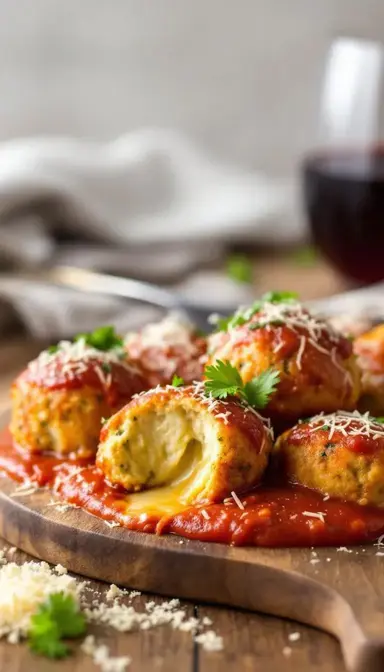
These chicken meatballs are a lighter, incredibly tender alternative to classic beef or pork versions. They’re juicy, packed with fresh herbs and garlic, and come together simply. These versatile chicken meatballs can be simmered in sauce, served over polenta, or tossed through pasta for a comforting meal.
Craving a delicious Chicken Meatballs? You've come to the right spot! From Chicken Recipes favorites to amazing Breakfast & Brunch recipes, there's something here for everyone.


Why You’ll Love This Chicken Meatballs
- Juicy & tender: A bread-and-milk panade ensures they stay moist.
- Fresh, vibrant flavor: Generous parsley and lemon zest brighten each bite.
- Wonderfully versatile: Serve in subs, over pasta, or as an appetizer.
- Freezer-friendly: Make a double batch for easy future meals.
Ingredients & Tools
- 450 g ground chicken (a mix of dark and light meat is ideal)
- 1 large egg, lightly beaten
- 50 g breadcrumbs (panko work great for a lighter texture)
- 60 ml whole milk
- 1 small yellow onion, finely grated
- 2 cloves garlic, minced
- 15 g fresh flat-leaf parsley, finely chopped
- 1 tsp lemon zest
- 1 tsp kosher salt
- 1/2 tsp freshly ground black pepper
- 2 tbsp olive oil, for cooking
Tools: A large mixing bowl, a baking sheet, a large skillet (oven-safe if you plan to finish them in the oven), and a tablespoon cookie scoop (highly recommended for even sizing).
Notes: Don’t skip the panade—it’s the secret for keeping lean ground chicken moist. Grating the onion distributes flavor and moisture without crunchy bits.
Nutrition (per serving)
| Calories: | 285 kcal |
| Protein: | 24 g |
| Fat: | 16 g |
| Carbs: | 9 g |
| Fiber: | 1 g |
Serves: 4 | Prep Time: 15 minutes | Cook Time: 15 minutes | Total Time: 30 minutes
Before You Start: Tips & Ingredient Notes
- Use a light hand with the mixing. Overworking the meatball mixture is the number one cause of tough, dense meatballs. Mix just until the ingredients are combined—a few stray breadcrumbs are totally fine.
- Why grate the onion? Grating the onion, rather than dicing it, gives you all the sweet, savory flavor and moisture without any unpleasant crunchy pieces in the final texture. It makes a huge difference.
- Don’t skip the chill time. After you’ve formed the meatballs, pop them in the fridge for 15-20 minutes. This helps them firm up, which means they’ll hold their shape much better when you cook them.
- Consider the fat content. If you can find ground chicken thigh, or a mix of dark and light meat, go for it. The slightly higher fat content will result in a more flavorful and juicier meatball.
How to Make Chicken Meatballs
Step 1: First, let’s make the panade. In your large mixing bowl, combine the breadcrumbs and milk. Stir it together and let it sit for about five minutes. You’ll notice it forms a thick, paste-like consistency. This is exactly what we want—it’s our moisture insurance policy.
Step 2: To the panade, add the grated onion, minced garlic, chopped parsley, lemon zest, salt, and pepper. Give everything a good stir until it’s well combined. At this stage, it will look like a very herby, wet paste. This is the flavor base for our meatballs.
Step 3: Now, add the ground chicken and the lightly beaten egg to the bowl. This is the crucial part: use your hands or a fork to gently mix everything together. Stop mixing the second you no longer see streaks of egg or bare patches of chicken. Overmixing is the enemy of tenderness!
Step 4: Using damp hands or a tablespoon cookie scoop, portion the mixture into balls, about the size of a generous walnut. Roll them gently between your palms to smooth them out. You should get about 18-20 meatballs. Place them on a plate or baking sheet and refrigerate for 15-20 minutes to firm up.
Step 5: Heat the olive oil in a large skillet over medium heat. Once the oil shimmers, carefully add the meatballs in a single layer, working in batches if needed to avoid crowding the pan. You should hear a gentle sizzle. Cook for 2-3 minutes, until the bottom is a deep golden brown.
Step 6: Gently turn the meatballs and continue cooking, turning occasionally, for another 8-10 minutes. To be sure they’re done, you can cut one open—there should be no pink inside, and the internal temperature should read 74°C on a meat thermometer. They should feel firm to the touch but still have a little give.
Step 7: Once cooked, transfer the meatballs to a plate lined with kitchen paper to drain any excess oil. If you’re finishing them in a sauce, you can add them directly to a simmering tomato or cream sauce at this point and let them bubble away for a few minutes to soak up the flavors.
Storage & Freshness Guide
- Fridge: Cool completely and store in an airtight container for up to 3 days.
- Freezer: Freeze cooked or uncooked meatballs on a parchment-lined tray, then transfer to a freezer bag for up to 3 months.
- Reviving: Reheat gently in a skillet with a splash of sauce or broth, or microwave covered until warm.
Serving Suggestions
Complementary Dishes
- Creamy Polenta — The soft, comforting texture is the perfect bed for these tender meatballs and any sauce you choose. It’s a classic for a reason.
- Zucchini Noodles — For a lighter, low-carb option, a tangle of sautéed zucchini noodles keeps things fresh and lets the meatballs be the star.
- Garlic Bread — Honestly, is there anything better than using a piece of crispy, buttery garlic bread to scoop up the last bits of sauce and a meatball? It’s a non-negotiable side in my house.
Drinks
- A Light Italian Red — A Chianti or a Barbera has enough acidity to cut through the richness without overpowering the delicate chicken flavor.
- Sparkling Water with Lemon — The bubbles and citrus are incredibly refreshing and help cleanse the palate between each delicious, savory bite.
- Pale Ale — The slight bitterness and carbonation of a good pale ale complement the herby, savory notes in the meatballs beautifully.
Something Sweet
- Lemon Sorbet — The bright, clean citrus is a perfect palate-cleanser after a savory meal and feels light and refreshing.
- Panna Cotta — A silky, vanilla-scented panna cotta provides a smooth, cool contrast to the warm, savory main course.
- Amaretti Cookies — These little Italian almond cookies are just sweet enough to end the meal on a high note without being too heavy.
Top Mistakes to Avoid
- Overmixing the meat. This develops the proteins too much, resulting in a tight, rubbery texture. Mix with a light hand and stop as soon as it’s combined.
- Skipping the chill. I’ve messed this up before too, thinking I was in a hurry. Cold meatballs hold their shape in the pan; room-temperature ones can spread and fall apart.
- Crowding the pan. If you put too many meatballs in the skillet at once, they’ll steam instead of sear. You’ll miss out on that beautiful, flavorful brown crust. Cook in batches for the best results.
- Constantly moving them. Once you place a meatball in the hot oil, let it be for a couple of minutes. This allows a proper crust to form, which makes it much easier to turn without it sticking or breaking.
Expert Tips
- Tip: Use a cookie scoop for perfectly even meatballs. Not only does it speed up the process, but it ensures they all cook at the same rate. It’s a tiny tool that makes a big difference.
- Tip: For an extra flavor boost, toast your breadcrumbs. Spread the panko in a dry skillet over medium heat and toast until golden brown before making your panade. It adds a wonderful nutty depth.
- Tip: If you’re adding them to a sauce, slightly undercook them in the pan. Let them finish cooking in the simmering sauce for the last 5 minutes. They’ll absorb the sauce’s flavor and stay supremely juicy.
- Tip: Double the recipe and freeze half. Arrange the uncooked, formed meatballs on a parchment-lined tray, freeze solid, then transfer to a freezer bag. You can cook them straight from frozen, just add a few extra minutes to the cooking time.
FAQs
Can I use ground turkey instead of chicken?
Absolutely! Ground turkey is a fantastic and almost identical substitute. Just be aware that some ground turkey can be even leaner than chicken, so the panade is non-negotiable for keeping them moist. The cooking times and method remain exactly the same.
Can I bake these meatballs instead of pan-frying?
You sure can. Arrange the chilled meatballs on a parchment-lined baking sheet, drizzle with a little oil, and bake at 200°C for about 18-20 minutes, or until cooked through. You won’t get the same all-over crust as pan-frying, but it’s a great hands-off method for a healthier version.
Why did my meatballs turn out tough?
This almost always comes down to overmixing. When you work the meat too much, the proteins tighten and squeeze out moisture, leading to a dense, tough texture. Remember, a light touch is your best friend here. A few unmixed bits are far better than a homogenous, overworked mixture.
How can I tell when they’re fully cooked?
The best way is to use an instant-read meat thermometer inserted into the center of a meatball; it should read 74°C. If you don’t have one, cut one open—the meat should be uniformly white with no signs of pink, and the juices should run clear.
Can I make these gluten-free?
Easily! Just swap the regular breadcrumbs for your favorite gluten-free variety. The recipe works exactly the same way. You could also use crushed gluten-free crackers or even rolled oats that have been pulsed in a food processor.


Chicken Meatballs
Make the best juicy and tender Chicken Meatballs with this easy recipe. Perfect for pasta, subs, or a healthy dinner. Get the step-by-step guide now!
Ingredients
For the Ingredients & Tools
-
450 g ground chicken (a mix of dark and light meat is ideal)
-
1 large egg (lightly beaten)
-
50 g breadcrumbs (panko work great for a lighter texture)
-
60 ml whole milk
-
1 small yellow onion (finely grated)
-
2 cloves garlic (minced)
-
15 g fresh flat-leaf parsley (finely chopped)
-
1 tsp lemon zest
-
1 tsp kosher salt
-
0.5 tsp freshly ground black pepper
-
2 tbsp olive oil (for cooking)
Instructions
-
First, let's make the panade. In your large mixing bowl, combine the breadcrumbs and milk. Stir it together and let it sit for about five minutes. You’ll notice it forms a thick, paste-like consistency. This is exactly what we want—it’s our moisture insurance policy.01
-
To the panade, add the grated onion, minced garlic, chopped parsley, lemon zest, salt, and pepper. Give everything a good stir until it’s well combined. At this stage, it will look like a very herby, wet paste. This is the flavor base for our meatballs.02
-
Now, add the ground chicken and the lightly beaten egg to the bowl. This is the crucial part: use your hands or a fork to gently mix everything together. Stop mixing the second you no longer see streaks of egg or bare patches of chicken. Overmixing is the enemy of tenderness!03
-
Using damp hands or a tablespoon cookie scoop, portion the mixture into balls, about the size of a generous walnut. Roll them gently between your palms to smooth them out. You should get about 18-20 meatballs. Place them on a plate or baking sheet and refrigerate for 15-20 minutes to firm up.04
-
Heat the olive oil in a large skillet over medium heat. Once the oil shimmers, carefully add the meatballs in a single layer, working in batches if needed to avoid crowding the pan. You should hear a gentle sizzle. Cook for 2-3 minutes, until the bottom is a deep golden brown.05
-
Gently turn the meatballs and continue cooking, turning occasionally, for another 8-10 minutes. To be sure they're done, you can cut one open—there should be no pink inside, and the internal temperature should read 74°C on a meat thermometer. They should feel firm to the touch but still have a little give.06
-
Once cooked, transfer the meatballs to a plate lined with kitchen paper to drain any excess oil. If you're finishing them in a sauce, you can add them directly to a simmering tomato or cream sauce at this point and let them bubble away for a few minutes to soak up the flavors.07
Not what you're looking for?