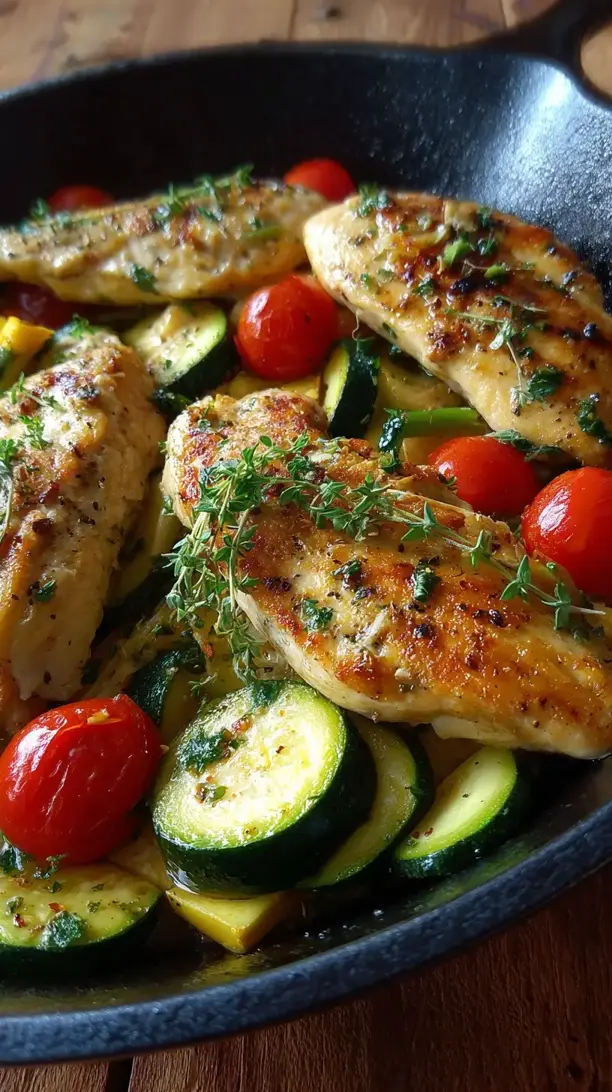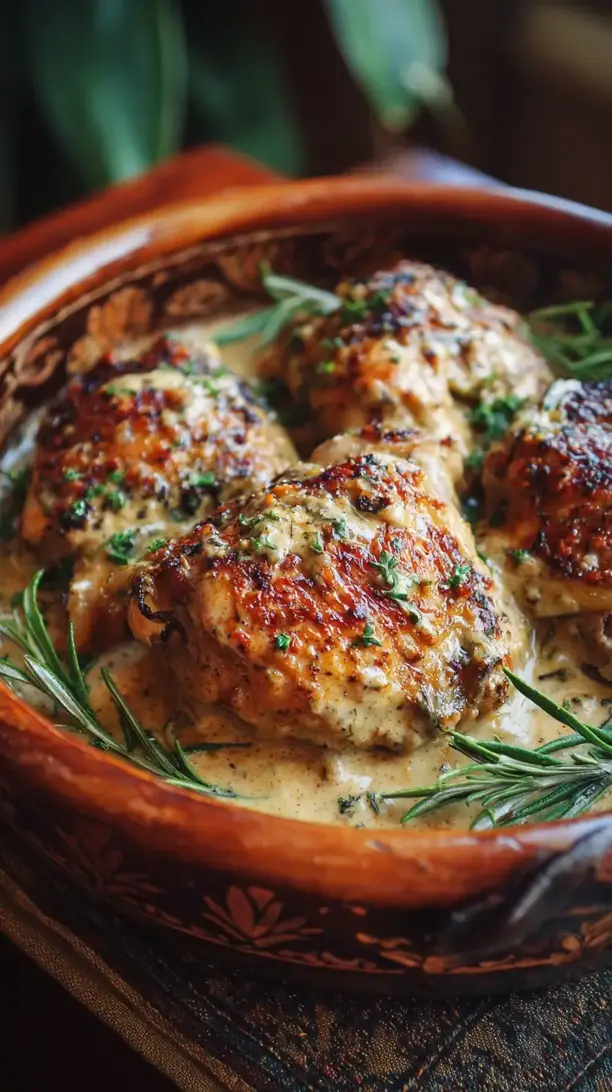
Chicken Piccata is a classic dish that’s both elegant and simple to make. With tender pan-fried chicken and a vibrant lemon-caper sauce, this Chicken Piccata comes together in under 30 minutes. It’s a guaranteed crowd-pleaser for any occasion.
Looking for Chicken Piccata inspiration? You'll love what we have! Explore more Chicken Breast Recipes recipes or discover our Christmas Cookie favorites.

Why You’ll Love This Chicken Piccata
- Quick & Easy: Ready in 30 minutes for a fuss-free fancy meal.
- Incredible Sauce: A rich, tangy, and briny butter-lemon-caper pan sauce.
- Versatile Serving: Pairs perfectly with pasta, potatoes, or a light salad.
- Crowd-Pleasing Flavor: Bright, zesty notes that appeal to all ages.
Ingredients & Tools
- 2 large boneless, skinless chicken breasts
- 1/2 cup all-purpose flour
- 1 tsp kosher salt
- 1/2 tsp freshly ground black pepper
- 4 tbsp unsalted butter, divided
- 2 tbsp olive oil
- 1/2 cup dry white wine (like Sauvignon Blanc or Pinot Grigio)
- 1/3 cup fresh lemon juice (from about 2 large lemons)
- 1/2 cup chicken broth
- 1/4 cup brined capers, rinsed
- 1/4 cup fresh parsley, chopped
Tools: A large skillet (stainless steel or cast iron works best), a meat mallet or heavy pan, a whisk, and a plate for dredging.
Notes: Use freshly squeezed lemon juice for best flavor. Rinse capers to tame saltiness.
Nutrition (per serving)
| Calories: | 420 kcal |
| Protein: | 35 g |
| Fat: | 22 g |
| Carbs: | 16 g |
| Fiber: | 1 g |
Serves: 2 | Prep Time: 15 minutes | Cook Time: 15 minutes | Total Time: 30 minutes
Before You Start: Tips & Ingredient Notes
- Pound that chicken thin and even. This is the single most important step for perfect piccata. An even thickness ensures the chicken cooks through at the same rate, preventing dry, overcooked edges and a raw center. It also creates more surface area for that delicious, golden crust.
- Get your skillet properly hot. You want to hear a definite sizzle when the chicken hits the pan. If the pan isn’t hot enough, the chicken will steam and stick instead of developing a beautiful, crisp sear that adds so much flavor to the final dish.
- Don’t be shy with the seasoning. Season your flour generously with salt and pepper. This is your first and best chance to build layers of flavor right into the crust of the chicken. A well-seasoned dredge makes all the difference.
- Have all your sauce ingredients measured and ready. The sauce comes together in a flash after the chicken is cooked. Having your wine, lemon juice, and broth pre-measured means you can focus on deglazing and reducing without scrambling, which prevents anything from burning.
How to Make Chicken Piccata
Step 1: Prepare the chicken cutlets. Place each chicken breast on a sturdy cutting board and cover with a piece of plastic wrap. Using the flat side of a meat mallet or the bottom of a heavy skillet, gently pound the chicken until it’s an even 1/4-inch thickness. This might feel a little therapeutic, honestly. Pat the chicken dry with a paper towel—this is key for a good sear.
Step 2: Dredge the chicken. On a large plate or shallow dish, combine the flour, salt, and pepper. Dredge each chicken cutlet in the flour mixture, shaking off any excess. You’re aiming for a light, even coating, not a thick, pasty layer. Set the coated cutlets on a clean plate.
Step 3: Pan-fry to golden perfection. Heat 2 tablespoons of the butter and the olive oil in your large skillet over medium-high heat. When the butter has melted and the oil is shimmering, carefully add the chicken cutlets. You should hear that satisfying sizzle. Cook for about 3-4 minutes per side, until the outside is a deep golden brown and the chicken is cooked through. Transfer the chicken to a clean plate and tent loosely with foil to keep warm.
Step 4: Create the iconic sauce. Don’t wipe out the skillet! All those browned bits at the bottom are pure flavor gold. Reduce the heat to medium and pour in the white wine. Use your whisk to scrape up all those delicious browned bits—this is called deglazing. Let the wine simmer and reduce by about half, which will only take a minute or two.
Step 5: Build the lemon-caper base. Stir in the fresh lemon juice, chicken broth, and the rinsed capers. Bring the sauce to a lively simmer and let it cook for another 3-4 minutes, allowing it to reduce and thicken slightly. You’ll notice the sharp smell of the wine mellowing out and the sauce starting to coat the back of a spoon.
Step 6: Finish with butter and parsley. Turn off the heat. Swirl in the remaining 2 tablespoons of cold butter, one piece at a time, whisking constantly. This process, called mounting with butter (monter au beurre), gives the sauce a lovely gloss and a velvety texture. Stir in the fresh parsley for a burst of color and freshness.
Step 7: Bring it all together. Return the cooked chicken cutlets to the skillet, along with any juices that have accumulated on the plate. Spoon that glorious sauce over the top, ensuring every piece is well-covered. Let it sit for a minute off the heat so the chicken can soak up some of that amazing flavor before serving.
Storage & Freshness Guide
- Fridge: Store in an airtight container for up to 3 days.
- Freezer: Freeze chicken and sauce separately for up to 2 months.
- Reviving: Reheat gently in a skillet with a splash of broth.
Serving Suggestions
Complementary Dishes
- Lemon Parmesan Orzo — The creamy, cheesy orzo is a fantastic vehicle for soaking up the extra piccata sauce, and the lemon in the orzo echoes the flavors in the chicken beautifully.
- Garlic Mashed Potatoes — For the ultimate comfort food experience, a fluffy bed of mashed potatoes underneath the chicken and sauce is pure heaven. The garlic adds a savory depth that complements the tangy sauce.
- Simple Arugula Salad — The peppery bite of arugula dressed with just a squeeze of lemon and a drizzle of olive oil provides a crisp, refreshing contrast to the rich chicken.
Drinks
- A Crisp Sauvignon Blanc — The wine’s natural citrus and herbaceous notes are a perfect mirror for the lemon and capers in the dish, cleansing the palate between bites.
- Sparkling Water with Lemon — A non-alcoholic option that still plays up the citrus theme, the effervescence helps cut through the richness of the butter and leaves you feeling refreshed.
Something Sweet
- Lemon Sorbet — A light and palate-cleansing dessert that doubles down on the citrus theme without feeling too heavy after the main course. It’s a bright, clean finish.
- Almond Biscotti — The nutty, crunchy texture of biscotti is lovely for dipping into a cup of espresso, providing a simple, not-too-sweet end to the meal.
Top Mistakes to Avoid
- Mistake: Crowding the pan. If you try to cook all the chicken at once in a skillet that’s too small, you’ll lower the pan temperature drastically. This causes the chicken to steam and release liquid, preventing a good sear and resulting in a soggy crust. Cook in batches if necessary.
- Mistake: Using bottled lemon juice. I’ve tried it in a pinch, and the flavor is just flat and slightly bitter compared to the vibrant, sunny acidity of freshly squeezed lemons. It’s worth the extra minute of effort, I promise.
- Mistake: Adding the butter off the heat. Swirling in the final butter with the heat off is crucial. If the sauce is too hot, the butter will separate and make the sauce greasy instead of creamy and emulsified. The residual heat is all you need.
- Mistake: Skipping the deglazing step. Those browned bits stuck to the pan are concentrated flavor. If you don’t deglaze with wine, you’re leaving the best part of the sauce behind. Scrape diligently!
Expert Tips
- Tip: For an extra-tender result, you can lightly brine the chicken before pounding. Soak the breasts in a mixture of 1 cup cold water and 1 tablespoon salt for 15-30 minutes, then pat dry. This helps the chicken retain moisture during cooking.
- Tip: If your sauce seems a bit too thin after adding the butter, you can create a quick slurry. Mix a teaspoon of the leftover dredging flour with a tablespoon of cold water and whisk it into the simmering sauce before you add the final butter. It will thicken up almost instantly.
- Tip: For a richer, deeper sauce, use chicken broth with a bit more body or even a demi-glace if you have it. A higher-quality base will translate directly into a more complex and satisfying final sauce.
- Tip: Zest your lemons before you juice them! You can add a teaspoon of fresh lemon zest to the sauce at the very end for an even more powerful lemon aroma and flavor that really makes the dish sing.
FAQs
Can I make this without wine?
Absolutely! While the wine adds a lovely complexity, you can substitute it with an equal amount of additional chicken broth. For the best flavor, use a low-sodium broth so you can control the salt level. A splash of white wine vinegar (about a tablespoon) added with the broth can help mimic some of the acidity you lose from omitting the wine.
How do I store and reheat leftovers?
Store any leftover chicken and sauce in an airtight container in the refrigerator for up to 3 days. To reheat, gently warm it in a skillet over low heat. Avoid the microwave if you can, as it can make the chicken rubbery and cause the sauce to separate. Adding a tiny splash of broth or water while reheating can help loosen the sauce back up.
Can I use chicken thighs instead of breasts?
You can, but the cooking time will be longer. Use boneless, skinless thighs and pound them to an even thickness as you would with breasts. Because thighs have more fat, they are more forgiving and will stay juicy, but be sure to cook them until they reach an internal temperature of 165°F.
What can I use instead of capers?
If you’re not a fan of capers, you can try chopped green olives for a different kind of briny flavor. You could also use a smaller amount of chopped anchovy fillets, which will melt into the sauce and provide a deep, savory saltiness without a strong fishy taste.
Why did my sauce break or look oily?
This usually happens if the heat was too high when you added the final butter, or if you added it all at once. The key is to have the heat OFF and to add cold butter in small pieces, whisking constantly until each piece is fully incorporated before adding the next. This slowly emulsifies the fat into the liquid.




Chicken Piccata
Learn how to make classic Chicken Piccata with a zesty lemon-caper sauce in just 30 minutes. This easy, elegant recipe is a guaranteed crowd-pleaser. Get the recipe now!
Ingredients
For the Ingredients
-
2 large boneless, skinless chicken breasts
-
1/2 cup all-purpose flour
-
1 tsp kosher salt
-
1/2 tsp freshly ground black pepper
-
4 tbsp unsalted butter (divided)
-
2 tbsp olive oil
-
1/2 cup dry white wine (like Sauvignon Blanc or Pinot Grigio)
-
1/3 cup fresh lemon juice (from about 2 large lemons)
-
1/2 cup chicken broth
-
1/4 cup brined capers (rinsed)
-
1/4 cup fresh parsley (chopped)
Instructions
-
Prepare the chicken cutlets. Place each chicken breast on a sturdy cutting board and cover with a piece of plastic wrap. Using the flat side of a meat mallet or the bottom of a heavy skillet, gently pound the chicken until it’s an even 1/4-inch thickness. Pat the chicken dry with a paper towel—this is key for a good sear.01
-
Dredge the chicken. On a large plate or shallow dish, combine the flour, salt, and pepper. Dredge each chicken cutlet in the flour mixture, shaking off any excess. Set the coated cutlets on a clean plate.02
-
Pan-fry to golden perfection. Heat 2 tablespoons of the butter and the olive oil in your large skillet over medium-high heat. When the butter has melted and the oil is shimmering, carefully add the chicken cutlets. Cook for about 3-4 minutes per side, until the outside is a deep golden brown and the chicken is cooked through. Transfer the chicken to a clean plate and tent loosely with foil to keep warm.03
-
Create the iconic sauce. Don’t wipe out the skillet! Reduce the heat to medium and pour in the white wine. Use your whisk to scrape up all those delicious browned bits—this is called deglazing. Let the wine simmer and reduce by about half, which will only take a minute or two.04
-
Build the lemon-caper base. Stir in the fresh lemon juice, chicken broth, and the rinsed capers. Bring the sauce to a lively simmer and let it cook for another 3-4 minutes, allowing it to reduce and thicken slightly.05
-
Finish with butter and parsley. Turn off the heat. Swirl in the remaining 2 tablespoons of cold butter, one piece at a time, whisking constantly. Stir in the fresh parsley for a burst of color and freshness.06
-
Bring it all together. Return the cooked chicken cutlets to the skillet, along with any juices that have accumulated on the plate. Spoon that glorious sauce over the top, ensuring every piece is well-covered. Let it sit for a minute off the heat so the chicken can soak up some of that amazing flavor before serving.07
Not what you're looking for?