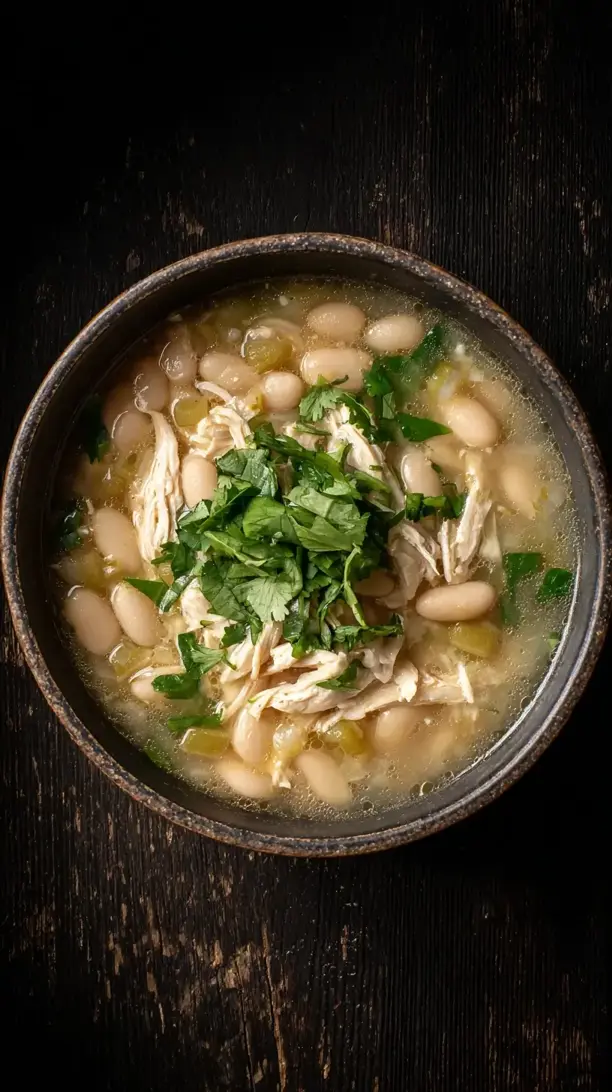
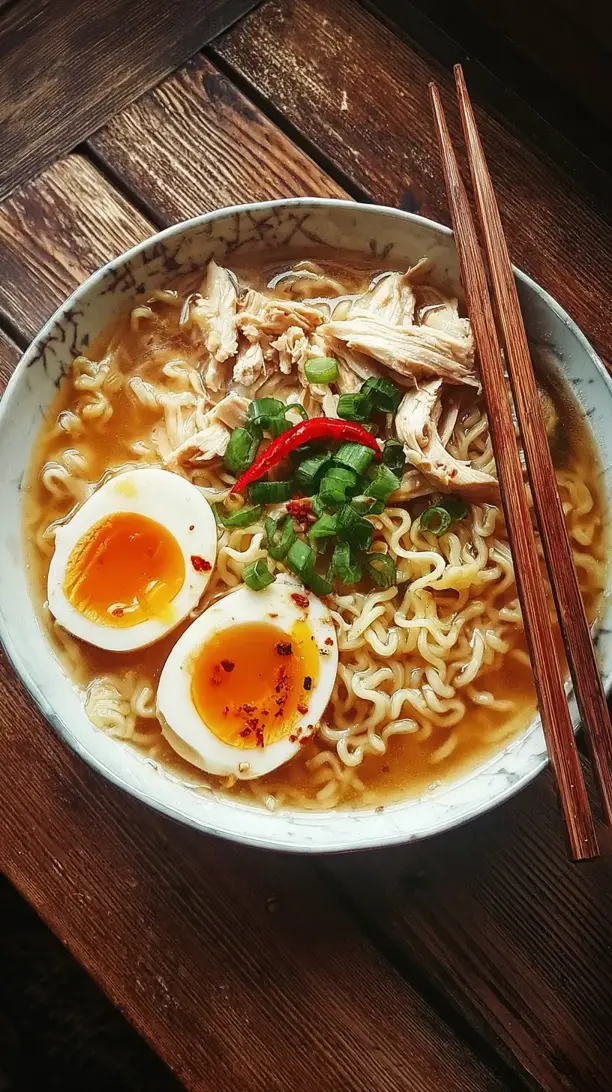
There’s something incredibly comforting about a bowl of steaming, fragrant chicken ramen. This homemade chicken ramen delivers rich, savory broth, tender noodles, and perfectly soft-boiled eggs. It’s a rewarding kitchen project that fills your home with amazing aromas.
If you're looking for the perfect Chicken Ramen, you're in the right place. Whether you love Chicken Recipes or want to explore our Christmas Cookie collection, we've got you covered.


Why You’ll Love This Chicken Ramen
- Deep, satisfying broth: Layers of flavor from slow-simmered bones and aromatics.
- Endlessly customizable toppings: Tailor each bowl to your exact preferences.
- Rewarding kitchen project: Therapeutic process with a delicious payoff.
- Better than takeout: Rivals restaurant quality with homemade pride.
Ingredients & Tools
- 1 whole chicken (about 1.5 kg / 3-4 lbs), or 2 lbs chicken bones (backs, necks, wings)
- 200 g chicken thighs, boneless and skinless
- 2 liters cold water
- 1 large onion, halved and unpeeled
- 1 head garlic, halved horizontally
- 5 cm piece of ginger, sliced
- 2 spring onions, roughly chopped
- 60 ml soy sauce
- 2 tbsp mirin
- 1 tbsp sake (optional)
- 1 tsp sesame oil
- 4 portions fresh ramen noodles (or 2 packs of dried)
- 4 large eggs
- 100 g bamboo shoots, canned
- 2 sheets nori (seaweed)
- To taste: chili oil, sesame seeds, fresh corn
Tools: A large stockpot (at least 6 quarts), a fine-mesh strainer, a slotted spoon, a medium saucepan.
Notes: Don’t be intimidated by the list—many of these are pantry staples. The key is starting with good bones for a gelatin-rich broth, which gives ramen its signature silky, mouth-coating texture.
Nutrition (per serving)
| Calories: | 580 kcal |
| Protein: | 42 g |
| Fat: | 18 g |
| Carbs: | 55 g |
| Fiber: | 4 g |
Serves: 4 | Prep Time: 30 minutes | Cook Time: 3 hours 30 minutes | Total Time: 4 hours (plus optional marinating time)
Before You Start: Tips & Ingredient Notes
- Don’t skip the initial blanch. Boiling the bones for 10 minutes and discarding the water might seem like a waste, but it’s crucial. It removes impurities and results in a much clearer, cleaner-tasting broth without any off-flavors.
- Char your aromatics. Placing the onion and garlic cut-side down in a dry skillet until blackened might look extreme, but it adds a incredible smoky, sweet depth to the broth that you just can’t get from raw veggies.
- Use fresh noodles if you can. While dried ramen noodles work perfectly fine, fresh or frozen ramen noodles have a superior springy texture and cook in just a minute or two. They really elevate the final bowl.
- Plan for the marinated eggs. The ajitsuke tamago (flavored soft-boiled eggs) are a ramen hallmark. They need a few hours to marinate, so it’s best to make them ahead of time—even the day before.
How to Make Chicken Ramen
Step 1: Prepare the Broth Base. Place your whole chicken or chicken bones in your large stockpot and cover with cold water. Bring it to a rolling boil over high heat. You’ll notice foam and scum rising to the top—this is the impurities we want to remove. Let it boil for a full 10 minutes, then carefully drain the pot, discarding the water. Rinse the bones and the pot briefly to get rid of any residual bits. This is the foundation of a clean, beautiful broth.
Step 2: Build Flavor with Aromatics. While the bones are blanching, heat a dry skillet over medium-high heat. Place the halved onion and garlic cut-side down and let them char until blackened in spots, about 5-7 minutes. This step is a flavor game-changer. Return the cleaned bones to the pot, add the 2 liters of fresh cold water, the charred onion and garlic, the sliced ginger, and the chopped spring onions. Bring it to a bare simmer—just a few lazy bubbles breaking the surface.
Step 3: The Long, Slow Simmer. Once simmering, partially cover the pot with a lid and reduce the heat to low. Let it gently cook for at least 3 hours, and up to 6 if you have the time. The longer it simmers, the more flavor and collagen you’ll extract. Resist the urge to boil it vigorously, as that will make the broth cloudy. Skim off any fat or foam that rises to the top occasionally. Your kitchen will smell incredible.
Step 4: Prepare the Tare and Toppings. About an hour before the broth is done, make the tare (seasoning sauce). In a small bowl, mix the soy sauce, mirin, and sake (if using). Set aside. For the eggs, bring a saucepan of water to a boil, gently lower in the eggs, and boil for 6.5 minutes for a perfectly runny yolk. Immediately transfer them to an ice bath to stop the cooking. Once cool, peel them and marinate in half of the tare sauce for at least 2 hours. Thinly slice the chicken thighs and quickly pan-sear them until just cooked through.
Step 5: Strain and Season the Broth. When the broth is deeply golden and fragrant, carefully strain it through a fine-mesh sieve into a clean pot. Discard the solids. You should have a clear, rich liquid. Stir in the remaining tare sauce and the sesame oil. Taste and adjust seasoning—it should be quite robust on its own, as the noodles will dilute it slightly. Keep this broth hot over low heat.
Step 6: Cook Noodles and Assemble Bowls. Bring a separate large pot of water to a rolling boil for your noodles. Cook the ramen noodles according to package directions—fresh ones will take only 1-2 minutes. While they cook, divide the hot, seasoned broth among four deep bowls. Drain the noodles well and gently place a nest of noodles into each bowl of broth. Artfully arrange your toppings: halve the marinated eggs, and add the sliced chicken, bamboo shoots, a sheet of nori, and any other extras like corn or spring onions. Serve immediately while everything is piping hot!
Storage & Freshness Guide
- Fridge: Store broth, tare, and toppings separately for up to 3 days.
- Freezer: Broth freezes well for up to 3 months in airtight containers.
- Reviving: Reheat broth gently; cook noodles fresh for best texture.
Serving Suggestions
Complementary Dishes
- Simple Cucumber Sunomono — A light, vinegared cucumber salad provides a crisp, refreshing counterpoint to the rich, savory broth, cleansing the palate between slurps.
- Gyoza (Pan-Fried Dumplings) — The crispy, juicy texture of pork or vegetable gyoza is a classic ramen-ya side that adds a delightful contrast and makes the meal feel more complete.
- Edamame with Sea Salt — A bowl of steamed, salted edamame is an effortless starter that everyone can nibble on while the ramen is being assembled.
Drinks
- Iced Green Tea — Its clean, slightly bitter notes cut through the richness of the broth perfectly, and its cool temperature is a wonderful contrast to the hot soup.
- A Light Lager or Pilsner — The crisp, carbonated nature of a cold beer helps to reset your taste buds, making each spoonful of ramen taste as vibrant as the first.
- Yuzu Highball — For a grown-up option, a mix of whisky, soda water, and a splash of yuzu citrus is refreshing, bubbly, and complements the umami flavors beautifully.
Something Sweet
- Matcha Ice Cream — The earthy, slightly bitter sweetness of matcha is a sophisticated and traditional way to end a ramen meal, leaving a clean, pleasant finish.
- Mochi Ice Cream — These chewy, pillowy pockets with an ice cream center are fun, light, and offer a delightful mix of textures after a hearty bowl of soup and noodles.
- Dorayaki (Red Bean Pancakes) — These sweet, pancake-like sandwiches filled with sweet red bean paste are a classic Japanese treat that feels both comforting and special.
Top Mistakes to Avoid
- Mistake: Boiling the broth aggressively. A rolling boil will emulsify the fat and impurities into the liquid, creating a cloudy, greasy-looking broth instead of a clear, clean one. A gentle simmer is key.
- Mistake: Overcooking the ramen noodles. Ramen noodles are meant to have a springy, firm bite (known as “koshi”). If you cook them until they’re soft, they’ll become mushy and bloated in the hot broth. Follow the package timing precisely.
- Mistake: Underseasoning the broth. The tare (seasoning sauce) is what gives the broth its salty, umami backbone. Taste it after adding the tare—it should be a little saltier than you’d think, as the noodles will balance it out.
- Mistake: Adding cold toppings to hot broth. Toppings like bamboo shoots or corn should be warmed up before adding to the bowl. Cold ingredients can cool down the soup too quickly and dull the flavors.
Expert Tips
- Tip: Make a double batch of broth and freeze it. The broth freezes beautifully for up to 3 months. Having a container of homemade broth in the freezer means you can have a quick, gourmet ramen fix on a weeknight—just cook fresh noodles and add toppings.
- Tip: Infuse your fats for extra flavor. Gently heat your chili oil or regular cooking oil with a smashed garlic clove and a slice of ginger for 10 minutes. Straining it out gives you an aromatic oil that adds a professional touch when drizzled over the finished bowl.
- Tip: Create a flavor “umami bomb” for the broth. For an even deeper flavor, add a small piece of kombu (dried kelp) and a handful of dried shiitake mushrooms to the broth during the last hour of simmering. Just remember to remove them before straining.
- Tip: Master the soft-boiled egg. For a foolproof runny yolk, use room-temperature eggs and have your ice bath ready. The 6.5-minute timer starts the moment the eggs hit the boiling water. The ice bath is non-negotiable for stopping the cooking process instantly.
FAQs
Can I make this recipe vegetarian?
Absolutely! For a vegetarian version, skip the chicken and use a combination of dried shiitake mushrooms and kombu (seaweed) to create a deeply savory dashi broth. Sauté some mushrooms in sesame oil for your protein topping, and use a rich vegetable stock as your base. The process for building flavor with charred aromatics remains the same, and you’ll still get a wonderfully complex and satisfying bowl.
My broth isn’t as rich as I’d like. What went wrong?
This usually comes down to two things: time or bones. A truly rich broth needs a long, slow simmer to extract all the collagen and gelatin from the bones. If you only simmered for an hour or two, try going longer next time. Also, using bones with a lot of connective tissue (like wings, feet, or necks) will yield a much richer, silkier broth than using only breast meat or lean cuts.
Can I prepare the components ahead of time?
You absolutely can, and it’s a great strategy! The broth, tare, and marinated eggs can all be made 2-3 days in advance and stored separately in the fridge. In fact, the eggs taste even better after marinating overnight. When you’re ready to eat, simply reheat the broth, cook fresh noodles, and assemble your bowls for a meal that comes together in under 15 minutes.
What’s the best substitute for fresh ramen noodles?
If you can’t find fresh ramen noodles, don’t worry. Good quality dried ramen noodles (discard the flavor packets!) are a fine substitute. Other good options include fresh or dried udon noodles for a chewier texture, or even soba (buckwheat) noodles for a nuttier flavor profile. Just avoid using Italian pasta like spaghetti, as the texture and composition are too different.
How do I properly eat ramen?
There’s no single “right” way, but the general etiquette is to slurp! Slurping the noodles helps to aerate them and cool them down slightly, enhancing the flavor. Use your spoon for the broth and your chopsticks for the noodles and toppings. It’s also perfectly acceptable to lift the bowl to your mouth to drink the remaining broth—it’s a sign you enjoyed it! Mix everything well to combine all the flavors in each bite.



Chicken Ramen
Learn how to make authentic Chicken Ramen from scratch with this detailed recipe. Get a rich, savory broth, perfect noodles, and pro tips. Cook your ultimate bowl today!
Ingredients
For the Broth and Aromatics:
-
1 whole chicken (about 1.5 kg / 3-4 lbs, or 2 lbs chicken bones (backs, necks, wings))
-
2 liters cold water
-
1 large onion (halved and unpeeled)
-
1 head garlic (halved horizontally)
-
5 cm ginger (piece, sliced)
-
2 spring onions (roughly chopped)
For the Tare (Seasoning Sauce):
-
60 ml soy sauce
-
2 tbsp mirin
-
1 tbsp sake (optional)
-
1 tsp sesame oil
For the Noodles and Toppings:
-
4 portions fresh ramen noodles (or 2 packs of dried)
-
4 large eggs
-
200 g chicken thighs (boneless and skinless)
-
100 g bamboo shoots (canned)
-
2 sheets nori (seaweed)
-
chili oil, sesame seeds, fresh corn (to taste)
Instructions
-
Place your whole chicken or chicken bones in your large stockpot and cover with cold water. Bring it to a rolling boil over high heat. You'll notice foam and scum rising to the top—this is the impurities we want to remove. Let it boil for a full 10 minutes, then carefully drain the pot, discarding the water. Rinse the bones and the pot briefly to get rid of any residual bits. This is the foundation of a clean, beautiful broth.01
-
While the bones are blanching, heat a dry skillet over medium-high heat. Place the halved onion and garlic cut-side down and let them char until blackened in spots, about 5-7 minutes. This step is a flavor game-changer. Return the cleaned bones to the pot, add the 2 liters of fresh cold water, the charred onion and garlic, the sliced ginger, and the chopped spring onions. Bring it to a bare simmer—just a few lazy bubbles breaking the surface.02
-
Once simmering, partially cover the pot with a lid and reduce the heat to low. Let it gently cook for at least 3 hours, and up to 6 if you have the time. The longer it simmers, the more flavor and collagen you'll extract. Resist the urge to boil it vigorously, as that will make the broth cloudy. Skim off any fat or foam that rises to the top occasionally. Your kitchen will smell incredible.03
-
About an hour before the broth is done, make the tare (seasoning sauce). In a small bowl, mix the soy sauce, mirin, and sake (if using). Set aside. For the eggs, bring a saucepan of water to a boil, gently lower in the eggs, and boil for 6.5 minutes for a perfectly runny yolk. Immediately transfer them to an ice bath to stop the cooking. Once cool, peel them and marinate in half of the tare sauce for at least 2 hours. Thinly slice the chicken thighs and quickly pan-sear them until just cooked through.04
-
When the broth is deeply golden and fragrant, carefully strain it through a fine-mesh sieve into a clean pot. Discard the solids. You should have a clear, rich liquid. Stir in the remaining tare sauce and the sesame oil. Taste and adjust seasoning—it should be quite robust on its own, as the noodles will dilute it slightly. Keep this broth hot over low heat.05
-
Bring a separate large pot of water to a rolling boil for your noodles. Cook the ramen noodles according to package directions—fresh ones will take only 1-2 minutes. While they cook, divide the hot, seasoned broth among four deep bowls. Drain the noodles well and gently place a nest of noodles into each bowl of broth. Artfully arrange your toppings: halve the marinated eggs, and add the sliced chicken, bamboo shoots, a sheet of nori, and any other extras like corn or spring onions. Serve immediately while everything is piping hot!06
Not what you're looking for?