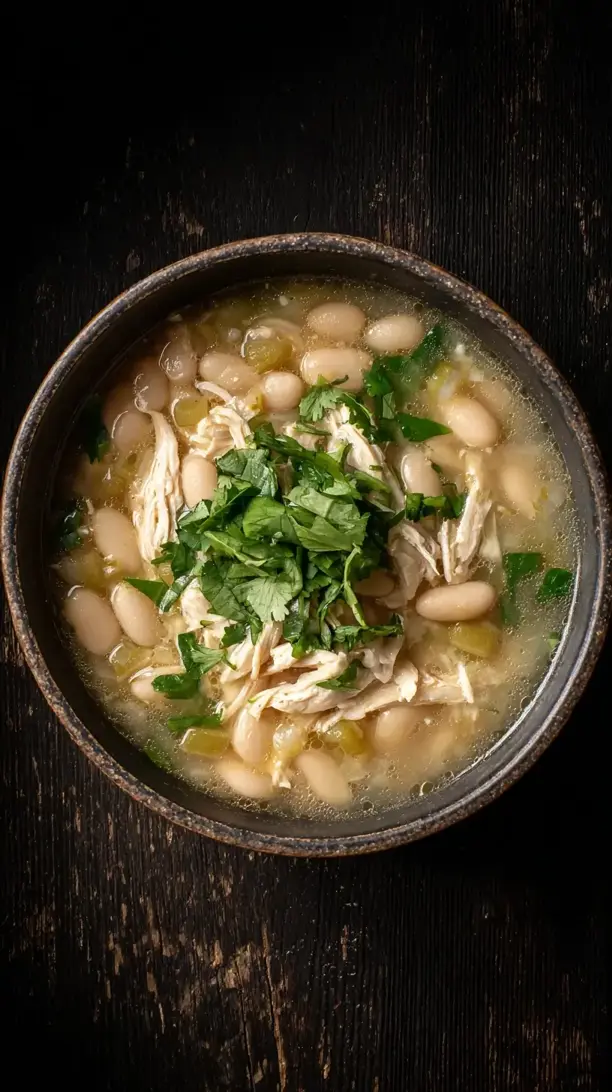
These homemade chicken tenders deliver a crispy, golden-brown crust with juicy, tender meat inside. Perfect for picky eaters, game day, or a quick dinner, these chicken tenders beat store-bought every time. The double-dredge method and well-seasoned coating create irresistible crunch without deep-frying.
If you're looking for the perfect Chicken Tenders, you're in the right place. Whether you love Chicken Recipes or want to explore our Chicken Breast Recipes collection, we've got you covered.


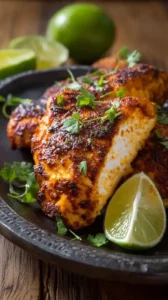
Why You’ll Love This Chicken Tenders
- No deep-frying: Oven or pan-frying gives a satisfying crunch with less oil.
- Juicy & flavorful: Buttermilk soak ensures moist, well-seasoned chicken every time.
- Endlessly customizable: Easy to adapt with your favorite spices and seasonings.
- Meal prep friendly: Reheat beautifully for quick lunches or busy dinners.
Ingredients & Tools
- 1 lb chicken tenders (or chicken breasts cut into strips)
- 1 cup buttermilk
- 1 cup all-purpose flour
- 1 cup panko breadcrumbs
- 2 tsp garlic powder
- 1 tsp paprika
- 1 tsp onion powder
- 1/2 tsp black pepper
- 1 tsp salt (plus more for seasoning)
- 2 large eggs
- 1/4 cup grated Parmesan cheese (optional, but recommended)
- Vegetable or canola oil for frying (or olive oil spray for baking)
Tools: Two large mixing bowls, three shallow dishes (for dredging), baking sheet (if baking), wire rack, tongs, meat thermometer
Notes: Buttermilk tenderizes the chicken; panko adds extra crispiness. Parmesan adds savory depth.
Nutrition (per serving)
| Calories: | 320 kcal |
| Protein: | 28 g |
| Fat: | 10 g |
| Carbs: | 26 g |
| Fiber: | 1 g |
Serves: 4 | Prep Time: 20 minutes | Cook Time: 15 minutes | Total Time: 35 minutes
Before You Start: Tips & Ingredient Notes
- Why buttermilk? Buttermilk is mildly acidic, which helps break down proteins in the chicken, resulting in a more tender bite. If you don’t have buttermilk, you can make a quick substitute by mixing 1 cup milk with 1 tablespoon lemon juice or vinegar and letting it sit for 5 minutes.
- Panko vs. regular breadcrumbs. Panko breadcrumbs are lighter and flakier than traditional breadcrumbs, which means they create a crispier, less dense coating. They’re worth seeking out for that perfect crunch.
- Don’t skip the resting time. Letting the coated chicken tenders rest for 5–10 minutes before cooking helps the breading adhere better, so it’s less likely to fall off during frying or baking.
- Check your oil temperature. If you’re pan-frying, the oil should be around 350–375°F. If it’s too cool, the tenders will absorb oil and become greasy; too hot, and they’ll burn before cooking through.
How to Make Chicken Tenders
Step 1: Start by preparing your chicken. If you’re using chicken breasts, slice them into even strips—about 1-inch thick—so they cook uniformly. Pat the tenders completely dry with paper towels; this helps the buttermilk and breading stick better. You’ll notice that dry chicken means a crispier final product.
Step 2: In a medium bowl, combine the buttermilk, 1/2 teaspoon salt, and a pinch of black pepper. Add the chicken tenders, making sure each piece is fully submerged. Cover the bowl and let it marinate in the refrigerator for at least 30 minutes (or up to 4 hours for maximum tenderness). The buttermilk will work its magic, leaving the chicken juicy and flavorful.
Step 3: While the chicken marinates, set up your dredging station. Use three shallow dishes: one for the flour (mixed with garlic powder, paprika, onion powder, salt, and pepper), one for the beaten eggs, and one for the panko breadcrumbs (and Parmesan, if using). This assembly line makes the coating process quick and mess-free.
Step 4: Remove the chicken from the buttermilk, letting any excess drip off. Dredge each tender first in the seasoned flour, shaking off any extra. Then dip it into the beaten eggs, and finally press it firmly into the panko mixture, making sure it’s evenly coated. The trick is to use one hand for dry ingredients and the other for wet to avoid clumpy fingers.
Step 5: Place the breaded tenders on a wire rack set over a baking sheet. Let them rest for 5–10 minutes—this helps the coating set and ensures it stays put during cooking. Meanwhile, preheat your oven to 425°F (if baking) or heat about 1/4 inch of oil in a large skillet over medium-high heat.
Step 6: If baking, arrange the tenders on a wire rack set over a baking sheet and lightly spray with oil. Bake for 12–15 minutes, flipping halfway, until golden and cooked through. For pan-frying, cook in batches for 3–4 minutes per side, until the crust is crisp and the internal temperature reaches 165°F. You’ll hear that satisfying sizzle!
Step 7: Once cooked, transfer the tenders back to the wire rack—this keeps them crispy by allowing air to circulate underneath. Let them rest for a couple of minutes before serving. The aroma will be absolutely irresistible, I promise.
Storage & Freshness Guide
- Fridge: Store in an airtight container for up to 3 days.
- Freezer: Freeze breaded uncooked or cooked tenders in a single layer, then transfer to a bag for up to 3 months.
- Reviving: Reheat in oven or air fryer at 375°F for 5–7 minutes until crispy.
Serving Suggestions
Complementary Dishes
- Classic French fries — You can’t go wrong with crispy, salty fries alongside tenders. They’re the ultimate comfort food duo.
- Fresh coleslaw — The cool, creamy crunch of coleslaw provides a refreshing contrast to the warm, savory chicken.
- Mac and cheese — Creamy, cheesy pasta makes everything better, and it pairs wonderfully with the crispy texture of the tenders.
Drinks
- Iced sweet tea — Its slight sweetness and brisk flavor cut through the richness of the fried coating beautifully.
- A light lager or pale ale — The crisp, effervescent quality of a cold beer complements the savory notes and cleanses the palate.
- Sparkling lemonade — Tart and bubbly, it adds a bright, refreshing element that balances the meal.
Something Sweet
- Warm chocolate chip cookies — Soft, gooey cookies straight from the oven are the perfect nostalgic finish to this comfort food feast.
- Apple pie à la mode — The warm spiced apples and cold vanilla ice cream create a delightful contrast that feels like a hug in dessert form.
- Strawberry shortcake — Light, fluffy biscuits with fresh berries and whipped cream offer a sweet, fruity end without being too heavy.
Top Mistakes to Avoid
- Overcrowding the pan. If you’re frying, give each tender enough space so they cook evenly and stay crispy. Crowding lowers the oil temperature and steams the coating instead of frying it.
- Skipping the buttermilk soak. This step is crucial for tender, juicy chicken. Without it, you risk dry, chewy tenders—no one wants that!
- Not checking the internal temperature. Guessing doneness can lead to undercooked chicken or overcooked, dry meat. Use a meat thermometer to ensure they reach 165°F.
- Moving the tenders too soon. When you first place them in the hot oil or oven, let them cook undisturbed for a few minutes so the coating can set and crisp up properly.
Expert Tips
- Tip: For extra-crispy tenders, double-dredge them. After the first round of flour, egg, and breadcrumbs, repeat the egg and breadcrumb steps for a thicker, crunchier crust.
- Tip: Add a tablespoon of hot sauce or a teaspoon of Dijon mustard to the buttermilk marinade for a subtle kick and extra flavor depth.
- Tip: If baking, always use a wire rack on your baking sheet. This allows hot air to circulate around the entire tender, preventing a soggy bottom and ensuring even browning.
- Tip: Let the cooked tenders rest on a wire rack for a few minutes before serving. This keeps the steam from making the breading soft and maintains that perfect crunch.
FAQs
Can I make these gluten-free?
Absolutely! Simply swap the all-purpose flour for a gluten-free blend (like rice flour or almond flour works well too) and use gluten-free panko breadcrumbs. The method remains exactly the same, and you’ll still achieve a wonderfully crispy coating. Just double-check that your baking powder and spices are certified gluten-free if that’s a concern.
How do I store and reheat leftovers?
Store cooled tenders in an airtight container in the refrigerator for up to 3 days. To reheat, avoid the microwave—it makes them soggy. Instead, use an oven or air fryer at 375°F for 5–7 minutes until hot and crispy again. They’ll taste almost as good as fresh!
Can I use an air fryer?
Yes, and they turn out beautifully! Arrange the breaded tenders in a single layer in the air fryer basket, spray lightly with oil, and cook at 400°F for 10–12 minutes, flipping halfway. You’ll get a super crispy result with even less oil than oven-baking.
What’s the best dip for chicken tenders?
Honestly, it’s hard to beat classic honey mustard or ranch—their creamy tang complements the savory chicken perfectly. But barbecue sauce, buffalo sauce, or even a spicy sriracha mayo are all fantastic options. Feel free to get creative with your dipping sauces!
Can I freeze uncooked breaded tenders?
Definitely! After breading, place them on a parchment-lined baking sheet and freeze until solid (about 2 hours). Then transfer to a freezer bag—they’ll keep for up to 3 months. Cook from frozen, adding a few extra minutes to the cooking time. No need to thaw!



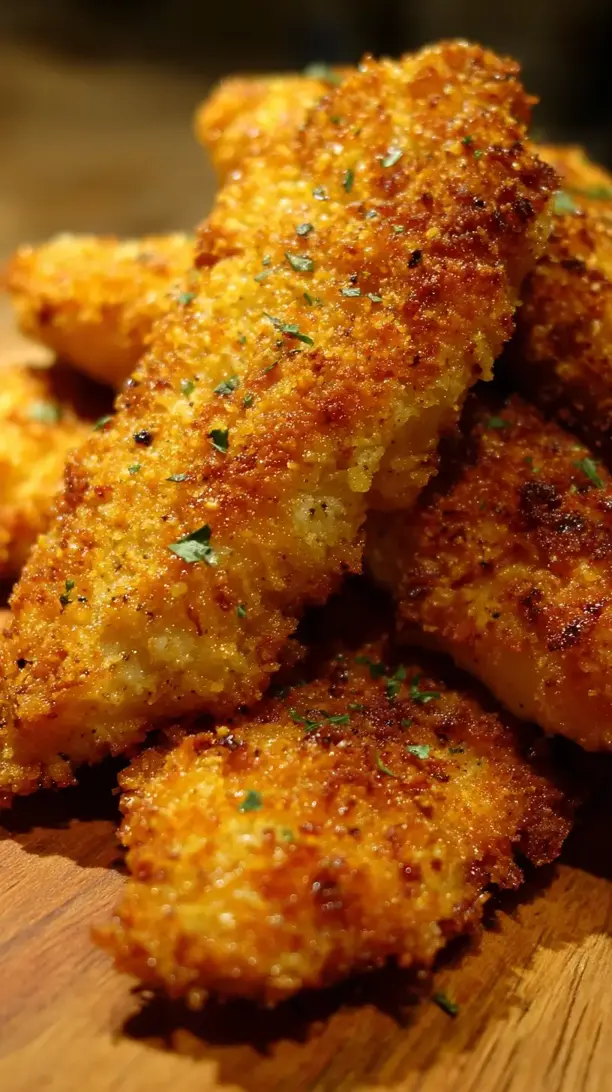
Chicken Tenders
Make the best crispy, juicy Chicken Tenders at home with this easy recipe. Perfect for a quick dinner or snack. Get the foolproof method now!
Ingredients
For the Ingredients & Tools
-
1 lb chicken tenders (or chicken breasts cut into strips)
-
1 cup buttermilk
-
1 cup all-purpose flour
-
1 cup panko breadcrumbs
-
2 tsp garlic powder
-
1 tsp paprika
-
1 tsp onion powder
-
1/2 tsp black pepper
-
1 tsp salt (plus more for seasoning)
-
2 large eggs
-
1/4 cup grated Parmesan cheese (optional, but recommended)
-
Vegetable or canola oil (for frying (or olive oil spray for baking))
Instructions
-
Start by preparing your chicken. If you're using chicken breasts, slice them into even strips—about 1-inch thick—so they cook uniformly. Pat the tenders completely dry with paper towels; this helps the buttermilk and breading stick better.01
-
In a medium bowl, combine the buttermilk, 1/2 teaspoon salt, and a pinch of black pepper. Add the chicken tenders, making sure each piece is fully submerged. Cover the bowl and let it marinate in the refrigerator for at least 30 minutes (or up to 4 hours for maximum tenderness).02
-
While the chicken marinates, set up your dredging station. Use three shallow dishes: one for the flour (mixed with garlic powder, paprika, onion powder, salt, and pepper), one for the beaten eggs, and one for the panko breadcrumbs (and Parmesan, if using).03
-
Remove the chicken from the buttermilk, letting any excess drip off. Dredge each tender first in the seasoned flour, shaking off any extra. Then dip it into the beaten eggs, and finally press it firmly into the panko mixture, making sure it's evenly coated.04
-
Place the breaded tenders on a wire rack set over a baking sheet. Let them rest for 5–10 minutes—this helps the coating set and ensures it stays put during cooking. Meanwhile, preheat your oven to 425°F (if baking) or heat about 1/4 inch of oil in a large skillet over medium-high heat.05
-
If baking, arrange the tenders on a wire rack set over a baking sheet and lightly spray with oil. Bake for 12–15 minutes, flipping halfway, until golden and cooked through. For pan-frying, cook in batches for 3–4 minutes per side, until the crust is crisp and the internal temperature reaches 165°F.06
-
Once cooked, transfer the tenders back to the wire rack—this keeps them crispy by allowing air to circulate underneath. Let them rest for a couple of minutes before serving.07
Not what you're looking for?