
This Chicken Thigh Chow Mein delivers a perfect balance of savory sauce, tender-crisp vegetables, and juicy chicken thighs. It’s a complete one-pan meal that comes together quickly for a satisfying weeknight dinner. The secret is using chicken thighs, which stay incredibly moist and flavorful in the hot wok.
Love Chicken Thigh Chow Mein? So do we! If you're into Chicken Thigh Recipes or curious about Burgers, you'll find plenty of inspiration below.
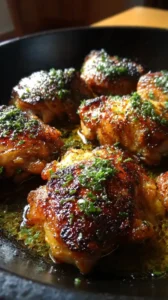

Why You’ll Love This Chicken Thigh Chow Mein
- Juicy & flavorful: Chicken thighs guarantee tender, succulent meat in every bite.
- Perfect texture: Enjoy soft-yet-springy noodles with crisp-tender vegetables and seared chicken.
- One-pan wonder: Everything cooks together for maximum flavor and minimal cleanup.
- Highly adaptable: Easily swap vegetables or protein based on what you have available.
Ingredients & Tools
- 500 g boneless, skinless chicken thighs, cut into bite-sized pieces
- 250 g fresh chow mein or Hong Kong-style egg noodles
- 2 tbsp vegetable or peanut oil, divided
- 3 cloves garlic, minced
- 1 tbsp fresh ginger, grated
- 1 large carrot, julienned
- 1 red bell pepper, thinly sliced
- 150 g shiitake mushrooms, sliced
- 2 heads of baby bok choy, chopped
- 3 spring onions, sliced, whites and greens separated
- 3 tbsp light soy sauce
- 1 tbsp dark soy sauce (for color and a deeper flavor)
- 1 tbsp oyster sauce
- 1 tsp sesame oil
- 1 tsp cornflour
- 2 tbsp water or chicken stock
- 1/2 tsp white pepper (optional, for a little kick)
Tools: A large wok or a very large, high-sided skillet is essential here, along with a pair of tongs for easy tossing.
Notes: Dark soy sauce gives the noodles their classic rich brown color. Fresh ginger and garlic are essential for an aromatic base.
Nutrition (per serving)
| Calories: | 485 kcal |
| Protein: | 35 g |
| Fat: | 18 g |
| Carbs: | 45 g |
| Fiber: | 5 g |
Serves: 4 | Prep Time: 20 minutes | Cook Time: 15 minutes | Total Time: 35 minutes
Before You Start: Tips & Ingredient Notes
- Prep everything before you fire up the wok. Chow mein cooks incredibly fast, and you won’t have time to chop veggies once you start. Have all your ingredients measured, chopped, and within arm’s reach—this is your “mise en place” moment.
- Why chicken thighs? Honestly, they are the star. Chicken breast can dry out in a flash in a hot wok, but thighs remain succulent and forgiving. They have more fat, which means more flavor and a much more enjoyable texture in the final dish.
- Don’t skip the cornflour slurry. That little mixture of cornflour and water is what gives the sauce its glossy, clingy quality. It helps the sauce coat every noodle and piece of chicken beautifully, instead of just pooling at the bottom of the pan.
- Use the right noodles. Fresh egg noodles are ideal as they have a great chew and don’t require pre-boiling. If you must use dried noodles, cook them until just al dente and rinse with cold water to stop the cooking process, otherwise they’ll turn to mush in the wok.
How to Make Chicken Thigh Chow Mein
Step 1: Prepare the Noodles and Sauce. If you’re using fresh noodles, simply loosen them with your fingers. For dried noodles, cook them according to the package directions until they’re just tender, then drain and rinse with cold water to halt the cooking. In a small bowl or a measuring jug, whisk together both soy sauces, the oyster sauce, sesame oil, and white pepper. In a separate tiny bowl, make your slurry by stirring the cornflour and water or stock together until it’s completely smooth. This prevents any lumpy surprises later.
Step 2: Cook the Chicken. Pat your chicken thigh pieces completely dry with a paper towel—this is crucial for getting a good sear and not just steaming the meat. Heat one tablespoon of oil in your wok over high heat until it’s shimmering. Add the chicken in a single layer and let it sear undisturbed for about 1-2 minutes to develop a golden-brown color. Then, stir-fry for another 3-4 minutes until it’s cooked through. You’ll notice the chicken will release some of its own juices. Remove the chicken with a slotted spoon and set it aside on a plate.
Step 3: Sauté the Aromatics and Harder Veggies. Add the remaining tablespoon of oil to the same wok. Toss in the garlic, ginger, and the white parts of your spring onions. Stir-fry for just 30 seconds until incredibly fragrant—be careful not to burn them. Now, add your carrots and bell peppers. These harder vegetables need a head start, so stir-fry them for about 2-3 minutes until they just begin to soften but still have a good crunch.
Step 4: Add the Remaining Vegetables. Now, toss in the mushrooms and the chopped stems of the bok choy. Continue to stir-fry for another 2 minutes. You’ll see the mushrooms start to release their water and soften. Finally, add the leafy green parts of the bok choy. They’ll wilt down in under a minute. The goal is to have a mix of textures, with some veggies crisp and others tender.
Step 5: Combine Everything and Add the Sauce. Return the cooked chicken (and any accumulated juices) to the wok. Add your prepared noodles. Pour the sauce mixture over everything. Using your tongs, toss everything together vigorously for a minute, ensuring the noodles are well separated and everything is coated in that gorgeous, dark sauce.
Step 6: Thicken and Finish the Dish. Give your cornflour slurry a quick re-stir (it settles quickly) and then drizzle it evenly over the contents of the wok. Keep tossing and stir-frying for another 1-2 minutes. You’ll notice the sauce will quickly go from thin and watery to glossy and thick, clinging perfectly to the noodles. Turn off the heat, stir in the green parts of the spring onions, and do one final taste test. Serve immediately while it’s piping hot and wonderfully aromatic.
Storage & Freshness Guide
- Fridge: Store in an airtight container for up to 3 days.
- Freezer: Freeze for up to 1 month, though noodles may soften upon thawing.
- Reviving: Reheat in a wok or skillet with a splash of water to re-steam noodles.
Serving Suggestions
Complementary Dishes
- A simple cucumber salad — The cool, crisp, and slightly tangy crunch of a quick-pickled cucumber salad provides a fantastic contrast to the rich, savory, and warm noodles.
- Hot and sour soup — Starting your meal with a small bowl of this classic soup really awakens the palate and complements the umami flavors in the chow mein beautifully.
- Steamed Chinese broccoli (Gai Lan) with oyster sauce — An extra side of greens never hurts, and the slight bitterness of the broccoli balances the savory depth of the chow mein perfectly.
Drinks
- Jasmine tea — Its delicate floral notes are a classic pairing that helps cleanse the palate between bites of the flavorful, saucy noodles.
- A light lager or pilsner — The crisp, carbonated bite of a cold beer cuts through the richness of the dish and is just incredibly refreshing.
- Ginger ale with a squeeze of lime — The spicy-sweet fizz is a wonderful non-alcoholic option that echoes the ginger in the dish and refreshes your taste buds.
Something Sweet
- Lychee sorbet — The floral, fragrant sweetness of lychee is a light and elegant way to finish the meal, clearing the palate of any lingering savory notes.
- Fortune cookies and orange wedges — A fun, classic end to a homemade Chinese-inspired feast. The bright citrus is a surprisingly perfect palate cleanser.
- Mango pudding — Its creamy, smooth texture and tropical sweetness provide a lovely, cool contrast to the hot and savory main course.
Top Mistakes to Avoid
- Overcrowding the wok. If you dump all the ingredients in at once, you’ll steam them instead of stir-frying. This leads to soggy, limp vegetables and noodles without that essential “wok hei” (breath of the wok) flavor. Cook in batches if necessary.
- Using wet chicken or vegetables. Excess moisture is the enemy of a good sear. Always pat your chicken dry, and make sure your washed veggies are thoroughly dried in a salad spinner or with paper towels.
- Overcooking the noodles. Whether you’re using fresh or dried, the noodles will continue to cook when you toss them in the wok with the sauce. If they’re already mushy to begin with, you’ll end up with a gluey, broken-down mess.
- Adding the cornflour directly to the sauce. You will get lumps. Every single time. Always mix your cornflour with a cold liquid first to create a smooth slurry before introducing it to the heat.
Expert Tips
- Tip: For an extra layer of flavor, marinate your chicken thigh pieces for 20-30 minutes in a tablespoon of the light soy sauce and a teaspoon of the cornflour. This not only seasons the meat but also gives it a velvety texture.
- Tip: If you want that authentic restaurant-style smoky flavor, let your wok get screaming hot until it’s almost smoking before you add the oil. This initial blast of heat is what creates that coveted “wok hei.”
- Tip: Don’t have a wok? A large cast-iron skillet is a great substitute. It holds heat incredibly well and can get hot enough to give you a proper sear on your ingredients.
- Tip: To make this ahead, you can prep all the vegetables and the sauce the day before. When it’s time to cook, everything will come together in a flash, making it a perfect option for a busy weeknight.
- Tip: For a vegetarian version, swap the chicken for firm tofu (pressed and cubed) and the oyster sauce for vegetarian stir-fry sauce. The cooking method remains exactly the same.
FAQs
Can I use a different type of noodle?
Absolutely! While fresh egg noodles are traditional, you can use what you have. Ramen noodles (discard the seasoning packet), lo mein, or even spaghetti in a pinch will work. The key is to adjust the cooking time for the noodles you choose. For spaghetti, you’d want to cook it to just al dente since it will soften a bit more in the wok. The goal is a noodle with a bit of chew, not a soft, mushy one.
My chow mein turned out too salty. What happened?
This usually means your soy sauce was particularly potent or you may have added extra salt elsewhere. Remember, soy sauce, oyster sauce, and even the chicken stock (if used) contain salt. Always use low-sodium soy sauce if you’re sensitive to salt, and never add extra salt until you’ve done a final taste test at the end. If it’s already too salty, a squeeze of fresh lime juice can help balance it out.
Can I make this gluten-free?
Yes, you easily can! Simply swap the regular soy sauces for tamari or a certified gluten-free soy sauce alternative, and use a gluten-free oyster sauce (or substitute with more tamari and a tiny pinch of sugar). Check that your noodles are also gluten-free—rice noodles or certain chickpea pasta can work well here.
How do I store and reheat leftovers?
Store any leftovers in an airtight container in the fridge for up to 3 days. The best way to reheat it is in a wok or skillet over medium heat with a tiny splash of water or stock. This will re-steam the noodles and revive them without making them dry or greasy. The microwave tends to make the noodles rubbery.
The sauce didn’t thicken. What did I do wrong?
The most common culprit is that the cornflour slurry wasn’t mixed well enough before adding, or it was added to a wok that wasn’t hot enough. The slurry needs to hit the hot liquid in the wok to activate and thicken instantly. If it’s still runny, just mix another half teaspoon of cornflour with a tablespoon of cold water and stir it in, cooking for another minute until it thickens up.

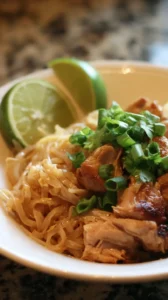


Chicken Thigh Chow Mein
Make this easy Chicken Thigh Chow Mein recipe for a savory, one-pan meal with juicy chicken and crisp veggies. Ready in 35 minutes! Get the recipe now.
Ingredients
For the Main Ingredients
-
500 g boneless, skinless chicken thighs (cut into bite-sized pieces)
-
250 g fresh chow mein or Hong Kong-style egg noodles
-
2 tbsp vegetable or peanut oil (divided)
-
3 cloves garlic (minced)
-
1 tbsp fresh ginger (grated)
-
1 large carrot (julienned)
-
1 red bell pepper (thinly sliced)
-
150 g shiitake mushrooms (sliced)
-
2 heads baby bok choy (chopped)
-
3 spring onions (sliced, whites and greens separated)
-
3 tbsp light soy sauce
-
1 tbsp dark soy sauce (for color and a deeper flavor)
-
1 tbsp oyster sauce
-
1 tsp sesame oil
-
1 tsp cornflour
-
2 tbsp water or chicken stock
-
0.5 tsp white pepper (optional, for a little kick)
Instructions
-
If you’re using fresh noodles, simply loosen them with your fingers. For dried noodles, cook them according to the package directions until they’re just tender, then drain and rinse with cold water to halt the cooking. In a small bowl or a measuring jug, whisk together both soy sauces, the oyster sauce, sesame oil, and white pepper. In a separate tiny bowl, make your slurry by stirring the cornflour and water or stock together until it's completely smooth.01
-
Pat your chicken thigh pieces completely dry with a paper towel. Heat one tablespoon of oil in your wok over high heat until it’s shimmering. Add the chicken in a single layer and let it sear undisturbed for about 1-2 minutes to develop a golden-brown color. Then, stir-fry for another 3-4 minutes until it’s cooked through. Remove the chicken with a slotted spoon and set it aside on a plate.02
-
Add the remaining tablespoon of oil to the same wok. Toss in the garlic, ginger, and the white parts of your spring onions. Stir-fry for just 30 seconds until incredibly fragrant. Now, add your carrots and bell peppers. Stir-fry them for about 2-3 minutes until they just begin to soften but still have a good crunch.03
-
Toss in the mushrooms and the chopped stems of the bok choy. Continue to stir-fry for another 2 minutes. Finally, add the leafy green parts of the bok choy. They’ll wilt down in under a minute.04
-
Return the cooked chicken (and any accumulated juices) to the wok. Add your prepared noodles. Pour the sauce mixture over everything. Using your tongs, toss everything together vigorously for a minute, ensuring the noodles are well separated and everything is coated in that gorgeous, dark sauce.05
-
Give your cornflour slurry a quick re-stir and then drizzle it evenly over the contents of the wok. Keep tossing and stir-frying for another 1-2 minutes. You’ll notice the sauce will quickly go from thin and watery to glossy and thick, clinging perfectly to the noodles. Turn off the heat, stir in the green parts of the spring onions, and do one final taste test. Serve immediately.06
Not what you're looking for?


