
This Chicken Thigh Katsu recipe delivers a classic crunch with extra flavor and tenderness. Using juicy thigh meat ensures a succulent bite every time, while the straightforward process yields a golden, shatteringly crisp panko crust. It’s a versatile, delicious meal that turns any day into a celebration.
If you're looking for the perfect Chicken Thigh Katsu, you're in the right place. Whether you love Chicken Thigh Recipes or want to explore our Appetizers & Snacks collection, we've got you covered.
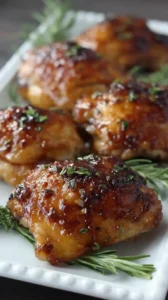


Why You’ll Love This Chicken Thigh Katsu
- Juicy & flavorful: Thigh meat stays moist and rich through frying.
- Phenomenal texture: Crispy panko crust contrasts with soft, juicy meat.
- Simple to make: Easy steps and basic equipment yield impressive results.
- Incredibly versatile: Serve with rice, in sandwiches, or in bowls.
Ingredients & Tools
- 4 boneless, skinless chicken thighs (about 1.5 lbs / 680 g)
- 1 tsp fine sea salt
- 1/2 tsp freshly ground black pepper
- 1 cup all-purpose flour
- 2 large eggs
- 2 tbsp milk or water
- 2 cups panko breadcrumbs
- Neutral oil for frying (like vegetable, canola, or peanut oil)
- To serve: tonkatsu sauce, shredded cabbage, lemon wedges, steamed rice
Tools: A large, heavy-bottomed skillet or Dutch oven, shallow dishes for dredging, a meat mallet or rolling pin, instant-read thermometer, wire rack set over a baking sheet
Notes: Use coarse Japanese-style panko for the crispiest crust. Don’t skip the milk in the egg wash—it helps the coating adhere and brown evenly.
Nutrition (per serving)
| Calories: | 520 kcal |
| Protein: | 35 g |
| Fat: | 22 g |
| Carbs: | 42 g |
| Fiber: | 2 g |
Serves: 4 | Prep Time: 20 minutes | Cook Time: 15 minutes | Total Time: 35 minutes
Before You Start: Tips & Ingredient Notes
- Why chicken thighs? Thighs have a higher fat content and more connective tissue than breasts, which translates to a much juicier, more flavorful result after frying. They’re also more forgiving—less likely to overcook and dry out.
- Panko is non-negotiable. Traditional breadcrumbs will give you a denser, sandier crust. Panko’s light, flaky, airy structure creates that signature shatteringly crisp texture that makes katsu so special. Don’t substitute it!
- Get your oil temperature right. This is the secret to a non-greasy, perfectly crisp katsu. If the oil is too cool, the crust will absorb oil and become soggy. Too hot, and the outside will burn before the inside cooks through. A thermometer is your best friend here.
- Pounding the thighs is key. It’s not just about making them thinner; it’s about creating an even thickness so the chicken cooks uniformly. No more burnt edges with a raw center!
How to Make Chicken Thigh Katsu
Step 1: Prepare the Chicken. Place one chicken thigh at a time between two sheets of plastic wrap. Using the flat side of a meat mallet or a rolling pin, gently pound the thigh until it’s an even 1/2-inch (1.25 cm) thickness. Be firm but controlled—you want to flatten it, not pulverize it. Season both sides generously with the salt and pepper. You’ll notice how the surface area increases, which means more crispy crust later on.
Step 2: Set Up Your Dredging Station. This is your assembly line for the perfect coating. Get three shallow dishes. In the first, place the all-purpose flour. In the second, whisk the eggs with the milk until smooth and homogenous. In the third, spread out the panko breadcrumbs. Having this organized before you start keeps the process clean and efficient.
Step 3: Coat the Chicken. Working with one piece at a time, dredge a chicken thigh in the flour, shaking off any excess. Next, dip it completely into the egg wash, letting the excess drip back into the bowl. Finally, press it firmly into the panko, turning and patting to ensure a thick, even, and clumpy coating on all sides. The trick is to really press the panko on—this creates those lovely craggy bits that get extra crispy.
Step 4: Heat the Oil. Pour oil into your heavy-bottomed skillet to a depth of about 1/2 inch (1.25 cm). Heat over medium-high heat until it reaches 350°F (175°C). To test without a thermometer, drop a small panko crumb in—it should sizzle vigorously and turn golden in about 15 seconds. Maintaining this temperature is crucial for the next step.
Step 5: Fry to Golden Perfection. Carefully lay two chicken thighs into the hot oil, away from you to avoid splashing. Don’t overcrowd the pan, as this will cause the temperature to drop. Fry for about 3-4 minutes per side, until the crust is a deep, golden brown and incredibly crisp. You’ll hear a steady, active sizzle the whole time.
Step 6: Drain and Check for Doneness. Use tongs to transfer the cooked katsu to the wire rack set over a baking sheet. This keeps the bottom from getting steamy and soft. Let it rest for a minute, then check the internal temperature with an instant-read thermometer—it should read 165°F (74°C) at the thickest part. The crust should feel firm and sound crunchy when you tap it.
Step 7: Serve Immediately. Katsu is best enjoyed hot and fresh from the fryer. Slice it against the grain into strips—this showcases the beautiful layers of crispy crust and juicy meat. Serve right away with your chosen sides. The sound of the knife cutting through that crust is pure music.
Storage & Freshness Guide
- Fridge: Store leftovers in an airtight container for up to 3 days.
- Freezer: Freeze fully cooled katsu in a single layer, then transfer to a freezer bag for up to 2 months.
- Reviving: Reheat in a 375°F (190°C) oven for 10–15 minutes to restore crispiness.
Serving Suggestions
Complementary Dishes
- Shredded Cabbage Salad — Its cool, crisp freshness is the perfect textural and flavor contrast to the rich, hot katsu. A little drizzle of a tangy sesame dressing works wonders.
- Steamed Short-Grain Rice — The fluffy, slightly sticky rice is the ideal base to soak up any extra tonkatsu sauce and makes the meal feel complete and comforting.
- Miso Soup — A warm, savory bowl of miso soup with a little wakame and tofu starts the meal off right and complements the umami notes in the katsu.
Drinks
- A Cold Japanese Lager — The crisp, clean bubbles and mild bitterness of a beer like Asahi Super Dry cuts through the richness of the fried chicken beautifully.
- Iced Green Tea (Mugicha) — This roasted barley tea is caffeine-free, refreshing, and has a toasty flavor that pairs surprisingly well with the savory katsu without overpowering it.
Something Sweet
- Matcha Ice Cream — The slight bitterness and earthy flavor of matcha provide a sophisticated and refreshing end to the meal, cleansing the palate after the fried food.
- Dorayaki (Red Bean Pancakes) — These sweet, pancake-like sandwiches filled with sweet red bean paste are a classic Japanese treat that feels special and satisfying.
Top Mistakes to Avoid
- Mistake: Not pounding the chicken evenly. If parts of the thigh are thicker than others, you’ll end up with uneven cooking—the thin parts will be overdone and tough while the thick part might still be raw. A uniform thickness is non-negotiable.
- Mistake: Frying in oil that’s not hot enough. I’ve messed this up before too… if the oil isn’t at a steady 350°F, the crust will act like a sponge and soak up the oil, resulting in a greasy, heavy final product instead of a light, crisp one.
- Mistake: Overcrowding the pan. Adding too many pieces at once causes the oil temperature to plummet. The chicken will stew in the oil rather than fry, leading to a soggy, oily crust. Fry in batches for the best results.
- Mistake: Placing fried katsu on paper towels. This seems logical, but it traps steam against the bottom of the crust, making it soft. A wire rack allows air to circulate all around, keeping the entire piece wonderfully crisp.
Expert Tips
- Tip: Double-dredge for an extra-thick crust. For the ultimate crunch, after the first round of flour, egg, and panko, do a quick second dip in just the egg and panko. This builds up an incredible, craggy, and super-crispy layer that’s seriously impressive.
- Tip: Season your flour. Add a pinch of salt, pepper, and even a little garlic powder to your dredging flour. This adds an extra layer of seasoning that permeates the crust, making every single bite flavorful.
- Tip: Let the coated chicken rest. After you’ve breaded all the pieces, let them sit on the wire rack for 5-10 minutes before frying. This helps the coating set and adhere better, so it’s less likely to fall off in the oil.
- Tip: Use a splatter screen. Frying can get messy. A simple splatter screen placed over your pan will contain the oil pops and save you a big cleanup job afterward, making the whole process much more pleasant.
FAQs
Can I bake this chicken thigh katsu instead of frying it?
You can, though the texture will be different. For a baked version, place the breaded thighs on a wire rack set over a baking sheet. Spray or brush them generously with oil and bake at 400°F (200°C) for about 20-25 minutes, flipping halfway, until golden brown and cooked through. The crust will be firmer and less shatteringly crisp than the fried version, but it’s a great lighter alternative.
What’s the best oil for frying katsu?
You want a neutral oil with a high smoke point. Vegetable, canola, and peanut oil are all excellent choices. They don’t impart their own flavor, allowing the taste of the chicken and crispy panko to shine. Avoid olive oil, as its smoke point is too low and its flavor is too strong for this dish.
Can I make this ahead of time?
Katsu is truly best served immediately. However, you can prep the components ahead. You can pound and season the chicken the night before, and set up your dredging station. For the crispiest result, bread and fry just before serving. If you must reheat, do so in a 375°F (190°C) oven for about 10 minutes to re-crisp the coating.
I can’t find tonkatsu sauce. What can I use instead?
Tonkatsu sauce is a fruity, savory Worcestershire-style sauce. In a pinch, you can make a quick substitute by mixing 3 tbsp ketchup, 1.5 tbsp Worcestershire sauce, and 1 tsp of soy sauce and a pinch of sugar. It’s not an exact replica, but it gives you that same sweet, tangy, and umami-rich profile that pairs perfectly with the katsu.
How do I get the panko to stick without falling off?
The key is in the patting! After you dredge in flour, make sure you shake off ALL the excess. After the egg wash, let the excess drip off completely. Then, when you press into the panko, use your hands to really adhere it, almost like you’re gently clumping it onto the surface. That final press is what locks it in place.




Chicken Thigh Katsu
Make the crispiest, juiciest Chicken Thigh Katsu with this easy recipe. Golden panko crust & tender meat in 35 minutes. Get the step-by-step guide now!
Ingredients
For the Chicken Thigh Katsu
-
4 boneless, skinless chicken thighs (about 1.5 lbs / 680 g)
-
1 tsp fine sea salt
-
1/2 tsp freshly ground black pepper
-
1 cup all-purpose flour
-
2 large eggs
-
2 tbsp milk or water
-
2 cups panko breadcrumbs
-
Neutral oil for frying (like vegetable, canola, or peanut oil)
-
To serve (tonkatsu sauce, shredded cabbage, lemon wedges, steamed rice)
Instructions
-
Place one chicken thigh at a time between two sheets of plastic wrap. Using the flat side of a meat mallet or a rolling pin, gently pound the thigh until it’s an even 1/2-inch (1.25 cm) thickness. Season both sides generously with the salt and pepper.01
-
Get three shallow dishes. In the first, place the all-purpose flour. In the second, whisk the eggs with the milk until smooth and homogenous. In the third, spread out the panko breadcrumbs.02
-
Working with one piece at a time, dredge a chicken thigh in the flour, shaking off any excess. Next, dip it completely into the egg wash, letting the excess drip back into the bowl. Finally, press it firmly into the panko, turning and patting to ensure a thick, even, and clumpy coating on all sides.03
-
Pour oil into your heavy-bottomed skillet to a depth of about 1/2 inch (1.25 cm). Heat over medium-high heat until it reaches 350°F (175°C).04
-
Carefully lay two chicken thighs into the hot oil, away from you to avoid splashing. Fry for about 3-4 minutes per side, until the crust is a deep, golden brown and incredibly crisp.05
-
Use tongs to transfer the cooked katsu to the wire rack set over a baking sheet. Let it rest for a minute, then check the internal temperature with an instant-read thermometer—it should read 165°F (74°C) at the thickest part.06
-
Slice it against the grain into strips. Serve right away with your chosen sides.07
Not what you're looking for?


