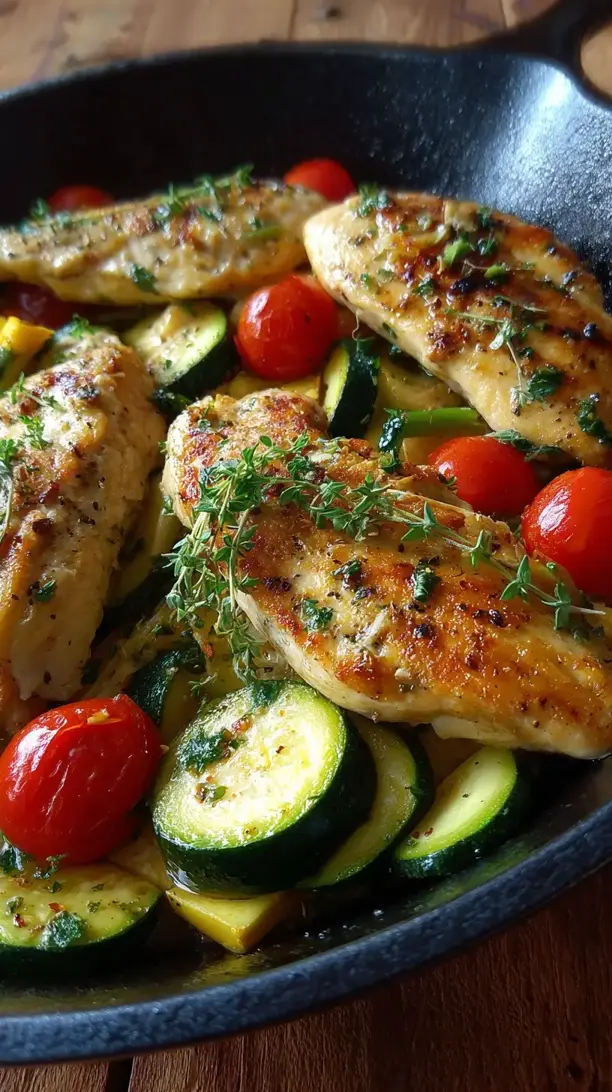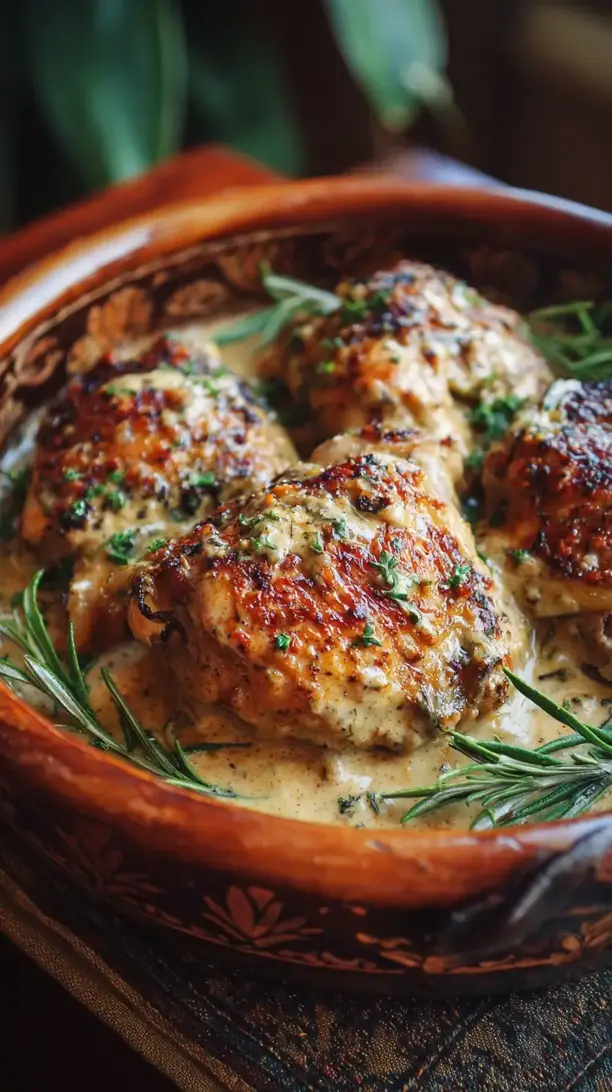
There’s something magical about citrus and chicken—the bright, zesty notes cutting through the rich, savory meat. This Citrus Chicken Breast recipe is elegant enough for company but simple enough for a Tuesday night, with a marinade that keeps the chicken incredibly juicy inside while developing a beautiful golden crust.
If you're looking for the perfect Citrus Chicken Breast, you're in the right place. Whether you love Chicken Breast Recipes or want to explore our Chicken Recipes collection, we've got you covered.



Why You’ll Love This Citrus Chicken Breast
- Balanced flavors: Sweet orange and tangy lemon create a bright, savory harmony.
- Simple to make: Delivers restaurant-quality results with minimal effort.
- Versatile for any occasion: Perfect with rice, salads, or wraps.
- Juiciest chicken breast: Citrus marinade keeps it moist and tender.
Ingredients & Tools
- 4 boneless, skinless chicken breasts (about 150-180g each)
- 1 large orange, juiced (about ½ cup)
- 1 lemon, juiced (about ¼ cup)
- 3 cloves garlic, minced
- 2 tbsp olive oil, plus extra for cooking
- 1 tsp dried oregano or thyme
- ½ tsp smoked paprika (optional, for color)
- 1 tsp honey or maple syrup
- To taste salt and freshly ground black pepper
- For garnish: fresh parsley or thyme, orange or lemon slices
Tools: A large zip-top bag or shallow dish for marinating, a sharp knife, cutting board, citrus juicer (optional but helpful), and a large skillet (oven-safe if finishing in the oven).
Notes: Freshly squeezed juice has more vibrancy than bottled. Honey rounds out the lemon’s sharpness and helps caramelization.
Nutrition (per serving)
| Calories: | 245 kcal |
| Protein: | 35 g |
| Fat: | 9 g |
| Carbs: | 6 g |
| Fiber: | 1 g |
Serves: 4 | Prep Time: 10 minutes (plus 30 minutes marinating) | Cook Time: 15 minutes | Total Time: 55 minutes
Before You Start: Tips & Ingredient Notes
- Pound your chicken breasts evenly. If your chicken breasts are particularly thick, place them between plastic wrap and gently pound to an even ½-inch thickness. This ensures they cook evenly without drying out the thinner edges.
- Don’t marinate for too long. While marinating is essential, the high acidity means you shouldn’t go beyond 2 hours at room temperature or 4-6 hours in the fridge. Any longer and the texture can become slightly mushy.
- Bring chicken to room temperature before cooking. Take the chicken out of the refrigerator about 20 minutes before cooking. This simple step helps it cook more evenly and prevents that rubbery texture.
- Use both fresh and dried herbs. The dried oregano in the marinade provides depth, while fresh herbs as garnish at the end give that bright, aromatic finish. They serve different purposes, so using both creates more complex flavor layers.
- Don’t discard the marinade! You can boil it for a minute or two to create a simple pan sauce—just make sure to boil it thoroughly since it contained raw chicken. This extra step elevates the dish tremendously.
How to Make Citrus Chicken Breast
Step 1: Start by preparing your chicken. If the breasts are uneven, place them between two pieces of plastic wrap or in a zip-top bag and gently pound with a rolling pin or meat mallet until they’re about ½-inch thick throughout. Pat them completely dry with paper towels—this is crucial for getting that beautiful sear rather than steaming the chicken. Season both sides generously with salt and pepper, paying attention to the edges too.
Step 2: In a medium bowl, whisk together the orange juice, lemon juice, minced garlic, olive oil, dried oregano, smoked paprika (if using), and honey. You’ll notice the honey helps emulsify the dressing slightly—the mixture should look cohesive rather than separated. Taste a tiny drop and adjust seasoning if needed, keeping in mind the flavors will concentrate as they cook with the chicken.
Step 3: Place the chicken breasts in a large zip-top bag or shallow baking dish and pour the marinade over them, making sure each piece is well coated. Seal the bag, removing as much air as possible, or cover the dish with plastic wrap. Let it marinate at room temperature for 30 minutes, or in the refrigerator for up to 2 hours if you have more time. Flip the bag or stir the chicken halfway through to ensure even marinating.
Step 4: When ready to cook, remove chicken from the marinade, letting excess drip off, but don’t wipe it clean—those clinging bits will create wonderful flavor. Reserve the marinade if you plan to make a sauce. Heat a large skillet over medium-high heat with a tablespoon of olive oil until it shimmers. Carefully add the chicken breasts, making sure not to crowd the pan—you might need to cook in batches.
Step 5: Cook for 5-7 minutes without moving them, until you see the edges turning opaque and a beautiful golden-brown crust forms on the bottom. You should hear a steady sizzle—if it’s sputtering violently, your heat is too high. The chicken will release easily from the pan when properly seared; if it sticks, give it another minute.
Step 6: Flip the chicken and reduce heat to medium. Cook for another 5-7 minutes, depending on thickness, until the internal temperature reaches 74°C (165°F) and the juices run clear. The second side won’t get as dark since the chicken is cooking through now. If your skillet is oven-safe, you can finish in a 190°C (375°F) oven for more even cooking.
Step 7: Transfer chicken to a clean cutting board and let it rest for at least 5 minutes—this is non-negotiable for juicy results! While resting, you can quickly make a pan sauce by adding the reserved marinade to the hot skillet, bringing it to a boil for 2 minutes to cook off the raw chicken juices, then simmering until slightly thickened.
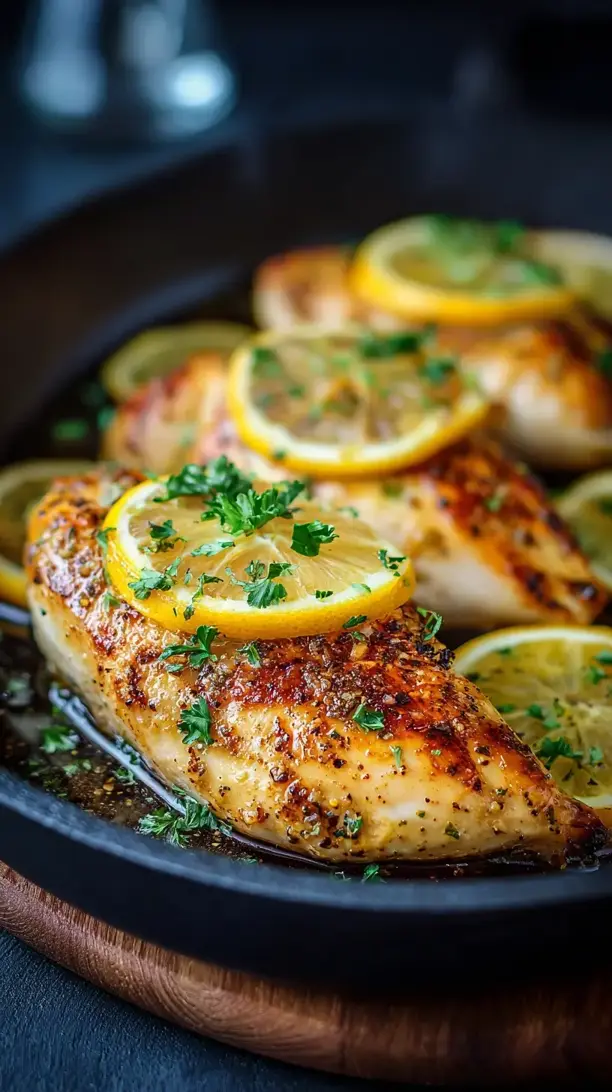
Step 8: Slice the chicken against the grain—you’ll notice those beautiful juicy strands—and arrange on a platter. Spoon any pan sauce over the top and garnish with fresh herbs and citrus slices for that final vibrant touch. The aroma at this point is absolutely incredible—citrusy, savory, and deeply inviting.
Storage & Freshness Guide
- Fridge: Store in an airtight container for 3–4 days.
- Freezer: Freeze marinated raw chicken for up to 3 months, or cooked slices for 2 months.
- Reviving: Reheat gently in a covered skillet with a splash of water or broth to retain moisture.
Serving Suggestions
Complementary Dishes
- Garlic herb quinoa — The nutty flavor of quinoa absorbs the citrus pan sauce beautifully, creating a complete meal that feels both wholesome and elegant.
- Roasted asparagus with parmesan — The earthy, slightly bitter notes of asparagus provide a wonderful contrast to the bright chicken, while the salty parmesan ties everything together.
- Creamy polenta — The rich, comforting texture of polenta creates a lovely base for the chicken and soaks up every drop of that delicious citrus marinade.
Drinks
- Crisp Sauvignon Blanc — The wine’s natural citrus notes mirror the flavors in the chicken while its acidity cuts through the richness, creating a perfect pairing.
- Sparkling water with lemon and mint — For a non-alcoholic option, the bubbles and fresh herbs cleanse the palate between bites and enhance the citrus experience.
- Pale ale or IPA — The hoppy bitterness balances the sweetness of the orange while complementing the savory char on the chicken beautifully.
Something Sweet
- Lemon olive oil cake — Continuing the citrus theme with a dessert that’s moist, not too sweet, and has a wonderful texture that feels like a natural progression from dinner.
- Vanilla bean panna cotta with berry compote — The creamy, delicate panna cotta provides a lovely contrast to the zesty main course, while the berries add a fresh, fruity finish.
- Dark chocolate orange truffles — These bite-sized treats echo the orange in the chicken marinade while providing a rich, decadent ending that satisfies without being too heavy.
Top Mistakes to Avoid
- Over-marinating the chicken. The acid in citrus juice will actually start to “cook” the proteins (similar to ceviche) if left too long, resulting in a mushy, chalky texture rather than tender chicken. Stick to the recommended marinating times.
- Not patting the chicken dry before searing. Excess moisture creates steam instead of allowing that beautiful golden crust to form. Take an extra moment with those paper towels—it makes all the difference between steamed and properly seared chicken.
- Crowding the pan. When you add too many chicken breasts at once, the pan temperature drops dramatically and the chicken releases moisture, essentially steaming instead of searing. Cook in batches if necessary for the best texture and color.
- Skipping the resting time. I know it’s tempting to cut right in, but those 5 minutes allow the juices to redistribute throughout the meat. If you slice immediately, all those precious juices will end up on the cutting board instead of in your mouth.
Expert Tips
- Use a meat thermometer. This is the single most reliable way to achieve perfectly cooked chicken every time. Remove from heat at 74°C (165°F)—the temperature will continue to rise a few degrees during resting, giving you perfectly juicy results without guesswork.
- Add citrus zest to the marinade. The zest contains aromatic oils that pack incredible flavor without additional acidity. Microplane some orange and lemon zest right into your marinade for an extra flavor boost that makes the dish taste brighter and more complex.
- Create a flavor base with aromatics. Before adding your chicken, sauté some thinly sliced shallots or red onion in the pan—they’ll caramelize and create a wonderful foundation that makes the entire dish taste more developed and restaurant-quality.
- Finish with fresh herbs and a squeeze of lemon. Right before serving, sprinkle with fresh parsley or thyme and an extra squeeze of fresh lemon juice. This last-minute addition wakes up all the flavors and adds a fresh, aromatic quality that cooked herbs lose.
- Butter-baste for extra richness. During the last minute of cooking, add a tablespoon of butter to the pan and tilt it slightly, spooning the melted butter over the chicken repeatedly. This French technique creates an incredible flavor and gorgeous color.
FAQs
Can I use bottled citrus juice instead of fresh?
While you can use bottled in a pinch, fresh juice makes a significant difference in flavor. Bottled juice often has preservatives and lacks the bright, vibrant quality of freshly squeezed—plus, you miss out on the zest, which contains amazing aromatic oils. If you must use bottled, try adding a teaspoon of fresh zest to compensate for the flavor difference.
How do I know when the chicken is cooked without cutting into it?
The most reliable method is using a meat thermometer inserted into the thickest part—it should read 74°C (165°F). Without a thermometer, press the chicken with your finger: properly cooked chicken will feel firm but still have a slight give, unlike the softness of raw meat. The juices should run clear, not pink.
Can I make this recipe with chicken thighs instead?
Absolutely! Chicken thighs are more forgiving and stay juicy even if slightly overcooked. Adjust cooking time to 6-8 minutes per side since thighs are typically thinner, and make sure to render the fat side first. The richer flavor of dark meat pairs wonderfully with the bright citrus marinade.
How long does leftover citrus chicken keep in the refrigerator?
Properly stored in an airtight container, it will keep for 3-4 days. The citrus actually helps preserve the chicken slightly. Reheat gently in a covered skillet with a splash of water or chicken broth to prevent drying out, or enjoy cold in salads—the flavors often improve overnight!
Can I freeze the marinated chicken for later use?
Yes, this works beautifully for meal prep! Place the chicken and marinade in a freezer bag, removing as much air as possible, and freeze for up to 3 months. Thaw in the refrigerator overnight before cooking—the acid in the marinade will continue working as it thaws, resulting in even more tender chicken.



Citrus Chicken Breast
Learn how to make juicy, flavorful Citrus Chicken Breast with this easy recipe. Perfect for a quick weeknight meal or elegant dinner. Get the recipe now!
Ingredients
For the Ingredients
-
4 boneless, skinless chicken breasts (about 150-180g each)
-
1 large orange, juiced (about ½ cup)
-
1 lemon, juiced (about ¼ cup)
-
3 cloves garlic (minced)
-
2 tbsp olive oil (plus extra for cooking)
-
1 tsp dried oregano or thyme
-
½ tsp smoked paprika (optional, for color)
-
1 tsp honey or maple syrup
-
salt and freshly ground black pepper (to taste)
-
fresh parsley or thyme, orange or lemon slices (for garnish)
Instructions
-
Start by preparing your chicken. If the breasts are uneven, place them between two pieces of plastic wrap or in a zip-top bag and gently pound with a rolling pin or meat mallet until they’re about ½-inch thick throughout. Pat them completely dry with paper towels—this is crucial for getting that beautiful sear rather than steaming the chicken. Season both sides generously with salt and pepper, paying attention to the edges too.01
-
In a medium bowl, whisk together the orange juice, lemon juice, minced garlic, olive oil, dried oregano, smoked paprika (if using), and honey. You’ll notice the honey helps emulsify the dressing slightly—the mixture should look cohesive rather than separated. Taste a tiny drop and adjust seasoning if needed, keeping in mind the flavors will concentrate as they cook with the chicken.02
-
Place the chicken breasts in a large zip-top bag or shallow baking dish and pour the marinade over them, making sure each piece is well coated. Seal the bag, removing as much air as possible, or cover the dish with plastic wrap. Let it marinate at room temperature for 30 minutes, or in the refrigerator for up to 2 hours if you have more time. Flip the bag or stir the chicken halfway through to ensure even marinating.03
-
When ready to cook, remove chicken from the marinade, letting excess drip off, but don’t wipe it clean—those clinging bits will create wonderful flavor. Reserve the marinade if you plan to make a sauce. Heat a large skillet over medium-high heat with a tablespoon of olive oil until it shimmers. Carefully add the chicken breasts, making sure not to crowd the pan—you might need to cook in batches.04
-
Cook for 5-7 minutes without moving them, until you see the edges turning opaque and a beautiful golden-brown crust forms on the bottom. You should hear a steady sizzle—if it’s sputtering violently, your heat is too high. The chicken will release easily from the pan when properly seared; if it sticks, give it another minute.05
-
Flip the chicken and reduce heat to medium. Cook for another 5-7 minutes, depending on thickness, until the internal temperature reaches 74°C (165°F) and the juices run clear. The second side won’t get as dark since the chicken is cooking through now. If your skillet is oven-safe, you can finish in a 190°C (375°F) oven for more even cooking.06
-
Transfer chicken to a clean cutting board and let it rest for at least 5 minutes—this is non-negotiable for juicy results! While resting, you can quickly make a pan sauce by adding the reserved marinade to the hot skillet, bringing it to a boil for 2 minutes to cook off the raw chicken juices, then simmering until slightly thickened.07
-
Slice the chicken against the grain—you’ll notice those beautiful juicy strands—and arrange on a platter. Spoon any pan sauce over the top and garnish with fresh herbs and citrus slices for that final vibrant touch. The aroma at this point is absolutely incredible—citrusy, savory, and deeply inviting.08
Not what you're looking for?