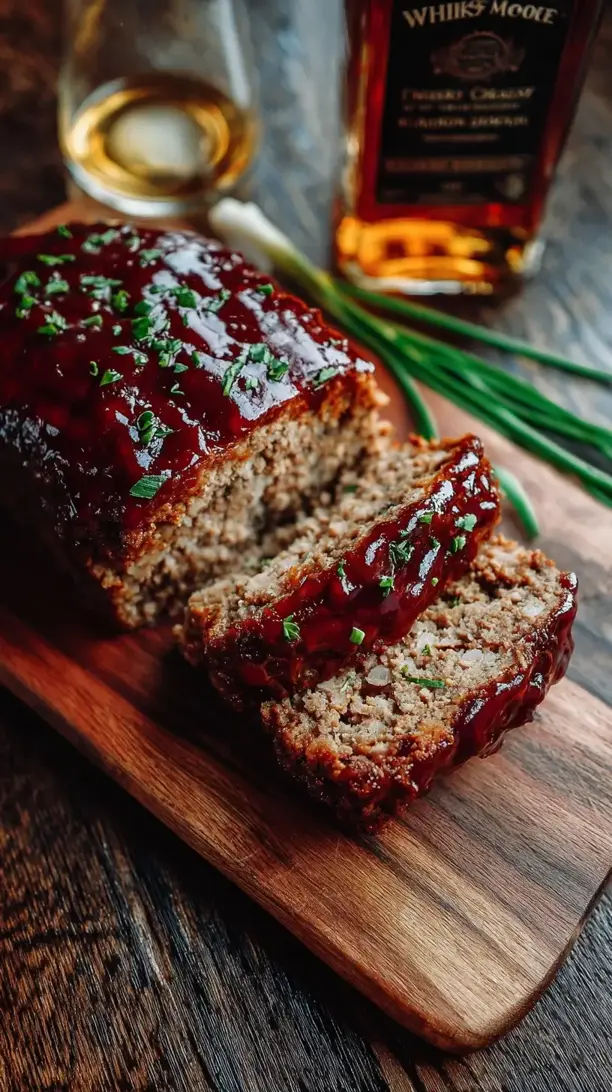
There’s something deeply comforting about a classic meatloaf. This timeless dish delivers a perfectly moist, flavorful loaf with an irresistible tangy-sweet glaze. Whether it’s a busy weeknight or a lazy Sunday supper, this Classic Meatloaf recipe delivers pure, uncomplicated comfort.
Looking for Classic Meatloaf inspiration? You'll love what we have! Explore more Meatloaf Recipes recipes or discover our Chicken Breast Recipes favorites.


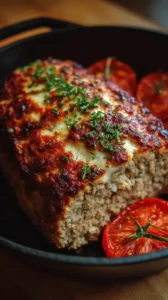
Why You’ll Love This Classic Meatloaf
- Incredibly forgiving: A wonderfully resilient dish that turns out delicious even with slight ingredient variations.
- Deep, complex flavor: A hearty, savory taste balanced by a sweet, caramelized glaze.
- Amazing leftovers: The flavors develop overnight, making for fantastic next-day sandwiches.
- Epitome of comfort: A simple, satisfying meal that feels like a warm hug for everyone at the table.
Ingredients & Tools
- 1 tbsp olive oil
- 1 large yellow onion, finely chopped
- 2 cloves garlic, minced
- 450 g ground beef (80/20 blend is ideal)
- 450 g ground pork
- 100 g dry breadcrumbs
- 2 large eggs, lightly beaten
- 80 ml whole milk
- 2 tbsp Worcestershire sauce
- 1 tbsp Dijon mustard
- 1 tsp dried thyme
- 1/2 tsp smoked paprika
- 1 tsp salt
- 1/2 tsp freshly ground black pepper
- For the Glaze: 120 g ketchup, 2 tbsp brown sugar, 1 tbsp apple cider vinegar
Tools: A standard 9×5-inch loaf pan, a large mixing bowl, a skillet, and a small bowl for the glaze.
Notes: Don’t skip sautéing the onions and garlic—it mellows their sharp bite and adds subtle sweetness. Using a mix of beef and pork gives the perfect balance of rich flavor and tender texture.
Nutrition (per serving)
| Calories: | 420 kcal |
| Protein: | 28 g |
| Fat: | 24 g |
| Carbs: | 20 g |
| Fiber: | 1 g |
Serves: 6 | Prep Time: 20 minutes | Cook Time: 1 hour | Total Time: 1 hour 20 minutes
Before You Start: Tips & Ingredient Notes
- Don’t use lean beef. A little bit of fat (like an 80/20 blend) is crucial for a moist and flavorful meatloaf. If you use extra-lean meat, you risk ending up with a dry, crumbly texture that just isn’t as enjoyable.
- Why the pork and beef combo? Pork adds a wonderful fat content and a slightly sweeter, milder flavor that complements the beef beautifully. Using just beef can sometimes result in a denser, heavier loaf, while the pork keeps it light and tender.
- Panko vs. regular breadcrumbs. You can use either, but they behave a little differently. Panko will give you a slightly lighter, airier texture, while traditional dry breadcrumbs create a more classic, dense consistency. Both work wonderfully, so it’s really a matter of personal preference.
- The glaze is non-negotiable. It might seem like a simple mix of ketchup and sugar, but it transforms in the oven, creating a caramelized, tangy-sweet crust that is the signature of a great meatloaf. Trust me, you don’t want to skip it.
How to Make Classic Meatloaf
Step 1: Start by preheating your oven to 180°C (350°F). Then, grab your skillet and heat the olive oil over a medium heat. Add your finely chopped onion and cook for about 5-7 minutes, until it becomes soft and translucent. You’ll notice the sharp smell fading into something sweeter. Add the minced garlic and cook for just one more minute—you just want to wake up its aroma, not burn it. Set this mixture aside to cool slightly while you prepare everything else.
Step 2: In your large mixing bowl, combine the ground beef and ground pork. It’s best to use your hands for this—it’s the easiest way to get an even distribution without overworking the meat. Add the cooled onion and garlic mixture, followed by the breadcrumbs, beaten eggs, milk, Worcestershire sauce, Dijon mustard, dried thyme, smoked paprika, salt, and pepper.
Step 3: Now, here’s the important part: mix everything together until it’s just combined. Use a light touch and try to do this as quickly as possible. Overmixing is the enemy of a tender meatloaf—it develops the proteins too much and can make the final texture tough and dense. You just want to see no more streaks of plain breadcrumb or egg.
Step 4: Transfer the meat mixture to your ungreased loaf pan. Why no grease? The fat from the meat will render out as it cooks, preventing it from sticking. Use your hands or a spatula to press the mixture firmly into the pan, creating an even, compact loaf that’s flat on top. This helps it cook evenly from edge to center.
Step 5: In a small bowl, whisk together the ketchup, brown sugar, and apple cider vinegar for the glaze. You’ll end up with a thick, spoonable sauce. Pour about two-thirds of this glaze over the top of the meatloaf, using a spoon or a pastry brush to spread it into an even layer that covers the entire surface.
Step 6: Place the loaf pan in the preheated oven and bake for 30 minutes. After this time, carefully remove it and spread the remaining glaze over the top. This two-stage glazing gives you a beautiful, built-up, caramelized coating. Return it to the oven for another 30-35 minutes.
Step 7: The meatloaf is done when the internal temperature reaches 70°C (160°F) on an instant-read thermometer. The top should be glistening and caramelized, and the meat will have pulled away from the sides of the pan slightly. Once it’s out of the oven, let it rest in the pan for at least 10-15 minutes. This is non-negotiable—it allows the juices to redistribute, ensuring every slice is moist and holds together perfectly.
Storage & Freshness Guide
- Fridge: Cool completely, wrap tightly, and store for up to 4 days.
- Freezer: Wrap slices individually and freeze for up to 3 months.
- Reviving: Reheat gently in a covered dish with a splash of broth to maintain moisture.
Serving Suggestions
Complementary Dishes
- Creamy Mashed Potatoes — The ultimate pairing. The fluffy, buttery potatoes are the perfect vehicle for sopping up any juices and that delicious glaze from the meatloaf.
- Buttered Green Beans with Almonds — A simple, crisp-tender side that adds a fresh, green element and a nice textural crunch to balance the rich, soft meatloaf.
- Macaroni and Cheese — For the ultimate comfort food feast. The creamy, cheesy pasta is a crowd-pleaser that complements the savory notes of the loaf beautifully.
Drinks
- A Malty Brown Ale — The nutty, caramel notes in the beer mirror the sweetness of the glaze and stand up nicely to the hearty meat flavors without overpowering them.
- Iced Tea with Lemon — A classic, non-alcoholic option. Its brisk, slightly tannic quality cuts through the richness of the meal and cleanses the palate.
Something Sweet
- Warm Apple Crumble — You’ve already got the oven on! The warm, spiced apples and crunchy oat topping continue the homey, comforting vibe of the main course.
- Rich Chocolate Pudding — A cool, silky, and deeply chocolatey dessert provides a lovely contrast in temperature and flavor after the savory main event.
Top Mistakes to Avoid
- Mistake: Overmixing the meat. This is the number one reason for a tough, dense meatloaf. When you work the meat too much, the proteins tighten up, creating a rubbery texture similar to a sausage. Mix just until combined—a few stray breadcrumbs are fine!
- Mistake: Skipping the rest time. I know it’s tempting to slice right in, but if you cut into the meatloaf straight from the oven, all the precious juices will run out onto the cutting board, leaving you with a drier result. Letting it rest allows the fibers to relax and reabsorb those juices.
- Mistake: Packing the loaf pan too tightly. While you do want a compact shape, pressing the meat mixture down with excessive force can also contribute to a denser final product. Gently press it in to form the loaf shape without squishing it.
- Mistake: Not using a thermometer. Guessing doneness is a risky game. An instant-read thermometer is your best friend here, ensuring the meatloaf is perfectly cooked and safe to eat without being overdone and dry.
Expert Tips
- Tip: Soak your breadcrumbs. For an even more tender texture, try soaking your dry breadcrumbs in the milk for about 5-10 minutes before adding them to the meat mixture. This creates a panade, a paste that helps to lock in moisture and prevent the proteins from tightening up too much during cooking.
- Tip: Freeze individual slices. Meatloaf freezes beautifully! Once it’s fully cooled, slice it, wrap the slices individually in plastic wrap, and store them in a freezer bag. You can then reheat a single serving straight from frozen for a quick and easy meal anytime.
- Tip: Try a free-form loaf. For more surface area and therefore more of that delicious glaze, you can shape the meat mixture into a loaf directly on a parchment-lined baking sheet instead of using a pan. It will cook a little faster, so keep an eye on the temperature.
- Tip: Add a secret ingredient. For a deeper, umami-rich flavor, try adding a tablespoon of soy sauce or fish sauce to the meat mixture. It sounds unconventional, but it enhances the savory notes without making the loaf taste like soy or fish.
FAQs
Can I make meatloaf ahead of time?
Absolutely, and it’s a great time-saver. You can assemble the entire meatloaf, cover it tightly with plastic wrap, and keep it in the refrigerator for up to 24 hours before you plan to bake it. You might need to add a few extra minutes to the baking time since it will be going into the oven cold. You can also freeze the unbaked loaf for up to 3 months; just thaw it in the fridge overnight before baking.
Why did my meatloaf fall apart when I sliced it?
This usually happens for one of two reasons. First, it might not have been allowed to rest long enough after baking. That rest period is critical for the structure to set. Second, there might not have been enough of a binder—the eggs and breadcrumbs are there to hold everything together. If you reduce them too much, the loaf can become crumbly.
Can I use all beef instead of a beef/pork mix?
You can, but the texture and flavor will be different. An all-beef meatloaf tends to be denser and have a stronger, beefier flavor. If you go this route, I’d recommend using a beef blend with a higher fat content (nothing leaner than 85/15) to help keep it from drying out.
What’s the best way to reheat leftovers?
The key is to reheat it gently to prevent it from drying out. The best method is to place slices in a baking dish with a splash of broth or water, cover it tightly with foil, and warm it in a 160°C (325°F) oven for 15-20 minutes. You can also microwave it, but use a lower power setting and cover it with a damp paper towel.
Can I add other ingredients like vegetables?
Of course! Finely grated carrot or zucchini, or even finely chopped mushrooms, can be a wonderful addition. Just be aware that vegetables with high water content (like zucchini) should be squeezed dry in a clean kitchen towel after grating to prevent them from making the meatloaf soggy. Sauté them with the onions to soften them up first.

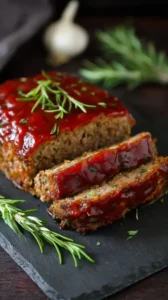


Classic Meatloaf
Make the perfect Classic Meatloaf with our easy recipe! Moist, flavorful, and topped with a tangy-sweet glaze. Get the step-by-step guide and bake it tonight.
Ingredients
For the Meatloaf:
-
1 tbsp olive oil
-
1 large yellow onion (finely chopped)
-
2 cloves garlic (minced)
-
450 g ground beef (80/20 blend is ideal)
-
450 g ground pork
-
100 g dry breadcrumbs
-
2 large eggs (lightly beaten)
-
80 ml whole milk
-
2 tbsp Worcestershire sauce
-
1 tbsp Dijon mustard
-
1 tsp dried thyme
-
1/2 tsp smoked paprika
-
1 tsp salt
-
1/2 tsp freshly ground black pepper
For the Glaze:
-
120 g ketchup
-
2 tbsp brown sugar
-
1 tbsp apple cider vinegar
Instructions
-
Start by preheating your oven to 180°C (350°F). Then, grab your skillet and heat the olive oil over a medium heat. Add your finely chopped onion and cook for about 5-7 minutes, until it becomes soft and translucent. You’ll notice the sharp smell fading into something sweeter. Add the minced garlic and cook for just one more minute—you just want to wake up its aroma, not burn it. Set this mixture aside to cool slightly while you prepare everything else.01
-
In your large mixing bowl, combine the ground beef and ground pork. It’s best to use your hands for this—it’s the easiest way to get an even distribution without overworking the meat. Add the cooled onion and garlic mixture, followed by the breadcrumbs, beaten eggs, milk, Worcestershire sauce, Dijon mustard, dried thyme, smoked paprika, salt, and pepper.02
-
Now, here’s the important part: mix everything together until it’s just combined. Use a light touch and try to do this as quickly as possible. Overmixing is the enemy of a tender meatloaf—it develops the proteins too much and can make the final texture tough and dense. You just want to see no more streaks of plain breadcrumb or egg.03
-
Transfer the meat mixture to your ungreased loaf pan. Why no grease? The fat from the meat will render out as it cooks, preventing it from sticking. Use your hands or a spatula to press the mixture firmly into the pan, creating an even, compact loaf that’s flat on top. This helps it cook evenly from edge to center.04
-
In a small bowl, whisk together the ketchup, brown sugar, and apple cider vinegar for the glaze. You’ll end up with a thick, spoonable sauce. Pour about two-thirds of this glaze over the top of the meatloaf, using a spoon or a pastry brush to spread it into an even layer that covers the entire surface.05
-
Place the loaf pan in the preheated oven and bake for 30 minutes. After this time, carefully remove it and spread the remaining glaze over the top. This two-stage glazing gives you a beautiful, built-up, caramelized coating. Return it to the oven for another 30-35 minutes.06
-
The meatloaf is done when the internal temperature reaches 70°C (160°F) on an instant-read thermometer. The top should be glistening and caramelized, and the meat will have pulled away from the sides of the pan slightly. Once it's out of the oven, let it rest in the pan for at least 10-15 minutes. This is non-negotiable—it allows the juices to redistribute, ensuring every slice is moist and holds together perfectly.07
Not what you're looking for?