
This Coconut Curry Chicken Thighs recipe delivers rich, aromatic flavor with minimal effort. Tender chicken simmers in a creamy, spiced coconut sauce for a comforting one-pot meal. It’s a weeknight favorite that feels impressively complex.
Nothing beats a great Coconut Curry Chicken Thighs. Whether you're a fan of Chicken Thigh Recipes or want to try something from our Burgers selection, keep scrolling!
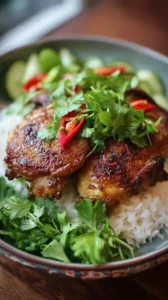

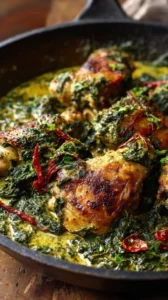
Why You’ll Love This Coconut Curry Chicken Thighs
- One-Pot Wonder: Maximum flavor with minimal cleanup.
- Complex Flavor: Toasted spices and creamy coconut create a deeply aromatic sauce.
- Wonderfully Adaptable: Toss in your favorite veggies or use what’s on hand.
- Fantastic Leftovers: Flavors meld and deepen overnight for even better next-day meals.
Ingredients & Tools
- 1.5 lbs (680 g) boneless, skinless chicken thighs
- 1 tbsp neutral oil (like avocado or grapeseed)
- 1 large yellow onion, finely diced
- 4 garlic cloves, minced
- 1 tbsp fresh ginger, grated
- 2 tbsp red curry paste
- 1 tsp ground turmeric
- 1/2 tsp ground coriander
- 1 (14 oz / 400 ml) can full-fat coconut milk
- 1 cup chicken broth
- 1 tbsp fish sauce
- 1 tbsp brown sugar or coconut sugar
- 1 lime, juiced
- 1/4 cup fresh cilantro, chopped
- To taste salt and freshly ground black pepper
Tools: A large, heavy-bottomed pot or Dutch oven, a wooden spoon, and a sharp knife.
Notes: Use full-fat coconut milk for a luxuriously creamy texture. Fish sauce adds savory depth without a fishy taste.
Nutrition (per serving)
| Calories: | 485 kcal |
| Protein: | 35 g |
| Fat: | 34 g |
| Carbs: | 12 g |
| Fiber: | 2 g |
Serves: 4 | Prep Time: 15 minutes | Cook Time: 30 minutes | Total Time: 45 minutes
Before You Start: Tips & Ingredient Notes
- Why chicken thighs? Chicken thighs are my top choice for curries because they stay incredibly juicy and tender, even if you accidentally overcook them a little. Their higher fat content means they won’t dry out like breast meat can.
- Is your curry paste fresh? The quality and freshness of your red curry paste will dramatically impact the final flavor. If the oil in the jar has separated and looks dark, it’s probably past its prime. A vibrant, aromatic paste is key.
- Don’t rush the onion. Taking the time to properly sauté the onion until it’s soft and translucent is a foundational step. This sweet, savory base is what builds the first layer of flavor in your sauce.
- Have everything prepped and ready. Curry-making moves quickly once you start adding ingredients. Having your garlic, ginger, and spices measured out and within arm’s reach—your *mise en place*—makes the process smooth and stress-free.
How to Make Coconut Curry Chicken Thighs
Step 1: Pat the chicken thighs completely dry with paper towels and season generously with salt and pepper on both sides. This step is crucial for getting a nice sear and ensuring the seasoning penetrates the meat. Heat the oil in your large pot or Dutch oven over medium-high heat until it shimmers.
Step 2: Carefully add the chicken thighs to the hot oil, making sure not to overcrowd the pot. You might need to do this in two batches. Sear them for about 4-5 minutes per side, until they develop a beautiful golden-brown crust. They don’t need to be cooked through at this point. Remove the chicken from the pot and set it aside on a plate.
Step 3: Reduce the heat to medium and add the diced onion to the same pot. You’ll notice all those delicious browned bits from the chicken at the bottom—that’s pure flavor! Sauté the onion for 5-7 minutes, stirring occasionally, until it’s softened and translucent. If the pot looks dry, you can add a tiny splash of broth to help scrape up those browned bits.
Step 4: Add the minced garlic and grated ginger to the pot. Stir constantly for about 60 seconds, just until they become incredibly fragrant. Be careful not to let them burn, as burnt garlic can turn bitter. This quick cook unlocks their aromatic oils.
Step 5: Now, add the red curry paste, turmeric, and coriander to the pot. Stir it into the onion mixture and cook for another minute. You’ll see the color deepen and the aroma intensify as the spices “toast.” This process wakes up their essential oils and makes the flavor of your curry much more complex and vibrant.
Step 6: Pour in the coconut milk and chicken broth, and add the fish sauce and brown sugar. Use your wooden spoon to scrape any remaining browned bits from the bottom of the pot. Bring the sauce to a gentle simmer, then reduce the heat to low.
Step 7: Return the seared chicken thighs and any accumulated juices from the plate back into the pot, nestling them into the simmering sauce. Let the curry cook uncovered for 15-20 minutes, until the chicken is cooked through and tender. The sauce will thicken slightly as it simmers.
Step 8: Turn off the heat. Stir in the fresh lime juice and half of the chopped cilantro. Taste the sauce—this is your moment to adjust the seasoning. Does it need a pinch more salt? A touch more lime? Adjust to your liking. The lime juice at the end brightens everything up beautifully.
Step 9: Serve the curry immediately, garnished with the remaining fresh cilantro. It’s perfect spooned over a bed of fluffy jasmine rice to soak up all that incredible sauce.
Storage & Freshness Guide
- Fridge: Cool completely and store in an airtight container for up to 3 days.
- Freezer: Freeze in a sealed container for up to 3 months. Stir after reheating to recombine.
- Reviving: Reheat gently on the stovetop. Add fresh lime juice and cilantro before serving.
Serving Suggestions
Complementary Dishes
- Jasmine or Basmati Rice — The fluffy, fragrant grains are the perfect neutral canvas to soak up every last drop of the rich, creamy curry sauce.
- Simple Cucumber Salad — A quick salad of thinly sliced cucumbers with a little rice vinegar and salt provides a crisp, cool, and acidic contrast that cuts through the richness of the curry.
- Garlic Naan or Roti — There’s nothing quite like using a piece of warm, buttery flatbread to scoop up bites of chicken and sauce. It’s an interactive and utterly delicious experience.
Drinks
- A Crisp Lager or Pale Ale — The carbonation and slight bitterness of a cold beer help cleanse the palate between bites, making each spoonful taste as vibrant as the first.
- Off-Dry Riesling — A wine with a hint of sweetness and bright acidity balances the spice and richness of the curry beautifully, creating a really harmonious pairing.
- Sparkling Water with Lime — For a non-alcoholic option, the bubbles and citrus are incredibly refreshing and help reset your taste buds, especially if you’ve added a good amount of spice.
Something Sweet
- Mango Sticky Rice — This classic Southeast Asian dessert continues the tropical theme. The sweet, creamy mango and sticky coconut rice are a dreamy follow-up to the savory curry.
- Coconut Sorbet — A few scoops of clean, simple coconut sorbet are light and refreshing, offering a cool, sweet finish that complements the meal without being too heavy.
- Pineapple Upside-Down Cake — The caramelized pineapple and buttery cake bring a warm, comforting sweetness that feels like a natural extension of the curry’s flavor profile.
Top Mistakes to Avoid
- Mistake: Not searing the chicken properly. A good sear isn’t just for color; it creates a ton of flavor through the Maillard reaction. If you don’t get a golden crust, you’re missing out on a key layer of taste.
- Mistake: Adding the garlic and ginger with the onion. If you add them at the same time, they’ll likely burn by the time the onion is soft. Burnt garlic is bitter, so add them later for just a quick, fragrant sauté.
- Mistake: Skipping the taste test at the end. Curries need balancing. Without that final taste and adjustment with lime juice or salt, the flavors can fall flat. That last-minute seasoning is what makes it sing.
- Mistake: Using light coconut milk. I’ve messed this up before too, thinking I’d save a few calories. The sauce ends up thin and watery, lacking the luxurious, creamy body that makes this dish so special.
Expert Tips
- Tip: Bloom your spices. Take that extra minute to cook the curry paste and ground spices in the oil with the aromatics. This step, called “blooming,” dramatically deepens and rounds out their flavor compared to just stirring them into the liquid.
- Tip: Shred the chicken for a different texture. After the chicken is cooked, you can remove it, shred it with two forks, and stir it back into the sauce. This gives you more chicken in every bite and is great for serving in bowls.
- Tip: Make it ahead. This curry is a fantastic make-ahead meal. Let it cool completely and store it in the fridge for up to 3 days. The flavors will meld and become even more delicious. Reheat gently on the stovetop.
- Tip: Control your spice level. The heat primarily comes from the red curry paste. Start with the recommended amount, then you can always stir in an extra teaspoon at the end if you want more kick. It’s easier to add heat than to take it away.
FAQs
Can I use chicken breasts instead of thighs?
You absolutely can, but you’ll need to adjust the cooking time. Chicken breasts cook faster and are leaner, so they can easily become dry and tough if overcooked. If using breasts, sear them as directed, but then only simmer them in the sauce for 10-12 minutes, or until just cooked through. I’d recommend cutting them into smaller, uniform pieces to ensure even cooking and to help them stay tender.
How can I make this curry vegetarian or vegan?
It’s a very easy swap! Replace the chicken thighs with a can of drained and rinsed chickpeas or a block of firm tofu, cubed and pan-seared. Use vegetable broth instead of chicken broth, and substitute soy sauce or a vegan fish sauce alternative. The cooking method remains largely the same—just simmer your plant-based protein in the sauce for about 10 minutes to heat through and absorb the flavors.
My curry sauce is too thin. How can I thicken it?
The easiest way is to let it simmer uncovered for a bit longer. The excess liquid will evaporate, naturally thickening the sauce. If you’re in a real hurry, you can make a quick slurry by mixing one teaspoon of cornstarch with one tablespoon of cold water. Stir this into the simmering curry and it will thicken up in just a minute or two.
Can I freeze this coconut curry?
Yes, it freezes quite well! Let the curry cool completely, then transfer it to an airtight, freezer-safe container. It will keep for up to 3 months. The texture of the coconut milk might separate slightly upon thawing, but a good stir after reheating will bring it right back together. I’d recommend adding fresh cilantro and lime juice after you reheat it to brighten it up again.
What other vegetables can I add?
This curry is a fantastic vehicle for vegetables! Sturdy veggies like diced bell peppers, cauliflower florets, or sweet potatoes can be added with the onion to give them time to soften. For quicker-cooking greens like spinach or kale, simply stir them in during the last 5 minutes of cooking until they’ve wilted. Feel free to get creative and use what you love or what needs using up in your crisper drawer.


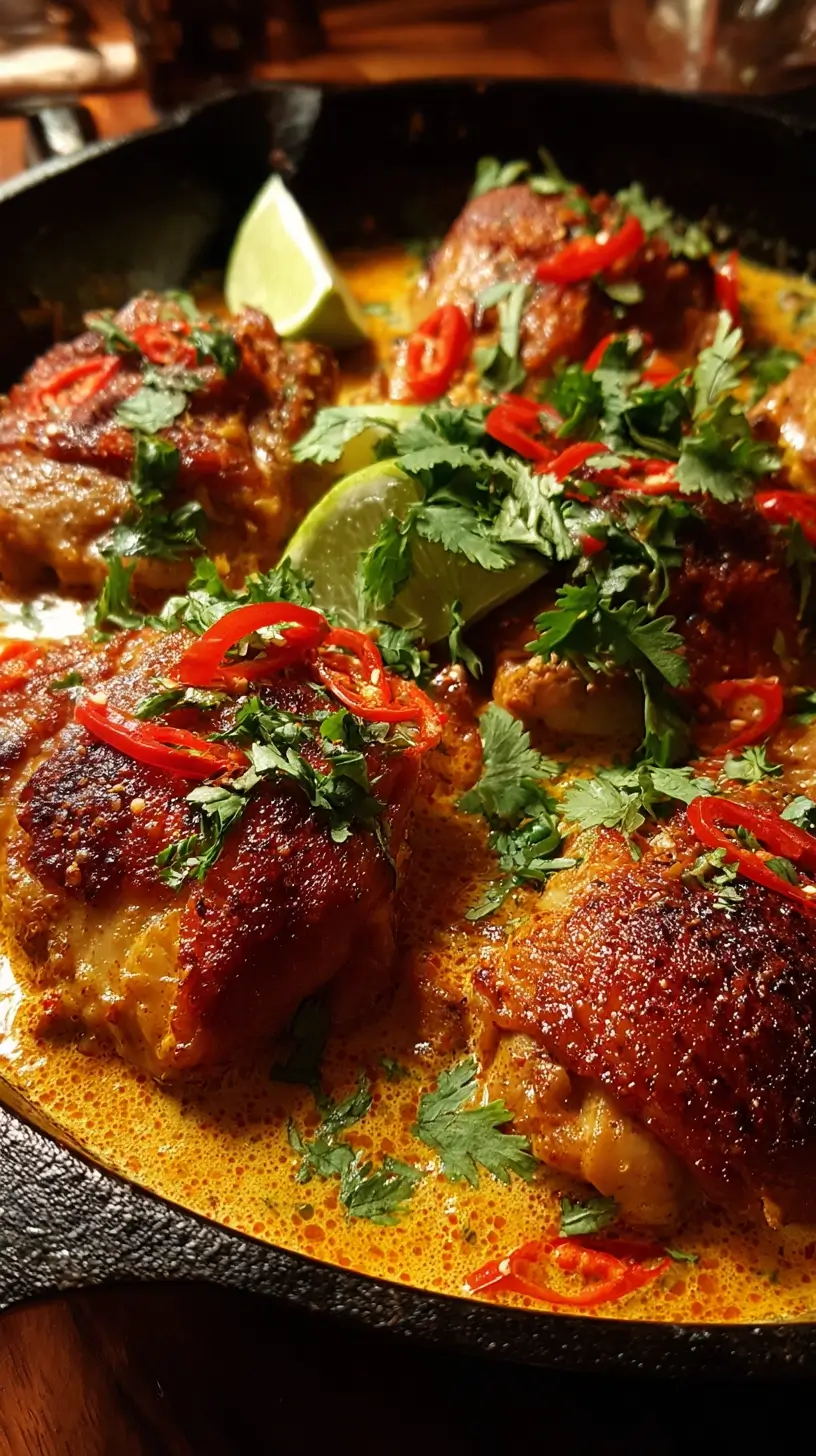
Coconut Curry Chicken Thighs
Make this easy Coconut Curry Chicken Thighs recipe for a creamy, one-pot meal ready in 45 minutes. Get the step-by-step guide and cook it tonight!
Ingredients
For the Ingredients
-
1.5 lbs boneless, skinless chicken thighs (680 g)
-
1 tbsp neutral oil (like avocado or grapeseed)
-
1 large yellow onion (finely diced)
-
4 cloves garlic (minced)
-
1 tbsp fresh ginger (grated)
-
2 tbsp red curry paste
-
1 tsp ground turmeric
-
0.5 tsp ground coriander
-
1 can full-fat coconut milk (14 oz / 400 ml)
-
1 cup chicken broth
-
1 tbsp fish sauce
-
1 tbsp brown sugar or coconut sugar
-
1 lime (juiced)
-
0.25 cup fresh cilantro (chopped)
-
salt and freshly ground black pepper (to taste)
Instructions
-
Pat the chicken thighs completely dry with paper towels and season generously with salt and pepper on both sides. Heat the oil in your large pot or Dutch oven over medium-high heat until it shimmers.01
-
Carefully add the chicken thighs to the hot oil, making sure not to overcrowd the pot. Sear them for about 4-5 minutes per side, until they develop a beautiful golden-brown crust. Remove the chicken from the pot and set it aside on a plate.02
-
Reduce the heat to medium and add the diced onion to the same pot. Sauté the onion for 5-7 minutes, stirring occasionally, until it’s softened and translucent.03
-
Add the minced garlic and grated ginger to the pot. Stir constantly for about 60 seconds, just until they become incredibly fragrant.04
-
Add the red curry paste, turmeric, and coriander to the pot. Stir it into the onion mixture and cook for another minute.05
-
Pour in the coconut milk and chicken broth, and add the fish sauce and brown sugar. Use your wooden spoon to scrape any remaining browned bits from the bottom of the pot. Bring the sauce to a gentle simmer, then reduce the heat to low.06
-
Return the seared chicken thighs and any accumulated juices from the plate back into the pot, nestling them into the simmering sauce. Let the curry cook uncovered for 15-20 minutes, until the chicken is cooked through and tender.07
-
Turn off the heat. Stir in the fresh lime juice and half of the chopped cilantro. Taste the sauce and adjust the seasoning to your liking.08
-
Serve the curry immediately, garnished with the remaining fresh cilantro.09
Not what you're looking for?


