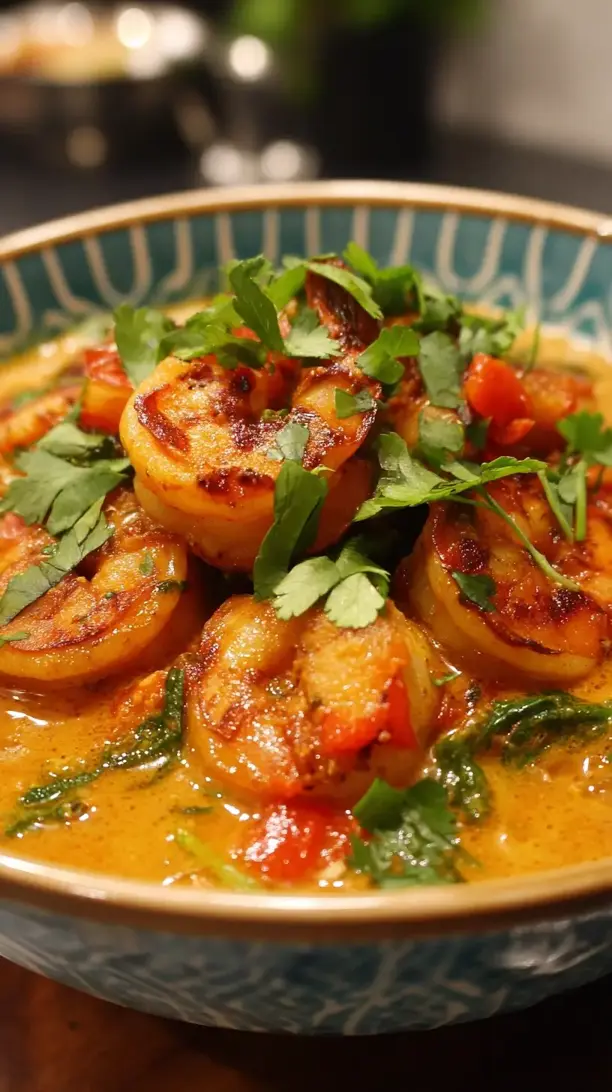
This Coconut Curry Shrimp is a warm, aromatic dish that comes together in under 30 minutes. Plump shrimp swim in a creamy coconut sauce spiced with ginger, garlic, and curry paste. It’s a luxurious yet easy weeknight meal with a perfect balance of richness and bright lime.
Craving a delicious Coconut Curry Shrimp? You've come to the right spot! From Dinner Ideas favorites to amazing Christmas Cookie recipes, there's something here for everyone.



Why You’ll Love This Coconut Curry Shrimp
- Fast & Fuss-Free: Ready in about 20 minutes of active cooking.
- Complex Flavor: Creamy coconut, fragrant curry, and zesty lime create a symphony.
- Highly Adaptable: Easily adjust heat or add your favorite vegetables.
- Restaurant-Quality: Impressive presentation and aroma feel special.
Ingredients & Tools
- 1 lb (450 g) large raw shrimp, peeled and deveined
- 1 tbsp coconut oil or avocado oil
- 1 medium yellow onion, finely diced
- 3 cloves garlic, minced
- 1 tbsp fresh ginger, grated
- 2-3 tbsp red curry paste
- 1 (13.5 oz / 400 ml) can full-fat coconut milk
- 1 tbsp fish sauce
- 1 tsp coconut aminos or soy sauce
- 1 lime, juiced
- 1 tsp erythritol or a pinch of your preferred sweetener (optional)
- ¼ cup fresh cilantro, chopped
- Salt to taste
Tools: A large skillet or sauté pan, a microplane or fine grater for the ginger, and a good wooden spoon.
Notes: Use a vibrant red curry paste and full-fat coconut milk for the best flavor and creamy texture.
Nutrition (per serving)
| Calories: | 320 kcal |
| Protein: | 25 g |
| Fat: | 22 g |
| Carbs: | 8 g |
| Fiber: | 2 g |
Serves: 4 | Prep Time: 10 minutes | Cook Time: 15 minutes | Total Time: 25 minutes
Before You Start: Tips & Ingredient Notes
- Get your shrimp ready. Make sure your shrimp are peeled, deveined, and patted completely dry with a paper towel. This helps them sear nicely instead of steaming, which gives them a much better texture in the final dish.
- Don’t rush the aromatics. When you sauté the onion, garlic, and ginger, take a full minute or two to let them become fragrant. This isn’t just cooking—you’re building the flavor foundation of your entire curry, so let them get golden and smell amazing.
- Taste your curry paste first. Different brands of red curry paste can vary wildly in heat level and saltiness. Give it a tiny taste on a spoon so you know what you’re working with before you add the full amount to the pan.
- Shake your coconut milk can. Always give the can a really good shake before you open it. This helps to emulsify the coconut cream and water that can separate, ensuring you get a consistently creamy sauce from the very beginning.
How to Make Coconut Curry Shrimp
Step 1: Start by prepping all your ingredients. This is a fast-moving recipe, so having everything measured and within arm’s reach—what chefs call *mise en place*—makes the process smooth and enjoyable. Pat your shrimp dry and season them lightly with a pinch of salt. You’ll notice that dry shrimp get a much nicer sear.
Step 2: Heat the coconut oil in your large skillet over medium-high heat. Once the oil is shimmering, add the shrimp in a single layer. You’re not cooking them through here—just searing for about 1-2 minutes per side until they’re pink and slightly curled. They should still be a little translucent in the middle. Remove them to a clean plate and set aside; they’ll finish cooking later in the sauce.
Step 3: Reduce the heat to medium and add the diced onion to the same skillet. Sauté for 3-4 minutes until it becomes soft and translucent. Now, add the minced garlic and grated ginger. The aroma at this point is just incredible—savory and sweet all at once. Cook for another minute, stirring constantly so the garlic doesn’t burn.
Step 4: It’s time for the curry paste. Push the onions to one side and add your curry paste to the center of the pan. Let it cook for 30-60 seconds, mashing and stirring it around. This “blooms” the spices in the paste, waking up their flavors and releasing their oils, which will make your curry taste much more complex and deep.
Step 5: Pour in the coconut milk, and use your wooden spoon to scrape up any browned bits from the bottom of the pan—that’s pure flavor! Stir everything together until the curry paste is fully dissolved into the milk. Let it come to a gentle simmer, then stir in the fish sauce, coconut aminos, and optional sweetener.
Step 6: Now, return the partially cooked shrimp to the skillet, along with any juices that accumulated on the plate. Let everything simmer together for 2-3 minutes, just until the shrimp are fully cooked through and opaque. The sauce should have thickened slightly and coated the shrimp beautifully.
Step 7: Turn off the heat. This is the crucial moment for the lime juice and cilantro. Stir them in right at the end. Adding the lime juice off the heat preserves its bright, fresh acidity, which cuts through the richness of the coconut milk perfectly. Give the sauce a final taste and adjust the seasoning with a little more salt or fish sauce if needed.
Storage & Freshness Guide
- Fridge: Store in an airtight container for up to 2 days.
- Freezer: Freezing is not recommended due to the shrimp’s texture change.
- Reviving: Reheat gently in a skillet; add a splash of water or broth if sauce thickens.
Serving Suggestions
Complementary Dishes
- Cauliflower Rice — The mild, slightly nutty flavor of cauliflower rice is the perfect vehicle for soaking up every last drop of that delicious coconut curry sauce without overpowering the main event.
- Steamed Broccoli or Green Beans — A simple side of steamed green veggies adds a lovely textural contrast and a fresh, clean element that balances the richness of the curry.
- Zucchini Noodles (Zoodles) — For a more noodle-like experience, a bed of lightly sautéed zoodles feels satisfying and twirl-able, making the meal a little more fun and interactive.
Drinks
- Iced Herbal Tea — A chilled, unsweetened herbal tea like lemongrass or peppermint provides a refreshing, palate-cleansing counterpoint to the creamy, spiced curry.
- Dry Riesling or Sauvignon Blanc — If you enjoy wine, a glass of crisp, acidic white wine complements the spices beautifully and enhances the tropical notes in the dish.
- Sparkling Water with Lime — Sometimes the simplest option is the best. The bubbles and citrus are incredibly effective at resetting your taste buds between bites.
Something Sweet
- A Few Fresh Berries — A small bowl of raspberries or strawberries offers a tart, juicy, and low-carb finish that feels light and satisfying after a rich meal.
- Dark Chocolate Square — A single square of high-cocoa dark chocolate (85% or higher) slowly melted on the tongue provides a deep, bittersweet endnote that contrasts wonderfully with the curry’s flavors.
- Coconut Chia Pudding — Continuing the coconut theme with a cool, creamy chia pudding made with coconut milk and a drop of vanilla feels like a natural and decadent progression.
Top Mistakes to Avoid
- Overcooking the shrimp. Shrimp cook in a flash and become rubbery and tough if left in the heat for too long. The trick is to sear them quickly, remove them, and only return them to the sauce for the final few minutes to heat through.
- Using light coconut milk. I know it’s tempting to save a few calories, but light coconut milk will leave you with a thin, watery sauce that lacks the luxurious body and richness this dish is known for. Full-fat is the only way to go here.
- Adding the lime juice too early. If you add the fresh lime juice while the curry is still actively boiling, the heat will cause it to lose its bright, vibrant acidity. Stir it in right at the end, off the heat, to keep that zesty punch.
- Not tasting as you go. Curries are all about balance. The saltiness of your fish sauce, the heat of your curry paste, and the tang of your lime can all vary. Taste the sauce before serving and adjust the seasoning—it’s the single most important step.
Expert Tips
- Tip: For an even deeper flavor, try toasting your own curry spices. Lightly toast whole coriander seeds, cumin seeds, and dried red chilies in a dry pan, then grind them into a powder to mix with a little oil for your own fresh paste base. The difference in aroma is unbelievable.
- Tip: If your sauce is a bit too thin for your liking, let it simmer for a few extra minutes uncovered to reduce and thicken. If it’s too thick, just splash in a tablespoon or two of water or chicken broth until it reaches your desired consistency.
- Tip: For a beautiful restaurant-style presentation, garnish with extra cilantro leaves, a few thin slices of fresh red chili for a pop of color, and a final drizzle of coconut cream right from the top of the can.
- Tip: To make this ahead, you can prepare the entire curry base (through step 5) and store it in the fridge. When you’re ready to eat, gently reheat the sauce, then add the raw shrimp and simmer until they are cooked through, finishing with the lime and cilantro.
FAQs
Can I use frozen shrimp?
Absolutely, and it’s often more convenient! Just make sure to thaw them properly first. The best method is to place them in a colander and run cold water over them for a few minutes until completely thawed. Then, pat them very dry with paper towels. Using frozen shrimp that haven’t been thoroughly dried will release a lot of water into your pan and prevent a good sear.
What can I use instead of fish sauce?
If you don’t have fish sauce or prefer a vegetarian version, you have a couple of great options. Coconut aminos will add a similar salty-umami depth, or you can use a tablespoon of soy sauce. For a completely fish-free alternative, a teaspoon of white miso paste dissolved in a little warm water works surprisingly well to replicate that savory complexity.
How do I store and reheat leftovers?
Store any leftovers in an airtight container in the refrigerator for up to 2 days. To reheat, gently warm it in a skillet over low heat, stirring occasionally. Avoid the microwave if you can, as it can easily overcook the shrimp and make them rubbery. If the sauce has thickened too much in the fridge, add a tiny splash of water or broth while reheating.
My curry is too spicy! How can I fix it?
Don’t worry, this is an easy fix! The best way to tame the heat is by adding more fat and acidity. Stir in an extra splash of full-fat coconut milk or a squeeze of fresh lime juice. You can also add a bit more of your optional sweetener, as a touch of sweetness can help balance out spiciness very effectively.
Can I add other vegetables to this curry?
Of course! This recipe is a fantastic canvas. Bell peppers, sliced mushrooms, or broccoli florets are great additions. For quicker-cooking veggies like spinach or kale, just stir them in during the last minute of cooking until they wilt. For harder vegetables, you may want to sauté them with the onions at the beginning to ensure they become tender.


Coconut Curry Shrimp
Ready in under 30 minutes, this Coconut Curry Shrimp recipe features plump shrimp in a creamy, aromatic sauce. Get the easy, restaurant-quality recipe now!
Ingredients
For the Ingredients
-
1 lb large raw shrimp (peeled and deveined)
-
1 tbsp coconut oil or avocado oil
-
1 medium yellow onion (finely diced)
-
3 cloves garlic (minced)
-
1 tbsp fresh ginger (grated)
-
2-3 tbsp red curry paste
-
1 can full-fat coconut milk (13.5 oz / 400 ml)
-
1 tbsp fish sauce
-
1 tsp coconut aminos or soy sauce
-
1 lime (juiced)
-
1 tsp erythritol or a pinch of your preferred sweetener (optional)
-
1/4 cup fresh cilantro (chopped)
-
Salt (to taste)
Not what you're looking for?