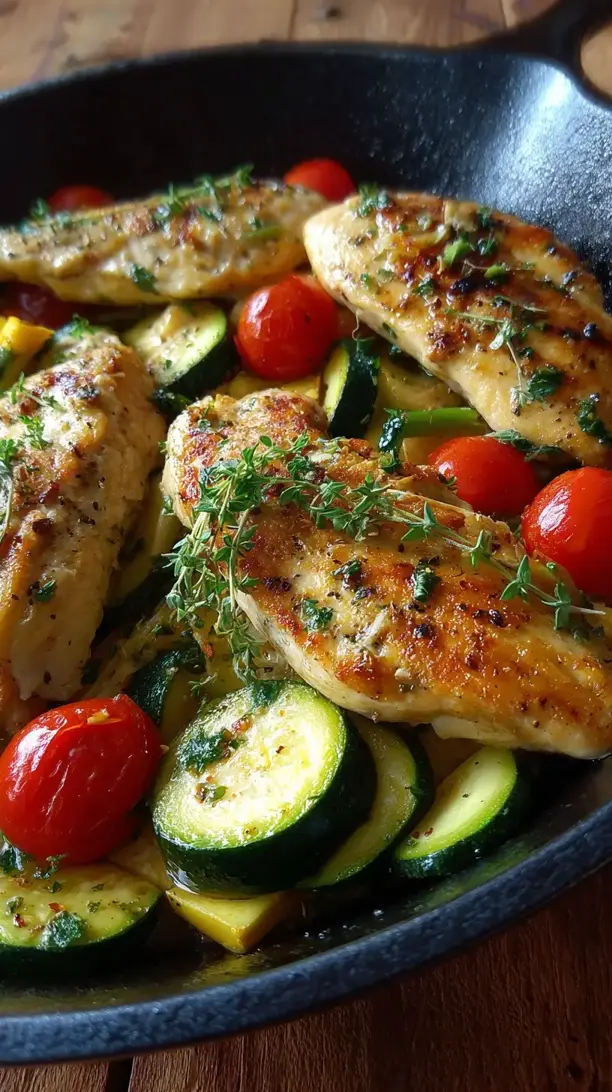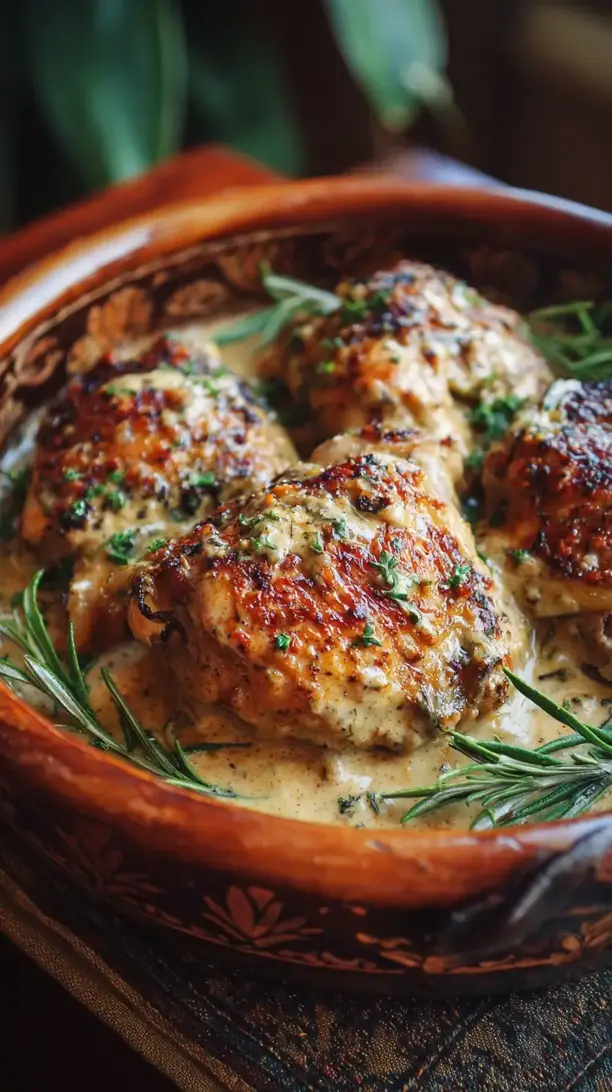
Compound butter chicken transforms humble chicken breasts into a succulent, aromatic main course with minimal effort. The herby, garlicky butter melts into a pan sauce that’s so good you’ll want to drizzle it over everything. It’s fancy enough for a dinner party but simple enough for a weeknight.
Looking for Compound Butter Chicken inspiration? You'll love what we have! Explore more Chicken Breast Recipes recipes or discover our Chicken Thigh Recipes favorites.


Why You’ll Love This Compound Butter Chicken
- Effortless elegance: Looks impressive but the process is wonderfully simple.
- Insanely juicy results: Continuous basting keeps the meat incredibly moist and tender.
- Amazing aroma: Your kitchen will fill with a herby, garlicky, rich scent.
- Endlessly adaptable: Master the basic technique, then play with flavors.
Ingredients & Tools
- 4 boneless, skin-on chicken breasts (about 150-180g each)
- 115 g unsalted butter, softened
- 3 cloves garlic, finely minced or pressed
- 2 tbsp fresh parsley, finely chopped
- 1 tbsp fresh thyme leaves
- 1 tsp fresh rosemary, finely chopped
- Zest of 1 lemon
- 1 tbsp fresh lemon juice
- 1/2 tsp sea salt, plus more for seasoning
- 1/4 tsp freshly cracked black pepper
- 1 tbsp olive oil
Tools: A medium bowl, a fork or spatula for mixing, plastic wrap, a large oven-safe skillet (cast iron is perfect), kitchen twine (optional, for tying), and an instant-read thermometer.
Notes: The quality of your butter and the freshness of your herbs really make a difference here. Using unsalted butter lets you control the salt level perfectly, and fresh herbs provide a much brighter, more vibrant flavor than their dried counterparts.
Nutrition (per serving)
| Calories: | 420 kcal |
| Protein: | 35 g |
| Fat: | 30 g |
| Carbs: | 2 g |
| Fiber: | 0.5 g |
Serves: 4 | Prep Time: 15 minutes | Cook Time: 20 minutes | Total Time: 35 minutes
Before You Start: Tips & Ingredient Notes
- Butter temperature is key. Your butter must be properly softened to room temperature. If it’s too cold, you’ll struggle to mix in the other ingredients evenly. If it’s melted, it won’t hold its shape. It should be soft enough to easily press a finger into, about 30-60 minutes out of the fridge.
- Why skin-on chicken? The skin acts as a protective layer, helping to keep the breast meat incredibly juicy during the high-heat searing. It also becomes wonderfully crispy and soaks up all the herby butter flavors. You can use skinless, but you’ll miss that textural contrast.
- Don’t skip the lemon zest. The zest is where the potent, sunny lemon oil lives. It infuses the butter with a beautiful fragrance and flavor that the juice alone can’t provide. It cuts through the richness perfectly.
- Get your pan hot. A properly preheated skillet is non-negotiable for getting a gorgeous, golden-brown sear on the chicken without steaming it. You should hear a confident sizzle the moment the chicken touches the pan.
How to Make Compound Butter Chicken
Step 1: Make the Compound Butter. In a medium bowl, combine the softened butter, minced garlic, chopped parsley, thyme, rosemary, lemon zest, lemon juice, 1/2 teaspoon of salt, and the black pepper. Mash and stir everything together with a fork or spatula until it’s fully incorporated and you see all the herbs and garlic evenly distributed. Honestly, it already smells incredible at this point.
Step 2: Form the Butter Log. Scoop the butter mixture onto a sheet of plastic wrap. Use the wrap to help you shape and roll the butter into a log, roughly the diameter of a £2 coin. Twist the ends of the plastic wrap to seal it tightly. Pop this into the freezer for about 10-15 minutes. This firms it up just enough so it’s easy to slice later.
Step 3: Prep and Season the Chicken. While the butter chills, pat your chicken breasts completely dry with paper towels. This is a crucial step for getting a good sear. Season both sides of the chicken generously with salt and a little more pepper. If your chicken breasts are very uneven in thickness, you can gently pound the thicker ends to create a more uniform piece—this ensures even cooking.
Step 4: Sear the Chicken. Place your large, oven-safe skillet over medium-high heat and add the olive oil. Once the oil is shimmering hot, carefully place the chicken breasts in the pan, skin-side down. You’ll hear that satisfying sizzle. Resist the urge to move them! Let them cook for 6-8 minutes, until the skin is deeply golden brown and crispy.
Step 5: Flip and Add the Butter. Flip the chicken breasts over so they are now skin-side up. Reduce the heat to medium. Take your compound butter log out of the freezer and slice off 4-5 medallions. Place them directly into the pan around the chicken. As the butter melts, use a spoon to continuously baste the chicken—that is, scoop up the melted butter and pour it over the top of the chicken breasts. Do this for about 4-5 minutes.
Step 6: Finish in the Oven (Optional but Recommended). If your chicken is nearly cooked through but you want to ensure it’s done without overcooking the outside, transfer the entire skillet to a preheated 190°C (375°F) oven for 5-7 minutes. The best way to check for doneness is with an instant-read thermometer inserted into the thickest part of the breast—it should read 74°C (165°F).
Step 7: Rest and Serve. Once cooked, transfer the chicken to a cutting board or plate and let it rest for at least 5 minutes. This allows the juices to redistribute throughout the meat, guaranteeing a moist bite. Don’t forget to pour all that glorious, herby butter sauce from the pan over the chicken when you serve it.
Storage & Freshness Guide
- Fridge: Store leftover chicken in an airtight container for up to 3 days.
- Freezer: Wrap cooked chicken tightly and freeze for up to 3 months.
- Reviving: Reheat in a 175°C (350°F) oven with a splash of broth, covered, until warm.
Serving Suggestions
Complementary Dishes
- Creamy Parmesan Polenta — The soft, cheesy polenta is a dreamy base that soaks up the incredible butter sauce beautifully, creating the perfect bite with the chicken.
- Garlic Sautéed Green Beans — Their slight crunch and fresh flavor provide a lovely textural contrast and a vibrant green pop on the plate next to the rich chicken.
- Simple Arugula Salad with Lemon Vinaigrette — The peppery arugula and sharp lemon in the dressing cut through the richness of the butter, cleansing the palate between bites.
Drinks
- A Crisp, Unoaked Chardonnay — Its bright acidity and citrus notes will mirror the lemon in the dish and balance the butter’s richness without overpowering it.
- Sparkling Water with Lemon Slices — For a non-alcoholic option, the bubbles and citrus are refreshing and help reset your taste buds, making each mouthful of chicken taste just as amazing as the first.
Something Sweet
- Lemon Sorbet — A scoop of this light, tart sorbet is the perfect palate-cleansing finish, continuing the citrus theme of the meal in a refreshing, elegant way.
- Vanilla Panna Cotta with Berry Compote — The cool, creamy, and simple panna cotta provides a smooth, sweet contrast to the savory, herby main course.
Top Mistakes to Avoid
- Mistake: Using cold butter for the compound mix. If your butter is straight from the fridge, you’ll end up with a lumpy, uneven mixture where the herbs and garlic aren’t properly distributed. It won’t melt evenly in the pan.
- Mistake: Not patting the chicken dry. Any moisture on the surface of the chicken will steam in the pan instead of allowing the skin to sear and crisp up. You’ll miss out on that beautiful golden-brown texture.
- Mistake> Moving the chicken too soon. I’ve messed this up before too… if you try to move the chicken before the skin has properly seared, it will tear and stick to the pan. Let it sizzle undisturbed to form a natural crust that releases easily.
- Mistake: Skipping the rest time. Slicing into the chicken immediately after cooking will cause all the precious juices to run out onto the cutting board, leaving you with drier meat. A brief rest is non-negotiable for juiciness.
Expert Tips
- Tip: Make a double batch of compound butter. The leftover log freezes beautifully for up to 3 months. You can have instant gourmet flavor on hand to melt over steak, fish, roasted vegetables, or even just a slice of crusty bread.
- Tip: Use an ice bath for quick softening. Forgot to take the butter out? Place cold butter in a sealed plastic bag and submerge it in a bowl of lukewarm water for 10-15 minutes. It will soften perfectly without melting.
- Tip: Add a splash of white wine. After searing the chicken and before adding the butter, pour in a splash of dry white wine to deglaze the pan. Let it reduce by half—it adds a wonderful layer of acidity and complexity to the sauce.
- Tip: Finish with fresh herbs. Just before serving, sprinkle a little extra fresh, chopped parsley or chives over the plated chicken. This adds a pop of fresh color and a burst of bright flavor that contrasts with the cooked herbs in the butter.
FAQs
Can I make the compound butter ahead of time?
Absolutely, and I highly recommend it! The compound butter log can be prepared, wrapped tightly, and stored in the refrigerator for up to 5 days or in the freezer for up to 3 months. This makes whipping up this dish on a busy weeknight incredibly fast. Just slice what you need directly from the frozen or chilled log—no need to thaw if it’s going straight into the hot pan.
Can I use dried herbs instead of fresh?
You can, but the flavor will be more muted and earthy rather than bright and vibrant. If you must substitute, use one-third the amount of dried herbs (so 2 tsp fresh becomes roughly 2/3 tsp dried). Crush the dried herbs between your fingers before adding to the butter to help release their oils. Honestly, for this recipe, fresh herbs are worth the extra effort.
My butter is burning in the pan. What should I do?
This usually means your heat is too high after the initial sear. The milk solids in butter burn at a lower temperature than oil. After you flip the chicken, be sure to reduce the heat to medium or even medium-low for the basting stage. If it starts to smoke and brown too much, you can add a tablespoon of olive oil to the pan to raise its smoke point.
What’s the best way to store and reheat leftovers?
Store any leftover chicken in an airtight container in the refrigerator for up to 3 days. To reheat, avoid the microwave, which can make the meat rubbery. Instead, place it in a baking dish with a splash of water or chicken broth, cover with foil, and warm it in a 175°C (350°F) oven for 10-15 minutes, until heated through.
Can I use chicken thighs instead of breasts?
Yes, chicken thighs are a fantastic option! They are more forgiving and stay incredibly juicy. You’ll follow the same method, but may need to add a few minutes to the cooking time. Use an instant-read thermometer to be sure—thighs are done at 82°C (180°F). The richer dark meat pairs wonderfully with the herb butter.



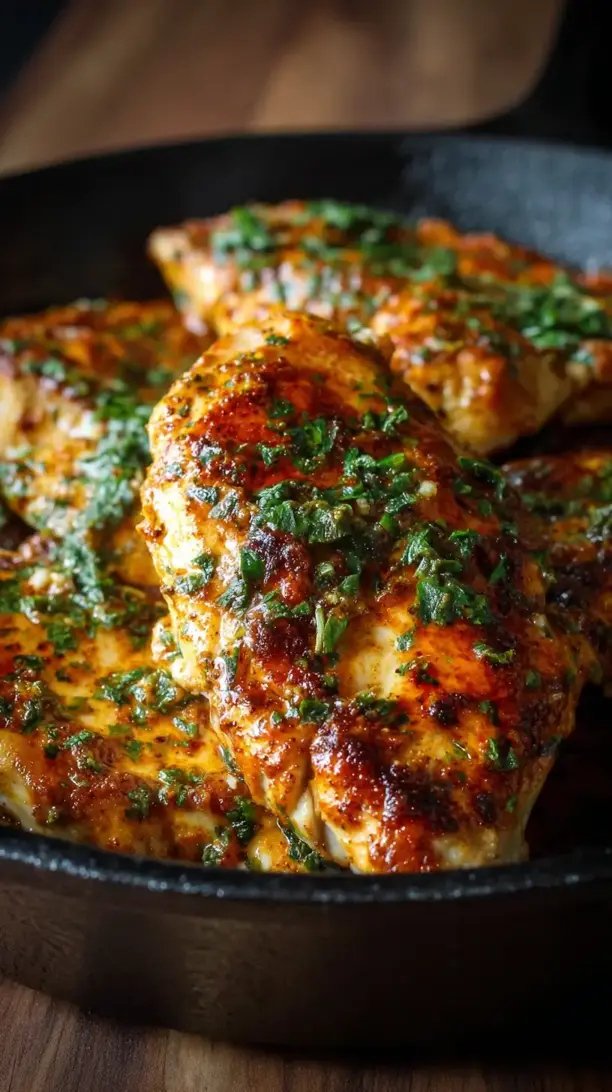
Compound Butter Chicken
Make juicy, flavorful Compound Butter Chicken in 35 minutes. This easy recipe creates an elegant meal perfect for any night. Get the step-by-step guide now!
Ingredients
For the Compound Butter Chicken
-
4 boneless, skin-on chicken breasts (about 150-180g each)
-
115 g unsalted butter (softened)
-
3 cloves garlic (finely minced or pressed)
-
2 tbsp fresh parsley (finely chopped)
-
1 tbsp fresh thyme leaves
-
1 tsp fresh rosemary (finely chopped)
-
1 lemon zest
-
1 tbsp fresh lemon juice
-
1/2 tsp sea salt (plus more for seasoning)
-
1/4 tsp freshly cracked black pepper
-
1 tbsp olive oil
Instructions
-
In a medium bowl, combine the softened butter, minced garlic, chopped parsley, thyme, rosemary, lemon zest, lemon juice, 1/2 teaspoon of salt, and the black pepper. Mash and stir everything together with a fork or spatula until it’s fully incorporated and you see all the herbs and garlic evenly distributed.01
-
Scoop the butter mixture onto a sheet of plastic wrap. Use the wrap to help you shape and roll the butter into a log, roughly the diameter of a £2 coin. Twist the ends of the plastic wrap to seal it tightly. Pop this into the freezer for about 10-15 minutes.02
-
While the butter chills, pat your chicken breasts completely dry with paper towels. Season both sides of the chicken generously with salt and a little more pepper. If your chicken breasts are very uneven in thickness, you can gently pound the thicker ends to create a more uniform piece.03
-
Place your large, oven-safe skillet over medium-high heat and add the olive oil. Once the oil is shimmering hot, carefully place the chicken breasts in the pan, skin-side down. Let them cook for 6-8 minutes, until the skin is deeply golden brown and crispy.04
-
Flip the chicken breasts over so they are now skin-side up. Reduce the heat to medium. Take your compound butter log out of the freezer and slice off 4-5 medallions. Place them directly into the pan around the chicken. As the butter melts, use a spoon to continuously baste the chicken—that is, scoop up the melted butter and pour it over the top of the chicken breasts. Do this for about 4-5 minutes.05
-
If your chicken is nearly cooked through but you want to ensure it’s done without overcooking the outside, transfer the entire skillet to a preheated 190°C (375°F) oven for 5-7 minutes. The best way to check for doneness is with an instant-read thermometer inserted into the thickest part of the breast—it should read 74°C (165°F).06
-
Once cooked, transfer the chicken to a cutting board or plate and let it rest for at least 5 minutes. Don't forget to pour all that glorious, herby butter sauce from the pan over the chicken when you serve it.07
Not what you're looking for?