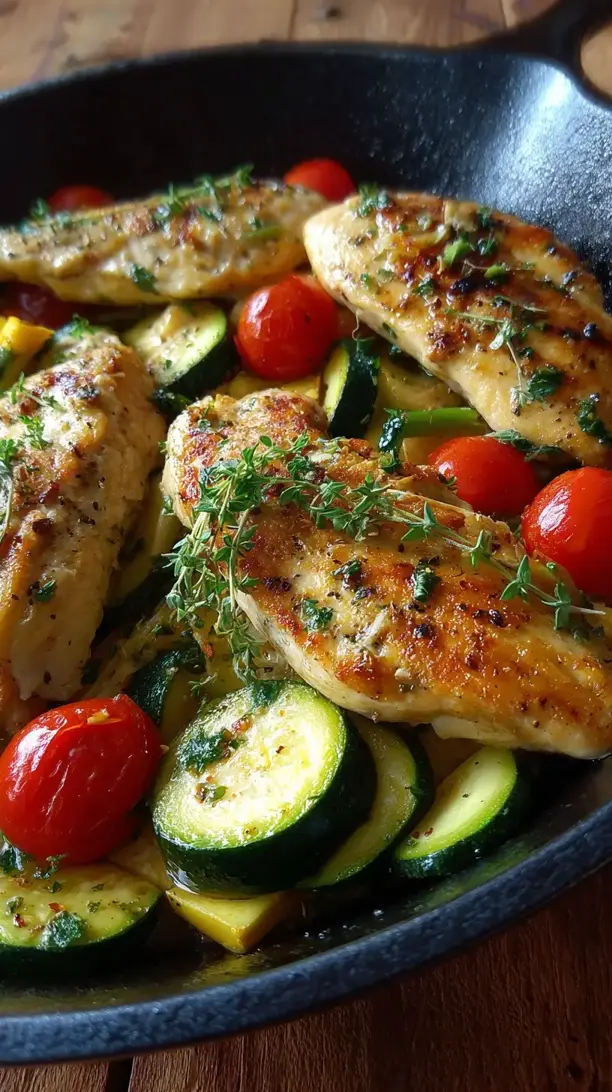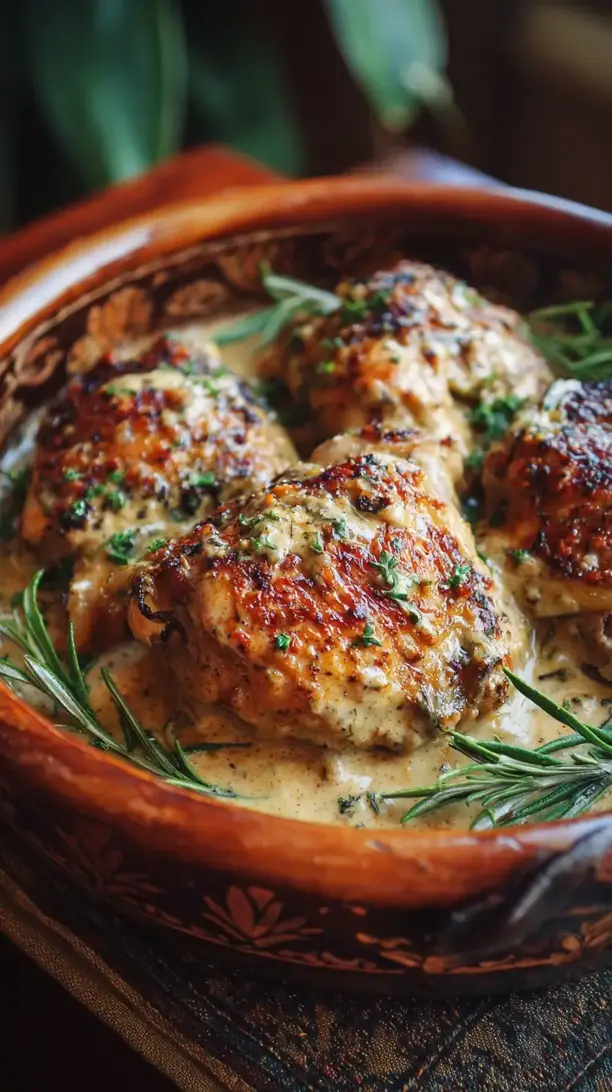
This Dijon Chicken Breast recipe delivers restaurant-worthy flavor with minimal weeknight fuss. The tangy, creamy mustard sauce creates a glossy, irresistible coating for perfectly seared chicken. It’s an elegant one-pan wonder that’s incredibly versatile and satisfying.
Craving a delicious Dijon Chicken Breast? You've come to the right spot! From Chicken Breast Recipes favorites to amazing Dessert Recipes recipes, there's something here for everyone.



Why You’ll Love This Dijon Chicken Breast
- Effortless Elegance: Simple chicken transforms into a sophisticated dish.
- Tangy Creamy Sauce: The Dijon pan sauce coats every bite with rich flavor.
- One-Pan Wonder: Cook chicken and sauce in one skillet for easy cleanup.
- Incredibly Adaptable: Easily customize with mushrooms, spinach, or wine.
Ingredients & Tools
- 4 boneless, skinless chicken breasts (about 1.5 lbs or 680 g)
- 1 tbsp olive oil
- 2 tbsp unsalted butter, divided
- 1 small shallot, finely minced
- 2 cloves garlic, minced
- 1/3 cup Dijon mustard
- 1 cup chicken broth
- 1/2 cup heavy cream or full-fat coconut milk for a dairy-free option
- 1 tsp fresh thyme leaves (or 1/2 tsp dried)
- 1/2 tsp smoked paprika (optional, for a subtle depth)
- To taste salt and freshly ground black pepper
- For garnish fresh parsley, chopped
Tools: A large, oven-safe skillet is ideal, along with a pair of tongs, a whisk, and a sharp knife for prepping your aromatics.
Notes: Using a good-quality Dijon mustard is key here—its distinct, sharp flavor forms the backbone of the sauce. Don’t be shy with the seasoning on the chicken; a well-seasoned breast makes all the difference.
Nutrition (per serving)
| Calories: | 385 kcal |
| Protein: | 38 g |
| Fat: | 23 g |
| Carbs: | 5 g |
| Fiber: | 1 g |
Serves: 4 | Prep Time: 10 minutes | Cook Time: 20 minutes | Total Time: 30 minutes
Before You Start: Tips & Ingredient Notes
- Chicken Thickness Matters. For even cooking, try to select chicken breasts that are roughly the same size and thickness. If one end is much thicker, you can gently pound it with a rolling pin or the bottom of a heavy pan to an even 1-inch thickness.
- Don’t Skimp on Searing. That beautiful golden-brown crust on the chicken isn’t just for looks—it’s packed with flavor (thanks to the Maillard reaction) and will give your final sauce a much richer, deeper base.
- Shallot vs. Onion. A shallot provides a more delicate, sweet, and subtle onion-garlic flavor compared to a regular yellow onion, which can be a bit too pungent and overpower the delicate mustard sauce.
- Quality of Dijon. This is the star, so use a Dijon mustard you enjoy the taste of straight from the jar. A classic, smooth Dijon works best for creating a silky, cohesive sauce.
How to Make Dijon Chicken Breast
Step 1: Begin by prepping your chicken. Pat the chicken breasts completely dry with paper towels—this is crucial for getting a good sear instead of steaming. Season both sides generously with salt and black pepper. Let them sit at room temperature for about 10 minutes while you mince the shallot and garlic.
Step 2: Heat the olive oil and 1 tablespoon of the butter in your large skillet over medium-high heat. Once the butter has melted and the pan is hot, carefully add the chicken breasts. You should hear a satisfying sizzle. Sear them without moving for 5-7 minutes, until a gorgeous golden-brown crust forms on the bottom.
Step 3: Flip the chicken breasts using tongs. Reduce the heat to medium and continue to cook for another 5-8 minutes, or until the internal temperature reaches 165°F (74°C) when checked with an instant-read thermometer. Transfer the cooked chicken to a clean plate and tent loosely with foil to keep warm.
Step 4: In the same skillet, with all those delicious browned bits (the fond) still in there, melt the remaining 1 tablespoon of butter. Add the minced shallot and cook for 2-3 minutes, stirring frequently, until it becomes soft and translucent. You’ll notice a wonderful sweet aroma.
Step 5: Add the minced garlic and cook for just 30 seconds to 1 minute until fragrant. Be careful not to burn it, as burnt garlic can turn bitter. Stir in the smoked paprika if you’re using it, toasting it for a few seconds to wake up its flavor.
Step 6: Now for the star! Whisk in the Dijon mustard and the chicken broth, scraping the bottom of the pan vigorously with your whisk to dissolve all the flavorful browned bits. This is where the magic happens—the sauce base will start to come together instantly.
Step 7: Let the sauce simmer for 2-3 minutes, allowing it to reduce slightly and thicken a bit. You’ll see it start to coat the back of a spoon. Then, reduce the heat to low and slowly whisk in the heavy cream and fresh thyme.
Step 8: Return the cooked chicken breasts and any accumulated juices from the plate back into the skillet. Spoon the luxurious sauce over the top of each piece. Let everything heat through together for another 2-3 minutes, allowing the flavors to meld beautifully.
Step 9: Taste the sauce and adjust the seasoning, adding more salt or pepper if needed. The sauce should be tangy, creamy, and perfectly seasoned. Garnish with a generous sprinkle of fresh chopped parsley for a pop of color and freshness before serving immediately.
Storage & Freshness Guide
- Fridge: Store leftovers in an airtight container for up to 3 days.
- Freezer: Freeze chicken and sauce in a sealed container for up to 2 months.
- Reviving: Reheat gently in a skillet with a splash of broth to loosen sauce.
Serving Suggestions
Complementary Dishes
- Garlic Mashed Potatoes — The ultimate comfort pairing; the creamy, buttery potatoes are a perfect canvas for that tangy Dijon sauce.
- Buttered Egg Noodles or Orzo — These simple starches soak up the delicious sauce wonderfully, ensuring you get every last drop.
- Roasted Asparagus or Green Beans — The bright, slightly crisp-tender vegetables provide a lovely textural and flavor contrast to the rich chicken.
Drinks
- A Crisp Chardonnay or Sauvignon Blanc — The acidity and citrus notes in these white wines cut through the richness of the creamy mustard sauce beautifully.
- A Light-bodied Pinot Noir — If you prefer red, a Pinot Noir has enough brightness and subtle earthiness to complement the dish without overpowering it.
- Sparkling Water with Lemon — A non-alcoholic option that cleanses the palate between each savory, creamy bite.
Something Sweet
- Lemon Sorbet — Its bright, clean, and refreshing citrus flavor is the perfect palate-cleansing finish after a rich meal.
- Dark Chocolate Pots de Crème — For a truly decadent end, the deep, bitter notes of dark chocolate contrast elegantly with the tangy main course.
- Simple Shortbread Cookies — A buttery, not-too-sweet cookie that provides a lovely, simple crunch to end the evening.
Top Mistakes to Avoid
- Overcooking the Chicken. Chicken breasts can go from juicy to dry and tough in a matter of minutes. Using an instant-read thermometer is the most reliable way to hit that perfect 165°F without guessing.
- Adding Cold Cream to a Boiling Sauce. If you add cold cream directly to a very hot sauce, it can sometimes cause the sauce to break or curdle. Take the pan off the heat or ensure the heat is very low when you whisk it in.
- Not Deglazing the Pan Properly. Those browned bits at the bottom of the pan are pure flavor gold. Make sure you use your whisk to scrape them all up when you add the broth; otherwise, you’re leaving a ton of taste behind.
- Using Old, Stale Spices. Herbs and spices like thyme and paprika lose their potency over time. If yours have been in the cupboard for years, their flavor will be muted and won’t contribute much to the dish.
Expert Tips
- Tip: For an extra layer of flavor, deglaze the pan with a splash of dry white wine (like Sauvignon Blanc) after cooking the shallots and before adding the chicken broth. Let it reduce by half—it adds a wonderful acidity and complexity.
- Tip: If your sauce seems a bit too thin after adding the cream, you can let it simmer for a few more minutes to reduce further. For a quicker thicken, create a quick slurry by mixing 1 teaspoon of cornstarch with 1 tablespoon of cold water and whisk it into the simmering sauce.
- Tip: Let the cooked chicken rest for 5-10 minutes after searing and before slicing. This allows the juices to redistribute throughout the meat, resulting in a much more tender and moist bite.
- Tip: For a flavor boost, you can add a teaspoon of whole grain mustard at the very end, along with the cream. It gives the sauce a lovely texture and an extra punch of mustard flavor.
FAQs
Can I use a different type of mustard?
While you can, the flavor profile will change significantly. Dijon has a specific sharpness and complexity that’s integral to this dish. Yellow mustard will be too vinegary and one-dimensional, and a whole grain mustard will alter the texture. For the best results, stick with a smooth, classic Dijon.
How can I make this recipe dairy-free?
It’s very simple! Just substitute the butter for a dairy-free alternative (like olive oil or vegan butter) and use full-fat canned coconut milk in place of the heavy cream. The coconut flavor is subtle and works surprisingly well with the tangy mustard.
What’s the best way to store and reheat leftovers?
Store any leftover chicken and sauce in an airtight container in the refrigerator for up to 3 days. To reheat, gently warm it in a skillet over low heat, adding a tiny splash of broth or water to loosen the sauce if it has thickened too much. Avoid the microwave, as it can make the chicken rubbery.
Can I use chicken thighs instead of breasts?
Absolutely! Bone-in, skin-on thighs would be delicious. You’ll just need to adjust the cooking time, as thighs take a bit longer to cook through. The richer, more robust flavor of dark meat pairs wonderfully with the mustard sauce.
My sauce broke or looks curdled. How can I fix it?
Don’t panic! A broken sauce is usually due to the fat separating. Remove it from the heat immediately and whisk in a tablespoon of cold broth or cream vigorously. This can often bring it back together. If that fails, you can try blending it quickly with an immersion blender.




Dijon Chicken Breast
Make this easy Dijon Chicken Breast with a creamy mustard pan sauce in just 30 minutes. A one-pan wonder perfect for weeknights. Get the recipe now!
Ingredients
For the Ingredients & Tools
-
4 boneless, skinless chicken breasts (about 1.5 lbs or 680 g)
-
1 tbsp olive oil
-
2 tbsp unsalted butter (divided)
-
1 small shallot (finely minced)
-
2 cloves garlic (minced)
-
1/3 cup Dijon mustard
-
1 cup chicken broth
-
1/2 cup heavy cream or full-fat coconut milk (for a dairy-free option)
-
1 tsp fresh thyme leaves (or 1/2 tsp dried)
-
1/2 tsp smoked paprika (optional, for a subtle depth)
-
salt and freshly ground black pepper (to taste)
-
fresh parsley (chopped, for garnish)
Instructions
-
Begin by prepping your chicken. Pat the chicken breasts completely dry with paper towels—this is crucial for getting a good sear instead of steaming. Season both sides generously with salt and black pepper. Let them sit at room temperature for about 10 minutes while you mince the shallot and garlic.01
-
Heat the olive oil and 1 tablespoon of the butter in your large skillet over medium-high heat. Once the butter has melted and the pan is hot, carefully add the chicken breasts. You should hear a satisfying sizzle. Sear them without moving for 5-7 minutes, until a gorgeous golden-brown crust forms on the bottom.02
-
Flip the chicken breasts using tongs. Reduce the heat to medium and continue to cook for another 5-8 minutes, or until the internal temperature reaches 165°F (74°C) when checked with an instant-read thermometer. Transfer the cooked chicken to a clean plate and tent loosely with foil to keep warm.03
-
In the same skillet, with all those delicious browned bits (the fond) still in there, melt the remaining 1 tablespoon of butter. Add the minced shallot and cook for 2-3 minutes, stirring frequently, until it becomes soft and translucent. You’ll notice a wonderful sweet aroma.04
-
Add the minced garlic and cook for just 30 seconds to 1 minute until fragrant. Be careful not to burn it, as burnt garlic can turn bitter. Stir in the smoked paprika if you’re using it, toasting it for a few seconds to wake up its flavor.05
-
Now for the star! Whisk in the Dijon mustard and the chicken broth, scraping the bottom of the pan vigorously with your whisk to dissolve all the flavorful browned bits. This is where the magic happens—the sauce base will start to come together instantly.06
-
Let the sauce simmer for 2-3 minutes, allowing it to reduce slightly and thicken a bit. You’ll see it start to coat the back of a spoon. Then, reduce the heat to low and slowly whisk in the heavy cream and fresh thyme.07
-
Return the cooked chicken breasts and any accumulated juices from the plate back into the skillet. Spoon the luxurious sauce over the top of each piece. Let everything heat through together for another 2-3 minutes, allowing the flavors to meld beautifully.08
-
Taste the sauce and adjust the seasoning, adding more salt or pepper if needed. The sauce should be tangy, creamy, and perfectly seasoned. Garnish with a generous sprinkle of fresh chopped parsley for a pop of color and freshness before serving immediately.09
Not what you're looking for?