
These Dijon Chicken Thighs deliver a tangy, glossy glaze with minimal effort. The mustard mellows into a savory, rich coating while keeping the chicken incredibly juicy. This recipe is a weeknight secret weapon that feels restaurant-worthy.
Love Dijon Chicken Thighs? So do we! If you're into Chicken Thigh Recipes or curious about Breakfast & Brunch, you'll find plenty of inspiration below.


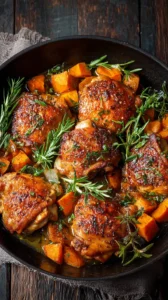
Why You’ll Love This Dijon Chicken Thighs
- Effortless elegance: Looks and tastes fancy but is simple enough for a busy weeknight.
- Juicy every time: Bone-in, skin-on thighs stay moist and forgiving even if slightly overcooked.
- Self-made sauce: Mustard, garlic, and pan drippings create a built-in sauce with no extra steps.
- Endlessly adaptable: Easily swap herbs, add wine, or roast potatoes alongside the chicken.
Ingredients & Tools
- 8 bone-in, skin-on chicken thighs (about 1.5–2 lbs total)
- 3 tbsp Dijon mustard
- 2 tbsp whole-grain mustard
- 3 cloves garlic, minced
- 1 tbsp fresh thyme leaves (or 1 tsp dried)
- 1 tbsp olive oil
- 1 tsp honey or maple syrup
- 1/2 tsp smoked paprika
- 1/2 tsp black pepper, freshly ground
- 3/4 tsp fine sea salt
- 1 lemon, cut into wedges
- 1/4 cup chicken broth or dry white wine (optional, for deglazing)
- 2 tbsp chopped fresh parsley, for garnish
Tools: A large oven-safe skillet (like cast iron or stainless steel), small bowl, tongs
Notes: The combination of smooth and whole-grain mustard gives a creamy base with pops of texture. Fresh thyme offers an earthy, floral note perfect with the mustard.
Nutrition (per serving)
| Calories: | 385 kcal |
| Protein: | 35 g |
| Fat: | 25 g |
| Carbs: | 5 g |
| Fiber: | 1 g |
Serves: 4 | Prep Time: 10 minutes | Cook Time: 35 minutes | Total Time: 45 minutes
Before You Start: Tips & Ingredient Notes
- Why bone-in, skin-on thighs? The bone acts as a heat conductor, cooking the meat evenly and keeping it incredibly juicy. The skin, when seared and roasted, becomes wonderfully crispy and protects the meat from drying out. It’s worth the extra minute of prep.
- Is the Dijon flavor too strong? Not at all! When roasted, the sharpness of the mustard mellows beautifully into a deep, savory, and tangy flavor profile. It’s not overpowering—it’s the star of the show in the best way possible.
- Can I use chicken breasts? You can, but you’ll need to adjust the cooking time significantly as they cook much faster and are far less forgiving. I’d recommend pounding them to an even thickness to prevent drying out.
- What’s the purpose of the honey? Just a tiny bit of sweetness helps balance the tang of the mustard and promotes better browning and caramelization on the chicken skin. You won’t taste it as “sweet,” just more rounded and complex.
How to Make Dijon Chicken Thighs
Step 1: Preheat your oven to 400°F (200°C). While it’s heating, pat the chicken thighs completely dry with paper towels. This is a non-negotiable step for getting that perfectly crispy skin—any moisture will just steam the skin instead. Season both sides generously with the salt and black pepper.
Step 2: In a small bowl, whisk together the Dijon mustard, whole-grain mustard, minced garlic, thyme, olive oil, honey, and smoked paprika. You’ll end up with a thick, fragrant paste. Taste it—it will be strong, but remember, it mellows as it cooks. Set this mustard mixture aside for now.
Step 3: Place your oven-safe skillet over medium-high heat. Once it’s hot, add the chicken thighs, skin-side down. You shouldn’t need extra oil as the skin will render its own fat. Let them sear, undisturbed, for 6-8 minutes until the skin is a deep golden brown and releases easily from the pan. Flip and cook for just 2 more minutes on the other side.
Step 4: Remove the skillet from the heat. Using a brush or a spoon, generously coat the top and sides of each chicken thigh with the mustard mixture. You want a good, even layer. Don’t forget to get the nooks and crannies! Tuck the lemon wedges in between the thighs—they’ll roast and release their juice into the pan sauce.
Step 5: Carefully transfer the entire skillet to the preheated oven. Roast for 20-25 minutes, or until the chicken is cooked through and the internal temperature registers 165°F (74°C) when checked with a meat thermometer. The mustard coating will have darkened and formed a beautiful, sticky glaze.
Step 6: Remove the skillet from the oven—remember, the handle will be extremely hot! Transfer the chicken thighs to a serving platter to rest. For an optional but highly recommended pan sauce, place the skillet back on the stovetop over medium heat. Add the chicken broth or white wine and use a wooden spoon to scrape up all the browned, flavorful bits from the bottom of the pan. Let it simmer and reduce for 1-2 minutes.
Step 7: Spoon the pan juices (or your quick sauce) over the rested chicken thighs. Garnish with the fresh chopped parsley and serve immediately with an extra roasted lemon wedge for squeezing over the top. The burst of fresh lemon juice at the end really brings everything to life.
Storage & Freshness Guide
- Fridge: Store in an airtight container for up to 3 days.
- Freezer: Freeze in a sealed bag for up to 2 months; thaw in fridge before reheating.
- Reviving: Reheat in a 350°F oven until warm to maintain crispy skin texture.
Serving Suggestions
Complementary Dishes
- Garlic Mashed Potatoes — The ultimate comfort food pairing. The creamy, buttery potatoes are a dream when swirled through the tangy mustard pan sauce.
- Simple Roasted Asparagus — Toss asparagus in olive oil, salt, and pepper and roast it on a separate tray alongside the chicken for the last 15 minutes. Easy and elegant.
- Buttered Egg Noodles or Orzo — A simple, starchy base that soaks up every last drop of that incredible sauce without competing for attention.
Drinks
- A Crisp Chardonnay or Sauvignon Blanc — The bright acidity and citrus notes in these white wines cut beautifully through the richness of the chicken and complement the Dijon’s tang.
- A Light-bodied Pinot Noir — If you prefer red, a low-tannin Pinot Noir has enough earthiness to stand up to the herbs without overwhelming the dish.
- Sparkling Water with Lemon — A non-alcoholic option that provides a clean, bubbly palate cleanser between each savory, flavorful bite.
Something Sweet
- Lemon Sorbet — The bright, clean finish of a lemon sorbet is the perfect way to end the meal, echoing the citrus notes from the roasted lemon in the main course.
- Classic Crème Brûlée — For a truly decadent end, the rich, cool custard and crackly caramel top provide a wonderful contrast to the savory, umami-forward chicken.
- Dark Chocolate Truffles — Just one or two rich, intense truffles offer a sophisticated and simple sweet bite that doesn’t require any extra plating.
Top Mistakes to Avoid
- Mistake: Not drying the chicken skin. Any moisture left on the skin will create steam in the pan, preventing it from ever getting truly crispy and golden brown. Pat it dry like you mean it!
- Mistake: Moving the chicken too soon during searing. Have patience! Let the skin sear and form a crust before you try to flip it. If it sticks, it’s not ready. A good sear equals better flavor and texture.
- Mistake: Skipping the meat thermometer. Guessing doneness is a surefire way to end up with either undercooked or dry chicken. A quick check to ensure it’s reached 165°F (74°C) guarantees perfect, safe results every single time.
- Mistake: Crowding the skillet. If you try to cook all the thighs in a pan that’s too small, they’ll steam instead of sear. Use a large skillet and cook in two batches if necessary for the best browning.
Expert Tips
- Tip: Let the chicken come to room temperature. Taking the chicken out of the fridge 20-30 minutes before cooking helps it cook more evenly, so the outside isn’t overdone by the time the inside is cooked through.
- Tip: Make a double batch of the mustard glaze. It’s so good, you’ll want extra to brush on during the last 5 minutes of roasting for an even more intense flavor and glossier finish.
- Tip: Use the rendered chicken fat. After searing, if there’s an excessive amount of fat in the pan, you can spoon a little out. But that golden liquid is flavor gold—it’s what will help create your amazing pan sauce later.
- Tip: Rest your chicken. Let the thighs rest for 5-10 minutes after they come out of the oven. This allows the juices to redistribute throughout the meat, ensuring every bite is moist and tender.
FAQs
Can I make this with chicken breasts?
You can, but it requires some adjustments. Use boneless, skinless breasts and pound them to an even ¾-inch thickness so they cook uniformly. The cooking time will be much shorter—closer to 15-20 minutes in the oven—so keep a close eye on them and always use a meat thermometer to prevent dryness. The flavor will still be great, but you’ll miss the crispy skin and ultra-juicy quality of thighs.
How should I store and reheat leftovers?
Store any leftover chicken in an airtight container in the refrigerator for up to 3 days. The best way to reheat it is in the oven at 350°F (175°C) until warmed through, which will help maintain the texture of the skin. You can use a microwave, but it will make the skin soft. The mustard flavor often tastes even better the next day!
My mustard glaze burned in the oven. What happened?
This usually means your oven was too hot, or the rack was too close to the top heating element. Ovens can run hot, so an oven thermometer is a great tool. If you notice the glaze darkening too quickly, you can tent the pan loosely with aluminum foil for the remainder of the cooking time to protect it.
Can I prepare the mustard marinade ahead of time?
Absolutely! You can whisk the mustard glaze together and store it in the fridge for up to 2 days. This actually allows the garlic and thyme flavors to meld and deepen. Just give it a good stir before you use it. You can even coat the chicken in the glaze and let it marinate for up to 4 hours in the fridge for even more flavor penetration.
What can I use instead of white wine in the pan sauce?
No problem at all. The chicken broth works perfectly. For a non-alcoholic substitute with a similar acidic punch, you could use a tablespoon of fresh lemon juice mixed with the broth. A splash of apple cider vinegar or even a little extra Dijon mustard whisked into the broth can also create a fantastic, tangy sauce.



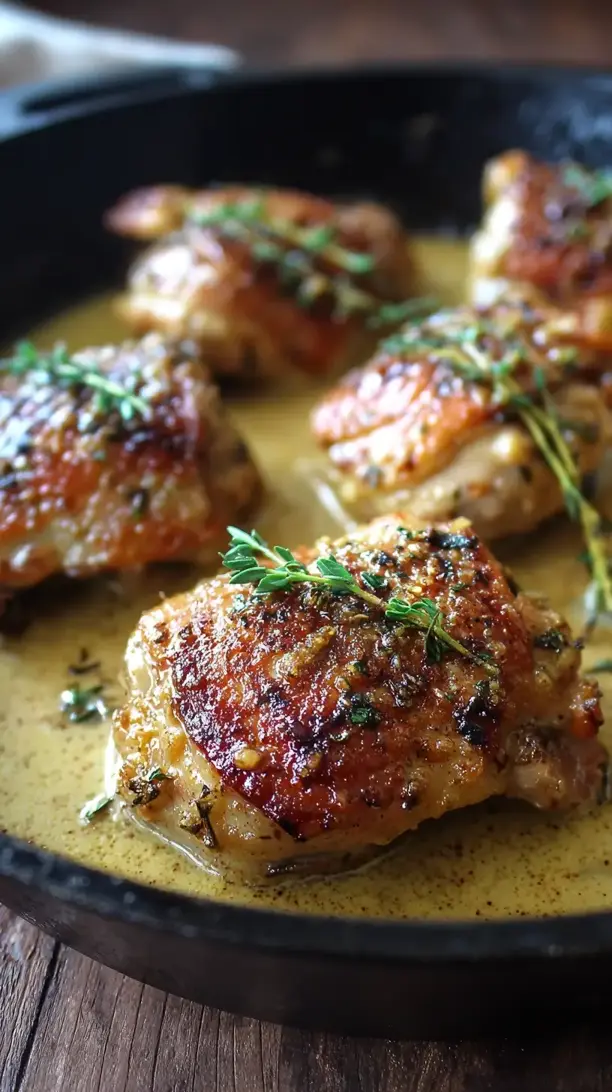
Dijon Chicken Thighs
Make juicy, flavorful Dijon Chicken Thighs with a tangy mustard glaze in under 45 minutes. Perfect for an easy weeknight dinner. Get the recipe now!
Ingredients
For the Ingredients
-
8 bone-in, skin-on chicken thighs (about 1.5–2 lbs total)
-
3 tbsp Dijon mustard
-
2 tbsp whole-grain mustard
-
3 cloves garlic (minced)
-
1 tbsp fresh thyme leaves (or 1 tsp dried)
-
1 tbsp olive oil
-
1 tsp honey or maple syrup
-
1/2 tsp smoked paprika
-
1/2 tsp black pepper (freshly ground)
-
3/4 tsp fine sea salt
-
1 lemon (cut into wedges)
-
1/4 cup chicken broth or dry white wine (optional, for deglazing)
-
2 tbsp chopped fresh parsley (for garnish)
Instructions
-
Preheat your oven to 400°F (200°C). While it’s heating, pat the chicken thighs completely dry with paper towels. This is a non-negotiable step for getting that perfectly crispy skin—any moisture will just steam the skin instead. Season both sides generously with the salt and black pepper.01
-
In a small bowl, whisk together the Dijon mustard, whole-grain mustard, minced garlic, thyme, olive oil, honey, and smoked paprika. You’ll end up with a thick, fragrant paste. Taste it—it will be strong, but remember, it mellows as it cooks. Set this mustard mixture aside for now.02
-
Place your oven-safe skillet over medium-high heat. Once it’s hot, add the chicken thighs, skin-side down. You shouldn’t need extra oil as the skin will render its own fat. Let them sear, undisturbed, for 6-8 minutes until the skin is a deep golden brown and releases easily from the pan. Flip and cook for just 2 more minutes on the other side.03
-
Remove the skillet from the heat. Using a brush or a spoon, generously coat the top and sides of each chicken thigh with the mustard mixture. You want a good, even layer. Don’t forget to get the nooks and crannies! Tuck the lemon wedges in between the thighs—they’ll roast and release their juice into the pan sauce.04
-
Carefully transfer the entire skillet to the preheated oven. Roast for 20-25 minutes, or until the chicken is cooked through and the internal temperature registers 165°F (74°C) when checked with a meat thermometer. The mustard coating will have darkened and formed a beautiful, sticky glaze.05
-
Remove the skillet from the oven—remember, the handle will be extremely hot! Transfer the chicken thighs to a serving platter to rest. For an optional but highly recommended pan sauce, place the skillet back on the stovetop over medium heat. Add the chicken broth or white wine and use a wooden spoon to scrape up all the browned, flavorful bits from the bottom of the pan. Let it simmer and reduce for 1-2 minutes.06
-
Spoon the pan juices (or your quick sauce) over the rested chicken thighs. Garnish with the fresh chopped parsley and serve immediately with an extra roasted lemon wedge for squeezing over the top. The burst of fresh lemon juice at the end really brings everything to life.07
Not what you're looking for?


