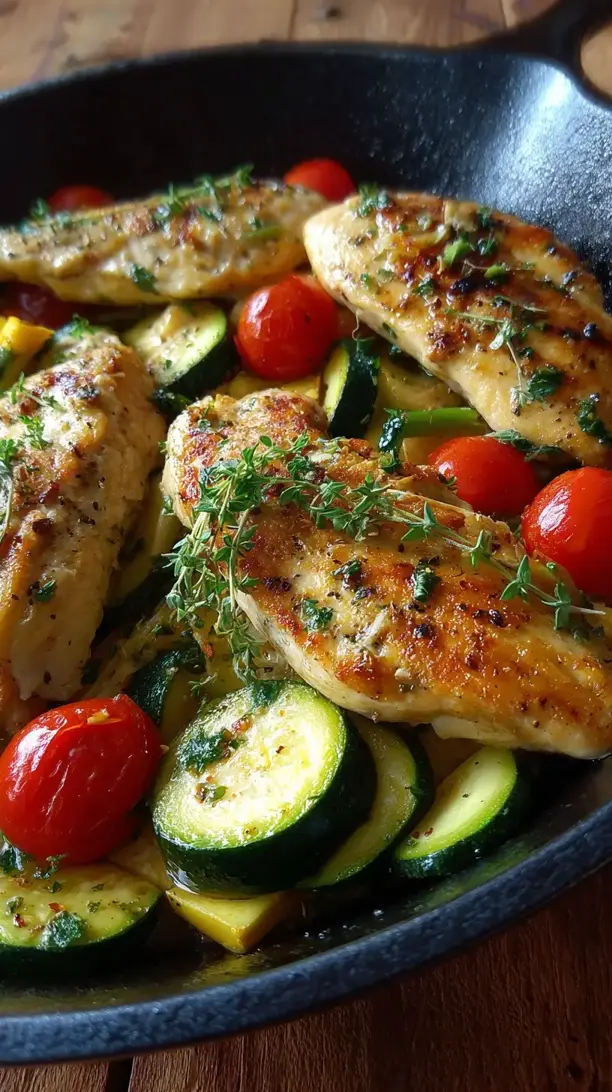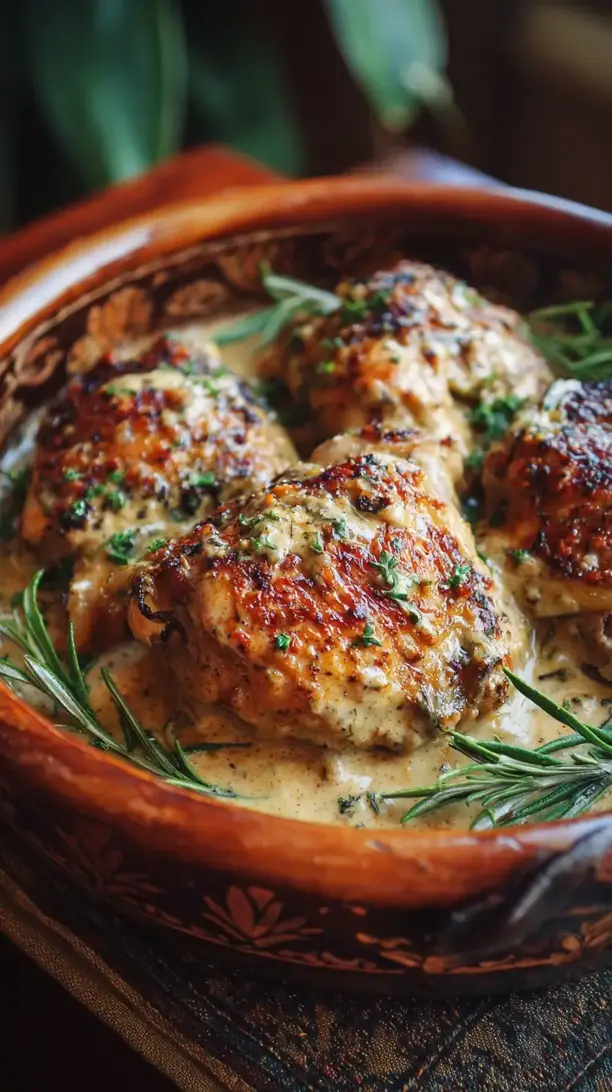
Filipino Chicken Adobo is the heart of Filipino home cooking—a savory, tangy, and deeply comforting braised dish. Chicken simmers slowly in a simple marinade of soy sauce, vinegar, garlic, and peppercorns, yielding tender meat in a glossy, umami-rich sauce. It’s a humble, hearty classic that’s utterly irresistible.
Love Filipino Chicken Adobo? So do we! If you're into Chicken Breast Recipes or curious about Dessert Recipes, you'll find plenty of inspiration below.

Why You’ll Love This Filipino Chicken Adobo
- Forgiving method: Longer cooking deepens the flavors beautifully.
- Balanced flavor: Salty, tangy, and garlicky notes in perfect harmony.
- Amazing aroma: Your kitchen will smell incredibly inviting.
- Meal-prep magic: Tastes even better the next day and freezes well.
Ingredients & Tools
- 1.5 kg chicken thighs and/or drumsticks, bone-in and skin-on
- 1 head garlic, cloves crushed (about 10-12 cloves)
- 125 ml soy sauce (use a Filipino brand like Silver Swan if you can)
- 125 ml cane vinegar or white vinegar
- 2 tsp whole black peppercorns
- 3-4 pieces dried bay leaves
- 1 tbsp brown sugar (optional, for a hint of sweetness)
- 250 ml water
- 2 tbsp cooking oil
Tools: A large, heavy-bottomed pot or Dutch oven, measuring cups/spoons, and tongs.
Notes: Don’t use boneless, skinless chicken—bones add flavor and skin helps thicken the sauce. The whole head of garlic mellows and sweetens as it cooks.
Nutrition (per serving)
| Calories: | 420 kcal |
| Protein: | 35 g |
| Fat: | 28 g |
| Carbs: | 6 g |
| Fiber: | 1 g |
Serves: 4-5 | Prep Time: 10 minutes | Cook Time: 50 minutes | Total Time: 1 hour
Before You Start: Tips & Ingredient Notes
- Don’t skimp on the garlic. It’s the aromatic soul of this dish. Crushing the cloves (with the side of your knife is perfect) helps release their oils and flavor into the sauce more effectively than mincing.
- The vinegar question. Traditional Filipino cane vinegar has a mild, slightly sweet acidity. If you can’t find it, plain white vinegar works beautifully. Just don’t use balsamic or wine vinegar—their flavors are too dominant.
- To marinate or not to marinate? You can marinate the chicken for 30 minutes to overnight for deeper flavor penetration, but honestly? It’s not strictly necessary. The long simmering time infuses the chicken with so much flavor that you’ll get a fantastic result either way.
- Embrace the fat. Using skin-on, bone-in chicken is non-negotiable for the most authentic, flavorful adobo. The rendered chicken fat adds a richness to the sauce that you just can’t get otherwise.
How to Make Filipino Chicken Adobo
Step 1: Pat your chicken pieces completely dry with paper towels. This is a small but crucial step—it helps the skin get a beautiful golden color when you sear it. Heat the oil in your heavy-bottomed pot or Dutch oven over medium-high heat. Once the oil is shimmering, carefully add the chicken pieces, skin-side down. Don’t overcrowd the pot; you might need to do this in two batches. Sear for about 4-5 minutes per side, until you get a gorgeous, deep golden-brown crust. You’ll hear a lovely sizzle—that’s the sound of flavor developing. Transfer the seared chicken to a plate for now.
Step 2: In the same pot, with all those delicious browned bits and rendered chicken fat, lower the heat to medium. Add all of your crushed garlic cloves and the whole peppercorns. Sauté them for just about a minute, until the garlic becomes fragrant. You have to watch it closely—garlic can burn in a flash, and burnt garlic will make the whole dish bitter. You just want to wake up their aromas.
Step 3: This is where the magic starts. Pour in the soy sauce and vinegar. It will sizzle and steam dramatically—that’s normal! Let it bubble for 30 seconds to cook off the raw alcohol smell from the vinegar. Now, add the water and drop in the bay leaves. If you’re using the optional brown sugar for a touch of sweetness, add it now. Give everything a good stir, scraping the bottom of the pot to lift all those flavorful browned bits (the fond). This deglazing step is key for a deeply flavored sauce.
Step 4: Carefully return the seared chicken pieces to the pot, along with any juices that accumulated on the plate. The liquid should come about halfway up the chicken pieces. Bring the pot to a lively simmer, then immediately reduce the heat to low, cover the pot with a lid, and let it gently bubble away for 30-35 minutes. The chicken will become incredibly tender and start to pull away from the bone.
Step 5: After the simmering time, uncover the pot. The sauce will still be quite thin. To get that classic, glossy adobo sauce, you need to reduce it. Increase the heat to medium and let the sauce boil, uncovered, for another 10-15 minutes. You’ll notice the bubbles getting larger and the sauce thickening, coating the back of a spoon. The chicken will darken to a rich, mahogany brown. The sauce is ready when it has reduced by about half and looks beautifully glossy.
Step 6: Your adobo is done! Taste the sauce and adjust if needed—sometimes a tiny extra pinch of sugar can balance the saltiness if your soy sauce was particularly potent. Turn off the heat. The final dish should have tender chicken that’s infused with the savory-tangy sauce, which should be dark, slightly thickened, and packed with garlicky, peppery flavor. Serve it immediately, making sure to spoon plenty of that incredible sauce over everything.
Storage & Freshness Guide
- Fridge: Cool completely, store in an airtight container up to 4–5 days.
- Freezer: Freeze in portions up to 3 months. Thaw in fridge before reheating.
- Reviving: Reheat gently on stovetop; add a splash of water if sauce is too thick.
Serving Suggestions
Complementary Dishes
- A huge platter of steamed jasmine rice — This is non-negotiable. The fluffy, slightly sticky rice is the perfect canvas for soaking up every last drop of that glorious adobo sauce.
- Simple stir-fried vegetables like kangkong (water spinach) or green beans — A quick, garlicky vegetable side provides a fresh, crisp contrast to the rich, savory chicken.
- Atchara (Filipino pickled papaya) — The bright, sweet, and tangy crunch of this traditional pickle cuts through the richness of the adobo beautifully, cleansing the palate between bites.
Drinks
- An ice-cold San Miguel beer — The crisp, light lager is the classic pairing in the Philippines, and its effervescence is fantastic for balancing the dish’s strong flavors.
- Calamansi juice or iced tea — The citrusy tang of calamansi or the mild sweetness of iced tea offers a refreshing, non-alcoholic counterpoint to the savory and tangy notes of the adobo.
Something Sweet
- Halo-halo or leche flan — End your meal on a traditional note with this iconic shaved ice dessert or a rich, creamy caramel flan. Their sweetness is the perfect finale after a savory, umami-packed main.
Top Mistakes to Avoid
- Mistake: Stirring the pot right after adding the vinegar. Let the vinegar cook for that initial 30 seconds without disturbing it. This allows the harsh, raw acidity to mellow out and integrate into the sauce properly.
- Mistake: Boiling too vigorously during the covered simmer. You want a gentle, steady simmer, not a rolling boil. A violent boil can make the chicken tough and cause the sauce to reduce too quickly before the chicken is cooked through.
- Mistake: Using low-sodium soy sauce without adjusting. The saltiness of standard soy sauce is part of the flavor balance. If you use low-sodium, you may need to add a bit of salt at the end, as the sauce reduction won’t concentrate enough saltiness.
- Mistake: Skipping the sear on the chicken. I’ve been tempted to do this to save time, but it’s a regret. Searing creates a Maillard reaction that adds a deep, complex flavor base to the entire dish that you simply can’t get from boiling alone.
Expert Tips
- Tip: Make it a day ahead. Adobo is one of those rare dishes that tastes even better the next day. The flavors continue to develop and meld as it sits in the fridge, making the leftovers something to truly look forward to.
- Tip: Render the chicken skin slowly for extra crispness. For a textural twist, after braising, you can remove the chicken and place it under a broiler for a few minutes to crisp up the skin before serving.
- Tip: Use the sauce for other things. Don’t you dare throw away any leftover sauce! It’s liquid gold. Use it to flavor fried rice, as a marinade for grilled meats, or even as a base for a soup.
- Tip: Add hard-boiled eggs. A very common Filipino home-cook hack is to add peeled, hard-boiled eggs to the pot during the last 10-15 minutes of simmering. They soak up the sauce and become deliciously savory.
FAQs
Can I use chicken breasts instead of thighs?
You can, but I wouldn’t recommend it for your first time. Breast meat is much leaner and can easily become dry and stringy with this long cooking method. Thighs and drumsticks, with their higher fat content and connective tissue, stay incredibly moist and tender through the braising process. If you must use breasts, reduce the simmering time significantly to about 20 minutes to prevent them from overcooking.
Why is my adobo sauce too sour?
This usually happens if the vinegar wasn’t allowed to cook off its raw edge for that initial 30 seconds, or if the type of vinegar used was particularly sharp. Don’t worry—it’s an easy fix! Just let the sauce reduce a bit more, and you can balance it out with a small pinch of brown sugar. The sweetness will tame the sharp acidity and bring everything back into harmony.
How long does chicken adobo last in the fridge?
Properly stored in an airtight container, your adobo will be perfectly delicious for up to 4-5 days in the refrigerator. In fact, as mentioned, it often tastes better on days two and three! The flavors continue to deepen and meld, making it a fantastic make-ahead meal.
Can I freeze chicken adobo?
Absolutely, and it freezes beautifully for up to 3 months. Let it cool completely, then transfer it to a freezer-safe container. I like to freeze it in individual portions for easy lunches. To reheat, simply thaw it overnight in the fridge and warm it gently on the stovetop over low heat.
Is there a way to make it less salty?
If you find your adobo is too salty, the easiest fix is to add a bit more water to dilute the sauce and let it simmer for a few more minutes. For future batches, you can use a slightly lower-sodium soy sauce or reduce the amount by a tablespoon or two, replacing it with an equal amount of water.



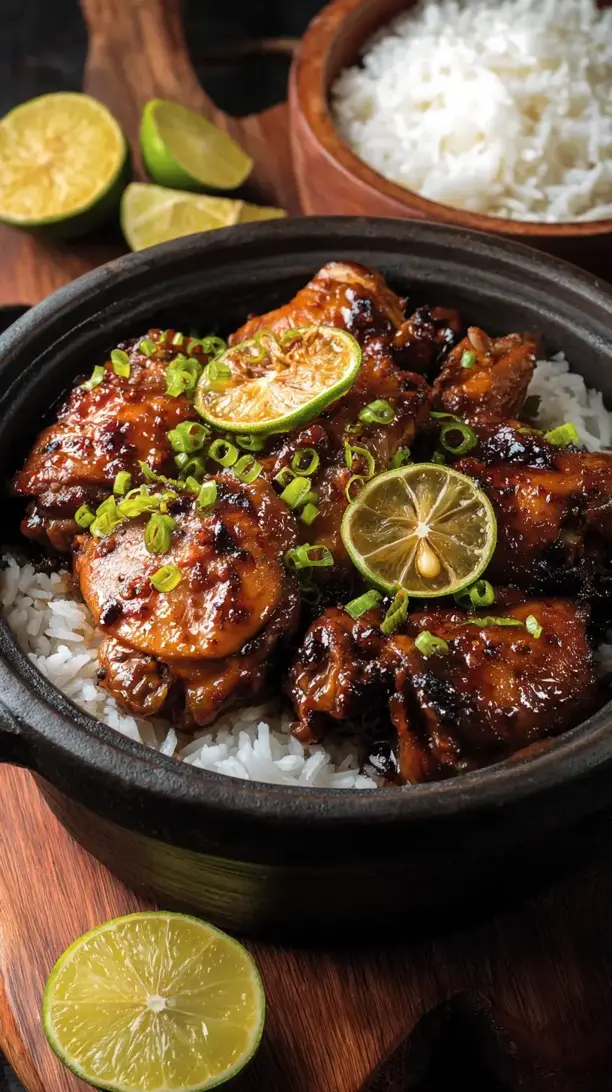
Filipino Chicken Adobo
Learn how to make authentic Filipino Chicken Adobo with this easy recipe. Tender chicken braised in soy-vinegar sauce. Get the step-by-step guide now!
Ingredients
For the Ingredients
-
1.5 kg chicken thighs and/or drumsticks (bone-in and skin-on)
-
1 head garlic (cloves crushed (about 10-12 cloves))
-
125 ml soy sauce (use a Filipino brand like Silver Swan if you can)
-
125 ml cane vinegar or white vinegar
-
2 tsp whole black peppercorns
-
3-4 pieces dried bay leaves
-
1 tbsp brown sugar (optional, for a hint of sweetness)
-
250 ml water
-
2 tbsp cooking oil
Instructions
-
Pat your chicken pieces completely dry with paper towels. Heat the oil in your heavy-bottomed pot or Dutch oven over medium-high heat. Once the oil is shimmering, carefully add the chicken pieces, skin-side down. Don’t overcrowd the pot; you might need to do this in two batches. Sear for about 4-5 minutes per side, until you get a gorgeous, deep golden-brown crust. Transfer the seared chicken to a plate for now.01
-
In the same pot, with all those delicious browned bits and rendered chicken fat, lower the heat to medium. Add all of your crushed garlic cloves and the whole peppercorns. Sauté them for just about a minute, until the garlic becomes fragrant.02
-
Pour in the soy sauce and vinegar. Let it bubble for 30 seconds to cook off the raw alcohol smell from the vinegar. Now, add the water and drop in the bay leaves. If you’re using the optional brown sugar for a touch of sweetness, add it now. Give everything a good stir, scraping the bottom of the pot to lift all those flavorful browned bits (the fond).03
-
Carefully return the seared chicken pieces to the pot, along with any juices that accumulated on the plate. The liquid should come about halfway up the chicken pieces. Bring the pot to a lively simmer, then immediately reduce the heat to low, cover the pot with a lid, and let it gently bubble away for 30-35 minutes.04
-
After the simmering time, uncover the pot. Increase the heat to medium and let the sauce boil, uncovered, for another 10-15 minutes. The sauce is ready when it has reduced by about half and looks beautifully glossy.05
-
Your adobo is done! Taste the sauce and adjust if needed—sometimes a tiny extra pinch of sugar can balance the saltiness if your soy sauce was particularly potent. Turn off the heat. Serve it immediately, making sure to spoon plenty of that incredible sauce over everything.06
Not what you're looking for?